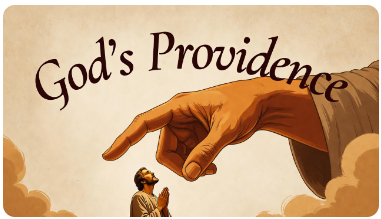
Since the end of the age of the miraculous gifts of the Holy Spirit (1Cor 13:8-10) folks have wondered how God works in our lives. Many have gone the way of Calvinism that portrays God as a cosmic puppet master, but the scriptures teach something completely different and so much better. The bible teaches that God continues to work in our lives PROVIDENTIALLY.
There is a big difference between the MIRACULOUS and PROVIDENCE.
MIRACLES: God works directly, supernaturally, and immediately, suspending, overriding, or working outside the ordinary laws of nature He established (eg; John 11:43-44).
PROVIDENCE (or divine providence): God cares for man through the ordinary laws of nature, (“natural” processes). The word itself is rooted in the Greek word meaning to look out for beforehand actively, by way of maintenance for others.1 It’s used in 1 Timothy 5:8, “if any provide not for his own…” We understand DIVINE PROVIDENCE to mean God makes available what is needed to accomplish a purpose.
Since the age of Miracles, God works in our lives through PROVIDENCE providing what is needed to accomplish a purpose. There are 5 elements we can draw from scripture that God PROVIDES to the Saints to accomplish His purposes through the church (1Tim 3:15; Eph 3:10; Matt 28:19-20). These PROVISIONS are;
INSTRUCTIONS: God has provided with us His will with instructions about what He wants through His word. “All scripture is given by inspiration of God, and is profitable for doctrine, for reproof, for correction, for instruction in righteousness: That the man of God may be perfect, throughly furnished unto all good works” (2Tim 3:16-17). The Bible contains instructions on how to live, and commands to obey.
RESOURCES:* God provides us with all necessary resources to do His will, both spiritually (for saints) & physically. “According as his divine power hath given unto us all things that pertain unto life and godliness, through the knowledge of him that hath called us to glory and virtue” (2Peter 1:3). These resources are found in His creation through constant natural laws, and other provisions that help us to do His will. “Nevertheless he left not himself without witness, in that he did good, and gave us rain from heaven, and fruitful seasons, filling our hearts with food and gladness” (Acts 14:17; eg 2Cor 9:10-15). The framework of creation, PROVIDED by God, contains all that we need to do His will.
OPPORTUNITY FOR GROWTH: Within God’s word, we also have the provisions for growth. “But speaking the truth in love, may grow up into him in all things, which is the head, even Christ” (Eph 4:15). The scriptures contain principles that develop us in all areas of our lives (Relationships, Industry, Community, Child rearing etc.).
INCENTIVES (PROMISES):* God has also provided us incentives contained in promises that motivate us. “…he is a rewarder of them that diligently seek him.” (Hebrews 11:6). We can know WHY God wants things because He has revealed it to us. We know from His word that there is hope beyond this present world. “For our light affliction, which is but for a moment, worketh for us a far more exceeding and eternal weight of glory” (2Corinthians 4:16).
PRAYER FOR HELP:* God provides aid through prayer for those in Christ (“all spiritual blessings are in Christ Jesus” Eph 1:3). “Let us therefore come boldly unto the throne of grace, that we may obtain mercy, and find grace to help in time of need” (Heb 4:16). He hasn’t walked away from us and left us to fend for ourselves, but when we pray “according to His will” He continues to work through the ordinary laws of nature. He tells us, “Casting all your care upon him; for he careth for you” (1Peter 5:7). The very fact that He commands us to pray (Matthew 6:9-15) shows that He continues to help us. “The effectual fervent prayer of a righteous man availeth much” (James 5:16b). The record of scripture shows that He answers our righteous prayers through the agency of divine providence. To pray for things outside of His will is to “ask amiss” (James 4:3).
Here is where we get into trouble. We want to know HOW, WHAT, WHERE, & WHEN God helps us. That’s the thing about PROVIDENCE, we don’t know. Mordecai could only say, “Who knows” (Esther 4:14)?
Error automatically runs to claims such as, ‘God has a plan for me.’ As if God hasn’t revealed anything about what He wants. When they say, “God is in control” they mean that He is moving every atom & person separate from our own free will. They speak as if God has an unrevealed individualized divine plan for everyone. This leads to frustration.
The truth is, God has created a system (Instruction, creation, natural laws, growth, incentives, & prayer) in which man has freedom to direct his own life and will be judged according to his deeds (2Corinthians 5:10; Mt 25:31-32; Ro 2:6; 14:10; Ga 6:7; Eph 6:8; Col 3:24-25; Re 22:12). God has revealed His will for man and He has PROVIDED all we need for life & godliness.
It’s all in His word.
Agape Spencer
Strongs Concordance.
* Spiritual Blessings are only for those who are “in Christ” (Eph 1:3)
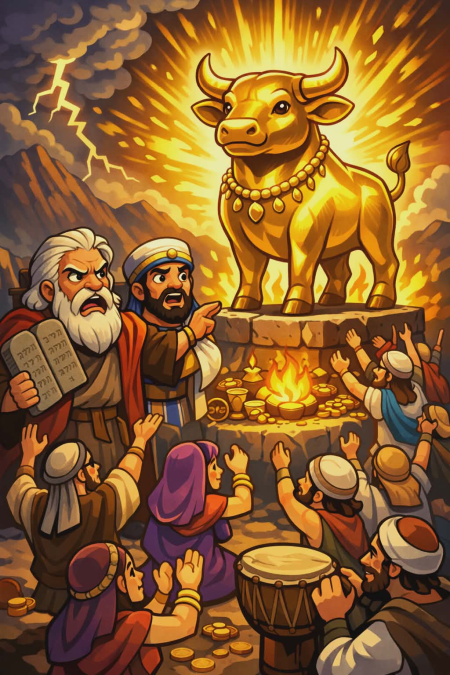
While Moses was on Mount Sinai for forty days receiving God’s law and the stone tablets, the Israelites grew impatient. They gathered around Aaron and demanded, “Come, make us gods who will go before us. As for this fellow Moses who brought us up out of Egypt, we don’t know what has happened to him.
”Aaron told them to bring their gold earrings, which they did. He took the gold, melted it down, and CRAFTED it into the image of a calf. When the people saw it, they exclaimed, “These are your gods, Israel, who brought you up out of Egypt!” Aaron built an ALTAR in front of the calf and announced, “Tomorrow there will be a festival to the Lord.” The next day, the people rose early, offered burnt offerings and peace offerings, then sat down to eat and drink and rose up to revel and play in wild celebration (LET LOOSE).
The Lord told Moses to go down, saying the people had become corrupt and were worshiping an idol, breaking the covenant. God was ready to destroy them and start over with Moses, but Moses interceded, pleading for mercy based on God’s promises to Abraham, Isaac, and Jacob. The Lord relented from total destruction.
Moses descended the mountain with Joshua. Hearing noise, Joshua thought it was battle, but Moses recognized it as singing. When he saw the calf and the dancing, his anger burned. He threw down the tablets, shattering them. He burned the calf, ground it to powder, scattered it on water, and made the people drink it.
Moses confronted Aaron, then called for those on the Lord’s side. The Levites stepped forward and, at Moses’ command, and about three thousand FELL of the guilty that day. Later, a plague struck the people because of their sin with the calf.
This dramatic rebellion showed how quickly the people turned from true worship of the living God to false, man-made worship—even while claiming it honored Him.
He CRAFTED from the people’s earrings (Exodus 32:3-4)
In Exodus 32, while Moses was on Mount Sinai receiving God’s law, the Israelites grew restless. They pressured Aaron: “Come, make us gods who will go before us” (v. 1). Aaron collected their gold earrings, melted them down, and CRAFTED a golden calf. He declared, “These are your gods, Israel, who brought you up out of Egypt!” (v. 4). He BLENDED idol worship with claims of honoring Yahweh. What started as impatience ended in outright idolatry—crafting a god in their own image: visible, portable, controllable, and convenient to their desires.
This is the heart of false worship: people remaking God to fit their preferences rather than submitting to Him as He reveals Himself. They took a kernel of truth—the memory of deliverance from Egypt—and mixed it with massive error: a physical idol violating God’s commands (Ex. 20:4-5). It looked religious, sounded familiar, but it was self-made.
Paul warns of the same danger in Colossians 2:23: “These [regulations] indeed have an appearance of wisdom in promoting self-made religion [or self-imposed worship], false humility and harsh treatment of the body, but they are of no value in stopping the indulgence of the flesh” (ESV/NIV). Today, false worship often follows this pattern—crafting God after our image by blending a little biblical truth with a lot of human invention. We might add entertainment-driven services, self-centered “experiences,” man-made traditions, or watered-down doctrines that prioritize comfort over obedience, all while claiming to honor God. It has the “appearance of wisdom”—it feels spiritual, looks impressive—but it LACKS DIVINE AUTHORITY AND FAILS TO PRODUCE TRUE HOLINESS.
The golden calf teaches us: True worship doesn’t reshape God to suit us; it reshapes us to fit Him. Let’s reject self-made religion and offer God the pure, obedient worship He commands—in spirit and truth (John 4:24).
An ALTAR was also built for it (Exodus 32:5-6)
In Exodus 32, after fashioning the golden calf from the people’s earrings, Aaron took it further. As verse 5 records in the KJV: “And when Aaron saw it, he built an ALTAR before it; and Aaron made proclamation, and said, To morrow is a feast to the LORD.”
Aaron constructed an ALTAR and instituted sacrifices—burnt offerings and peace offerings—typical of legitimate worship to Yahweh. He even called it a “feast to the LORD,” invoking God’s name. Yet this was all directed toward the idol he had made. It appeared devout and sacrificial, but it was corrupt: a man-invented ritual honoring a false god while pretending to serve the true God. God declared the people had “corrupted themselves” (v. 7) and turned aside from His commands.
This pattern persists in false worship today. People build their own “ALTARS”—structures of religious activity—and offer sacrifices that deviate from God’s New Testament pattern. Instead of the living, holy sacrifice God requires, many substitute outward shows: mere attendance, emotional highs, traditions of men, or self-pleasing acts that feel spiritual but lack true submission.
The BIBLE instructs believers in Romans 12:1: “I beseech you therefore, brethren, by the mercies of God, that ye present your bodies a living sacrifice, holy, acceptable unto God, which is your reasonable service.” And in 1 Peter 2:5: “Ye also, as lively stones, are built up a spiritual house, an holy priesthood, to offer up spiritual sacrifices, acceptable to God by Jesus Christ.”
True worship demands our whole selves—living, holy, and spiritual—offered through Christ, not dead rituals or self-made substitutes. The golden calf’s altar reminds us: Any sacrifice not aligned with God’s revealed will is false, no matter how religious it appears. Let us offer only what He accepts: ourselves as living sacrifices in obedient, Spirit-led worship.
They Let LOOSE (Exodus 32:6, 25)
In Exodus 32, after offering sacrifices before the golden calf, the people descended into indulgence. Verse 6 states: “And they rose up early on the morrow, and offered burnt offerings, and brought peace offerings; and the people sat down to eat and to drink, and rose up to play.” The Hebrew term for “play” here implies revelry—LOOSE, immoral behavior, feasting, drinking, and frolic that quickly turned the supposed “feast to the LORD” into carnal excess. What began as religious ritual degenerated into unrestrained partying, idolatry fueling sensuality and self-gratification. God viewed this as corruption (v. 7), and it brought swift judgment.
This “LETTING LOOSE” mirrors false worship today, where assemblies prioritize entertainment over reverence. Many modern “worship centers” resemble concerts—with loud bands, dramatic lighting, smoke machines, and performance-style music that feels more like a rock show than congregational praise. Attendees often observe passively, sipping coffee from on-site cafes, scrolling phones, or enjoying the spectacle rather than actively participating in humble adoration. Some churches even incorporate video games, recreation areas, bowling, or themed play zones—especially for youth—blending social fun with claims of spiritual community. These elements create a casual, consumer-driven atmosphere: eat, drink, play, and feel entertained, all under the guise of worship.
Yet Scripture calls for something different. Romans 14:17 declares: “For the kingdom of God is not meat and drink; but righteousness, and peace, and joy in the Holy Ghost.” True worship produces holiness and spiritual fruit, not worldly indulgence. Paul rebuked the Corinthians for turning the Lord’s Supper into selfish feasting and divisions (1 Corinthians 11:17-34), much like the calf’s revelry.
The golden calf teaches that when worship becomes playtime—food, fun, frolic, concerts, and entertainment hubs—it ceases to honor God. It entertains the flesh instead of transforming the heart. Let us guard against this: Assemble to offer reverent, Spirit-led worship in spirit and truth (John 4:24), not to be amused. Flee the LOOSE LIVING of false worship and pursue the holy joy of true devotion to Christ.
3k People FELL that day (Exodus 32:28)
In Exodus 32, the golden calf incident reached its tragic climax in judgment. After the people had crafted the idol, built the altar, offered false sacrifices, and let loose in revelry, Moses descended the mountain in righteous anger. He confronted Aaron, then called out, “Who is on the LORD’s side?” (v. 26). The Levites stepped forward. Moses commanded them: “Thus saith the LORD God of Israel, Put every man his sword by his side, and go in and out from gate to gate throughout the camp, and slay every man his brother, and every man his companion, and every man his neighbour” (v. 27). Verse 28 in the KJV records the outcome: “And the children of Levi did according to the word of Moses: and there fell of the people that day about three thousand men.”
Three thousand fell by the sword that day because of their idolatry and false worship. Later, verse 35 adds: “And the LORD plagued the people, because they made the calf, which Aaron made.” The sin brought immediate death and ongoing plague—consequences for corrupting true worship.
Paul draws a direct parallel in the New Testament church. In 1 Corinthians 11, he rebukes the Corinthians for mishandling the Lord’s Supper—divisions, selfishness, and unworthy participation that turned a sacred memorial into a selfish meal. He warns in verse 30 (KJV): “For this cause many are weak and sickly among you, and many sleep.” “Sleep” here means death—some had literally died as divine judgment for profaning the Lord’s table. False or irreverent “worship” brought physical weakness, sickness, and even premature death.
Today, false worship carries the same danger. When assemblies prioritize entertainment, man-made traditions, or self over humble obedience—when people approach God casually, divisively, or hypocritically—they risk spiritual and even physical consequences. God is holy; He does not tolerate corrupted worship. The three thousand who fell at Sinai and those who “sleep” in Corinth stand as warnings: False worship is not harmless fun—it can be deadly.
Let us examine ourselves. Are we assembling in truth, offering living sacrifices in reverence? Or are we risking judgment by crafting modern golden calves? Flee false worship. Pursue pure, obedient devotion to Christ, that we may honor Him rightly and escape the falling that comes from dishonoring God.
BE NOBLE & SEARCH THE SCRIPTURES TO FIND OUT IF THESE THINGS ARE SO.
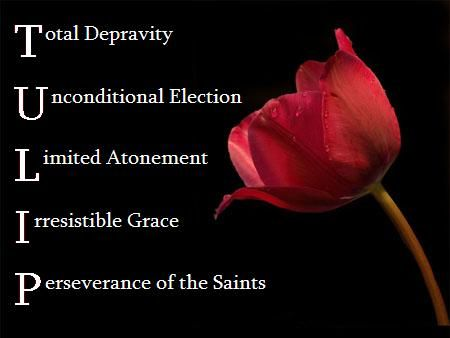
The Bible presents a God of boundless love, genuine invitation, and impartial justice. Yet Calvinism (through its doctrines of unconditional election, limited atonement, and irresistible grace) paints a different portrait: a God who sovereignly chooses some for heaven and others for hell, apart from their response. This article examines nine biblical truths that directly contradict core Calvinist claims. God is not a Calvinist because…
1. He Teaches Man Is Free to CHOOSE
“Now therefore fear the Lord and serve him in sincerity and in faithfulness… And if it is evil in your eyes to serve the Lord, choose this day whom you will serve…” (Joshua 24:14–15, ESV)
God does not mock His creatures with illusory commands. Joshua’s charge assumes real moral ability to choose between serving God or idols. Calvinism’s unconditional election denies this freedom, claiming the unelect cannot choose God. But Scripture places responsibility squarely on human shoulders.
2. He Desires ALL to Be Saved
“This is good, and it is pleasing in the sight of God our Savior, who desires all people to be saved and to come to the knowledge of the truth.” (1 Timothy 2:3–4)
Paul roots evangelism in God’s universal salvific will. Calvinism redefines “all” as “all kinds of people” (i.e., the elect from every nation). But the Greek pantas anthrōpous means every human without exception. God’s desire conflicts with their decree that guarantees most will perish.
3. He LOVES the Whole World
“For God so loved the world, that he gave his only Son, that whoever believes in him should not perish but have eternal life.” (John 3:16)
Calvinism limits Christ’s death to the elect. Yet “world” (kosmos) here is all-encompassing (every sinner, not a pre-selected subset). Salvation hinges on whoever believes, not whoever was chosen before time.
4. Jesus Is the Propitiation for the Whole World
“He is the propitiation for our sins, and not for ours only but also for the sins of the whole world.” (1 John 2:1–2)
John destroys limited atonement in one sentence. Christ’s blood satisfies God’s wrath for every sin of every person. The offer of forgiveness is universal and sufficient—though not universally applied (due to unbelief, not divine decree; see Romans 1:20-32).
5. Jesus Was Willing, but ISRAEL Was Not
“O Jerusalem, Jerusalem… How often would I have gathered your children… and you were not willing!” (Matthew 23:37)
Jesus’ lament exposes the myth of irresistible grace. Divine will (“I would”) clashes with human refusal (“you were not willing”). Grace woos, but does not compel. The same crowd that rejected Christ could have repented; if they had been willing.
6. He Is NOT Willing That Any Should Perish
“The Lord is… not willing that any should perish, but that all should reach repentance.” (2 Peter 3:9)
Peter ties God’s patience to a universal hope for repentance. Calvinism inserts “any of the elect” and “all of the elect,” but the text says any and all—period. God delays judgment to give every sinner opportunity (2Peter 3:15).
7. He Warns Believers of the Possibility of Falling
“Therefore let anyone who thinks that he stands take heed lest he fall.” (1 Corinthians 10:12)
Calvinism’s perseverance of the saints teaches true believers cannot fall away. Yet Paul warns the Corinthian church—regenerate Christians—of real spiritual danger. Apostasy is possible; perseverance is commanded, not guaranteed. The Bible is full of warnings against apostasy.
8. He Says Baptism Saves
“Baptism, which corresponds to this, now saves you, not as a removal of dirt from the body but as an appeal to God for a good conscience…” (1 Peter 3:21)
Calvinism often treats baptism as a mere symbol with no saving efficacy. Peter disagrees: baptism saves—not magically, but as the God-ordained moment of calling on the name of the Lord (cf. Acts 2:38; 22:16; Romans 10:13; Mark 16:16). It is the normative entry into Christ’s death and resurrection (Rom 6:3–4; Colossians 2:11-12).
9. He Teaches Babies Are Safe—We Do Not Inherit Adam’s Guilt
“The son shall not suffer for the iniquity of the father…” (Ezekiel 18:20) “Truly, I say to you, unless you turn and become like children, you will never enter the kingdom of heaven.” (Matthew 18:3)
Calvinism’s total depravity includes inherited guilt—infants are “vipers in diapers,” born condemned. But:
David said of his dead infant, “I shall go to him, but he will not return to me” (2 Sam 12:23)—implying the child was saved.
Jesus held up children as models of the kingdom, not objects of wrath.
Ezekiel rejects transgenerational punishment.
Sin’s consequence is death (Rom 5:12), but guilt is personal. Babies are safe until the age of accountability.
Conclusion: A God Worth Proclaiming
The God of Scripture loves every sinner, died for every sin, and pleads with every heart. He does not play favorites (Acts 10:34–35). He does not mock with insincere offers. He does not damn the innocent.
Calvinism’s God decrees reprobation before birth of certain individuals and spares selected individuals.
The Bible’s God says, “Choose this day… Turn to me and be saved, all the ends of the earth!” (Isa 45:22)
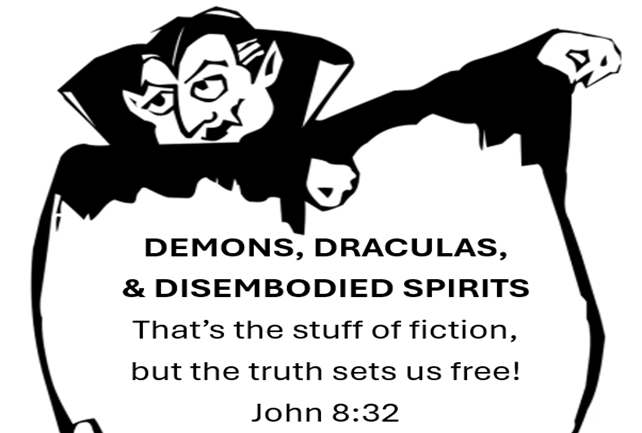
No Ghosts, Zombies, or Draculas: The Bible’s Rejection of Wandering Spirits and Unfinished Tasks
The Bible, throughout both Old and New Testaments, offers no support for the chilling tales of disembodied spirits, zombies, demons, or Dracula-like undead haunting the earth or lingering to complete unfinished business. Pop culture, from gothic novels to Hollywood horror, profit on such fears, but Scripture is clear: human work, including obeying the gospel, must be done in life, and death leaves no room for wandering souls or monstrous transformations. The complete absence of evidence for these ideas calms our fears of death with the urgency of living faithfully now.
The Bible consistently teaches that our work, including spiritual obedience, is confined to this life. Ecclesiastes 9:10 in the Old Testament urges, “Whatsoever thy hand findeth to do, do it with thy might; for there is no work, nor device, nor knowledge, nor wisdom, in the grave, whither thou goest.” This verse shuts the door on the idea of ghosts lingering to finish unresolved tasks. The New Testament echoes this urgency, particularly in obeying the gospel. In 2Corinthians 6:2, Paul writes, “Behold, now is the accepted time; behold, now is the day of salvation.” There’s no biblical hint of posthumous chances to complete spiritual work or haunt the earth as spirits to punish the living. Ghostly tales of unresolved business are purely fictional, not rooted in Scripture.
The notion of humans becoming zombies or undead creatures like Dracula also finds no place in the Bible. Dark tales of vampires rising from graves or mindless corpses are absent from both Testaments. Instead, Scripture portrays death as final for human endeavors, under God’s authority. Psalm 146:4 states, “His breath goeth forth, he returneth to his earth; in that very day his thoughts perish.” This leaves no room for undead transformations. The language of the Bible never states, hints, nor has examples of humans becoming cursed, vampiric beings. The Bible’s silence on such horrors confirms they are literary inventions, not divine truth. There is one biblical account of a deceased man wishing someone could go back to warn his family, but they could not (Luke 16:19-31). If haunting to complete unfinished business was possible, that would have been a great time for Jesus to tell us about it.
Likewise, the idea of humans becoming demons lacks evidence. The New Testament distinguishes demons as separate spiritual entities, not transformed human souls (demon possession was limited to the time of Christ to demonstrate His deity and power, and to affirm the authority of the apostolic age in the first century). Scripture never suggests that people risk becoming demonic after death. What are called “demons” in the Bible are known to be fallen angels, distinct from humans, who followed Satan in his rebellion against God (e.g., Rev 12:9; Luke 10:18).
The Bible’s clear message is that life is the time to obey the gospel and complete our work, with no provision for ghosts, zombies, or Draculas. Death ends our work on earth, but God’s word holds no terrors if we obey the gospel and live faithfully starting today.
Agape
PS; this also means that we shouldn’t wait until death or the judgment to find out if we’re saved. We can know from God’s word today. “For we must all appear before the judgment seat of Christ; that every one may receive the things done in his body, according to that he hath done, whether it be good or bad. Knowing therefore the terror of the Lord, we persuade men;” (2Cor 5:10-11a)
The Bible presents the children of Abraham, specifically the twelve tribes of Israel, as God’s chosen people, selected for a divine purpose: to bring forth the Messiah, Jesus Christ, through whom all nations would be blessed. This narrative weaves through the Old and New Testaments, showing the progression from the Law of Moses to the New Covenant in Christ, culminating in the universal call to become God’s chosen through faith and obedience to the Gospel.
The Chosen People and the Promise. God’s covenant with Abraham (Genesis 12:1-3) established his descendants as the vehicle for His redemptive plan. Through Abraham’s seed—ultimately Christ (Galatians 3:16)—all nations would be blessed. The twelve tribes of Israel, descending from Abraham through Isaac and Jacob (Genesis 17:19; 35:10-12), were chosen to preserve God’s covenant, carry His oracles, and prepare the world for the Messiah. Deuteronomy 7:6-8 emphasizes that Israel’s election was not due to their merit but God’s love and faithfulness to His promise.
The Purpose of the Law of Moses. The Law of Moses, given to Israel at Sinai (Exodus 19-20), served as a tutor to lead humanity to Christ (Galatians 3:24-25). It revealed God’s holiness, exposed human sinfulness (Romans 3:20), and provided a framework for Israel’s covenant relationship with God. The Law included moral, ceremonial, and civil commands, pointing to Christ through types and shadows (Hebrews 10:1). For example, the Passover lamb (Exodus 12) prefigured Christ’s sacrificial death (1 Corinthians 5:7). However, the Law was temporary, unable to justify or remove sin permanently (Hebrews 7:19; 10:4). Its purpose was to prepare Israel—and the world—for the coming of the Messiah.
Fulfillment in Christ and the New Covenant. With Christ’s death, burial, and resurrection—the Gospel (1 Corinthians 15:1-4)—the Law of Moses was fulfilled and abrogated (Colossians 2:14; Hebrews 8:6-13). Jesus, as the promised seed of Abraham (Galatians 3:16), accomplished what the Law could not: justification and reconciliation with God (Romans 5:1-2). The New Covenant, established through His blood (Matthew 26:28), replaced the Old Covenant, making salvation accessible to all—Jew and Gentile—through faith in Christ (Romans 10:12-13). The Great Commission (Matthew 28:18-20) commands the spread of this Gospel to all nations, inviting everyone to obey Christ’s doctrine (2 John 1:9).
Paul expresses his heart for Israel’s salvation in Romans 10:1, noting their zeal for God but lack of knowledge about the righteousness that comes through faith in Christ (Romans 10:3-4). The Law’s purpose was fulfilled in Christ, and now all who believe—whether Jew or Gentile—are justified by faith (Galatians 3:26-29).
The Saints as the Chosen People. Under the New Covenant, the “chosen people” are no longer defined by ethnicity but by faith and obedience to the Gospel. 1 Peter 2:9 describes believers—Jew & Gentile—as a “chosen generation, a royal priesthood, a holy nation,” echoing Israel’s calling in Exodus 19:5-6 but now applied universally to the church. Anyone who obeys the Gospel by faith (Romans 1:16; Acts 2:38) becomes part of this spiritual Israel, grafted into God’s family (Romans 11:17-24). The saints, through Christ, inherit the promises made to Abraham (Galatians 3:29).
The twelve tribes of Israel were chosen to bring Christ into the world, with the Law of Moses guiding them toward this purpose while exposing humanity’s need for a Savior. Christ’s Gospel fulfilled and replaced the Law, opening salvation to all who obey Him by faith. The saints, as God’s new chosen people, reflect His redemptive plan: a universal call to become His own through the New Covenant, demonstrating His grace and power to save.
HOW IS ISRAEL SAVED TODAY?
Israel (and everyone else) is saved not by the Law of Moses but by the Law of Christ under the New Covenant. The fulfillment of Jeremiah 31:31-34, as affirmed in Hebrews 8, establishes that salvation for Israel—and all people—comes through faith and obedience to the Gospel of Christ.
Salvation Through the Law of Christ.
Since Pentecost, when the New Covenant was inaugurated with the outpouring of the Holy Spirit (Acts 2:1-4), salvation for Israel (and all nations) is through the Law of Christ, which is the Gospel—the message of His death, burial, and resurrection (1 Corinthians 15:1-4).
The Bible is clear:
Faith and Obedience to the Gospel: Romans 10:9-13 states that salvation comes by confessing Jesus as Lord and believing in His resurrection, with “no distinction between Jew and Greek, for the same Lord over all is rich to all who call upon Him.” Acts 2:38, preached to Jews on Pentecost, commands repentance and baptism in Jesus’ name for the forgiveness of sins, resulting in 3,000 Jews being saved (Acts 2:41). This marks the beginning of salvation under the Law of Christ.
The New Covenant Fulfilled: Jeremiah 31:31-34 promised a new covenant with Israel, where God would write His law on their hearts and forgive their sins. Hebrews 8:6-13 declares this fulfilled in Christ, who is the “mediator of a better covenant.” His sacrifice replaced the Old Covenant (Hebrews 8:13), making the Gospel the means of salvation for all, including Israel.
The Law of Christ: Galatians 6:2 refers to “the law of Christ” as the guiding principle for believers. This involves faith working through love (Galatians 5:6), obedience to Christ’s commands (John 14:15), and adherence to His doctrine (2 John 1:9). For Israel, this means accepting Jesus as the Messiah and obeying His Gospel, as seen in the Jewish believers of the early church (Acts 2:41; 6:7).
The Law of Moses Abrogated.
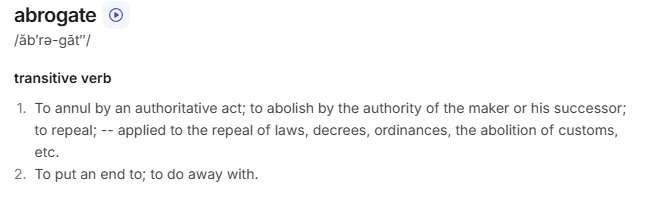
(Abrogated: To annul by an authoritative act; to abolish by the authority of the maker or his successor; To put an end to; to do away with.)
The Law of Moses, given to Israel at Sinai (Exodus 19-20), is no longer the means of salvation:
Fulfilled and Replaced: Jesus fulfilled the Law (Matthew 5:17-18), and His death on the cross abolished it as a system of justification (Colossians 2:14; Ephesians 2:15). Hebrews 10:9 states that Christ “takes away the first [covenant] that He may establish the second.” The Law’s sacrifices and ordinances could not perfect or justify (Hebrews 10:1-4; Galatians 3:10-13).
A Tutor to Christ: Galatians 3:24-25 explains that the Law was a “tutor to bring us to Christ,” but “after faith has come, we are no longer under a tutor.” For Israel, the Law pointed to the Messiah, but since His coming, salvation is through faith in Him, not the Law’s works (Romans 10:4).
Inability to Save: Acts 15:10-11, in the context of Jewish believers, affirms that neither Jews nor Gentiles are saved by the Law, which was a “yoke” they could not bear. Instead, “through the grace of the Lord Jesus Christ we shall be saved.”
Israel’s Salvation Today.
Since Pentecost, Jews (Israel) are saved by:
Hearing and Believing the Gospel: Romans 10:17 says faith comes by hearing the word of Christ. Jews must believe Jesus is the Messiah, as Peter proclaimed to Israel (Acts 2:36).
Repentance and Baptism: Acts 2:38 applies to Jews, as seen in the mass conversions at Pentecost. Baptism in Jesus’ name unites Jews and Gentiles with Christ (Galatians 3:27-29).
Ongoing Faithfulness: Like all believers, Jews must abide in Christ’s doctrine (2 John 1:9) and remain faithful (Hebrews 3:14). The remnant of Israel saved today includes Jews who obey the Gospel, such as the apostles and early disciples (Romans 11:5).
The Remnant and Future Hope.
Romans 11:5 speaks of a “remnant according to the election of grace” among Israel, saved by faith in Christ, as exemplified by Jewish believers in the New Testament (e.g., Acts 21:20). While Romans 11:26 anticipates a future time when “all Israel will be saved,” this does not imply salvation apart from the Gospel. The context (Romans 11:23-27) suggests Israel’s salvation comes through faith in Christ, aligning with the New Covenant promise of Jeremiah 31:31-34, fulfilled in Christ’s blood (Hebrews 8:8-12; Matthew 26:28).
Conclusion.
Since Pentecost, Israel is saved through the Law of Christ—the Gospel—not the Law of Moses, which was fulfilled and abrogated (Hebrews 8:13; Colossians 2:14). The New Covenant, promised in Jeremiah 31:31-34 and established through Christ (Hebrews 8:6), requires Jews to believe in Jesus as Messiah, repent, and be baptized (Acts 2:38; Romans 10:9-13). The remnant of Israel today, like all believers, enters God’s chosen people (1 Peter 2:9) by faith and obedience to the Gospel, fulfilling God’s redemptive plan through the eternal covenant of Christ.
The Kingdom of God (also called the Kingdom of Christ or of Heaven) is not a distant hope but a present reality inaugurated at Pentecost and advancing until Christ’s return. Here are five scriptural proofs that the Kingdom has been established and is operative now.
The Kingdom was Predicted and Came with Power on Pentecost: Jesus declared, “Some standing here will not taste death until they see the kingdom of God come with power” (Mark 9:1, ESV). He tied this power to the Holy Spirit’s arrival (Acts 1:8). On Pentecost, Acts 2:1–4 records the Spirit’s descent with wind, fire, and tongues, fulfilling Joel’s prophecy (Acts 2:16–21). Three thousand were baptized, marking the Kingdom’s (and the church’s) explosive launch (Acts 2:41). This was no mere preview; the Spirit’s outpouring signaled the Kingdom’s arrival, as Peter affirmed Christ’s enthronement (Acts 2:30–36). The Kingdom came with power, not as a future event but a present reality. Christ did not fail to set up His Kingdom and His church.
The Ordinance and Observation of the Lord’s Supper show the Kingdom is a present reality: Jesus promised to drink the cup anew “in the kingdom of God” (Matthew 26:29), and in 1Corinthians 11:20–26, Paul describes the early church regularly partaking of the Lord’s Supper, proclaiming Christ’s death “until He comes.” If the Supper is exclusive to the Kingdom, and believers ate it weekly on the 1st day of the week, the Kingdom must be present. This ordinance isn’t a rehearsal but a participation in Christ’s reign, a Kingdom meal served now, uniting believers with their risen King. Christ did not fail to set up His Kingdom and His church.
Since Pentecost, those that obeyed the Gospel Were and Are Translated into the Kingdom: Colossians 1:13 declares, “He has delivered us from the domain of darkness and transferred us to the kingdom of His beloved Son.” The past tense (“has transferred”) confirms believers are already Kingdom citizens ( cf. Philippians 3:19). Written to living Christians around AD 60, this verse shows the Kingdom isn’t a future destination but a current reality. We’ve been relocated, not to a physical territory but to Christ’s spiritual dominion, where His redemption and forgiveness reign (Col 1:14). Christ did not fail to set up His Kingdom and His church.
The Kingdom came with Power as seen in the Enthronement of Christ: Peter’s Pentecost sermon links Christ’s resurrection to His enthronement on David’s throne (Acts 2:30–36). Ephesians 1:20–22 adds that God seated Christ “far above all rule and authority,” making Him head over all things for the church. A king on the throne means a kingdom in session. Christ’s ascension wasn’t a delay but a coronation, inaugurating His reign over the Kingdom that began at Pentecost and continues now. He will reign until He delivers the kingdom to God when “he hath put all enemies under his feet” 1Cor 15:24-25). Christ did not fail to set up His Kingdom and His church.
We who are in Christ Reign with Him now: Paul writes that Jesus sits on His throne, “Which he wrought in Christ, when he raised him from the dead, and set him at his own right hand in the heavenly places,” (Ephesians 1:20). Then he says, “And hath raised us up together, and made us sit together in heavenly places in Christ Jesus:” (Ephesians 2:6). This present tense language shows the Saints reigning with Christ now. The language of Revelation 1:6 shows our identity as kings and priests now; “And hath made us kings and priests unto God and his Father; to him be glory and dominion for ever and ever.” We reign with Christ when we obey the Gospel of Christ. Christ did not fail to set up His Kingdom and His church.
Since Pentecost, Christ reigns, Satan is bound (Rev 20:2; Matt 12:29), and believers live as Kingdom citizens. This perspective embraces the “already” of Christ’s rule, and rejects any idea that Jesus failed to set up His promised Kingdom and His church. This reality is urging us to live boldly for the King who reigns now.
Christ is: “who is the blessed and only Potentate, the King of kings, and Lord of lords;” (1Timothy 6:15)
Christ did not fail to set up His Kingdom and His church.
Many who claim to follow Jesus assert they “hear God” or “feel the Holy Spirit” guiding them through personal experiences, visions, or inner promptings. While sincerity is commendable, the New Testament instructs believers to test such claims against the inspired Word of God, which alone reveals His will. The Bible warns that not every spirit is from God (1John 4:1), and it provides the sole standard for discerning truth. Today, no one receives divine revelation apart from Scripture, and we must lovingly but firmly guide others to this truth.
The New Testament teaches that God’s revelation was completed through the apostles and prophets. John 20:30-31 declares that the recorded signs of Jesus are sufficient for belief and life in His name. Similarly, 2Timothy 3:16-17 affirms that Scripture is “by inspiration of God” and equips believers for every good work, leaving no need for additional revelation. The apostles, uniquely inspired by the Holy Spirit (John 16:13; Acts 2:4), delivered the faith “once delivered unto the saints” (Jude 3). This completed revelation warns against adding to or subtracting from God’s Word (Revelation 22:18-19).
Claims of hearing God apart from Scripture often lead to confusion, as seen in the conflicting beliefs among denominations. The Bible cautions against deceptive spirits and false prophets (2Corinthians 11:13-15; 1Timothy 4:1). Jesus Himself warned of false christs and prophets who would mislead many (Matthew 24:24). If individuals claim divine guidance that contradicts Scripture or leads to opposing doctrines, such “spirits” fail the test of 1John 4:2-3, which demands alignment with the apostolic testimony about Christ.
The Holy Spirit’s work today is not to provide new revelations but to illuminate the written Word. Jesus promised the Holy Spirit would guide the apostles into all truth (John 16:13), a process fulfilled in the New Testament’s completion. Ephesians 3:3-5 reveals that God’s mystery was made known through apostolic writings, not ongoing personal revelations. Peter underscores that Scripture, inspired by the Spirit, surpasses even eyewitness experiences (2Peter 1:16-21). Thus, any claim of divine communication must be measured against the Bible’s unchanging standard.
To those who feel they “hear God,” we respond with compassion but clarity: God has spoken fully through His Word. Hebrews 1:1-2 contrasts God’s past revelations with His final word in Christ, recorded in Scripture.
Personal feelings, while powerful, are subjective and fallible (Jeremiah 17:9). The Bereans were commended for testing even Paul’s teachings against Scripture (Acts 17:11). We must do the same, trusting that the Bible alone is sufficient to guide us into God’s will (Psalm 119:105). In a world of competing voices, Christians must anchor their faith in the inspired, complete Word of God. By testing every spirit against Scripture, we guard against deception and find the true path to knowing God.
“The heart is deceitful above all things, and desperately wicked: who can know it?” (Jeremiah 17:9)
“I verily thought with myself, that I ought to do many things contrary to the name of Jesus of Nazareth.” (Acts 26:9)
Comfort in Christ: The Biblical Truth About Demons: Bound, Limited, and Not Possessing Us Today.
When people think of demons, their minds often race to Hollywood horror flicks (red-eyed creatures, spinning heads, and sinister voices). But the Bible paints a far less theatrical picture. What do the Scriptures actually say about the origin and limitations of demons? The comforting truth is this: demons, as fallen angels, are bound by God’s authority and no longer possess people today. The scary stuff? That’s the theatrical imaginations of entertainers or false teachers creating pictures running wild in our minds.
The Bible reveals that demons are angels who rebelled against God and fell from their heavenly roles. Revelation 12:7-9 describes a war in heaven where Satan, the dragon, and “his angels” fought against Michael and were “cast out into the earth.” Jude 1:6 speaks of angels who “kept not their first estate” and are now “reserved in everlasting chains under darkness unto the judgment of the great day.” Similarly, 2Peter 2:4 says God “cast them down to hell, and delivered them into chains of darkness, to be reserved unto judgment.” These verses point to demons as fallen angels, once glorious but now defeated and restricted, under God’s sovereign control (see Zech 13:2).
What about their power? The Bible shows demons as limited beings, not the all-powerful terrors of pop culture (Job 1:12, 2:6). In the Gospels, demons cause harm (like the Gerasene man’s possession in Mark 5:1-20) but Jesus casts them out with a word, proving His absolute authority (Matthew 8:16). Demons tremble before God (James 2:19), and their activity in the New Testament is tied to a specific time: Jesus’ earthly ministry (to prove Christ’s identity), when spiritual warfare peaked as He confronted Satan head-on (Luke 10:18). After His resurrection, Jesus declared, “All authority in heaven and on earth has been given to me” (Matthew 28:18). This victory binds Satan and his forces, keeping them from possessing people any longer (Colossians 2:15).
Here’s the comforting part: there’s no biblical evidence that demons possess people today as they did in Jesus’ time. The New Testament epistles, written to guide the early church, focus on resisting temptation and standing firm in faith (Ephesians 6:12; James 4:7), not casting out demons. When Paul did have to cast out demons they fulfilled the same purpose, to identify him as an approved messenger of Christ. “These men are the servants of the most high God, which shew unto us the way of salvation” (Acts 16:17; e.g., 19:15). The idea of possession today often stems from theatrical imaginations like movies, books, and spooky campfire stories that amplify fear. While Ephesians 6:12 mentions “spiritual wickedness,” it’s about their influence in the world, not body-snatching. Believers are sealed by the Holy Spirit (Ephesians 1:13), and 1 John 4:4 assures us, “because greater is he that is in you, than he that is in the world.” Demons can’t override God’s boundaries.
Our fascination with demons often comes from cultural exaggerations, not Scripture. The Bible doesn’t describe them with pitchforks or glowing eyes; that’s medieval art and modern cinema talking. Demons are real but restrained, awaiting final judgment (Matthew 25:41). There’s no need to fear demon possession; we need to trust in Christ’s triumph.
So, let’s set aside the horror movie hype. Demons are fallen angels, bound by God, and they’re no longer free to terrorize us (Satan’s teaching is still with us). Fear not; the victory’s already won!
Comfort in Christ: I aint ‘fraid of no Ghosts. The Ghost of Jacob Marley vs. the Truth of Luke 16:19-31
Charles Dickens’ “A Christmas Carol” paints a vivid picture of Jacob Marley’s ghost returning from the dead to warn Ebenezer Scrooge of his selfish ways, hoping to spare him a grim afterlife. Marley’s clanking chains and desperate plea grip our imaginations, but how does this fictional tale stack up against the truth of God’s Word in Luke 16:19-31, the story of Lazarus and the rich man? The Bible offers a different, more comforting reality for believers: Neither the faithful nor the lost return as ghosts.
In “A Christmas Carol”, Marley’s ghost is a restless spirit, burdened by chains forged from his greed and indifference in life. He returns to haunt Scrooge, warning him to change his ways to avoid eternal torment. The story suggests the dead can cross back to the living (or never cross over to the realm of the dead), intervening to deliver messages of repentance or hope. This makes for a compelling plot, stirring Scrooge to transform, but it leans on a cultural idea of ghosts lingering to settle unfinished business. Marley’s return implies the afterlife allows such spectral visits, with the dead actively influencing the living. This concept has enriched Hollywood with movies like “Ghost” and “The sixth sense.”
Contrast this with Luke 16:19-31, where Jesus tells of Lazarus, a poor man, and a rich man who die. Lazarus rests in peace at Abraham’s side, while the rich man suffers in torment. The rich man begs Abraham to send Lazarus back to warn his brothers, hoping to save them from his fate. Abraham says, “They have Moses and the prophets; let them hear them” (Luke 16:29). When the rich man insists a return from the dead would convince them, Abraham replies, “If they hear not Moses and the prophets, neither will they be persuaded, though one rose from the dead” (Luke 16:31). Unlike Marley, Lazarus doesn’t haunt the earth (nor does the rich man); he’s at rest, and the rich man’s plea for a ghostly messenger is denied. God’s Word, not supernatural visits, is sufficient for guidance. Ironically, a man named Lazarus did come back from the dead, “But the chief priests consulted that they might put Lazarus also to death; Because that by reason of him many of the Jews went away, and believed on Jesus” (John 12:10-11). So also did ANOTHER come back from the dead and it’s HIS WORD that either warns or haunts us today. “He that rejecteth me, and receiveth not my words, hath one that judgeth him: the word that I have spoken, the same shall judge him in the last day” (John 12:48). The message today is the same; if we hear not Christ, neither will we be persuaded, though one rose from the dead.
Marley’s story fuels the idea that the dead roam to fix past wrongs, reflecting a human longing for second chances or closure. But this clashes with Scripture’s truth: the faithful, like Lazarus, are immediately in comfort, not wandering as spirits. Hebrews 9:27 states, “And as it is appointed unto men once to die, but after this the judgment,” with no provision for ghostly returns. For believers, this is a warm comfort; the faithful in Christ aren’t trapped or restless but safe with God.
Dickens’ tale captivates, but it’s fiction. Luke 16:19-31 grounds us in truth: God’s Word guides the living, and the faithful find eternal rest, not a ghostly mission.
agape
Sources:
Holy Bible KJV.
Dickens, Charles. “A Christmas Carol” (1843).
Final Thought: Marley’s ghost makes a great story, but God’s Word assures us there are no ghosts haunting the earth. I aint ‘fraid of no Ghosts.
Look at the world around you; the way the stars hang in perfect balance or how a seed knows to become a towering oak. It’s not chaos; it’s order, governed by natural law, the consistent rules that keep the universe humming. These laws, from gravity’s pull to the intricate code in DNA, don’t just happen, they point to a purposeful intelligent design, a Lawgiver who crafted it all with intention. As a believer in the Bible’s account of a six-day creation, I see this order as evidence of God’s deliberate handiwork, not a cosmic accident.
Natural law is the framework of predictable principles that make life possible. The sun rises on schedule (Jeremiah 31:35-36), seasons shift like clockwork, and the laws of physics keep planets spinning. Romans 1:20 says God’s “eternal power and Godhead” are clear in what He made. The universe’s fine-tuning (like the precise gravitational constant that allows stars to form) is no fluke. Scientists estimate the odds of a life-sustaining universe by chance are 1 in 10^229 (Hugh Ross, The Creator and the Cosmos). That’s not luck; it’s design, echoing Genesis 1, where God spoke order into existence over six days.
Then there’s the moral side of natural law. Humans share a sense of justice, love, and truth across cultures. We see this in the oft asked questions about why is there evil in the world. Without God’s moral law, there is no such thing as good nor evil. Ecclesiastes 3:11 says God “set eternity in their heart,” (ASV) hinting at a universal compass. Psalm 19:1-4 adds that the heavens “declare the glory of God,” revealing Him through their silent order. This moral awareness sets us apart from animals. A lion’s instinct drives it to hunt, not to ponder fairness. Animal instincts are about survival (eat, mate, flee) void of elevated human traits like justice, compassion, or self-sacrifice. A dog might show loyalty, but it doesn’t wrestle with ethical dilemmas or seek meaning. This gap points to a Lawgiver who gave humans a unique moral capacity, reflecting His character.
Skeptics might say natural laws are just “there,” needing no explanation. But why do they exist, and why are they so perfectly balanced? Randomness can’t account for a universe where laws align to support life and human consciousness. It’s like expecting a hurricane to build a skyscraper. The Bible’s account of creation (God forming light, land, and life in Genesis 1) shows a purposeful design, not a cosmic roll of the dice.
Natural law, from the orbits of galaxies to the moral stirrings in our souls, is a testament to a Creator’s wisdom. It’s a quiet invitation to see His fingerprints everywhere. Natural law’s order and humanity’s unique moral spark reveal a Lawgiver who designed the universe and us with purpose and love.
agape
Sources:
Ross, Hugh. The Creator and the Cosmos. Reasons to Believe, 2018.





 Borger church of Christ @ Franklin & Juniper