Evidence for our Faith: The Unique Sacrifice of Christ

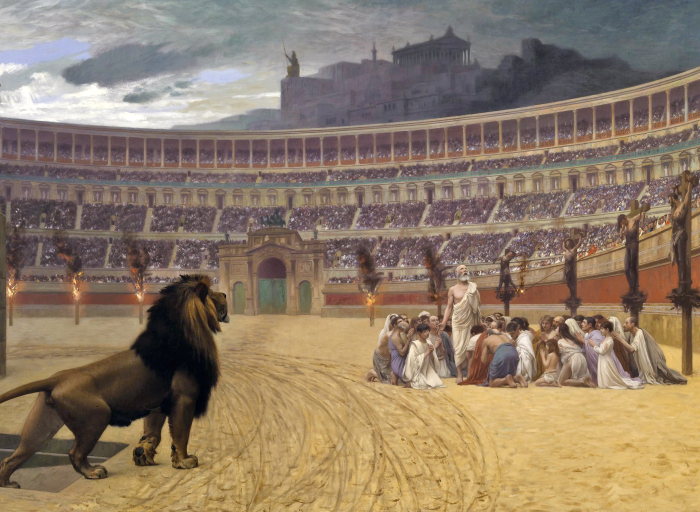
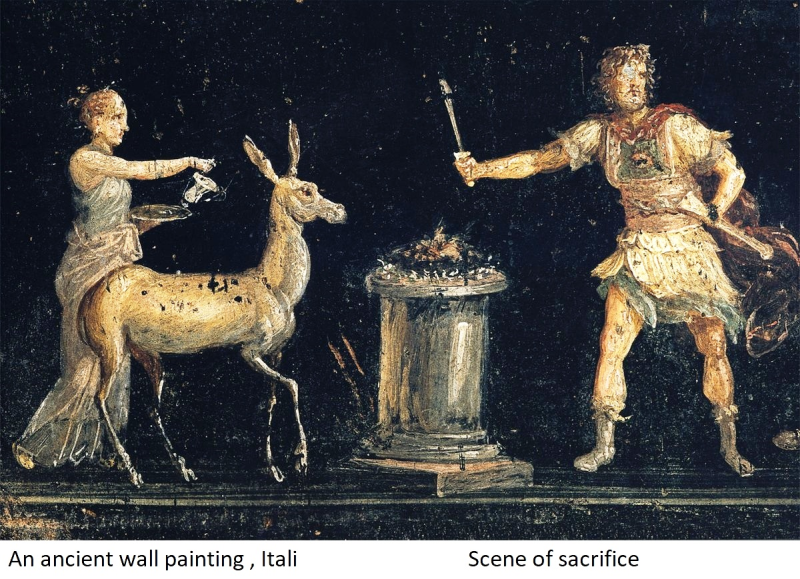
People from all over the world, in different cultures and religions, have practiced some form of sacrifice. Whether it was to please a god, seek forgiveness, or keep some kind of cosmic balance, it’s something humanity has been doing for thousands of years. But when we look at Jesus’ death on the cross, we see something that really stands out from the rest.

What makes it so different? Well, there are three big reasons: it was intentional, it was for everyone, and it was once and for all.

One of the most powerful things about Jesus’ death is that He wasn’t forced into it. In John 10:17-18, He says, “I lay down my life… No one takes it from me, but I lay it down of my own accord.” That’s huge. He didn’t get caught in the wrong place at the wrong time or die just for the sake of being a hero. He chose to die for a purpose.

Now, other traditions talk about noble deaths too. Think of Socrates, the Greek philosopher who drank poison rather than run away from what he believed in (Plato, Apology). That’s admirable, but it was more about personal honor. Similarly, in Hinduism, animal sacrifices in Vedic rituals (Rigveda, 10.91) aim to sustain cosmic order, not to personally bridge a gap between humanity and the divine. Jesus’ death, on the other hand, was meant to bring people back to God. He wasn’t just a martyr, He was both the priest and the sacrifice.

Another thing that makes Jesus’ sacrifice unique is that it wasn’t limited to just one group of people. Hebrews 10:10 says, “We have been made holy through the sacrifice of the body of Jesus Christ once for all.” That means it wasn’t just for the Jews, or for a certain tribe, or people from a certain time, it was for all of us.

Other religions had sacrifices too, but they were often done just for a specific community or to honor a local god. For example, the ancient Israelites had the Day of Atonement once a year, and only the high priest could do it, for Israel. And in some cultures like the Aztecs, sacrifices were made to specific gods in hopes of things like rain or victory in battle (Florentine Codex, Book 2). But Jesus’ sacrifice reached across time, culture, and race. It was global.

Most ancient sacrifices had to be repeated year after year, or even more often. It was never-ending. But Jesus’ death was different. Hebrews 9:26 says He “appeared once for all… to do away with sin by the sacrifice of himself.” That means it was complete. Done. No do-overs needed.

This stands in stark contrast to the cyclical sacrifices of ancient pagan religions, such as Rome’s suovetaurilia (Livy, History of Rome, 1.7), or even Buddhism’s karmic atonements, which rely on ongoing personal effort rather than a singular, completed act.

When you step back and look at the big picture, Jesus’ sacrifice isn’t just a church teaching, it’s something totally unique in all of history. Religious scholar Mircea Eliade, who studied sacrifice across many cultures, found sacrifice everywhere, but nothing quite like what Jesus did.

He wasn’t just another teacher or martyr. He was God in the flesh, choosing to give His life, for everyone, forever. And that’s what makes His sacrifice so different, and so deeply personal for each of us.

Agape,
Evidence for our Faith: External Evidence for Jesus

Whether you’re a believer or just curious, the question of whether Jesus of Nazareth really lived is something that gets people talking. While the Bible gives the main story of His life, it’s not the only place we hear about Him. In fact, several ancient Roman and Jewish writers, people who weren’t Christians, also mentioned Jesus. And what they said actually backs up the Bible in some powerful ways.

One of the best-known Roman historians, Tacitus, wrote about Christians in his work Annals around the year 116 AD. In Book 15, Chapter 44, he talks about how Emperor Nero blamed Christians for a fire in Rome and punished them. He even mentions their founder, “Christus” (Christ), who was executed by Pontius Pilate during the reign of Emperor Tiberius. That lines up perfectly with what we read in Matthew 27:2. What’s especially interesting is that Tacitus wasn’t a fan of Christians at all. He was just reporting what he knew, likely from official Roman records. That makes his words a strong, unbiased confirmation that Jesus really was crucified.

Another Roman writer, Pliny the Younger, gives us a peek into what early Christians were up to. Around the year 112 AD, he wrote a letter to the Emperor Trajan asking how to deal with this growing group of Jesus-followers. He said they worshiped Christ “as a god” and were spreading quickly. This matches what we see in Acts 2:41, where thousands started following Jesus shortly after His resurrection. Pliny wasn’t trying to preach, he was just doing his job as a governor, which makes his report even more valuable.

Then there’s Flavius Josephus, a Jewish historian who lived in the first century. In his book Antiquities of the Jews, he refers to Jesus as a wise man who did amazing things, was crucified by Pilate, and had followers who didn’t give up on Him. This section, called the “Testimonium Flavianum,” has sparked debate because it may have been edited by Christian scribes later on. But most scholars believe the basic facts, like Jesus’ crucifixion, are authentic. It’s a fascinating link to what we see in Mark 15:15.

Even the Babylonian Talmud, a collection of Jewish writings compiled later on, has something to say. In Sanhedrin 43a, it talks about a man named Yeshu who was executed on the eve of Passover for leading people astray. It’s a negative take on Jesus, but oddly enough, it lines up with John 19:14 and Matthew 26:65-66. Even though the tone is critical, it still confirms key parts of the story—Jesus’ existence, His influence, and His death.

So, what do all these sources have in common? They come from people who weren’t trying to promote Christianity. In some cases, they were even hostile to it. And yet, they confirm important details from the Gospels, like Jesus being crucified under Pilate and the rapid rise of His followers.

When you put it all together, these outside voices create a strong picture: Jesus wasn’t just a religious figure made up later. He was a real person who made a real impact—so much so that even His critics couldn’t ignore Him.

Agape,

Evidence for our faith: Scientific Discoveries

Scientific Insights in the Bible Before Their Discovery

The Bible, often seen as a spiritual guide, harbors scientific insights that predate their modern discovery, hinting at a wisdom beyond its ancient writers. While not a scientific treatise, its casual mentions of natural phenomena (later validated by research) present a compelling case for its inspired nature. From lightning’s path to Earth’s form, these glimpses into the physical world challenge assumptions of a purely primitive text.

One remarkable example is the Bible’s reference to lightning’s path. Job 28:26 states, “When He made a law for the rain and a path for the thunderstorm,” while Job 38:25 asks, “Who has divided a channel for the overflowing water, or a path for the lightning of thunder?” Written around 2000 BC, these verses suggest lightning follows a guided route, a concept unknown to ancient meteorology. Not until the 1960s, with advancements in high-speed photography and electrical studies, did scientists like Martin Uman confirm that lightning indeed traces a predictable plasma channel. This discovery, detailed in The Lightning Discharge (1987), aligns with Job’s imagery, predating it by nearly 4,000 years. This example is absolutely compelling; it’s a precise, testable phenomenon described millennia before the tools existed to verify it, making it a standout among biblical insights.

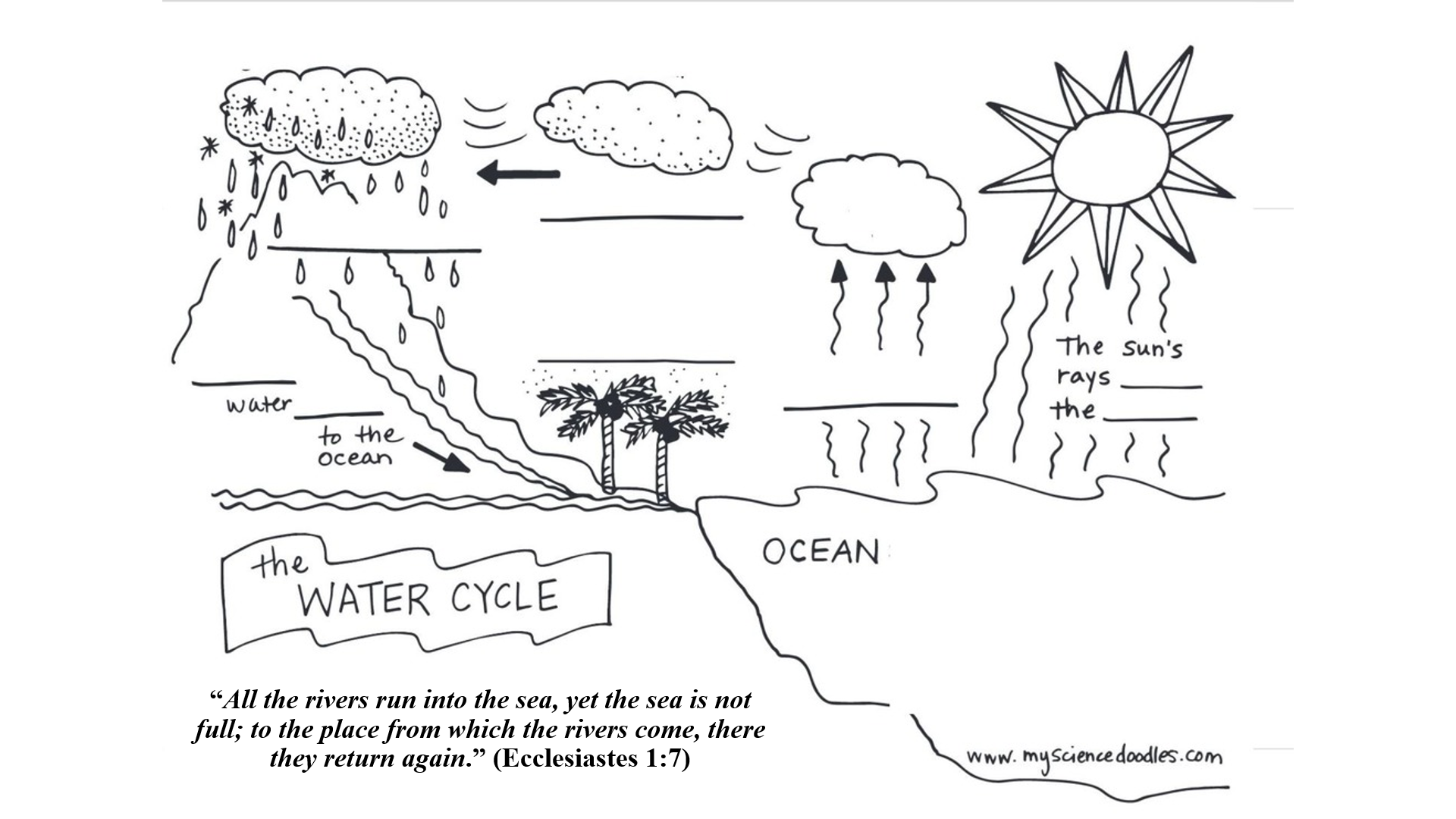
The hydrologic cycle also emerges in Scripture long before its scientific mapping. Ecclesiastes 1:7 observes, “All the rivers run into the sea, yet the sea is not full; to the place from which the rivers come, there they return again.” This encapsulates evaporation and precipitation, a process not formalized until Bernard Palissy’s 16th-century work. Job 36:27-28 reinforces this: “He draws up the drops of water, which distill as rain from the mist,” revealing an understanding absent in contemporary cultures.

Biologically, Leviticus 17:11 declares, “For the life of the flesh is in the blood,” a truth central to modern medicine. Penned circa 1400 BC, it precedes William Harvey’s 1628 circulation discovery by over two millennia. Henry Morris, in The Biblical Basis for Modern Science (1984), argues this reflects knowledge beyond ancient observation, tying blood to vitality in a way science later confirmed.

Cosmologically, Job 26:7 asserts, “He hangs the earth on nothing,” portraying Earth as suspended in space—a view not widely accepted until Copernicus. This contrasts with ancient myths of a supported Earth, aligning with modern astronomy’s findings. John W. Montgomery’s Evidence for Faith (1991) notes such insights suggest a source transcending human limits.

These instances don’t prove divinity but defy coincidence, bridging faith and reason.

Agape

Sources:

Morris, Henry M. The Biblical Basis for Modern Science. Baker Books, 1984.

Montgomery, John W. Evidence for Faith. Probe Books, 1991. Uman, Martin A. The Lightning Discharge. Academic Press, 1987.

Evidence for our Faith: The Manuscript Evidence for the Bible’s Preservation

The Manuscript Evidence for the Bible’s Preservation

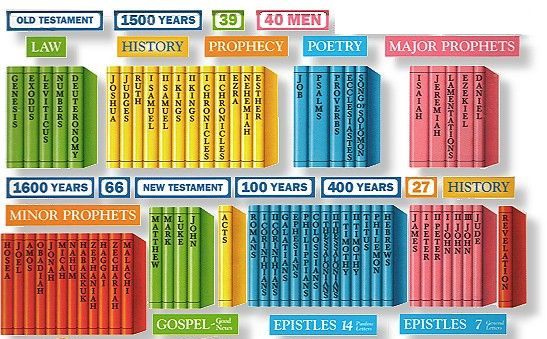
The Bible’s preservation across millennia stands as a testament to its enduring reliability, backed by an unmatched trove of manuscript evidence. With over 5,800 Greek New Testament manuscripts and more than 19,000 in other languages, the Bible dwarfs all other ancient texts in sheer volume. This vast collection, paired with its textual consistency, builds a logical and compelling case that today’s Scriptures faithfully echo their original form.

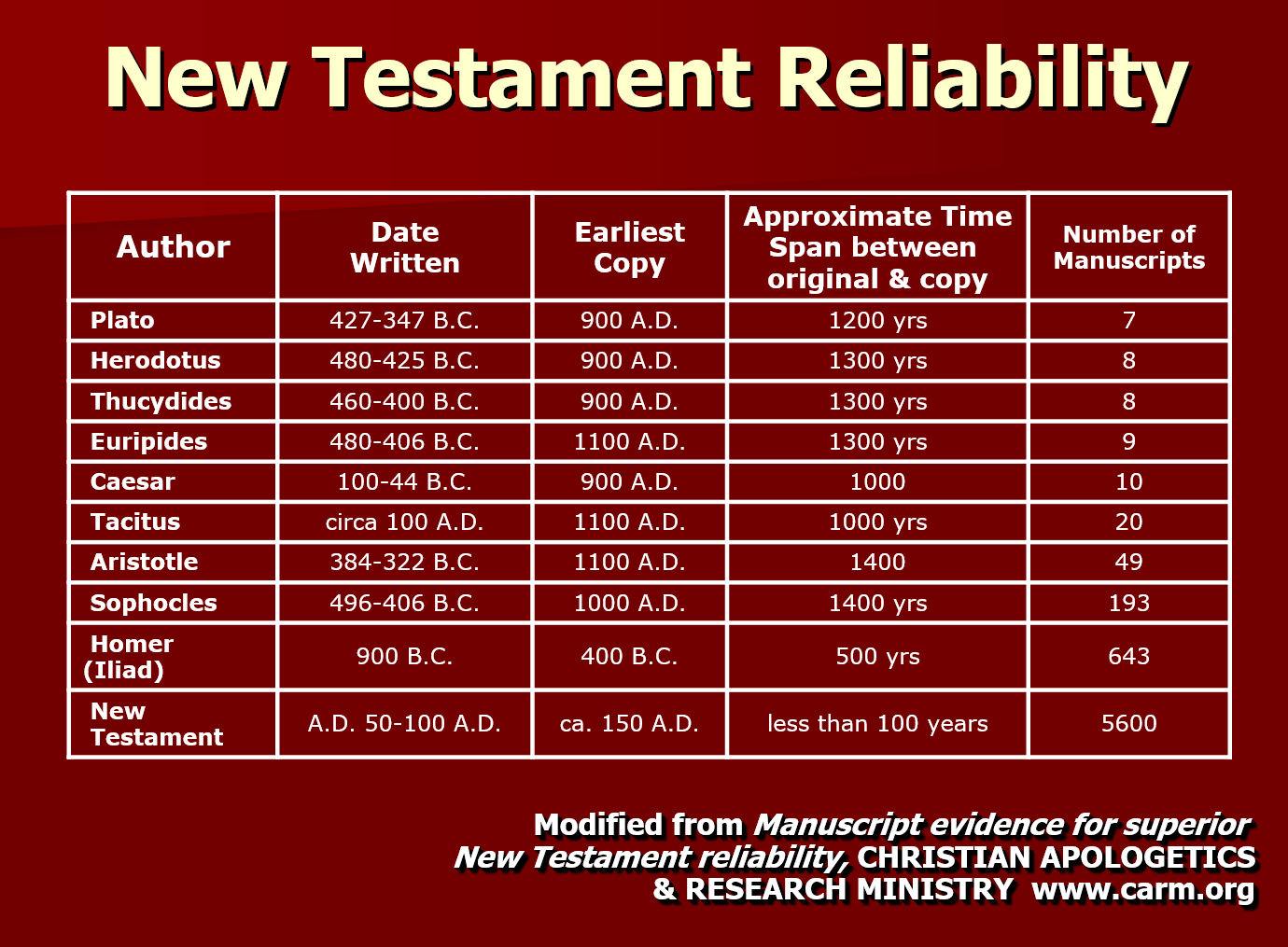
Take the New Testament: The Rylands Papyrus (P52), dated to around AD 125, preserves John 18:31-33, penned just decades after the Gospel’s origin. Contrast this with Caesar’s Gallic Wars, where the earliest copies lag 900 years behind the original, yet face little skepticism. The Bible’s early manuscripts, hundreds before AD 300, shrink the window for distortion. F.F. Bruce, in The New Testament Documents: Are They Reliable? (1943), asserts this abundance yields a text 99.5% accurate, with variants largely trivial (e.g., spelling in John 1:1).

For the Old Testament, the Dead Sea Scrolls, like the Great Isaiah Scroll (1QIsa^a) from 125 BC, showcase precision. Isaiah 7:14, foretelling a virgin birth, aligns almost perfectly with the 10th-century Masoretic Text across 66 chapters. Minor shifts, like phrasing in Isaiah 40:3, leave meaning intact. Daniel B. Wallace’s Revisiting the Corruption of the New Testament (2011) praises the scribes’ meticulousness, reflecting their obedience to Deuteronomy 4:2’s command against altering God’s Word.

This consistency holds across key doctrines. Christ’s divinity (John 1:14), God’s covenant (Genesis 17:7), and salvation through faith and baptism (Acts 2:38, preserved in Codex Vaticanus, 4th century AD) remain unshaken. In Acts 2:38, Peter’s call to “repent and be baptized… for the remission of your sins” mirrors countless manuscripts, showing no doctrinal drift despite centuries of copying. The volume of texts enables rigorous comparison, a privilege rare among ancient works like Homer’s Iliad (643 copies).

Such preservation stems from deliberate effort, not chance. Jewish scribes counted letters per line, while early Christians, under persecution, shared copies widely—Paul even instructed in 1 Thessalonians 5:27, “I charge you by the Lord that this letter be read to all the brethren,” fostering circulation among congregations. This dedication ensured texts endured, as urged in 2 Timothy 2:15 to handle truth diligently. The Codex Sinaiticus (4th century AD) and later Byzantine manuscripts align closely, bridging continents and eras.

Skeptics may doubt miracles, but the manuscript evidence refutes claims of textual unreliability. From desert caves to medieval scriptoriums, the Bible’s words have weathered time, emerging intact. In a sea of ancient literature, Scripture stands as a rock—its message preserved not by chance, but by a legacy of care that echoes its own call to endure.

Agape

Sources:
Bruce, F.F. The New Testament Documents: Are They Reliable? Eerdmans, 1943.
Wallace, Daniel B. Revisiting the Corruption of the New Testament. Kregel Academic, 2011.

Evidence for our Faith: The Dead Sea Scrolls: Evidence for the Bible’s Reliability

The discovery of the Dead Sea Scrolls in 1947 ranks among the most significant archaeological finds in history, offering a profound window into the reliability of the Bible. Hidden in caves near Qumran, these ancient manuscripts, dating from the 3rd century BC to the 1st century AD, include fragments of nearly every Old Testament book. Their remarkable preservation and textual consistency with later biblical manuscripts provide compelling evidence that the Scriptures we read today faithfully reflect their ancient origins.

One of the most striking finds is the Great Isaiah Scroll (1QIsa^a), a nearly complete copy of the Book of Isaiah dating to around 125 BC. When compared to the Masoretic Text, the standard Hebrew Bible from the 10th century AD, the scroll shows astonishing fidelity. For instance, Isaiah 53, a messianic prophecy central to both Jewish and Christian theology (Isaiah 53:5-6), differs only in minor spelling or stylistic variations—none altering the meaning. This consistency across a millennium demonstrates that scribes meticulously preserved the text, countering claims of rampant corruption over time.

The scrolls also include fragments of Deuteronomy, such as 4QDeut^j, which preserves Deuteronomy 32:43. This passage, part of Moses’ song, aligns closely with the Septuagint (Greek translation) suggesting a textual tradition predating later standardization. Yet, its core message—God’s covenant with Israel—remains intact, as seen in Deuteronomy 32:8-9. Such findings reveal a diversity of ancient texts but affirm their essential unity, reinforcing the Bible’s reliability as a transmitted document.

Beyond specific books, the scrolls reflect a broader cultural and religious context matching biblical accounts. The Community Rule (1QS) and other sectarian writings echo the ascetic lifestyle of groups like the Essenes, resonating with descriptions of John the Baptist’s wilderness ministry (Matthew 3:1-4). While not direct proof of New Testament events, this alignment anchors the biblical world in historical reality, showing that its narratives were not invented centuries later.

Critics once argued that the Bible’s text evolved significantly over time, but the Dead Sea Scrolls challenge that notion. Scholarly analysis, such as Millar Burrows’ The Dead Sea Scrolls (1955), notes that discrepancies are minimal—often mere scribal errors—while Frank Moore Cross’s The Ancient Library of Qumran (1995) highlights the scrolls’ role in tracing textual transmission. These manuscripts predate the Masoretic Text by over a thousand years, yet their agreement is uncanny, suggesting a disciplined copying tradition rooted in reverence for the Word.

The Dead Sea Scrolls do not prove every biblical claim, but they powerfully affirm the Old Testament’s textual integrity. They bridge centuries, showing that what was written in antiquity endures today with remarkable accuracy. In an age of skepticism, these fragile fragments whisper a timeless truth: the Bible’s words have been guarded through the ages, as if etched in stone and sealed in clay.

Agape

Sources:
Burrows, Millar. The Dead Sea Scrolls. Viking Press, 1955.
Cross, Frank Moore. The Ancient Library of Qumran. Sheffield Academic Press, 1995.

Evidence for our faith: Historical Accuracy of the Bible

The Bible’s Historical Accuracy: Archaeology and Scripture

The historical accuracy of the Bible has long been debated, yet archaeological discoveries consistently affirm its reliability as a historical document. Far from being a mere collection of spiritual tales, the Bible contains detailed accounts of people, places, and events that align with evidence unearthed by modern archaeology. This interplay between Scripture and science offers a compelling case for the Bible’s trustworthiness, bridging faith and reason in a unique way.

One striking example is the discovery of the Hittites, a once-obscure people mentioned over 50 times in the Old Testament (e.g., Genesis 15:20, 2 Chronicles 1:17). For centuries, skeptics dismissed the Hittites as fictional, as no evidence of their existence appeared in known ancient records. However, in 1906, German archaeologist Hugo Winckler excavated Hattusa, the Hittite capital, in modern-day Turkey. Tablets and ruins revealed a sophisticated Bronze Age civilization that matched biblical descriptions, including their interactions with Abraham’s descendants (Genesis 23:10). This find silenced doubters and showcased the Bible’s precision in recording historical peoples.

Similarly, the Pool of Bethesda, described in John 5:2 as having “five porches,” was long questioned by critics who argued no such structure existed in Jerusalem. Excavations in the 19th century, however, uncovered a twin-pool complex with five porticoes, precisely as Scripture depicted. This discovery, detailed by archaeologist Conrad Schick, not only confirmed the Gospel’s topographic accuracy but also its cultural context, as the site was linked to healing practices consistent with the narrative of John 5:7-9.

The Tel Dan Stele, unearthed in 1993 in northern Israel, provides another powerful corroboration. This 9th-century BC inscription references the “House of David,” marking the first extra-biblical mention of King David, a central figure in Scripture (2 Samuel 5:11). Critics had previously argued David was a myth, akin to King Arthur, but this basalt fragment, discovered by archaeologist Avraham Biran, aligns with the biblical timeline and dynasty, lending credibility to the historicity of Israel’s monarchy as recorded in 1 and 2 Kings.

Even the New Testament finds support in archaeology. The Pilate Stone, discovered in 1961 at Caesarea Maritima by Italian archaeologist Antonio Frova, bears the name and title of Pontius Pilate, the Roman prefect who sentenced Jesus to death (Matthew 27:24). This limestone block, dated to AD 26-36, matches the biblical timeframe and refutes claims that Pilate was a fabricated character. Such finds anchor the Gospel narratives in verifiable history.

These examples, spanning countries, centuries, and both Testaments, demonstrate a pattern: the Bible’s details, once dismissed as implausible, are repeatedly vindicated by the spade of the archaeologist. While not every verse has been archaeologically confirmed, the cumulative weight of evidence challenges the notion that Scripture is detached from reality. Sources like The Archaeology of the Bible by James K. Hoffmeier (2008) and Biblical Archaeology Review underscore this growing alignment.

Agape

Evidence for our faith: The Empty Tomb

The Empty Tomb: Historical Evidence and Explanations

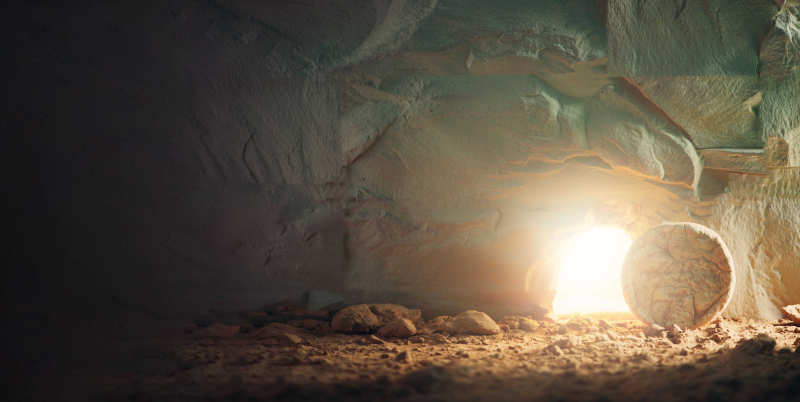
The empty tomb of Jesus Christ stands as one of the most compelling pieces of historical evidence supporting His resurrection, defying naturalistic explanations and aligning with the transformative impact of early Christianity. Recorded in all four Gospels (Matthew 28:1-10, Mark 16:1-8, Luke 24:1-12, John 20:1-18), the tomb’s vacancy is more than a theological claim but a historical puzzle that demands a logical resolution.

First, the empty tomb is a widely attested fact, even by Jesus’ opponents. The Gospel of Matthew notes that the Jewish leaders bribed guards to claim the disciples stole the body (Matthew 28:11-15), implicitly conceding the tomb was empty. This early counter-narrative, preserved in a text dated to within decades of the event, suggests the vacancy was undeniable—otherwise, producing the body would have silenced the resurrection claim. Historian N.T. Wright, in The Resurrection of the Son of God (2003), argues that this admission from hostile sources strengthens the case, as it reflects a historical reality too stubborn to dismiss.

Second, alternative explanations falter under scrutiny. The “stolen body” theory lacks plausibility: the disciples, described as terrified post-crucifixion (John 20:19), were unlikely to overpower Roman guards, risking death for a corpse. The Roman seal and guard presence (Matthew 27:62-66) further complicate this scenario—failure to secure the tomb would have cost the soldiers their lives. The “wrong tomb” hypothesis also fails; the burial site, owned by Joseph of Arimathea, a known figure (Mark 15:43), was no obscure location. Women witnesses, the first to report the empty tomb (Luke 24:1-3), would have ensured accuracy, as their testimony—unexpected in a patriarchal culture—adds credibility, per historian Michael Licona in The Resurrection of Jesus (2010).

Third, the empty tomb’s implications align with historical outcomes. If Jesus’ body remained, the Jewish or Roman authorities, with every motive to crush Christianity, could have displayed it to end the movement. Instead, Christianity exploded, with Paul citing over 500 witnesses to the risen Christ (1 Corinthians 15:3-8), a claim circulated early enough to be verified. The transformation of disciples into bold proclaimers (Acts 2:14-36) and the conversion of skeptics like Paul (Acts 9:1-19) hinge on an event—the resurrection—tied to that empty tomb. Archaeologically, no rival tomb has ever surfaced, despite Jerusalem’s significance.

Finally, the cultural context bolsters the argument. Jewish theology expected a general resurrection at history’s end, not an individual rising (Daniel 12:2). The claim of Jesus’ resurrection, centered on an empty tomb, was radical yet gained traction, suggesting an extraordinary event shifted expectations. As scholar Gary Habermas notes in The Case for the Resurrection of Jesus (2004), the tomb’s emptiness, paired with appearances, best explains this shift. The empty tomb stands as a historical anchor—unrefuted by foes, unexplainable by skeptics, and unshaken by time. No body was found because no body remained; the tomb’s silence screams resurrection.

Agape

Evidence for our Faith: Logical evidence for the Resurrection of Christ

Logical Evidence for the Resurrection of Christ

The resurrection of Jesus Christ, as recounted in the New Testament, is a cornerstone of Christian faith, yet its historical plausibility rests on compelling logical evidence that withstands scrutiny. Unlike myths or fabrications, the resurrection narrative is supported by the rapid transformation of disciples, the empty tomb, and the inability of contemporary authorities to disprove it—details that align with human behavior, historical context, and rational inference. When examined alongside biblical accounts and extra-biblical corroboration, these elements form a persuasive case for its occurrence.

First, the dramatic shift in the disciples’ behavior provides strong circumstantial evidence. Before Jesus’ crucifixion, they were fearful and scattered—Peter denying him thrice (John 18:17-27) and others fleeing (Matthew 26:56). Yet, post-resurrection, these same men boldly proclaimed his rising, risking death (Acts 4:19-20). Psychologist J.P. Moreland (Scaling the Secular City, 1987) argues that such a psychological reversal, from despair to unwavering conviction, demands an extraordinary catalyst. The resurrection appearances (1 Corinthians 15:5-8) offer a logical explanation, as no mere hallucination or fraud could sustain their lifelong commitment, evidenced by martyrdoms like Peter’s (Eusebius, Ecclesiastical History, 2.25).

Second, the empty tomb stands as a physical anchor for the resurrection claim. All four Gospels (Matthew 28:6, Mark 16:6, Luke 24:3, John 20:6-7) report the tomb vacant, a detail corroborated by the inability of Jewish and Roman authorities to produce Jesus’ body despite their incentive to quash the nascent Christian movement. Historian Gary Habermas (The Case for the Resurrection of Jesus, 2004) notes that the Sanhedrin’s accusation of body theft by disciples (Matthew 28:13) implicitly concedes the tomb was empty. Logically, if the body remained, displaying it would have been the simplest rebuttal, yet no such counterevidence emerged—a silence that speaks volumes.

Third, the rapid rise and spread of Christianity in a hostile environment defy naturalistic explanations. Within decades, a movement rooted in a crucified leader—deemed a failure by Roman and Jewish standards—flourished, as attested by Tacitus (Annals, 15.44) and Pliny the Younger (Letters, 10.96). The resurrection provided the ideological fuel, transforming a shameful death into a triumph (1 Corinthians 15:54-55). Sociologist Rodney Stark (The Rise of Christianity, 1996) calculates that Christianity grew at 40% per decade, a rate inexplicable without a galvanizing event like the resurrection, which offered hope and empirical testimony (Acts 2:32).

Critics propose alternatives—swoon theory, theft, or mass hallucination—but these falter under scrutiny. A half-dead Jesus (swoon) couldn’t inspire worship, theft lacks motive given the disciples’ initial disbelief (Luke 24:11), and hallucinations don’t align with group encounters over 40 days (Acts 1:3). The Journal of the American Academy of Religion (Vol. 74, 2006) notes that the resurrection hypothesis best accounts for the data’s coherence.

The resurrection’s logical strength lies in its explanatory power—uniting transformed lives, an empty grave, and a movement’s improbable rise into a singular, rational narrative. Jesus didn’t just defy death; he redefined history, leaving evidence too robust to dismiss.

Agape,

spencer

Evidence for our faith: conversion of Skeptics

Skeptics Turned Believers

The resurrection of Jesus Christ stands as a pivotal claim of Christianity, and its credibility is bolstered by the transformations of skeptics like Simon Greenleaf and Frank Morison, who, through rigorous examination of evidence, became convinced of its truth. These non-biblical figures—initially doubters—offer compelling, logical arguments rooted in historical and legal scrutiny, making their conclusions a powerful case for the resurrection.

Simon Greenleaf, a 19th-century Harvard law professor and co-founder of its law school, was a skeptic of Christianity. Known for his work A Treatise on the Law of Evidence, Greenleaf applied legal standards to the Gospel accounts. He argued that the testimonies of Matthew, Mark, Luke, and John (e.g., Matthew 28:1-10, John 20:1-18) hold up as credible eyewitness reports. In his book The Testimony of the Evangelists (1874), Greenleaf noted the consistency of the resurrection narratives despite minor variations, a hallmark of authentic, uncoached testimony. He emphasized that the disciples’ willingness to die for their claims, as tradition records (e.g., Peter’s crucifixion), defies the behavior of liars protecting a hoax. Greenleaf concluded that the resurrection met the burden of proof beyond reasonable doubt, converting him from skeptic to believer.

Similarly, Frank Morison, a 20th-century British journalist, set out to disprove the resurrection in his book Who Moved the Stone? (1930). Initially viewing the story as myth, Morison approached it with a detective’s mindset, analyzing historical context and psychological plausibility. He found the empty tomb (Matthew 28:11-15) particularly persuasive—Roman and Jewish authorities, with every incentive to produce Jesus’ body, failed to do so. Morison also grappled with the transformation of the disciples, from despairing cowards (John 20:19) to bold proclaimers (Acts 2:14-36), a shift he deemed inexplicable without a real event. The sudden conversion of Paul, a former persecutor (Acts 9:1-19), further convinced Morison that only a tangible encounter with the risen Christ could account for such a reversal. His investigation led him to faith.

Both men highlight the resurrection’s evidential strength outside biblical bias. Greenleaf’s legal lens underscores the reliability of the Gospel witnesses, while Morison’s historical probe reveals the improbability of alternative explanations (like theft or hallucination) given the cultural and political pressures of the time. The rapid spread of Christianity, despite persecution, aligns with their findings: a fabricated tale wouldn’t inspire such conviction. Paul’s own testimony in 1 Corinthians 15:3-8, listing over 500 witnesses, adds weight, as Greenleaf and Morison noted its early circulation, too soon for legend to distort fact.

These skeptics-turned-believers demonstrate that the resurrection withstands intellectual scrutiny. Their journeys from doubt to conviction rest on evidence (eyewitness accounts, an empty tomb, and transformed lives) that defies dismissal.

Agape

spencer

Evidence for our Faith: The Spread of Christianity Despite Persecution

A Logical Case for Jesus’ Resurrection

The rapid spread of Christianity in its early years, despite relentless persecution, offers a compelling and logical argument for the resurrection of Jesus Christ. In the first century, followers of Jesus faced hostility from both Jewish authorities and the Roman Empire, yet their movement not only survived but flourished. This phenomenon defies natural explanation unless the resurrection, a transformative event, provided the catalyst for such resilience and growth.

First, consider the historical context. Early Christians endured brutal persecution, including detention, affliction, and execution. The Roman historian Tacitus records that under Emperor Nero, Christians were blamed for the Great Fire of Rome in 64 AD and subjected to horrific deaths (Tacitus, Annals 15.44). Despite this, Christianity grew from a small sect in Judea to a dominant force across the empire within three centuries. Sociologically, movements based on fabricated claims typically collapse under such pressure, as followers abandon a cause that offers no tangible reward. Yet, the unwavering commitment of Jesus’ disciples suggests they witnessed something extraordinary—something worth dying for.

This leads to the second point: the transformation of the disciples. The New Testament describes them as fearful and scattered after Jesus’ crucifixion (John 20:19), yet post-resurrection, they boldly proclaimed His rising, even at the cost of their lives. Peter, who denied Jesus three times (Luke 22:54-62), later preached fearlessly in Jerusalem (Acts 2:14-36). Tradition holds that most disciples faced martyrdom—Peter crucified upside-down, James beheaded—yet none recanted their testimony. Psychologically, people do not die for a known lie. The resurrection, as recorded in all four Gospels (Matthew 28:1-10, Mark 16:1-8, Luke 24:1-12, John 20:1-18), provides a logical explanation: they saw the risen Christ.

Third, the conversion of skeptics like Paul strengthens the case. Initially a persecutor of Christians (Acts 8:1-3), Paul’s dramatic turnaround after encountering the risen Jesus on the road to Damascus (Acts 9:1-19) turned him into the faith’s greatest missionary. His epistles, such as 1 Corinthians 15:3-8, affirm the resurrection as a historical event witnessed by over 500 people. Paul’s shift from enemy to advocate, risking death himself (2 Corinthians 11:23-27), underscores the event’s credibility. A fabricated story would hardly sway a hostile intellectual like Paul without overwhelming evidence.

Finally, the empty tomb, acknowledged even by Jesus’ opponents (Matthew 28:11-15), poses a challenge. If the body remained, producing it would have crushed the movement. Instead, the claim of resurrection fueled Christianity’s expansion, despite every effort to suppress it. The Jewish and Roman authorities, with motive and means to disprove it, could not.

The spread of Christianity under persecution defies logic unless anchored in a real event. The resurrection, attested by transformed lives, historical records, and an empty tomb, emerges as the most reasonable explanation. In a world bent on silencing them, early Christians didn’t just survive—they thrived, because a dead man walked out of His grave.

Agape
Spencer

Sources:
Morris, Henry M. The Biblical Basis for Modern Science. Baker Books, 1984.
Montgomery, John W. Evidence for Faith. Probe Books, 1991.
Uman, Martin A. The Lightning Discharge. Academic Press, 1987.