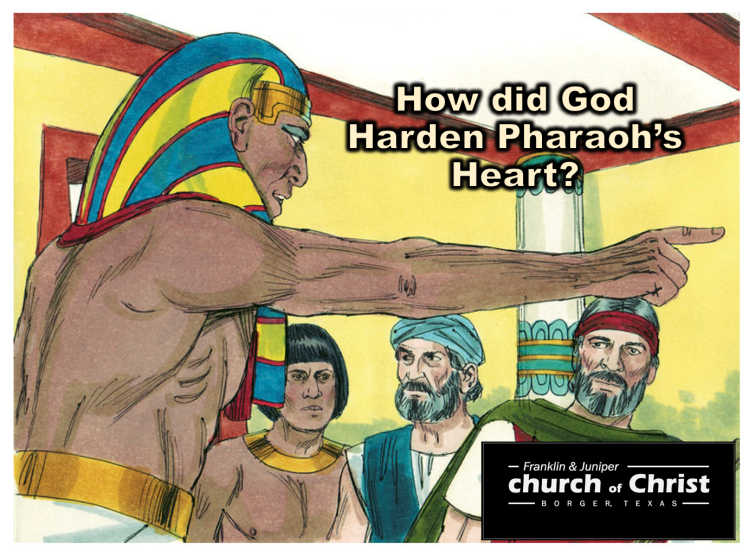
What Do I Say When They Say; God Hardened Pharaoh’s Heart?

God Hardened Pharaoh’s Heart
For the Scripture says to Pharaoh, “For this very purpose I have raised you up, that I may show My power in you, and that My name may be declared in all the earth.” (Rom 9:17)

This objection sounds like this; Calvinists might say that Pharaoh’s hardening is evidence of predestination separate from free will:

“God hardened Pharaoh’s heart to display His sovereign power, showing that human will is subject to His eternal decree.”

“Pharaoh’s hardening proves that God chooses whom to have mercy on and whom to harden, independent of human action.”

“God raised Pharaoh up to be a vessel of wrath, predestined to resist Him, to magnify divine glory.”

“Pharaoh had no free will to resist God’s hardening, as his rebellion was ordained to serve God’s redemptive plan.”

At the end of the day, this error makes God out to be a monster, and that He is a respecter of persons. “Then Peter opened his mouth, and said, Of a truth I perceive that God is no respecter of persons.” (Acts 9:34)

How can we answer this objection?
We Harden Our Own Hearts

The Bible repeatedly warns against hardening our hearts, emphasizing that this is a choice we make by disregarding God’s word. Hebrews 3:15 urges, “To day if ye will hear his voice, harden not your hearts, as in the provocation.” Similarly, Hebrews 4:7 echoes, “To day, after so long a time; as it is said, To day if ye will hear his voice, harden not your hearts.” These verses, rooted in Psalm 95:7–8, recall Israel’s rebellion in the wilderness, where they hardened their hearts by refusing to trust God. Proverbs 28:14 warns, “He that hardeneth his heart shall fall into mischief,” while Zechariah 7:12 describes those who “made their hearts as an adamant stone, lest they should hear the law.” When we ignore God, we actively choose to harden our hearts, shutting out God’s truth. The responsibility lies with us, not with God overriding our will.

God Allows Rebellion to Accomplish His Purpose
God permitted Pharaoh to exalt himself in pride, using his defiance to demonstrate His power. Exodus 7:3–5 declares, “I will harden Pharaoh’s heart, and multiply my signs… that the Egyptians may know that I am the Lord.” Similarly, Exodus 10:1–2 explains that God hardened Pharaoh’s heart “that ye may tell in the hearing of thy son… what I have wrought in Egypt.” Exodus 14:4 adds, “I will harden Pharaoh’s heart, and he will pursue them, and I will get glory over Pharaoh.” This purpose is echoed in Romans 9:17: “For the scripture saith unto Pharaoh, Even for this same purpose have I raised thee up, that I might shew my power in thee.” Like Judas, chosen yet betraying Jesus (John 6:70–71: “Have not I chosen you twelve, and one of you is a devil?”), Pharaoh’s rebellion serves God’s plan without excusing his guilt. God allows human pride to run its course, turning it to His glory.

Rebellion Is to Harden Our Own Heart
Pharaoh’s story vividly illustrates this truth. In Exodus 5:2, he defiantly declares, “Who is the Lord, that I should obey his voice and let Israel go? I do not know the Lord.” This rejection of God’s authority marks the beginning of his heart’s hardening. The Bible shows Pharaoh repeatedly choosing to disregard God’s word through Moses. In Exodus 7:13, after Aaron’s staff becomes a serpent, “Pharaoh’s heart was hardened, and he did not listen to them.” Again, in Exodus 8:15, after the plague of frogs, “he hardened his heart and would not listen to them.” These passages highlight Pharaoh’s active role in hardening his heart by failing to regard God’s signs and commands.

Yet, God’s sovereignty is also at work. Exodus 4:21 states, “I will harden his heart, so that he will not let the people go,” and Exodus 9:12 confirms, “The Lord hardened the heart of Pharaoh.” Does this mean God forced Pharaoh to sin? No. The text consistently shows Pharaoh’s rebellion preceding God’s hardening, as in Exodus 9:27, where Pharaoh admits, “I have sinned this time: the Lord is righteous, and I and my people are in the wrong.” God does not cause Pharaoh’s sin but uses his rebellion to fulfill divine purposes, as Exodus 10:1 explains: “I have hardened his heart… that I may show these signs of mine among them.” Pharaoh remains accountable for his choices, while God sovereignly works through them.

“The Devil Made Me Do It”?
Some might claim, like the old saying, “The devil made me do it,” to shift blame for their sin. But Scripture places responsibility squarely on us. Pharaoh’s pride in Exodus 5:2 mirrors the rebellion of Israel in Judges 17:6 and 21:25: “Every man did that which was right in his own eyes.” This self-rule leads to a hardened heart. James 1:14–15 clarifies, “Every man is tempted, when he is drawn away of his own lust… when lust hath conceived, it bringeth forth sin.” Our deceitful hearts (Jeremiah 17:9: “The heart is deceitful above all things”) and evil thoughts (Mark 7:21–22: “From within, out of the heart of men, proceed evil thoughts… pride”) drive rebellion, not God or the devil. Like Pharaoh, we harden our hearts when we prioritize our own desires over God’s truth.

We are to Soften Our Hearts by God’s word.
The hardening of Pharaoh’s heart teaches us a profound lesson: We harden our hearts by disregarding God’s word, but God uses even our rebellion to fulfill His purposes. The Bible warns us to choose differently. Hebrews 3:15 pleads, “To day if ye will hear his voice, harden not your hearts.” Unlike Pharaoh, who persisted in pride, we must repent and seek a soft heart, as David prayed in Psalm 51:10: “Create in me a clean heart, O God.” Have you ignored God’s voice through Scripture? Choose to obey, for the responsibility to heed the Gospel call is ours.

Agape

Evidence for our Faith: The Dead Sea Scrolls: Evidence for the Bible’s Reliability

The discovery of the Dead Sea Scrolls in 1947 ranks among the most significant archaeological finds in history, offering a profound window into the reliability of the Bible. Hidden in caves near Qumran, these ancient manuscripts, dating from the 3rd century BC to the 1st century AD, include fragments of nearly every Old Testament book. Their remarkable preservation and textual consistency with later biblical manuscripts provide compelling evidence that the Scriptures we read today faithfully reflect their ancient origins.

One of the most striking finds is the Great Isaiah Scroll (1QIsa^a), a nearly complete copy of the Book of Isaiah dating to around 125 BC. When compared to the Masoretic Text, the standard Hebrew Bible from the 10th century AD, the scroll shows astonishing fidelity. For instance, Isaiah 53, a messianic prophecy central to both Jewish and Christian theology (Isaiah 53:5-6), differs only in minor spelling or stylistic variations—none altering the meaning. This consistency across a millennium demonstrates that scribes meticulously preserved the text, countering claims of rampant corruption over time.

The scrolls also include fragments of Deuteronomy, such as 4QDeut^j, which preserves Deuteronomy 32:43. This passage, part of Moses’ song, aligns closely with the Septuagint (Greek translation) suggesting a textual tradition predating later standardization. Yet, its core message—God’s covenant with Israel—remains intact, as seen in Deuteronomy 32:8-9. Such findings reveal a diversity of ancient texts but affirm their essential unity, reinforcing the Bible’s reliability as a transmitted document.

Beyond specific books, the scrolls reflect a broader cultural and religious context matching biblical accounts. The Community Rule (1QS) and other sectarian writings echo the ascetic lifestyle of groups like the Essenes, resonating with descriptions of John the Baptist’s wilderness ministry (Matthew 3:1-4). While not direct proof of New Testament events, this alignment anchors the biblical world in historical reality, showing that its narratives were not invented centuries later.

Critics once argued that the Bible’s text evolved significantly over time, but the Dead Sea Scrolls challenge that notion. Scholarly analysis, such as Millar Burrows’ The Dead Sea Scrolls (1955), notes that discrepancies are minimal—often mere scribal errors—while Frank Moore Cross’s The Ancient Library of Qumran (1995) highlights the scrolls’ role in tracing textual transmission. These manuscripts predate the Masoretic Text by over a thousand years, yet their agreement is uncanny, suggesting a disciplined copying tradition rooted in reverence for the Word.

The Dead Sea Scrolls do not prove every biblical claim, but they powerfully affirm the Old Testament’s textual integrity. They bridge centuries, showing that what was written in antiquity endures today with remarkable accuracy. In an age of skepticism, these fragile fragments whisper a timeless truth: the Bible’s words have been guarded through the ages, as if etched in stone and sealed in clay.

Agape

Sources:
Burrows, Millar. The Dead Sea Scrolls. Viking Press, 1955.
Cross, Frank Moore. The Ancient Library of Qumran. Sheffield Academic Press, 1995.

10 Things a Child of God Can Do

Things Children of God Can Do:

1. Fall from grace – Gal. 5:1-4,13

2. Be led away with error – 2 Pet. 3:17

3. Err from the truth – James 5:19-20

4. Weak brother may perish – 1 Cor. 8:11

5. Fall into condemnation – James 5:12

6. Be moved away from the hope – Col. 1:21-23

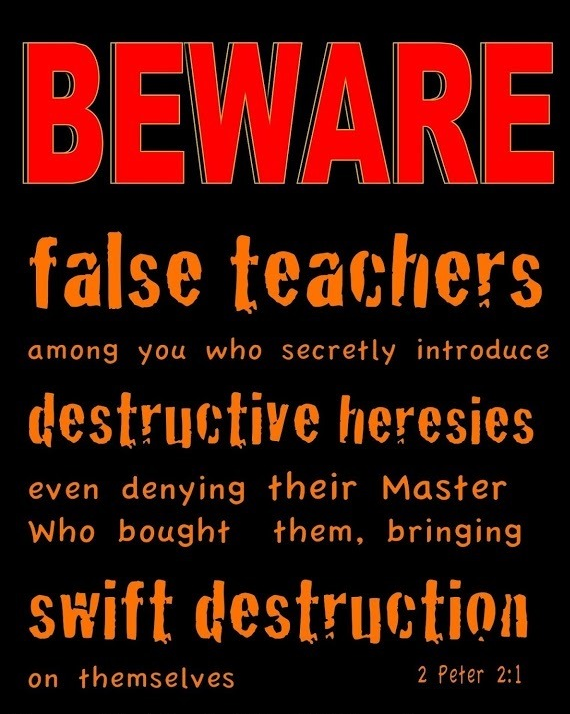
7. Deny the Lord who bought them – 2 Pet. 2:1

8. Depart from the living God – Heb. 3:12

9. Can be a castaway – 1 Cor. 9:27

10. Can become accursed children – 2 Pet. 2:14

Other scriptural arguments that refute “Eternal Security”

A. The fact the Bible exhorts to faithfulness proves one can be lost
be steadfast immovable
: 1 Cor 15:58
If these qualities are yours…2 Pe 1:5-11
we will reap if we do not grow weary: Gal 6:9
be faithful unto death and I will give crown of life: Rev 2:10
practice these things and God will be with you: Phil 4:9

B. Man has a free will: Josh 24:15 to argue otherwise is nonsense and is a veiled form of existentialism

C. The Bible clearly prophesied some would fall away: Acts 20:28; 1 Ti 4:1

D. Christians are to restore the fallen: Gal 6:1; Jas 5:19-20

How to be saved according to the Bible

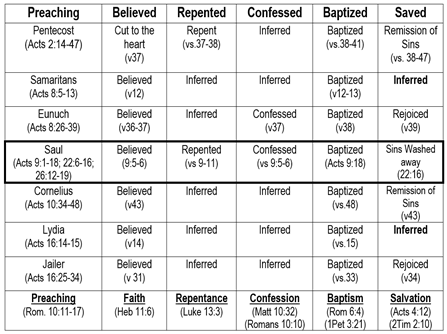
People often appeal to single passages on how to be saved, but ignore an entire book in the New Testament that shows people going from a lost condition to being saved. That book is called ACTS. It contains the founding of the church of Christ at Pentecost, and the conversion of the lost to salvation in Christ Jesus.

1. The first of these conversions happened on the notable day of Pentecost when the church was established. The text (Acts 2:14) shows that they had the Gospel preached to them; they heard (vv. 36-37); they repented of their sins (v. 38); and they were baptized into Christ (v. 38). The result was that they had their sins washed away. 

2. In Acts 8:4-5, Phillip preached to the people of Samaria; they heard (v. 6); they were baptized (v. 12).

3. Phillip also preached to Simon (Acts 8:4-5); he heard the Gospel (v. 6); he was baptized (v. 13).

4. Phillip preached to the Eunuch (Acts 8:35-39); he made the good confession (v. 37); he was baptized (v. 38) and rejoiced in the forgiveness of his sins (v. 39).

5. Ananias preached to Saul, later called Paul (Acts 9:17); he was baptized (Acts 22:16), and the rest of his life he taught others to do the same (I Cor. 12:13).

6. Peter preached to Cornelius (Acts 10:34-35); he and his family heard (v. 44); they repented of their sins (Acts 11:18); they were baptized (v. 48). They were saved (Acts 11:14).

7. Paul preached the saving message to Lydia on his second missionary journey (Acts 16:13); she heard (v. 14); she was baptized (v. 15).

8. Paul preached to the Jailor (Acts 16:32); he repented (v. 33); he was baptized (v. 33).

9. Paul preached to and converted souls at Corinth (Acts 18:5); they heard (v. 8); they were baptized (v. 8).

10. Paul preached to Crispus (Acts 18:5); though it is not recorded in the book of Acts that he was baptized, he was baptized according to Paul’s writing to the Corinthian church (1Cor. 1:14).

11. The Ephesians had the Gospel preached to them (Acts 19:8); they heard the message of salvation (Eph. 1:13). They were baptized (Acts 19:5) and were in this way saved by grace (Eph. 2:8-10).

agape,

spencer

Here is a link to another article on the conversions in Acts.

The Divine Order of Baptism

When is one saved, before or after baptism?

I contend that baptism comes before salvation. Some claim salvation comes before baptism.

Which does the Holy Spirit place first?

A. Mark 16:16 He that believeth and is baptized shall be saved;”

(1) Belief, (2) Baptism, (3) Salvation.

B. Acts 2:38Repent, and be baptized every one of you in the name of Jesus Christ for the remission of sins, and ye shall receive the gift of the Holy Ghost.”

(1) Repent, (2) Baptized, (3) Remission of sins.

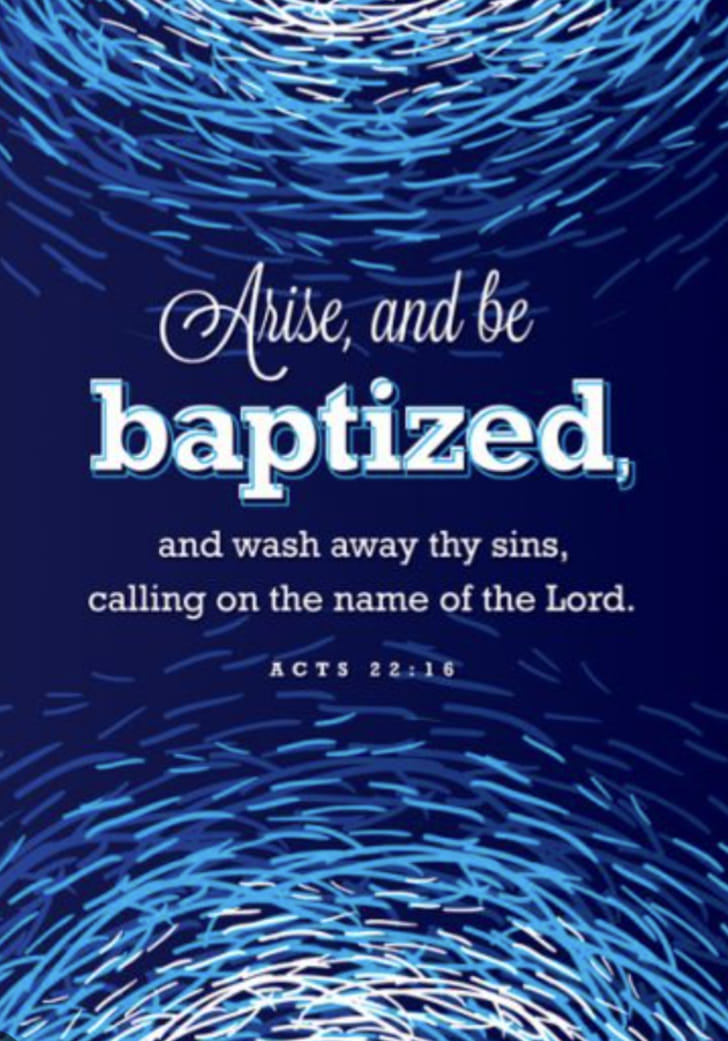
C. Acts 22:16And now why tarriest thou? arise, and be baptized, and wash away thy sins, calling on the name of the Lord.”

(1) Arise, (2) Baptized, (3) Wash away sins.

D. Galatians 3:27For as many of you as have been baptized into Christ have put on Christ.”

(1) Baptized, (2) Into Christ, (3) Put on Christ.

E. 1Peter 3:21The like figure whereunto even baptism doth also now save us…”

(1) Baptism, (2) Saves.

If they’re correct that salvation comes before baptism, is it not strange that the Holy Spirit never one time had these in the right order?

Agape,

Spencer

Do you know what the Bible says about what SAVES?

What is the GOSPEL?

What is the GOSPEL?

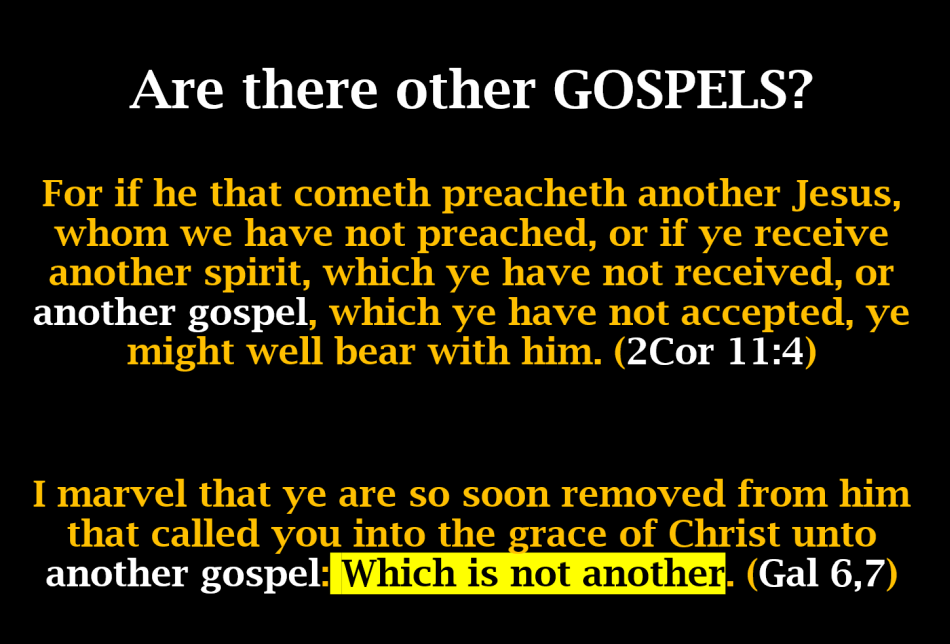
Are there other GOSPELS? Yes and No.

There is only ONE gospel that saves.
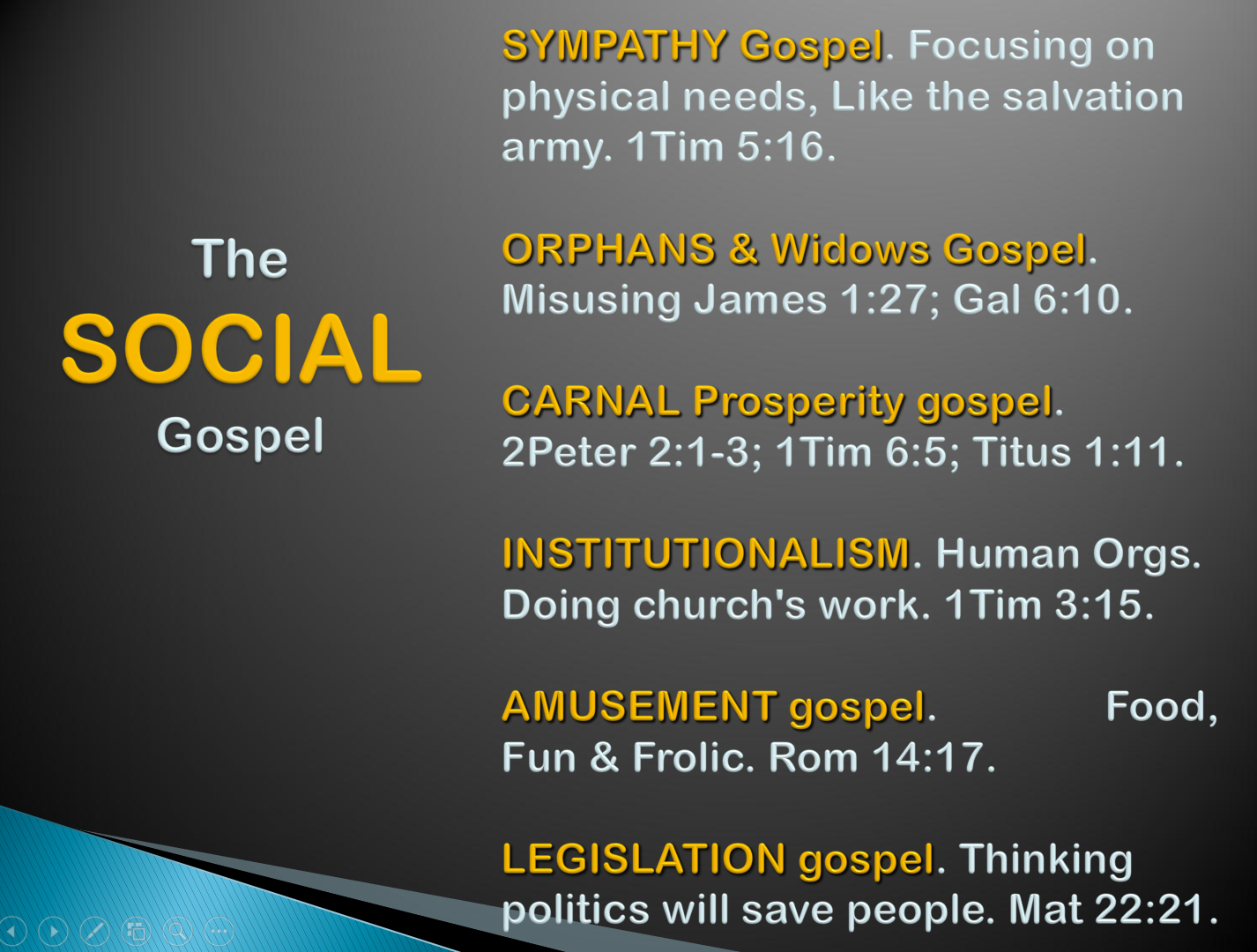
There are MANY SOCIAL GOSPELS that do not save, that serve to please men, and are NOT pleasing to God.

Galatians 1:10 For do I now persuade men, or God? or do I seek to please men? for if I yet pleased men, I should not be the servant of Christ.

THE SOCIAL GOSPELS.

The Goal of the SOCIAL gospel is to make this life less miserable for people.

The Goal of THE GOSPEL is to show this miserable life is escapable through obedience to Christ.

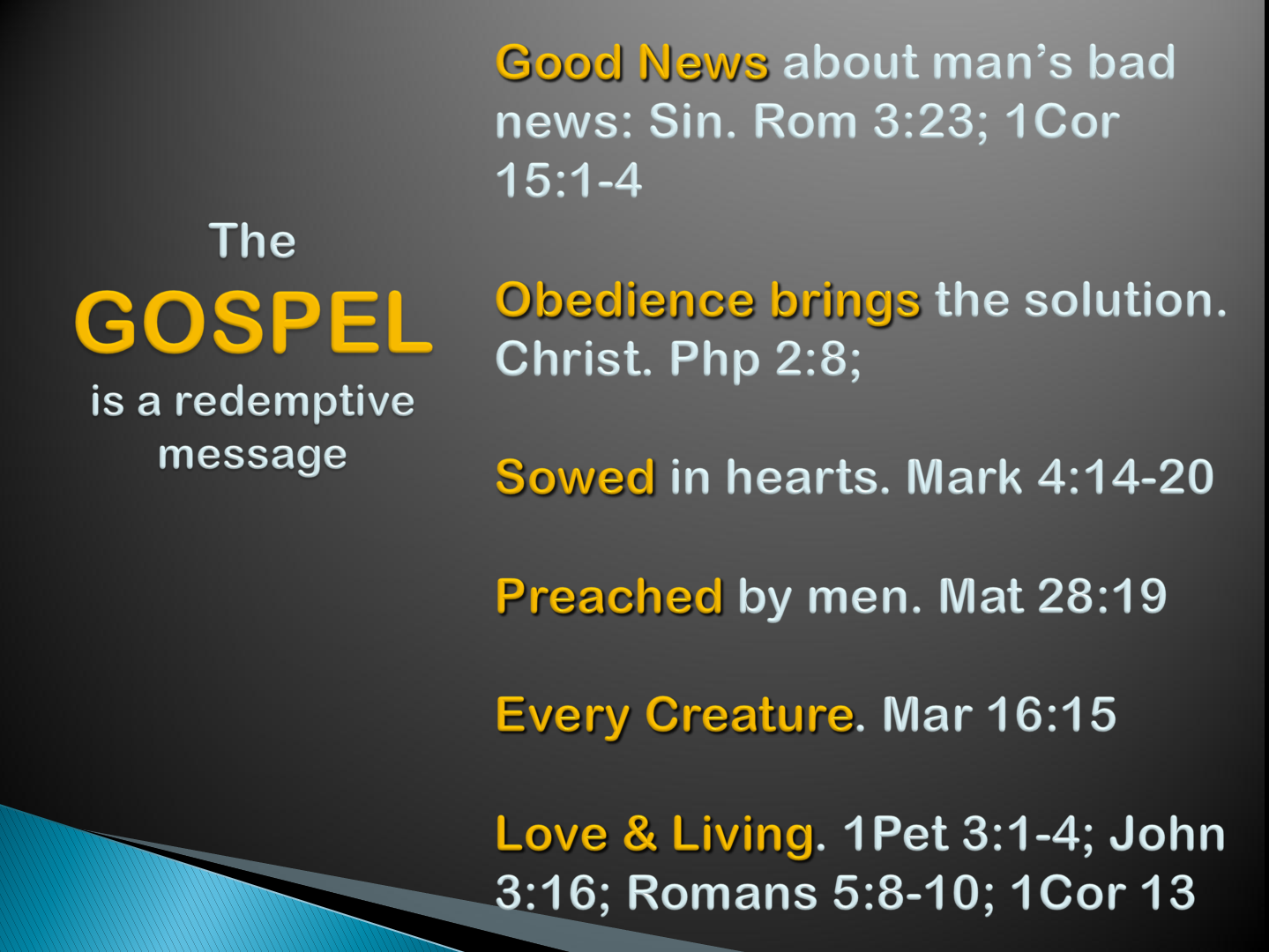
WHAT IS THE GOSPEL?

Good News about man’s bad news: Sin. Rom 3:23; 1Cor 15:1-4

Obedience to the Gospel is the solution. Christ. Php 2:8; 2Thess 1:8; Romans 10:16.

Sowed in hearts by hearing the word. Mark 4:14-20.

Preached by men. Mat 28:19; 2Cor 4:1-7; 1Thess 2:13; Romans 10:13-17

Every Nation needs it. Mar 16:15; Acts 10:34-35;

Love & Living the Gospel. 1Pet 3:1-4; John 3:16; Romans 5:8-10; 1Cor 13

Join us for one of our services at the Franklin & Juniper St. church of Christ. Click here for times and location.

How to know what God Wants pt2

God is a Spirit: and they that worship him must worship him in spirit and in truth.”  (John 4:24)

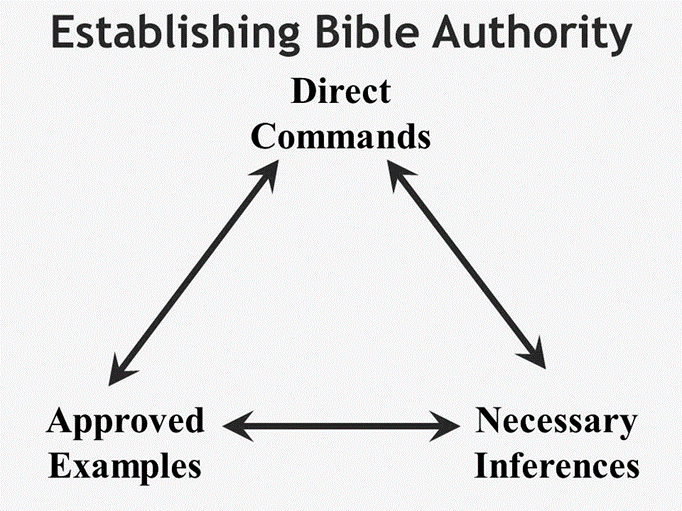
One cannot be walking by faith in Christ while offering strange worship God commanded us not. How do we know what God wants? We can answer that question if we will learn how God communicates. He gives DIRECT commands & statements, He gives EXAMPLES, and He IMPLIES things from which we may infer. He also expects us to respect when He is SILENT on a matter.

Last week we looked at the first 2 ways to discover what God wants,

  1. Direct commands & statements.
  2. Approved Examples.

Today we will look at 2 more,

  1. Implications & Necessary Inferences.
  2. Silence, when God gives no command.

Since we’re not to ADD nor TAKE AWAY from His word, we need to understand how He communicates.

III) Implications & Necessary Inferences. (Inescapable conclusions)

One of the ways we communicate is by implying something and we infer from it. Here’s a simple example. When our parents gave us $20 to go to the store to buy bread and milk, it is necessarily inferred that they want the change brought back and we’re not to spend the rest of the money on candy & video games. A lesson my older brother learned quickly.

We all communicate this way. God does too. In Acts 10, Peter saw a vision Acts 10:12, “Wherein were all manner of fourfooted beasts of the earth, and wild beasts, and creeping things, and fowls of the air.” The Lord told him to rise, kill, and eat.

After Peter’s refusal because they were unclean, the Lord said, “What God hath cleansed, that call not thou common.” Peter would eventually understand the implication, that God had included gentiles as candidates for the gospel. Peter made a necessary inference based on what the Lord had implied through the vision, the events that followed, and His command to preach the gospel to every nation. (Read Acts 10-11; Mark 16:15-16).

Another example of necessary inference is in Acts 8:35-36. “Then Philip opened his mouth, and began at the same scripture, and preached unto him Jesus. And as they went on their way, they came unto a certain water: and the eunuch said, See, here is water; what doth hinder me to be baptized?” All that we read is that Philip preached Jesus, and the Eunuch concludes baptism is commanded. We Necessarily Infer that baptism is included in the preaching of Jesus.

Without a command from God, we do not make any inferences about what God wants.

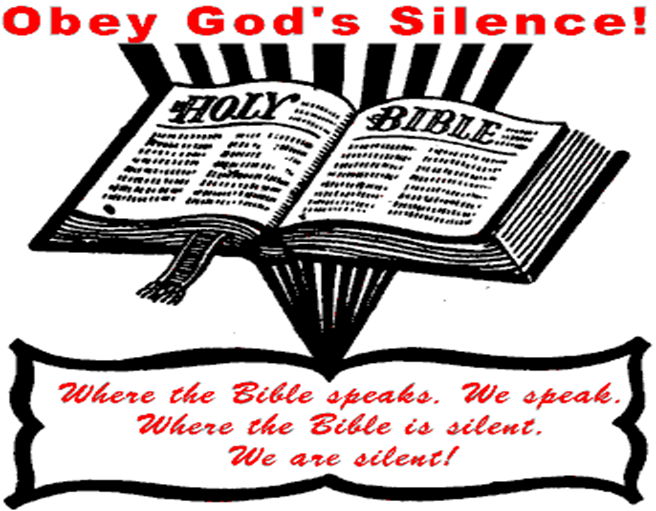
IV) God commands us not (no command). Silence is not permissive.

This is an answer to the objection, “it doesn’t say not to.” In regard to service rendered to God, human wisdom must not do what God has FORBIDDEN, OMIT what He’s commanded, nor add EXTRA which He has not commanded. To do otherwise is to walk by our own judgment, and not by faith.

Here are several examples which show that where there is no command there is no permission. GOD GAVE NO COMMAND.

  1. Lev 10:1 And Nadab and Abihu, the sons of Aaron, took either of them his censer, and put fire therein, and put incense thereon, and offered strange fire before the LORD, which he commanded them not.
  2. Deut 17:3 And hath gone and served other gods, and worshipped them, either the sun, or moon, or any of the host of heaven, which I have not commanded;
  3. Deut 18:20 But the prophet, which shall presume to speak a word in my name, which I have not commanded him to speak, or that shall speak in the name of other gods, even that prophet shall die.
  4. Jer 7:22 For I spake not unto your fathers, nor commanded them in the day that I brought them out of the land of Egypt, concerning burnt offerings or sacrifices:
  5. Jer 29:23 Because they have committed villany in Israel, and have committed adultery with their neighbours’ wives, and have spoken lying words in my name, which I have not commanded them; even I know, and am a witness, saith the LORD.
  6. Jer 32:35 And they built the high places of Baal, which are in the valley of the son of Hinnom, to cause their sons and their daughters to pass through the fire unto Molech; which I commanded them not, neither came it into my mind, that they should do this abomination, to cause Judah to sin.
  7. Acts 15:24 Because we have knowledge that some who went from us have been troubling you with their words, putting your souls in doubt; to whom we gave no such order; (BBE). KJV. we gave no such commandment:

In two other instances we find the same lesson.

  1. 2Sam 7:1-7. David’s desire to build a temple. God asks him where He ever asked for it. 2Sa 7:7 In all the places wherein I have walked with all the children of Israel spake I a word with any of the tribes of Israel, whom I commanded to feed my people Israel, saying, Why build ye not me an house of cedar?
  2. Heb 7:11-14 In explaining the Priesthood of Christ, the writer points out that God never spoke anything about Priests from Judah.
    1. Heb 7:14 For it is evident that our Lord arose from Judah, of which tribe Moses spoke nothing concerning priesthood.

When you say, “God never said not to.” I reply, “God doesn’t need to tell you not to do something when He’s told you specifically what He wants. Where did He ever give the command for it?” If it’s a good enough explanation for God, it’s a good principle for us to use today.

Men are not divided over what the Bible says but what it doesn’t say. We must respect His Silence.

Agape,

Spencer

You can read pt 1 of How to know What God wants here.

How to know what God wants pt1

How to know what God wants. Pt1

God is a Spirit: and they that worship him must worship him in spirit and in truth.”  (John 4:24)

God has not at any time authorized gratuitous service be rendered to Him. This means that God requires worship toward Him to be in accordance with His instructions.

From the very beginning we see this principle. In Genesis four, Abel offered an acceptable sacrifice by faith, and Cain did not. “By Faith” is first speaking about divine instruction, followed by our trust in His acceptance when we follow those instructions. “So then faith cometh by hearing, and hearing by the word of God.” (Rom 10:17).

One cannot be walking by faith in Christ while offering strange worship God commanded us not. How do we know what God wants? We can answer that question if we will learn how God communicates. He gives DIRECT commands & statements, He gives EXAMPLES, and He IMPLIES things from which we may infer. He also expects us to respect when He is SILENT on a matter.

I) God communicates through Direct commands & statements.

In the Gospel of Mark, Jesus gives a direct command to his disciples in the Great Commission. He says, “And he said unto them, Go ye into all the world, and preach the gospel to every creature.” (Mark 16:15). These are clear instructions from God on how his followers are to spread the message of salvation.

The Direct commands of God come in 2 forms:

1) SPECIFIC. God tells us exactly what He wants. We cannot add to, nor take away from the specific command. A specific command eliminates all other possibilities.

2) GENERIC. God gives a command but doesn’t tell us how. He leaves those details for us to implement.

The how of a generic command is called an expedient. We need to find the most efficient & effective means to fulfill the command. We cannot bind an expedient on others as being the only way. We have liberty.

II) God communicates using Approved Examples. There are many examples in the bible, but not every one of them is binding, nor authorized. Some examples are incidental like meeting in an upper room (Acts 1:13).

What makes an example an APPROVED EXAMPLE? When the example is in compliance with a Direct command of God. Jesus said “And he said unto them, Go ye into all the world, and preach the gospel to every creature. He that believeth and is baptized shall be saved; but he that believeth not shall be damned.” (Mark 16:15-16). In the Acts one we see exactly that. They preached the Gospel to everyone on Pentecost and baptized for remission of sins.

Another example is found in Acts 8. “Then Philip opened his mouth, and began at the same scripture, and preached unto him Jesus. And as they went on their way, they came unto a certain water: and the eunuch said, See, here is water; what doth hinder me to be baptized? And Philip said, If thou believest with all thine heart, thou mayest. And he answered and said, I believe that Jesus Christ is the Son of God. And he commanded the chariot to stand still: and they went down both into the water, both Philip and the eunuch; and he baptized him.” (Acts 8:35-38). Here we see Philip Going, Preaching, and Baptizing as was commanded by Jesus in the great commission. Philip is one of many APPROVED EXAMPLES.

Without a command an example is just an example. It is not to be bound on others. Examples are only APPROVED (or Apostolic) when there is a command from God. How can we sift the binding from non-binding examples? Here are 4 questions to ask.

  1. Is there Uniformity in all examples of same event? Baptism was all by immersion, but circumstances around event were different.
  2. Is there Unity in Harmony? The Example must harmonize with God’s commands. Without a command there is not an approved example.
  3. Is there Universal application? It must apply and be able for all. Grapes (fruit of the vine) grow everywhere. Water is everywhere man is. Truth is Universal to all mankind.
  4. Is the example Unnecessary or relevant to the command? The disciples met in an upper room.

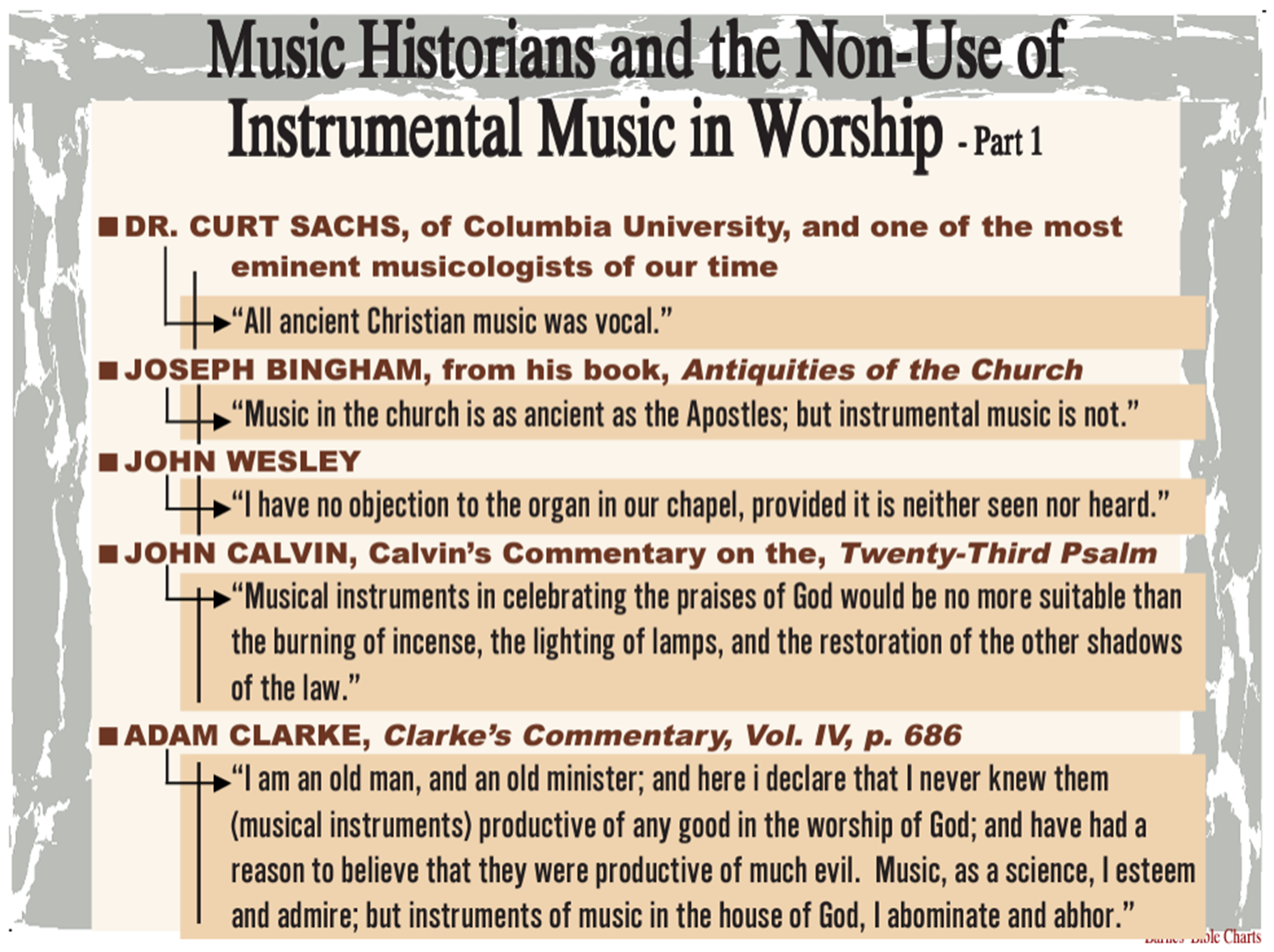
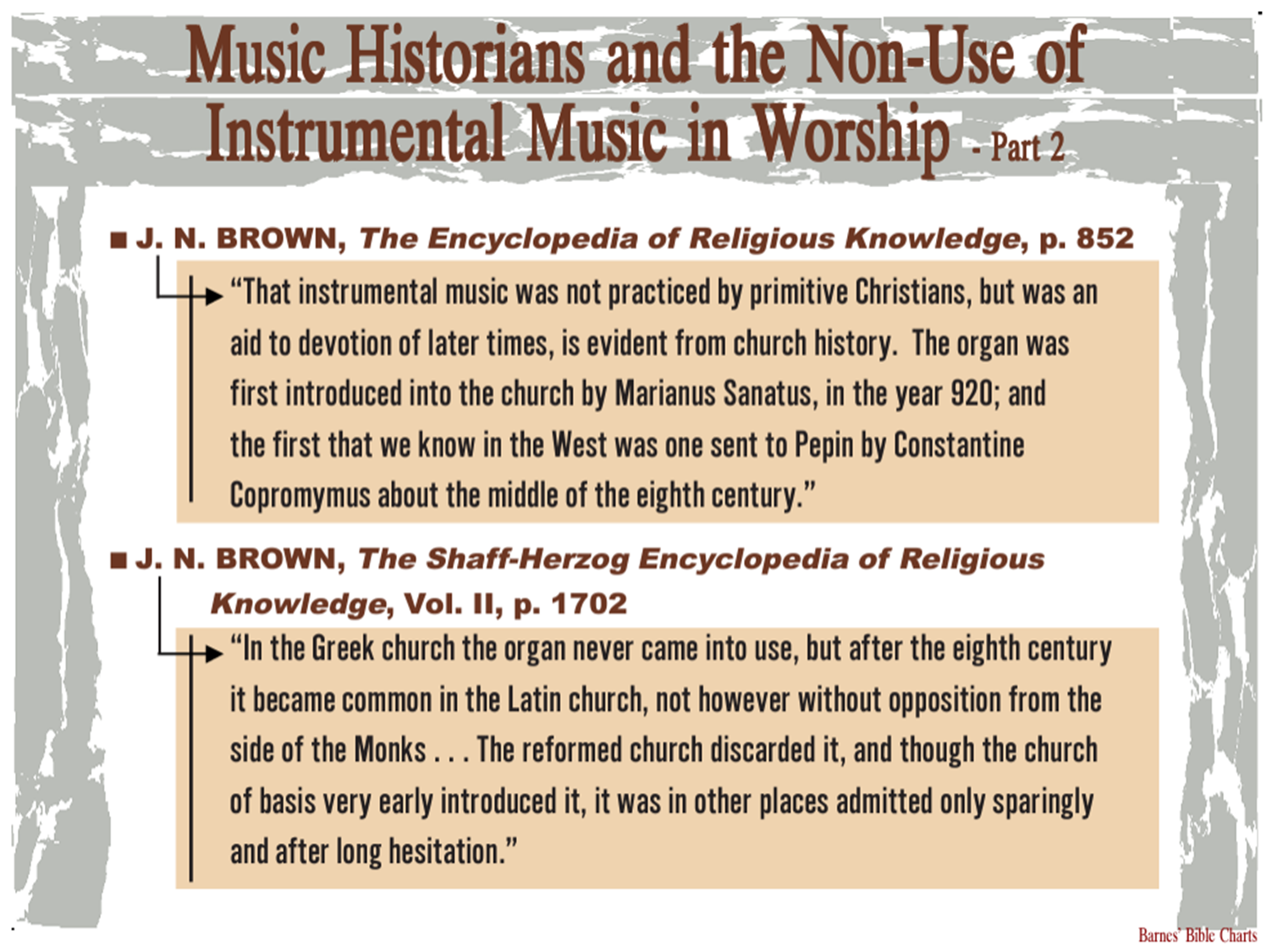
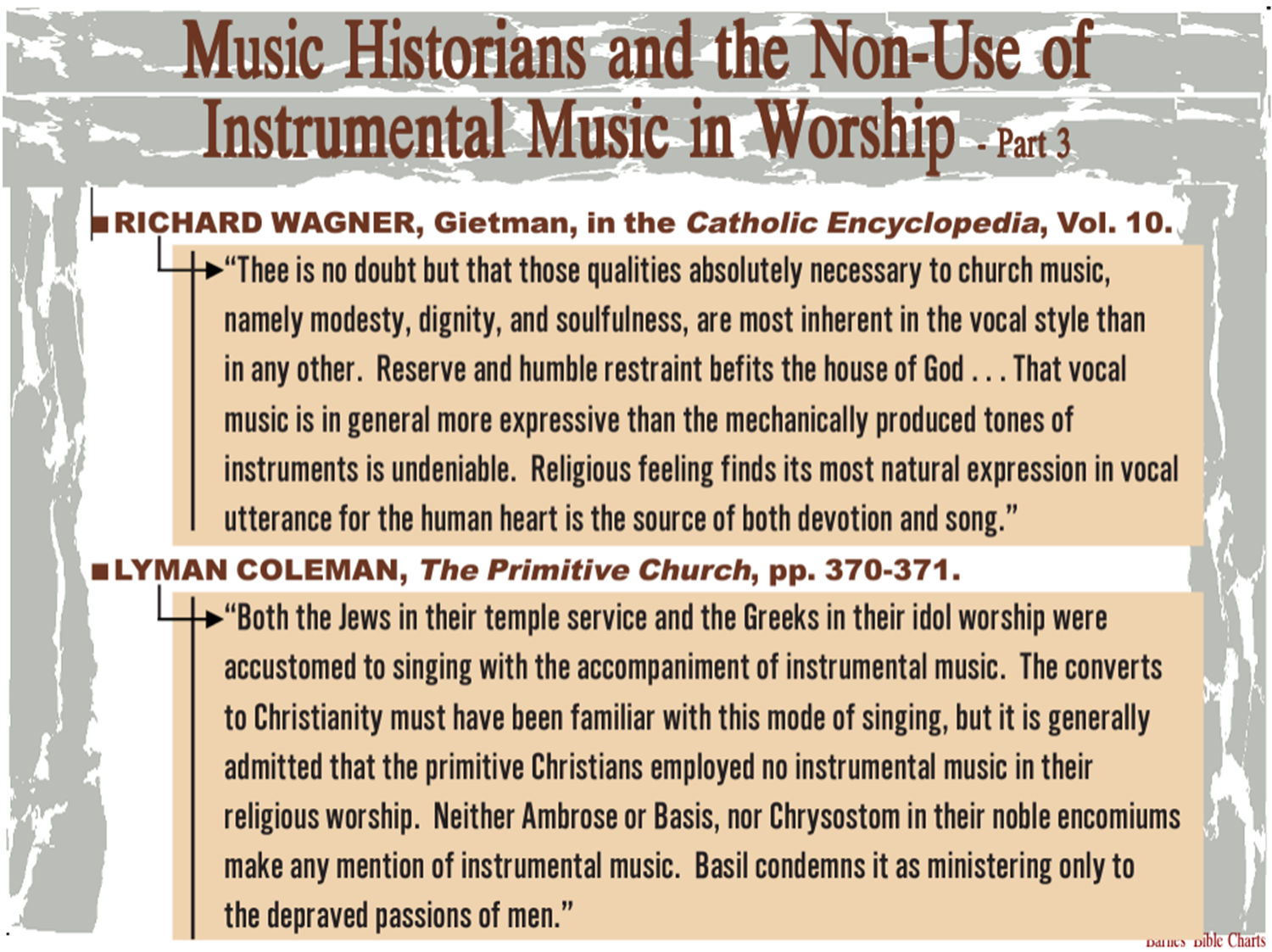
People are constantly attempting to worship God according to their own desires (Col 2:23). They have introduced Mechanical Music, plays, interpretive dance, and in one place Roller Skating Praise.

Here are 4 types of False worship.

  1. Vain. Mark 7; Matt 15:9.
  2. Against His will. 1Cor 11:17-34; 1Sam 15:22-23
  3. Ignorant. Acts 17:23
  4. Narcissistic Self-Willed worship. Col 2:20-23

These should serve as warnings about doing what God FORBIDS, OMISSION of what God commands, or adding EXTRA to the commands of God that He has not commanded.

Ye shall not add unto the word which I command you, neither shall ye diminish ought from it, that ye may keep the commandments of the LORD your God which I command you

(Deut 4:2; 12:32; Pr 30:6; Ec 12:13; Re 22:18-19).

Agape,

Spencer

You can read pt 2 of How to know What God wants here.

But David used Instruments

Praise ye the LORD. Praise God in his sanctuary: praise him in the firmament of his power. Praise him for his mighty acts: praise him according to his excellent greatness. Praise him with the sound of the trumpet: praise him with the psaltery and harp. Praise him with the timbrel and dance: praise him with stringed instruments and organs. Praise him upon the loud cymbals: praise him upon the high sounding cymbals. Let every thing that hath breath praise the LORD. Praise ye the LORD.”  (Psalm 150)

An appeal is often made to Psalm 150 as justification for the use of instru-mental music in the assembly of the saints. The argument goes like this;

“David used instruments in worship, and he is a man after God’s own heart. Therefore, we are authorized to use instruments today in worship.”

At first this may sound reasonable, but is it sound doctrine for the New Testament church?

Let’s examine some things David did.

I will offer unto thee burnt sacrifices of fatlings, with the incense of rams; I will offer bullocks with goats. Selah. Come and hear, all ye that fear God, and I will declare what he hath done for my soul.” (Psalm 66:15-16).

After reading this passage, Let’s Imagine this conversation…

Person A: Walking into the assembly carrying a lamb, a man asks, “can I bring a lamb to worship and sacrifice it to the Lord? David did it.”

Person B: No. That is part of the OT system. Jesus is the Lamb of God and it’s His blood that takes away sin (Heb 10:1-12). “Behold the Lamb of God, which taketh away the sin of the world” (John 1:29).

Person A: Walking into the assembly carrying a burning lamp of incense, a man asks, “can I burn incense of rams in the worship today? David did it.”

Person B: No, that is not authorized in the New Testament. Jesus is the sweet-smelling savor. “And walk in love, as Christ also hath loved us, and hath given himself for us an offering and a sacrifice to God for a sweetsmelling savour” (Eph 5:2).

Person A: Walking into the assembly carrying a guitar, or some other mechanical instrument, a man asks, “can I bring this into the assembly to worship using my God given talent to play an instrument? David did it.”

Person B: YES! David did, so we can too! Come on in!!

Do you see the ridiculousness of the above conversation? Let’s imagine an alternative ending to this conversation.

Person A: Walking into the assembly carrying a guitar, or some other mechanical instrument, a man asks, “can I bring this into the assembly to worship using my God given talent to play an instrument? David did it.”

Person B: Hold on a moment. Just because David did something doesn’t necessarily mean it’s authorized for us in the New Testament. As I’ve shown at other times, we need to look at the teachings and guidelines given in the New Testament for worship practices. Regarding music in the worship, we are given specific instructions.

Speaking to yourselves in psalms and hymns and spiritual songs, singing and making melody in your heart to the Lord” (Eph 5:19).

Let the word of Christ dwell in you richly in all wisdom; teaching and admonishing one another in psalms and hymns and spiritual songs, singing with grace in your hearts to the Lord” (Col 3:16). Note the specifics of the command which eliminates all other items. Sing, Speak, Teaching, Admonishing, Melody & Grace in your hearts; instruments can do none of that.

Person A: But if David did it, shouldn’t it be acceptable for us to do the same? After all, he was a man after God’s own heart.

Person B: While David was a significant figure in the Old Testament and had commands for worship in his age, the New Testament provides specific instructions and teachings for believers. It’s important to follow those guidelines rather than solely relying on David’s actions.

Person A: I see your point. So, if the New Testament hasn’t commanded bringing a lamb, burning incense, nor instruments, God has not authorized those practices in our worship. But there’s no command not to have it.

Person B: That’s correct, and we don’t need one. We should seek to worship in spirit and truth according to the teachings given in the New Testament. When God specifies what He wants, it cancels all other possibilities. We have no need of a passage to condemn it. The specific command automatically eliminates any additions.

Person A: That makes sense. We should prioritize aligning our worship practices with the teachings of the New Testament rather than simply imitating the actions of individuals from the Old Testament.

Person B: Exactly. It’s essential to have a solid foundation in the New Testament and understand the principles it teaches to ensure our worship is pleasing to God and in line with His will. “For do I now persuade men, or God? or do I seek to please men? for if I yet pleased men, I should not be the servant of Christ” (Gal 1:10).

Person A: I appreciate your insight. I’ll take the time to study the New Testament further and seek a thus saith the Lord to ensure our worship practices are in accordance with God’s Word.

Person B: That’s a wise approach. Let’s strive to worship in a way that honors God and reflects the truths revealed in the New Testament. Jesus says, “And why call ye me, Lord, Lord, and do not the things which I say?” And Paul wrote by the command of the Lord, “And whatsoever ye do in word or deed, do all in the name of the Lord Jesus, giving thanks to God and the Father by him” (Col 3:17).

Agape,

Spencer

5 ways we try to ALTER God’s Word.

5 ways we try to ALTER the word to validate a false belief.

5/5

1. We ADD to the word.

2. We LESSEN the word of God.

3. We TWIST the scriptures to fit us.

4. We EXPLAIN away clear scripture.

5. We REJECT plain truths.

1. We ADD to the word.

We ADD to the word like Satan did with Eve.

Genesis 3:4 KJV

And the serpent said unto the woman, Ye shall NOT surely die: (emphasis mine seb)

In our times people try to ADD that same not to Mark 16:16, but the ADD it in different places.

faith alone.

He that believeth and is (NOT) baptized shall be saved;

Baby baptism

He that believeth (NOT) and is baptized shall be saved;

Universalists

He that believeth (NOT) and is (NOT) baptized shall be saved;

atheists

He that believeth and is baptized shall (NOT) be saved; but he that believeth not shall be damned.

Jesus said,

Mark 16:16 KJV

He that believeth and is baptized shall be saved; but he that believeth not shall be damned.

2. We LESSEN the word of God.

Revelation 22:19 KJV

And if any man shall take away from the words of the book of this prophecy, God shall take away his part out of the book of life, and out of the holy city, and from the things which are written in this book.

Some say, “this verse only applies to the book of revelation.”

I say, “so you’re saying God is ok if we take away from other parts of the Bible?”

Look at what Jehoiakim did…

Jeremiah 36:23 KJV

And it came to pass, that when Jehudi had read three or four leaves, he cut it with the penknife, and cast it into the fire that was on the hearth, until all the roll was consumed in the fire that was on the hearth.

Deuteronomy 4:2 KJV

Ye shall not add unto the word which I command you, neither shall ye diminish ought from it, that ye may keep the commandments of the Lord your God which I command you.

Proverbs 30:5-6 KJV

Every word of God is pure: he is a shield unto them that put their trust in him. [6] Add thou not unto his words, lest he reprove thee, and thou be found a liar.

No, we cannot ADD nor LESSEN God’s word. His word…

2 Timothy 3:15-17 KJV

And that from a child thou hast known the holy scriptures, which are able to make thee wise unto salvation through faith which is in Christ Jesus. [16] All scripture is given by inspiration of God, and is profitable for doctrine, for reproof, for correction, for instruction in righteousness: [17] That the man of God may be perfect, throughly furnished unto all good works.

3. We TWIST the scriptures to fit us.

2 Peter 3:16 KJV

As also in all his epistles, speaking in them of these things; in which are some things hard to be understood, which they that are unlearned and unstable TWIST, as they do also the other scriptures, unto their own destruction.

Psalm 56:5

All day long they twist my words; all their thoughts are on my demise.

Jeremiah 23:36

But refer no more to the burden of the LORD, for each man’s word becomes the burden, so that you pervert the words of the living God, the LORD of Hosts, our God.

For example…

People TWIST what Jesus said about the personal indwelling of the Holy Spirit to the Apostles and make it about themselves.

John 16:13 KJV

Howbeit when he, the Spirit of truth, is come, he will guide you into all truth: for he shall not speak of himself; but whatsoever he shall hear, that shall he speak: and he will shew you things to come.

This was spoken to the Apostles and does not apply to us in the same way.

We are guided by the holy Spirit in as much as we study and understand the written word.

Ephesians 3:3-4 KJV

How that by revelation he made known unto me the mystery; (as I wrote afore in few words, [4] Whereby, when ye read, ye may understand my knowledge in the mystery of Christ)

John 20:30-31 KJV

And many other signs truly did Jesus in the presence of his disciples, which are not written in this book: [31] But these are written, that ye might believe that Jesus is the Christ, the Son of God; and that believing ye might have life through his name.

We need to see what the context is of each passage. Not every passage is about us.

Let’s stop TWISTING the scriptures to fit us.

4. We EXPLAIN away clear scripture.

This one accepts that passages are God’s word, but somehow they don’t mean what they say. It’s a form of denial.

For example, Mark 16:16 KJV

He that believeth and is baptized shall be saved; but he that believeth not shall be damned.

Folks will use the second half of the verse to EXPLAIN away the first half, or just deny that those verses are even in the Bible.

Some will come up with an unlikely, implausible scenario to EXPLAIN away the command.

For example; “What if you’re on the way to be baptized but die on the way?”

All this shows is a lack of concern for the commandments of the Lord.

Luke 6:46 KJV

And why call ye me, Lord, Lord, and do not the things which I say?

John 14:15 KJV

If ye love me, keep my commandments.

Ps. The pic is just to match the topic and is not a solicitation.

5. We REJECT plain truths.

For example; Naaman was given plain instruction about how to be cured.

2 Kings 5:10-12 KJV

And Elisha sent a messenger unto him, saying, Go and wash in Jordan seven times, and thy flesh shall come again to thee, and thou shalt be clean.

[11] But Naaman was wroth, and went away, and said, Behold, I thought, He will surely come out to me, and stand, and call on the name of the Lord his God, and strike his hand over the place, and recover the leper.

[12] Are not Abana and Pharpar, rivers of Damascus, better than all the waters of Israel? may I not wash in them, and be clean? So he turned and went away in a rage.

Another example from Jesus:

Mark 7:9 And he said unto them, Full well ye reject the commandment of God, that ye may keep your own tradition.

We do the same thing regarding baptism.

We REJECT it even though it’s clearly taught to be saved by grace through faith.

BAPTISM.

Is a BURIAL Col 2:12.

ADDS us to the church. Acts 2:41,47

PUTS on Christ. Gal 3:27

TAKES away (washes) or sins. Acts 22:16

It is INTO His death. Rom 6:3-4

SAVES us. 1Pet 3:21; Acts 16:31-33

MADE free from sin, and a new creation through Christ. Rom 6:3-4; 2Cor 5:17.