any OTHER gospel? Galatians 1:6-9

The Uncompromising Gospel: A Warning Against Deviation

The Apostle Paul’s words in Galatians 1:8 are a thunderous declaration of the exclusivity and purity of the gospel: “But though we, or an angel from heaven, preach any other gospel unto you than that which we have preached unto you, let him be accursed.” This verse is not merely a caution but a divine boundary, safeguarding the truth of Christ’s gospel against distortion. Paul’s warning underscores the danger of deviating from the apostolic teaching, structure, and practice of the church as revealed in Scripture. Any alteration, whether in organization, doctrine, hierarchy, mission, or worship, risks leading souls astray. Let us explore this verse through the lens of biblical fidelity, examining why deviations are perilous and why Paul’s response is so severe.

No Other Centralized Organization Beyond the Local Church
Scripture establishes the local church as the sole earthly organization for God’s people, with Christ as the head and heaven as its headquarters (1 Corinthians 11:3). The New Testament knows no centralized authority—such as denominations, synods, or councils—beyond the autonomous local congregation. Each church, under the oversight of its elders, answers directly to Christ, who reigns from heaven. Introducing hierarchical structures or external governing bodies usurps Christ’s authority and distorts the simplicity of His design. Paul’s warning in Galatians 1:8 condemns such innovations as a departure from the gospel, for they shift allegiance from Christ to human institutions.

No Other Doctrine of Christ
The gospel is singular and unchangeable, rooted in the teachings of Christ and His apostles. Second John 9 warns, “Whosoever transgresseth, and abideth not in the doctrine of Christ, hath not God.” To preach “another gospel” is to introduce teachings foreign to the New Testament—whether adding human traditions, altering the plan of salvation, or diluting the truth with cultural compromises. The doctrine of Christ encompasses His deity, His sacrifice, His resurrection, and His commands for obedience (e.g., faith, repentance, baptism, and perseverance). Any deviation risks severing fellowship with God, making Paul’s curse a necessary defense of eternal truth.

No Other Hierarchy Beyond Elders, Deacons, and Saints
The New Testament prescribes a simple leadership structure for the church: elders (overseers), deacons, and saints (Philippians 1:1; 1 Timothy 3:1-10). Elders shepherd the flock, deacons serve practical needs, and all members are saints, called to holiness. No additional offices—such as popes, cardinals, or regional bishops—are authorized. Introducing such hierarchies elevates human authority above Scripture and undermines the priesthood of all believers. Paul’s anathema in Galatians 1:8 applies to those who impose unbiblical structures, as they distort the gospel’s call to humility and submission to Christ alone.

No Other Work Beyond Making, Teaching, and Helping Saints
The mission of the church is clear: make disciples, teach them, and provide limited benevolence to saints in need (Matthew 28:18-20). The church is not a social club, political organization, or community activity center. Its work is spiritual—evangelizing the lost, edifying believers, and assisting struggling Christians (e.g., widows, as in 1 Timothy 5:16). Romans 16:16 identifies congregations as “churches of Christ,” not entertainment hubs or welfare agencies. When churches prioritize secular goals over spiritual ones, they preach “another gospel” by redefining the church’s purpose, incurring Paul’s curse.

No Other Worship Practices
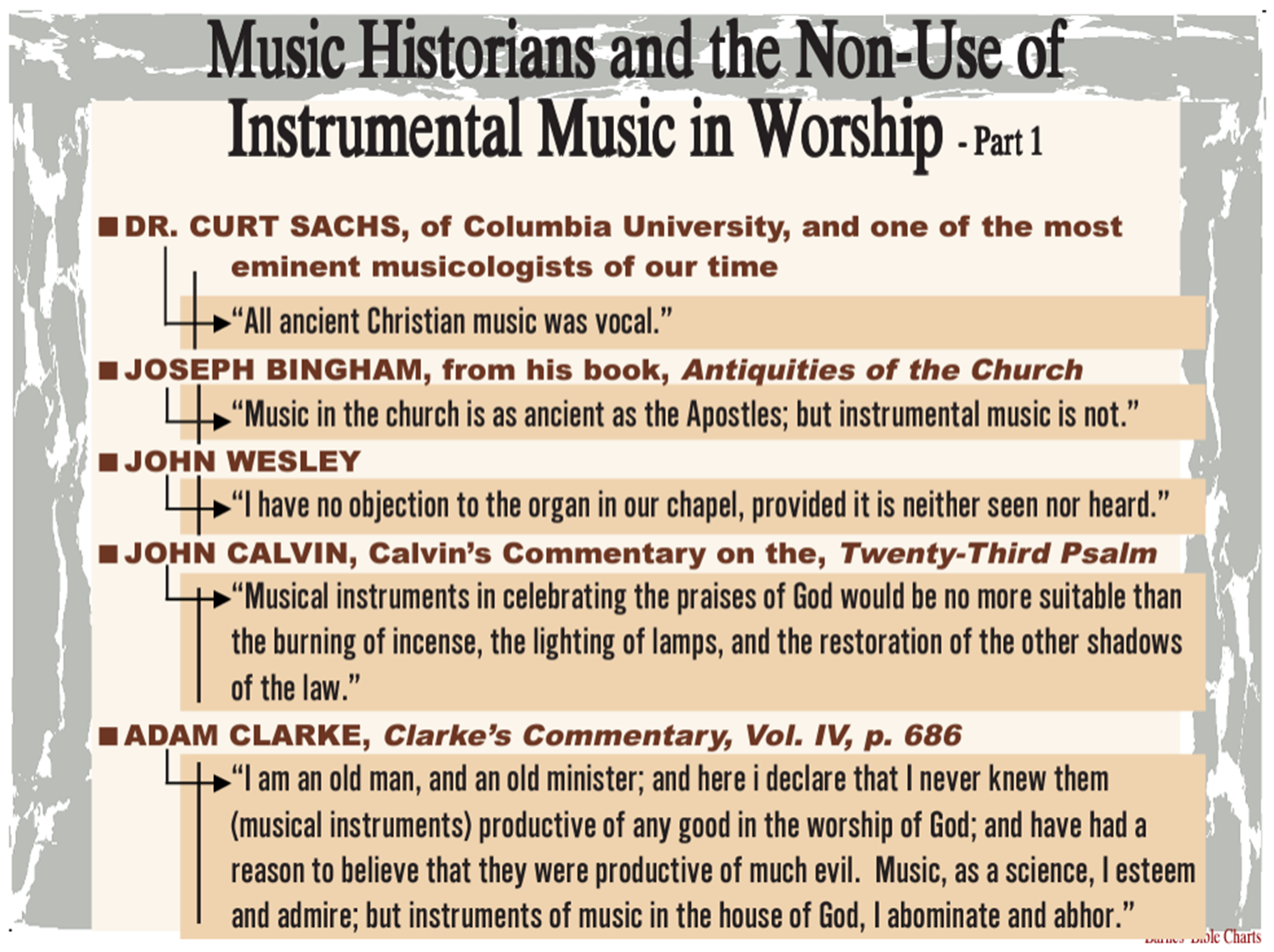
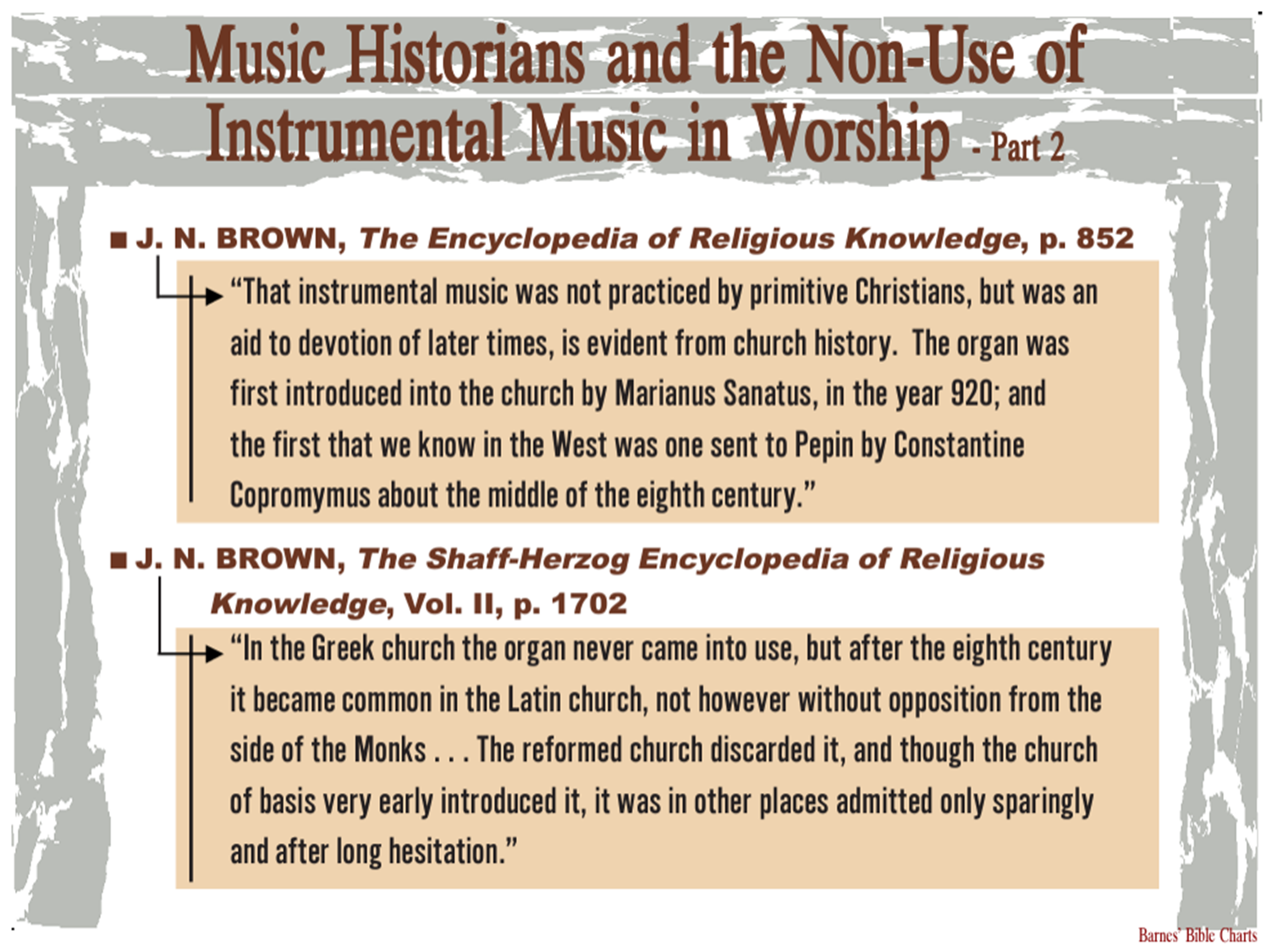
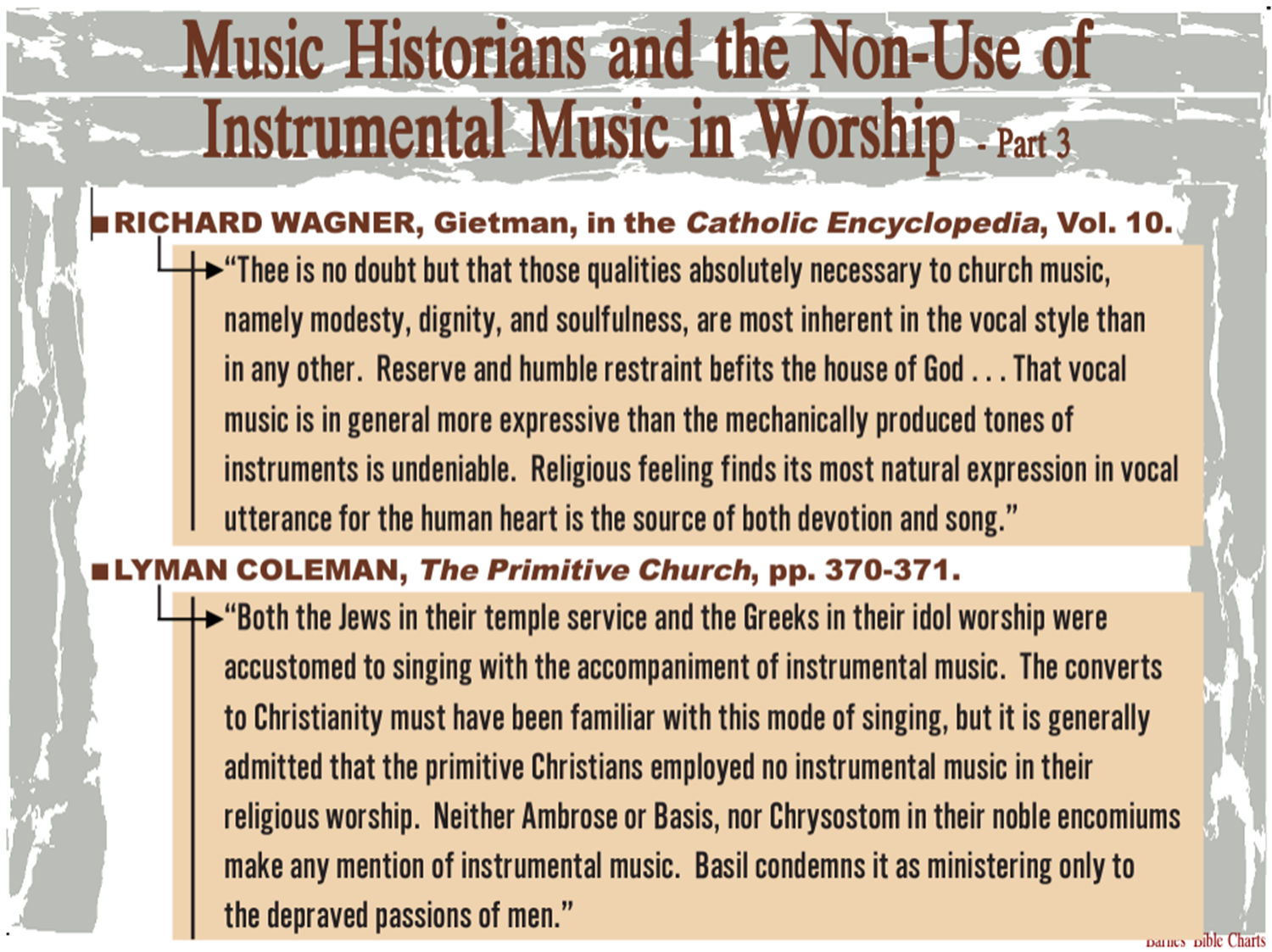
True worship is regulated by Scripture, limited to specific acts that honor God and edify the church. Acts 2:42, Ephesians 5:19, Colossians 3:16, and 1 Corinthians 16:1-2 outline these practices: partaking in Communion, hearing biblical preaching, singing understandable vocal songs, praying for God’s help, contributing financially to the church’s work, and encouraging one another to love and good deeds. Adding instrumental music, theatrical performances, or other innovations introduces “strange fire” into worship, akin to Nadab and Abihu’s unauthorized offering (Leviticus 10:1-2). Such practices deviate from the gospel’s pattern, inviting the condemnation of Galatians 1:8.

Why Was Paul So Harsh?
Paul’s pronouncement—“let him be accursed”—is jarring, but its severity reflects the stakes involved. The Greek word for “accursed” (anathema) denotes something devoted to destruction, cut off from God. Paul’s harshness stems from the eternal consequences of a corrupted gospel. The true gospel saves souls (Romans 1:16); a false gospel damns them. By invoking this curse, Paul emphasizes that no one—not even an apostle or an angel—has the authority to alter the message delivered once for all (Jude 3). His zeal mirrors Christ’s cleansing of the temple (John 2:17), protecting the purity of God’s truth from human tampering.

The Galatian churches were being swayed by Judaizers, who added circumcision and Mosaic law to the gospel (Galatians 1:6-7). This distortion threatened to enslave believers and nullify Christ’s sacrifice (Galatians 5:4). Paul’s curse is not vindictive but protective, urging believers to cling to the unaltered gospel. For modern readers, this serves as a sobering reminder: deviations in organization, doctrine, hierarchy, mission, or worship are not mere preferences but assaults on the truth that saves.

Galatians 1:8 is a blaring trumpet call to preserve the gospel in its pristine form. The church must remain a local, autonomous body under Christ’s headship, teaching only His doctrine, led by elders and deacons, focused on making and nurturing saints, and worshipping according to Scripture’s pattern. Any deviation risks preaching “another gospel,” leading souls to ruin. Paul’s harsh curse underscores the gravity of this truth: the gospel is not ours to modify. Let us heed his warning, holding fast to the faith delivered to the saints, ensuring that our churches reflect Christ’s design and our worship glorifies Him alone.

agape

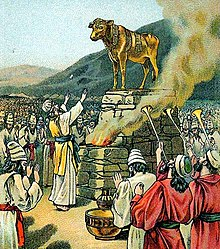
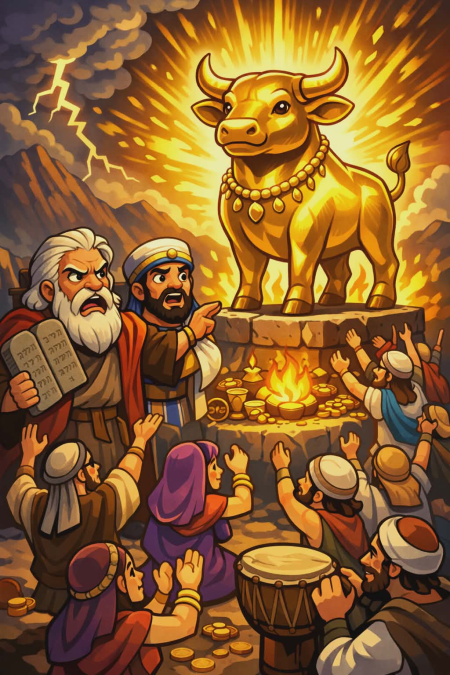
Jeroboam REPLACED the worship

“Here are your gods, Israel, who brought you up out of Egypt.” (1Kings 12:28)

Jeroboam, the first king of the northern kingdom of Israel, initiated a series of significant changes that altered the course of worship for his people. His actions were driven by political motives rather than spiritual fidelity, leading to the establishment of a false system of worship that had long-lasting ramifications.

Replacing the Place, Object, and Priests of Worship

His primary objective was to prevent his subjects from traveling to Jerusalem, in the southern kingdom of Judah, for worship. He feared that such pilgrimages would foster loyalty to the house of David and threaten his own reign. To counter this, Jeroboam replaced the central place of worship and also substituted the object of worship with idols. He also appointed non-Levitical priests to serve, undermining the divinely ordained priesthood.

The Enduring Error of Jeroboam

Jeroboam’s innovations did not end with his reign but extended into the next generations. His establishment of idolatrous practices became a stumbling block for the northern kingdom of Israel. Kings who followed Jeroboam perpetuated these errors, leading the people further away from true worship. The legacy of Jeroboam’s apostasy was so significant that it became a standard by which the sins of Israel’s kings were measured (1Kings 16:26).

The Idolatrous Practices of Ahab and Jezebel

The reign of Ahab and his queen, Jezebel, marked a further decline in the spiritual state of Israel. Jezebel introduced the worship of Baal and Asherah into Israel, practices that were abominable to the Lord. Ahab provoked the Lord more than all the kings of Israel before him (1Kings 16:31-33).

The Lord’s disapproval on Mount Carmel

The prophet Elijah emerged as a powerful voice against the rampant idolatry. In one of the most dramatic confrontations recorded in Scripture, Elijah challenged the prophets of Baal on Mount Carmel. He called upon the Lord to demonstrate His sovereignty, and God responded with fire from heaven, consuming Elijah’s sacrifice (1Kings 18:36-39). This miraculous event underscored the Lord’s disapproval of Israel’s idolatry and called the people back to genuine worship.

Prophetic Admonishment and Call for Repentance

Despite Elijah’s victory, the prophets continuously admonished Israel to repent. The persistent call for repentance echoed throughout the ministries of subsequent prophets, yet the people remained obstinate. Their refusal to abandon false worship led to their downfall (see Hos 8:4-6; Amos 4:4-5).

The Consequences of Continued Apostasy

Israel’s continued apostasy ultimately resulted in their captivity. In 722 BC, the Assyrians conquered the northern kingdom, scattering the ten tribes and bringing an end to the Northern Kingdom. The seeds of their destruction were sown by Jeroboam’s initial departure from true worship.

The Persistence of Errors in Judah

In the southern kingdom of Judah, despite periodic reforms, such as those under King Josiah, errors persisted. Josiah’s reforms were extensive, yet they could not completely eradicate the entrenched practices of idolatry.

Nehemiah’s Acknowledgment of Persistent Disobedience

Centuries later, Nehemiah reflected on Israel’s history of disobedience and idolatry. In his prayer, he acknowledged the persistent sinfulness that had plagued the nation, attributing their suffering to their unfaithfulness (Nehemiah 9:26-37). Nehemiah’s reflection underscores the long-lasting impact of Jeroboam’s initial errors, demonstrating that false worship and disobedience to God’s commands lead to severe consequences.

Conclusion

The establishment of false worship by Jeroboam in 1Kings 12:25-33 had long-lasting effects on the northern kingdom of Israel. This sin was perpetuated by subsequent kings and contributed to the spiritual decline of Israel. Prophets repeatedly condemned these practices and called for repentance, but the people’s persistence in idolatry ultimately led to their downfall and exile. The enduring influence of Jeroboam’s sin is a stark reminder of the consequences of deviating from God’s commands.

Agape,
Spencer

Can we know too much Bible? pt2

Can we know too much Bible? 2/4

We need to know enough to be able to speak the SAME things.

Now I beseech you, brethren, by the name of our Lord Jesus Christ, that ye all speak the SAME thing, and that there be no divisions among you; but that ye be perfectly joined together in the SAME mind and in the SAME judgment. (1Cor1:10)

Can you know too much about…

How to ASSEMBLE with the saints?

What does the bible say about what we do when we come together as a CHURCH?

1) we COMMUNE at the Lord’s table. 1Cor 11:17-34. Not a common meal.

2) we HEAR a message from the word. Acts 20:7.

3) we sing with UNDERSTANDING. 1Cor 14:15; Eph 5:19; Col 3:16. Singing is specified which eliminates all other friends of music.

4) we make REQUESTS known unto God. Phil 4:6; Acts 2:42

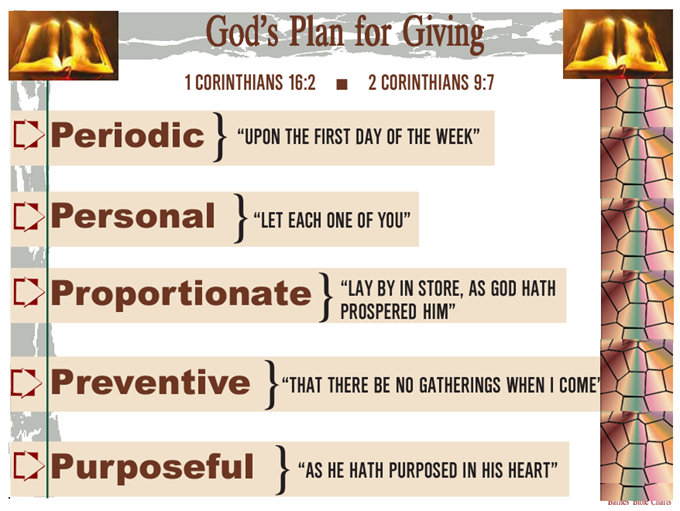
5) we CHEERFULLY CONTRIBUTE to the work of the church. Free will, as we purposed and prospered. 1Cor 16:1-2; 2Cor 9:1-7

6) we meet together in person with our HEARTS to PROVOKE one another to Love and good works. Heb 10:24-25

This is a lesson on AUTHORITY, about how to know what God wants.

Which can you add, change, or remove and still be speaking the SAME thing as Jesus, Peter, Philip, Paul & the rest of the NT?

Agape,

Spencer

click here to access more Bible studies.

5 Things the SAVED do. pt 2

Moreover, brethren, I declare unto you the gospel which I preached unto you, which also ye have received, and wherein ye stand; By which also ye are saved, if ye keep in memory what I preached unto you, unless ye have believed in vain.”  (1Cor 15:1-2)

In part one we noted that those that are SAVED go out SPREADING the Gospel. “Therefore they that were scattered abroad went every where preaching the word” (Acts 8:4). Their changed behavior is just one of the ways they Spread the tidings round (cf. 1Pet 3:1-6).

They also ASSEMBLE with the Saints in person on the first day of the week to worship. “And let us consider one another to provoke unto love and to good works: Not forsaking the assembling of ourselves together, as the manner of some is; but exhorting one another: and so much the more, as ye see the day approaching” (Hebrews 10:24-25; cf. 1Cor 11:17-34; 16:1-2; Acts 2:42).

In part two we will notice 3 more things the SAVED do.

The saved VISIT the Saints. We use VISIT today to mean meeting with each other in a social setting. While Saints do get together socially (Acts 2:46), the word VISIT in the New Testament deals with giving aid to other needy saints or their orphaned children. “Pure religion and undefiled before God and the Father is this, To visit the fatherless and widows in their affliction, and to keep himself unspotted from the world” (James 1:27).

In the beginning of the church, the Saints gave generously to aid the needy Saints. “Neither was there any among them that lacked: for as many as were possessors of lands or houses sold them, and brought the prices of the things that were sold, And laid them down at the apostles’ feet: and distribution was made unto every man according as he had need” (Acts 4:34-35; cf. 11:29; 1Cor 16:1-2).

The SAVED are very generous. They help needy Saints* (individually or through the local church; 1Tim 5:8-10; Matt 25:36), and they, from their own personal treasure, help those outside of the church among their family, friends, and neighbors (cf. Gal 6:10; Eph 4:28). *the funds collected in the local church (1Cor 16:1-2) are limited to Saints only for Making Saints, Teaching Saints, and Helping Saints.

The saved also spend time in self-EXAMINATION. “Examine yourselves, whether ye be in the faith; prove your own selves. Know ye not your own selves, how that Jesus Christ is in you, except ye be reprobates” (2Cor 13:5)? Another way of saying this is we JUDGE ourselves. “For if we would judge ourselves, we should not be judged” (1Cor 11:31). When we are proactive about looking within ourselves first, we will have no worry about those looking at us from outside.

We do this EXAMINATION of ourselves through studying the New Testament. “All scripture is given by inspiration of God, and is profitable for doctrine, for reproof, for correction, for instruction in righteousness: That the man of God may be perfect, throughly furnished unto all good works” (2Tim 3:16-17). It’s this way we find assurance of our salvation (cf 1John 2:12-14). If there is any doubt about ourselves, we will learn from the Bible what to change.

John gave the purpose of the written word, which requires us to read it, and examine ourselves with it to know whether we’re following it. “My little children, these things write I unto you, that ye sin not” (1John 2:1).

Emphasis mine seb.

Lastly (in our list), the saved are DILIGENT to present themselves approved into God. “Be DILIGENT to present yourself approved to God, a worker who does not need to be ashamed, rightly dividing the word of truth” (2Tim 2:15). The word “diligent” (study in the KJV) means that the Saints endeavor, or labor to be well pleasing to God by keeping His commands.

Jesus said, “Therefore whosoever heareth these sayings of mine, and doeth them, I will liken him unto a wise man, which built his house upon a rock: And the rain descended, and the floods came, and the winds blew, and beat upon that house; and it fell not: for it was founded upon a rock” (Matt 7:24-25).

Jesus did the same. “And he that sent me is with me: the Father hath not left me alone; for I do always those things that please him” (John 8:29). He gave us an example in Himself of the thing He commands. At the Judgment, Jesus will ask about our faithfulness, “And why call ye me, Lord, Lord, and do not the things which I say” (Luke 6:46)?

One of the areas that DILIGENCE shows up is when we discover an area of error from which we must repent (see EXAMINATION in the previous point). “For observe this very thing, that you sorrowed in a godly manner: What DILIGENCE it produced in you, what clearing of yourselves, what indignation, what fear, what vehement desire, what zeal, what vindication! In all things you proved yourselves to be clear in this matter” (2Cor 7:11).

Back to John’s writing in 1John 2, we have hope in repentance because we have an Advocate in Christ. “And if any man sin, we have an advocate with the Father, Jesus Christ the righteous: And he is the propitiation for our sins: and not for ours only, but also for the sins of the whole world. And hereby we do know that we know him, if we keep his commandments. He that saith, I know him, and keepeth not his commandments, is a liar, and the truth is not in him. But whoso keepeth his word, in him verily is the love of God perfected: hereby know we that we are in him. He that saith he abideth in him ought himself also so to walk, even as he walked” (1John 2:2-6).

Becoming one of the SAVED in hope is the beginning of our eternal life. It’s no wonder that the saved Spread the word, Assemble with other Saints, Visit the needs of the poor, Examine themselves, and are Diligent to show themselves approved to God. The Saints are saved by grace, and they exemplify salvation by living a life of Grace.

Agape,

Spencer

5 things the SAVED do

Moreover, brethren, I declare unto you the gospel which I preached unto you, which also ye have received, and wherein ye stand; By which also ye are saved, if ye keep in memory what I preached unto you, unless ye have believed in vain.”  (1Cor 15:1-2)

Whereas mainstream denominations teach that salvation is the end of the matter through their false doctrine of Once Saved Always Saved, the Bible teaches that it’s the beginning of our New Life in Christ.

Therefore we are buried with him by baptism into death: that like as Christ was raised up from the dead by the glory of the Father, even so we also should walk in newness of life. 15 What then? shall we sin, because we are not under the law, but under grace? God forbid. 16 Know ye not, that to whom ye yield yourselves servants to obey, his servants ye are to whom ye obey; whether of sin unto death, or of obedience unto righteousness? 17 But God be thanked, that ye were the servants of sin, but ye have obeyed from the heart that form of doctrine which was delivered you.” (Rom 6:3,15-16).

Those that have OBEYED the gospel are among the saved. They have…

  1. Heard the word. (Matt 7:24)
  2. Believed that Jesus is the Christ. (John 8:24)
  3. Repented of their sins. (Luke 13:3)
  4. Confessed before men that Jesus is the Christ. (Matt 10:32)
  5. Baptized in water for the washing away of their sins. (Acts 2:38)
  6. And they begin their new life of faithfulness. (Matt 28:20)

Now that we’ve obeyed the Gospel, what do we do next? While there may be some details an individual must do in their new life as it deals with the fruits of repentance, this article will address 5 general actions every Christian must do all the days of their life in Christ. 

It’s well known that one of the first things that new converts do is they go out SPREADING the gospel. “Therefore they that were scattered abroad went every where preaching the word” (Acts 8:4). The gospel is the good news and it is how they were SAVED and they want to tell their loved ones about this Good News. “[1] Moreover, brethren, I declare unto you the gospel which I preached unto you, which also ye have received, and wherein ye stand; [2] By which also ye are saved, if ye keep in memory what I preached unto you, unless ye have believed in vain. [3] For I delivered unto you first of all that which I also received, how that Christ died for our sins according to the scriptures; [4] And that he was buried, and that he rose again the third day according to the scriptures” (1 Corinthians 15:1-4).

They change their behavior, and they change the way they talk to the point that those most familiar with them recognize a dramatic change. “For the time past of our life may suffice us to have wrought the will of the Gentiles, when we walked in lasciviousness, lusts, excess of wine, revellings, banquetings, and abominable idolatries; Wherein they think it strange that ye run not with them to the same excess of riot, speaking evil of you” (1Peter 4:3-4). Some of their friends and family won’t like it, but they’ve been converted and they’re determined to remain faithful to the One that saved them. (Mat 10:22; 24:13; Jas 1:12; Rev 2:10)

Another one of the major changes the newly converted SAVED makes is that they ASSEMBLE with the saints on Sunday (and usually mid-week for bible study). “And let us consider one another to provoke unto love and to good works: Not forsaking the assembling of ourselves together, as the manner of some is ; but exhorting one another : and so much the more, as ye see the day approaching” (Hebrews 10:24-25).

And upon the first day of the week, when the disciples came together to break bread, Paul preached unto them, ready to depart on the morrow; and continued his speech until midnight” (Acts 20:7). They ASSEMBLE together IN PERSON (1Cor 11:17-34) to worship, and to fellowship in the work of the church. “Upon the first day of the week let every one of you lay by him in store, as God hath prospered him, that there be no gatherings when I come” (1 Corinthians 16:2).

They ASSEMBLE together to learn of Him, and pray through Him who saved them; “And they continued stedfastly in the apostles’ doctrine and fellowship, and in breaking of bread, and in prayers (Acts 2:42).

From these verses (Acts 2:42; 20:7; 1Cor 11:17-34; 16:1-2; Eph 5:19; Col 3:16; Heb 10:24-25), the SAVED will ASSEMBLE with the church in person to do these 5 things.

  1. They will have COMMUNION in the observation of the Lord’s Supper, proclaiming the Lord’s death till He comes. (1Cor 11:17-34).
  2. They will HEAR a message from God’s word that was once for all delivered to the saints through the Apostles, who spoke and wrote them for us today. (Acts 2:42; John 16:13; 20:30-31; 1Cor 2:9-13; Eph 3:1-4; 4:11-12; Jude 3).
  3. They will sing with UNDERSTANDING to one another, “teaching and admonishing one another in psalms and hymns and spiritual songs, singing with grace in your hearts to the Lord.” (1Cor 14:15; Eph 5:19; Col 3:16).
  4. They will make REQUESTS to God in Prayer for one another. They will pray for boldness to spread the gospel (Acts 4:29). They will pray for one another (Phil 4:6). They will pray giving thanks to God (1Thess 5:17-18). They will pray and watching in anticipation of the Lord’s return (Rom 12:12; Eph 6:18; Col 4:2; 1Pet 4:7).
  5. They will CONTRIBUTE to the work of the local church through the giving of their means which is true biblical fellowship. (Acts 2:42; 1Cor 16:1-2; 2Cor 8-9; Phil 1:5, 4:14-15).
  6. They will provoke one another’s HEART to love and good works. (Heb 10:24-25). This is accomplished in person through their songs, their prayers, the teaching, the Lord’s supper and their contributions.

These are the first two of the five things the SAVED do. Next article will be 3 more things the saved do.

Agape,

Spencer

You’re invited to visit with us and check out one of the assemblies at the Franklin and Juniper St church of Christ.

How to know what God wants pt3. Walking by Faith

God is a Spirit: and they that worship him must worship him in spirit and in truth.”  (John 4:24)

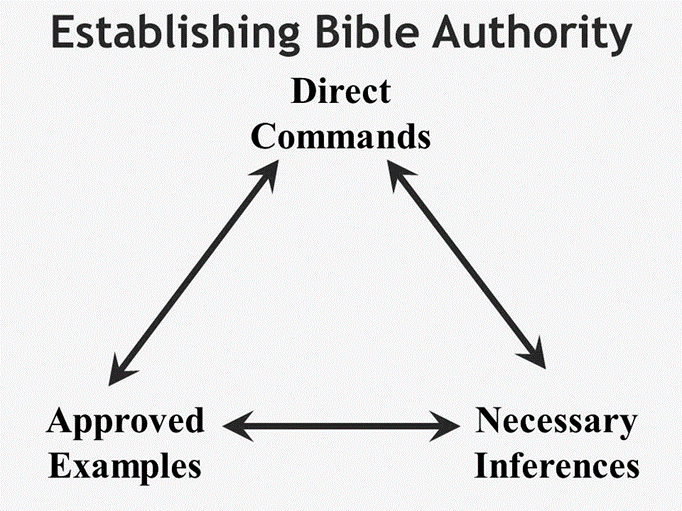
So far, we’ve learned how to know what God wants,

  1. Direct commands & statements.
  2. Approved Examples.
  3. Implications & Necessary Inferences.
  4. Silence, when God gives no command.

Today, let’s talk about walking by FAITH and not by sight. “For we walk by faith, not by sight” (2Cor 5:7).

I’ve written about FAITH before in the article “Lord, Increase our Faith” Sept 04, 2022. To summarize…

Faith is the FULL BODY of God’s revelation. Jude 1:3 “The faith once delivered.”

Faith is ACTION based on the information. James 2:14-24 “justified by works and not by faith only.”

Faith is INSISTENT on standing firm. Hebrews 11:24-25

By faith Moses, when he was come to years, refused to be called the son of Pharaoh’s daughter; [25] Choosing rather to suffer affliction with the people of God, than to enjoy the pleasures of sin for a season;”

Faith is Believing and TRUSTING in the results from keeping God’s word. Colossians 2:12. “Buried with him in baptism, wherein also ye are risen with him through the faith of the operation of God, who hath raised him from the dead.”

Faith is HOPE that the Lord will reward those that keep His word.

Hebrews 11:1, 6 “Now faith is the substance of things hoped for, the evidence of things not seen. But without faith it is impossible to please him: for he that cometh to God must believe that he is, and that he is a rewarder of them that diligently seek him.”

Faith is listed among the 9 spiritual gifts early saints could receive during the writing of the New Testament (1Cor 12:8-9; 13:2; Matt 17:20).

These several senses above all combine to mean FAITH. Where there is no word of God there can be no faith in God. This is an unquestioned teaching of God’s word. (See also John 20:30-31; Rom 10:17: Eph 3:1-4) If therefore, God says nothing concerning a given course, there can be no faith. Since we are to walk by faith, it follows that in any matter whatsoever in which we are not directed by the word of God, we are neither walking by faith nor pleasing God.

To walk by FAITH is to act upon God’s revealed word, the faith, and not by opinion. If people are seekers of God, they will seek His will before acting, rather than acting and hoping God will sanctify the actions.

One man said it this way about a particular religious action he had taken. “I don’t know if it’s right or wrong. I just do my best and ask God for mercy.” If you don’t know if it’s right, then DON’T DO IT. There’s a principle that speaks directly to this; “And he that doubteth is damned if he eat, because he eateth not of faith: for whatsoever is not of faith is sin” (Rom 14:23).

Let’s state it another way. God accepts no gratuitous service in matters to be rendered exclusively to Him. Man possesses an undeniable right to exercise his own judgment in the management of his personal affairs, as long as he does not violate any principles of moral correctness or righteousness. Man is guided in his personal life by God’s moral law and is given liberty to make individual choices under generic authority live, prosper and enjoy (1Thess 4:1-12; 1Tim 6:17; 3John 2).

However, In the service to be rendered exclusively to God, He has legislated. He has ordained the worship to be rendered to Him, and human wisdom must neither add to, take from, nor in any way modify what he has prescribed, otherwise those who do so are walking by their own judgment, and not by faith. Let’s review a few examples…

Water Baptism has been commanded by Christ (Mark 16:16; Acts 2:38; 8:35-36; 22:16; 1Pet 3:21). Who are we to alter it or even hint that one can be saved without it? Note the urgency of Baptism in the book of Acts. “And he took them the same hour of the night, and washed their stripes; and was baptized, he and all his, straightway” (Acts 16:33).

Adoration in vocal song (Eph 5:19; Col 3:16). Who are we to do what God has commanded not by introducing instrumental music? “Let the word of Christ dwell in you richly in all wisdom; teaching and admonishing one another in psalms and hymns and spiritual songs, singing with grace in your hearts to the Lord.”

The Lord’s Supper is given to be observed by the assembled local church (Matt 26:26-30; Luke 22:15-20; Acts 2:42; 20:7; 1Cor 11:17-34). Who are we to move it to a digital venue, or a cruise ship vacation, or to any other place of convenience where there is no local church assembled? The idea that any group of Christians is a church is false. (see Matt 18:16, a distinction is made between a 2-3 individuals and the church)

We are commanded to Keep the faith “I have fought a good fight, I have finished my course, I have kept the faith” (2Tim 4:7), and to Keep God’s commands (1John 5:3). Who are we to tell anyone that they may be saved without obedience to the faith, or that they can never fall from grace? “Looking diligently lest any man fail of the grace of God; lest any root of bitterness springing up trouble you, and thereby many be defiled” (Heb 12:15).

By whom we have received grace and apostleship, for obedience to the faith among all nations, for his name” (Rom 1:5).

We must walk by FAITH, not by the sight of our own opinions.

Agape,

Spencer

How to know what God wants pt1

How to know what God wants. Pt1

God is a Spirit: and they that worship him must worship him in spirit and in truth.”  (John 4:24)

God has not at any time authorized gratuitous service be rendered to Him. This means that God requires worship toward Him to be in accordance with His instructions.

From the very beginning we see this principle. In Genesis four, Abel offered an acceptable sacrifice by faith, and Cain did not. “By Faith” is first speaking about divine instruction, followed by our trust in His acceptance when we follow those instructions. “So then faith cometh by hearing, and hearing by the word of God.” (Rom 10:17).

One cannot be walking by faith in Christ while offering strange worship God commanded us not. How do we know what God wants? We can answer that question if we will learn how God communicates. He gives DIRECT commands & statements, He gives EXAMPLES, and He IMPLIES things from which we may infer. He also expects us to respect when He is SILENT on a matter.

I) God communicates through Direct commands & statements.

In the Gospel of Mark, Jesus gives a direct command to his disciples in the Great Commission. He says, “And he said unto them, Go ye into all the world, and preach the gospel to every creature.” (Mark 16:15). These are clear instructions from God on how his followers are to spread the message of salvation.

The Direct commands of God come in 2 forms:

1) SPECIFIC. God tells us exactly what He wants. We cannot add to, nor take away from the specific command. A specific command eliminates all other possibilities.

2) GENERIC. God gives a command but doesn’t tell us how. He leaves those details for us to implement.

The how of a generic command is called an expedient. We need to find the most efficient & effective means to fulfill the command. We cannot bind an expedient on others as being the only way. We have liberty.

II) God communicates using Approved Examples. There are many examples in the bible, but not every one of them is binding, nor authorized. Some examples are incidental like meeting in an upper room (Acts 1:13).

What makes an example an APPROVED EXAMPLE? When the example is in compliance with a Direct command of God. Jesus said “And he said unto them, Go ye into all the world, and preach the gospel to every creature. He that believeth and is baptized shall be saved; but he that believeth not shall be damned.” (Mark 16:15-16). In the Acts one we see exactly that. They preached the Gospel to everyone on Pentecost and baptized for remission of sins.

Another example is found in Acts 8. “Then Philip opened his mouth, and began at the same scripture, and preached unto him Jesus. And as they went on their way, they came unto a certain water: and the eunuch said, See, here is water; what doth hinder me to be baptized? And Philip said, If thou believest with all thine heart, thou mayest. And he answered and said, I believe that Jesus Christ is the Son of God. And he commanded the chariot to stand still: and they went down both into the water, both Philip and the eunuch; and he baptized him.” (Acts 8:35-38). Here we see Philip Going, Preaching, and Baptizing as was commanded by Jesus in the great commission. Philip is one of many APPROVED EXAMPLES.

Without a command an example is just an example. It is not to be bound on others. Examples are only APPROVED (or Apostolic) when there is a command from God. How can we sift the binding from non-binding examples? Here are 4 questions to ask.

  1. Is there Uniformity in all examples of same event? Baptism was all by immersion, but circumstances around event were different.
  2. Is there Unity in Harmony? The Example must harmonize with God’s commands. Without a command there is not an approved example.
  3. Is there Universal application? It must apply and be able for all. Grapes (fruit of the vine) grow everywhere. Water is everywhere man is. Truth is Universal to all mankind.
  4. Is the example Unnecessary or relevant to the command? The disciples met in an upper room.

People are constantly attempting to worship God according to their own desires (Col 2:23). They have introduced Mechanical Music, plays, interpretive dance, and in one place Roller Skating Praise.

Here are 4 types of False worship.

  1. Vain. Mark 7; Matt 15:9.
  2. Against His will. 1Cor 11:17-34; 1Sam 15:22-23
  3. Ignorant. Acts 17:23
  4. Narcissistic Self-Willed worship. Col 2:20-23

These should serve as warnings about doing what God FORBIDS, OMISSION of what God commands, or adding EXTRA to the commands of God that He has not commanded.

Ye shall not add unto the word which I command you, neither shall ye diminish ought from it, that ye may keep the commandments of the LORD your God which I command you

(Deut 4:2; 12:32; Pr 30:6; Ec 12:13; Re 22:18-19).

Agape,

Spencer

You can read pt 2 of How to know What God wants here.

But David used Instruments

Praise ye the LORD. Praise God in his sanctuary: praise him in the firmament of his power. Praise him for his mighty acts: praise him according to his excellent greatness. Praise him with the sound of the trumpet: praise him with the psaltery and harp. Praise him with the timbrel and dance: praise him with stringed instruments and organs. Praise him upon the loud cymbals: praise him upon the high sounding cymbals. Let every thing that hath breath praise the LORD. Praise ye the LORD.”  (Psalm 150)

An appeal is often made to Psalm 150 as justification for the use of instru-mental music in the assembly of the saints. The argument goes like this;

“David used instruments in worship, and he is a man after God’s own heart. Therefore, we are authorized to use instruments today in worship.”

At first this may sound reasonable, but is it sound doctrine for the New Testament church?

Let’s examine some things David did.

I will offer unto thee burnt sacrifices of fatlings, with the incense of rams; I will offer bullocks with goats. Selah. Come and hear, all ye that fear God, and I will declare what he hath done for my soul.” (Psalm 66:15-16).

After reading this passage, Let’s Imagine this conversation…

Person A: Walking into the assembly carrying a lamb, a man asks, “can I bring a lamb to worship and sacrifice it to the Lord? David did it.”

Person B: No. That is part of the OT system. Jesus is the Lamb of God and it’s His blood that takes away sin (Heb 10:1-12). “Behold the Lamb of God, which taketh away the sin of the world” (John 1:29).

Person A: Walking into the assembly carrying a burning lamp of incense, a man asks, “can I burn incense of rams in the worship today? David did it.”

Person B: No, that is not authorized in the New Testament. Jesus is the sweet-smelling savor. “And walk in love, as Christ also hath loved us, and hath given himself for us an offering and a sacrifice to God for a sweetsmelling savour” (Eph 5:2).

Person A: Walking into the assembly carrying a guitar, or some other mechanical instrument, a man asks, “can I bring this into the assembly to worship using my God given talent to play an instrument? David did it.”

Person B: YES! David did, so we can too! Come on in!!

Do you see the ridiculousness of the above conversation? Let’s imagine an alternative ending to this conversation.

Person A: Walking into the assembly carrying a guitar, or some other mechanical instrument, a man asks, “can I bring this into the assembly to worship using my God given talent to play an instrument? David did it.”

Person B: Hold on a moment. Just because David did something doesn’t necessarily mean it’s authorized for us in the New Testament. As I’ve shown at other times, we need to look at the teachings and guidelines given in the New Testament for worship practices. Regarding music in the worship, we are given specific instructions.

Speaking to yourselves in psalms and hymns and spiritual songs, singing and making melody in your heart to the Lord” (Eph 5:19).

Let the word of Christ dwell in you richly in all wisdom; teaching and admonishing one another in psalms and hymns and spiritual songs, singing with grace in your hearts to the Lord” (Col 3:16). Note the specifics of the command which eliminates all other items. Sing, Speak, Teaching, Admonishing, Melody & Grace in your hearts; instruments can do none of that.

Person A: But if David did it, shouldn’t it be acceptable for us to do the same? After all, he was a man after God’s own heart.

Person B: While David was a significant figure in the Old Testament and had commands for worship in his age, the New Testament provides specific instructions and teachings for believers. It’s important to follow those guidelines rather than solely relying on David’s actions.

Person A: I see your point. So, if the New Testament hasn’t commanded bringing a lamb, burning incense, nor instruments, God has not authorized those practices in our worship. But there’s no command not to have it.

Person B: That’s correct, and we don’t need one. We should seek to worship in spirit and truth according to the teachings given in the New Testament. When God specifies what He wants, it cancels all other possibilities. We have no need of a passage to condemn it. The specific command automatically eliminates any additions.

Person A: That makes sense. We should prioritize aligning our worship practices with the teachings of the New Testament rather than simply imitating the actions of individuals from the Old Testament.

Person B: Exactly. It’s essential to have a solid foundation in the New Testament and understand the principles it teaches to ensure our worship is pleasing to God and in line with His will. “For do I now persuade men, or God? or do I seek to please men? for if I yet pleased men, I should not be the servant of Christ” (Gal 1:10).

Person A: I appreciate your insight. I’ll take the time to study the New Testament further and seek a thus saith the Lord to ensure our worship practices are in accordance with God’s Word.

Person B: That’s a wise approach. Let’s strive to worship in a way that honors God and reflects the truths revealed in the New Testament. Jesus says, “And why call ye me, Lord, Lord, and do not the things which I say?” And Paul wrote by the command of the Lord, “And whatsoever ye do in word or deed, do all in the name of the Lord Jesus, giving thanks to God and the Father by him” (Col 3:17).

Agape,

Spencer

Loving the LORD pt4 DELIVERANCE

4 Things about Loving the LORD

4/4

The LORD DELIVERS those that Love Him.

Psalm 145:20 The LORD preserveth all them that love him: but all the wicked will he destroy.

Psalm 31:23 O love the LORD, all ye his saints: for the LORD preserveth the faithful, and plentifully rewardeth the proud doer.

Psalm 18:1 <<To the chief Musician, A Psalm of David, the servant of the LORD, who spake unto the LORD the words of this song in the day that the LORD delivered him from the hand of all his enemies, and from the hand of Saul: And he said,>> I will love thee, O LORD, my strength.

2Cor 1:9 But we had the sentence of death in ourselves, that we should not trust in ourselves, but in God which raiseth the dead:

10 Who delivered us from so great a death, and doth deliver: in whom we trust that he will yet deliver us;

2Tim 4:18 And the Lord shall deliver me from every evil work, and will preserve me unto his heavenly kingdom: to whom be glory for ever and ever. Amen.

2Peter 2:9 The Lord knoweth how to deliver the godly out of temptations, and to reserve the unjust unto the day of judgment to be punished:

HAPPY NEW YEAR 2023

WE WILL BE OPEN NEW YEARS DAY.

While many churches have cancelled worship services on NEW YEARS day in the past, let it be known that the church of Christ on Franklin and Juniper in Borger Texas…

will be open to congregationally worship our King of kings and Lord of lords as commanded in the New Testament.

WE WILL:

Not forsaking the assembling of ourselves together, as the manner of some is. Heb 10:25

we will have COMMUNION in the Lord’s Supper. 1Cor 11:17-34

we will HEAR a message from God’s word. Eph 4:12

we will sing with UNDERSTANDING, 1Cor 14:15; Eph 5:19; Col 3:16

we will make REQUESTS to God in Prayer, Phil 4:6

we will all CONTRIBUTE to the work of the local church through the giving of our means, 1Cor 16: 1-2; 2Cor 8-9

we will provoke one another’s HEART to love. Heb 10:24-25

We invite you to attend a service of the church of Christ

on the Lord’s day (Sunday) at 9:30am for bible study and 10:30 worship.

or on Wednesday evening for bible study at 6:30pm.