
Unshakable Sovereignty: How God’s Will and Human Will Coexist

The basic error in the Calvinist understanding of God’s sovereignty lies in their assumption that God’s sovereignty means He must exercise absolute, irresistible control over every aspect of human will.

Calvinism argues that because God is sovereign, no created being could truly have the option to reject Him, as this would supposedly compromise His power. As a result, Calvinism teaches that God must first miraculously regenerate a person’s heart to make them capable of seeking Him, thus removing the genuine exercise of free will in the process of coming to faith.

However, this view misunderstands the nature of sovereignty. True sovereignty means God possesses ultimate authority and power, including the authority to grant His creation the freedom to choose, even if that choice involves rejection. By equating sovereignty with strict determinism, Calvinism limits God, suggesting He cannot be truly sovereign unless He exercises control in a particular way. But as seen in Scripture, God’s sovereignty encompasses the ability to bring about His purposes despite human choices, even when those choices oppose Him. This view implies God’s sovereignty cannot accommodate human freedom without being diminished. Biblically, God’s sovereignty is displayed in His supreme ability to accomplish His purposes through or in spite of human decisions.

The sovereignty of God is neither dependent on human response nor diminished by human rejection. To assert that God’s sovereignty is undermined if someone rejects Him is to misunderstand what sovereignty means. Sovereignty refers to supreme authority and power over all things, independent of external influence or acceptance. Here are key points to help understand this:

God’s Sovereignty as Absolute: Scripture portrays God’s sovereignty as all-encompassing and unchanging. In passages like Isaiah 46:9-10, God declares, “I am God, and there is none like me… My counsel shall stand, and I will do all my pleasure.” God’s authority and purpose are not contingent on human acceptance but are established solely by His will.

God Permits Free Will without Diminishing His Sovereignty: Sovereignty includes the authority to grant free will to humanity. In His omnipotence, God has chosen to allow individuals the freedom to accept or reject Him, but this choice does not lessen His power. In Acts 17:30-31, Paul speaks of God’s patient desire for repentance, showing that God’s authority remains, even as He allows humanity space for choice. “And the times of this ignorance God winked at; but now commandeth all men every where to repent: Because he hath appointed a day, in the which he will judge the world in righteousness by that man whom he hath ordained; whereof he hath given assurance unto all men, in that he hath raised him from the dead.”

Judgment Demonstrates Sovereign Authority: When humans reject God, it doesn’t affect His sovereignty but rather reveals it. God’s authority is demonstrated through judgment as well as mercy. 2 Thessalonians 1:8-9 describes that those who “know not God” or “obey not the gospel” will face His judgment. This action affirms His authority over all creation, holding all accountable whether or not they choose to honor Him.

Christ’s Rejection Does Not Diminish God’s Power: Jesus Himself faced widespread rejection, yet God’s plan of salvation was fulfilled, displaying His sovereignty. John 1:11 says, “He came unto his own, and his own received him not,” yet the mission was accomplished by God’s power, demonstrating that rejection by some does not disrupt God’s overarching purpose.

Free Will Does Not Thwart God’s Sovereignty: God’s sovereignty is not threatened by human opposition or rejection, as He is fully capable of bringing His plans to fruition regardless of human response. In Luke 3:8, John the Baptist tells the crowds, “Bring forth therefore fruits worthy of repentance, and begin not to say within yourselves, We have Abraham to our father: for I say unto you, That God is able of these stones to raise up children unto Abraham.” This statement underscores that God’s purposes are not dependent on human lineage, acceptance, or compliance; if one avenue is closed, He has countless ways to fulfill His plan. God’s authority and ability remain supreme, unaffected by human resistance.

Therefore, God’s sovereignty is upheld through His supreme authority, His allowance of free will, and His ultimate judgment. Human rejection of God does not weaken His sovereignty but instead highlights the greatness of His rule over a world in which He allows choice, yet remains in complete control.

“For the grace of God that bringeth salvation hath appeared to all men, Teaching us that, denying ungodliness and worldly lusts, we should live soberly, righteously, and godly, in this present world; Looking for that blessed hope, and the glorious appearing of the great God and our Saviour Jesus Christ;”

Agape,
Spencer

The Power of the Tongue

The way we speak to and about each other carries significant weight in shaping our relationships. Scripture offers guidance on this topic.

Speak Truthfully: The foundation of all godly communication is truth. Proverbs 12:22 tells us, “Lying lips are abomination to the Lord: but they that deal truly are his delight.” Truthfulness honors God and fosters trust between people. Ephesians 4:25 reinforces this, saying, “Wherefore putting away lying, speak every man truth with his neighbour: for we are members one of another.” The bond between believers, and even in families or friendships, grows strongest when it is built on honesty.

Truth-telling, however, must go hand in hand with wisdom. We are not to speak everything on our minds recklessly but what is helpful and necessary. Some have excused their rudeness by saying, “I told the truth.” Proverbs 15:28 says, “The heart of the righteous studieth to answer: but the mouth of the wicked poureth out evil things.” Speaking truth without care can do harm, but truth delivered thoughtfully builds others up.

Assume the Best in Others: Too often, we are quick to judge motives, which leads to misunderstanding and division. We ought to give others the benefit of the doubt. Colossians 3:12-13 encourages, “Put on therefore, as the elect of God, holy and beloved, bowels of mercies, kindness, humbleness of mind, meekness, longsuffering; Forbearing one another, and forgiving one another, if any man have a quarrel against any.” Assuming the best about someone promotes unity, while assuming the worst can lead to resentment. Proverbs 18:13 reminds us, “He that answereth a matter before he heareth it, it is folly and shame unto him.” Taking time to understand is a reflection of wisdom and humility.

Speak Lovingly: Speaking the truth without love can damage relationships. Ephesians 4:15 instructs us to be “speaking the truth in love, may grow up into him in all things, which is the head, even Christ.” When we speak lovingly, we are using our words to edify and encourage rather than tear down.

Proverbs 16:24 describes the power of loving words: “Pleasant words are as an honeycomb, sweet to the soul, and health to the bones.” The way we say something can have a profound impact. Loving speech heals, uplifts, and brings peace to those who hear it.

Speak Kindly: Kindness should be evident in the way we communicate. Colossians 4:6 says, “Let your speech be alway with grace, seasoned with salt, that ye may know how ye ought to answer every man.” Graceful speech is kind, considerate, and thoughtful, seeking to bless others rather than cause harm.

Proverbs 15:1 underscores the power of kind words, noting, “A soft answer turneth away wrath: but grievous words stir up anger.” When we speak kindly, we can defuse tension, ease conflict, and promote harmony. It is often through a gentle, kind word that we can turn situations around and make peace where there was previously strife.

The Bible clearly teaches that our speech matters. These principles, when applied, strengthen relationships and reflect our relationship in Christ. In a world where words are often used to divide, we have the opportunity to use ours to build others up, promote unity, and spread the love of God.

Agape,

Spencer

Spencer is an evangelist for the Franklin & Juniper St church of Christ in Borger Texas. We invite you to visit with us to learn about what God wants for our lives.

What do you want me to do for you?

(Mark 10:51a)

Do you want what’s different from the bible? You Can’t. In Mark 10:1-12, the Pharisees challenge Jesus about divorce, hoping to trap Him into contradicting Moses’ law. Jesus responds by affirming the unchanging authority of God’s Word, pointing back to the original design of marriage at the beginning of creation (Genesis 2:24). This illustrates the point: you can’t want something different from what the Bible says because God’s Word is eternal and unchanging. People often desire the convenience of twisting scripture to fit modern preferences, but God’s truth stands firm regardless of societal trends. Psalm 119:89 says, “For ever, O Lord, thy word is settled in heaven.” Galatians 1:8 warns, “But though we, or an angel from heaven, preach any other gospel unto you than that which we have preached unto you, let him be accursed.” The Bible is not subject to personal modification or preference. Just like in Mark 10, any attempt to change or soften the Word for comfort or convenience fails, because God’s standards do not shift with the tide.

Do you want acceptance without sacrifice? You Can’t. When the rich young ruler approached Jesus in Mark 10:17-22, he wanted the assurance of eternal life without relinquishing his wealth. He desired acceptance into the Kingdom of God without the cost of giving up what held his heart. Jesus’ response is clear: it’s not possible. True discipleship requires sacrifice. We cannot hold on to worldly attachments and still fully follow Christ, as Luke 14:33 reminds us, “So likewise, whosoever he be of you that forsaketh not all that he hath, he cannot be my disciple.” Jesus didn’t just ask the rich man to part with his wealth; He asked for his full surrender. 1 Samuel 15:22 echoes this: “To obey is better than sacrifice.” There is no path to genuine acceptance by God without the willingness to sacrifice earthly treasures, desires, or comforts. Christ demands full allegiance and obedience, not half-hearted commitment.

Do you want notoriety with the Lord above your brethren? You Can’t. James and John sought glory and prestige above their fellow apostles in Mark 10:35-45. They asked for seats of honor beside Jesus in His Kingdom, not realizing that true greatness in God’s eyes comes through humble service, not self-exaltation. Jesus rebuked their request by explaining that greatness in the Kingdom of God is measured by serving others, not by claiming superior status (Mark 10:43). Philippians 2:3 teaches, “Let nothing be done through strife or vainglory; but in lowliness of mind let each esteem other better than themselves.” Seeking prominence for oneself contradicts Christ’s example of humility. 1 Peter 5:6 instructs, “Humble yourselves therefore under the mighty hand of God, that he may exalt you in due time.” Notoriety is not a competition among believers; it is an outgrowth of genuine servanthood.

We must take up our cross (sacrifice our life to Christ) to be worthy to follow Him. In Mark 10:21, Jesus told the rich young man, “Go thy way, sell whatsoever thou hast, and give to the poor, and thou shalt have treasure in heaven: and come, take up the cross, and follow me.” This call to take up the cross means more than just bearing hardship; it’s a call to die to oneself daily, surrendering our lives entirely to Christ. Jesus made it clear in Luke 9:23, “If any man will come after me, let him deny himself, and take up his cross daily, and follow me.” Taking up our cross is not optional—it’s the only way to be worthy of Christ. Romans 6:6 reminds us, “Knowing this, that our old man is crucified with him, that the body of sin might be destroyed.” To follow Jesus means we must sacrifice our desires, ambitions, and even our comfort for the sake of the gospel. It’s a life of surrender, where the only goal is to glorify God through obedience and faith.

Agape,

Spencer

This article is from a series of sermons on the Gospel of Mark. Click here for the list of available articles on the Gospel of Mark.

to what shall we compare the WORD?

The Bible is filled with powerful imagery to describe the Word of God, using metaphors that reflect its dynamic and life-altering nature. From being a weapon in spiritual warfare to our daily spiritual sustenance, the scriptures portray the Word as essential for life, growth, and transformation.

1. The Word as a Weapon: Sword and Hammer

The Word of God is often depicted as a tool of immense power, capable of cutting through deception and breaking down barriers. In Ephesians 6:17, the Apostle Paul describes the Word as “the sword of the Spirit,” a crucial part of the armor of God. This sword is not just any weapon but one that can pierce deeply, exposing the truth and confronting the lies and temptations of the enemy.

Similarly, Hebrews 4:12 emphasizes that “the word of God is quick, and powerful, and sharper than any twoedged sword,” underscoring its ability to discern “the thoughts and intents of the heart.” This sharpness reflects the way God’s Word penetrates to the deepest levels of human existence, challenging us, revealing sin, and guiding us toward righteousness.

In Jeremiah 23:29, God says, “Is not my word like a fire? saith the Lord; and like a hammer that breaketh the rock in pieces?” The image of a hammer conveys the sheer strength of the Word, which can break through even the hardest heart, bringing about conviction, repentance, and transformation.

2. The Word as Our Daily Food: Bread, Milk, Meat, & Honey

The Bible also presents the Word of God as essential nourishment for our spiritual lives. In Matthew 4:4, Jesus declares, “Man shall not live by bread alone, but by every word that proceedeth out of the mouth of God.” Here, the Word is compared to bread, the basic sustenance for life. Just as physical bread nourishes the body, the Word of God nourishes the soul, giving us the strength we need to grow and thrive spiritually.

For those new in their faith, the Bible compares the Word to milk. 1 Peter 2:2 encourages believers, “As newborn babes, desire the sincere milk of the word, that ye may grow thereby.” Just as infants need milk to grow strong and healthy, new believers need the simple truths of the Word to mature in their faith.

As we grow, the Bible encourages us to go beyond the milk of the Word to the deeper, richer truths that are compared to meat. Hebrews 5:14 says, “Strong meat belongeth to them that are of full age.” This metaphor emphasizes that the Word is not only for the spiritual beginner but also for the mature believer seeking deeper spiritual understanding.

In Psalm 19:10, the Word of God is described as “sweeter also than honey and the honeycomb.” Honey represents sweetness and pleasure, highlighting how the Word brings delight, satisfaction, and joy to those who meditate on it and apply its teachings.

3. The Word as Life-Giving Rain and Snow

The Bible uses natural cycles like rain and snow to symbolize the life-giving impact of God’s Word. In Isaiah 55:10-11, God compares His Word to rain and snow that water the earth and make it fruitful: “So shall my word be that goeth forth out of my mouth: it shall not return unto me void, but it shall accomplish that which I please.” Just as rain and snow nourish the ground, causing plants to grow and produce fruit, the Word of God accomplishes its purpose, bringing growth and fruitfulness to our spiritual lives.

4. The Word as Light in Darkness

Finally, the Word of God is described as light, providing guidance and clarity in a dark world. Psalm 119:105 declares, “Thy word is a lamp unto my feet, and a light unto my path.” Without the Word, we would stumble in spiritual darkness, unable to see the right way forward. The Word reveals the truth, showing us the path of righteousness and helping us navigate life’s challenges with wisdom and discernment.

The Word of God is a powerful weapon, an essential source of nourishment, a life-giving force, and a guiding light. Its metaphors reflect its multifaceted role as it confronts, sustains, renews, and leads us closer to God. As we embrace the Word, we experience its transforming power and its ability to equip us for every good work.

Agape

spencer

Plea for Pure Christianity

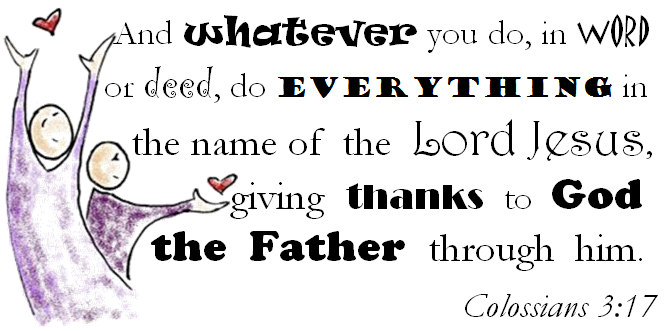
“And whatsoever ye do in word or deed, do all in the name of the Lord Jesus, giving thanks to God and the Father by him.” (Colossians 3:17).

(by Jere E. Frost, via “According To The Pattern”, Medina, TN, 04/01/1990)

WE BELIEVE the Bible to be the inspired word of God, a perfect and sufficient guide (2 Timothy 3:16, 17). It does not incidentally contain some things which we teach — it is the alpha and omega of our faith and practice, and we dare not go beyond it (2 John 9).

WE COME to you with no denominational plan seeking your favor, but only in the name of Christ, desiring to help you find the truth, anxious that you obey all of God’s commandments. The obedient have a right to the tree of life and may enter in through the gates into the city (Revelation 22:14). But those who merely cry, “Lord, Lord,” shall not enter into the kingdom of heaven (Matthew 7:21).

WE SUBMIT to the matchless authority of Christ, heeding the faultless message that He and his inspired servants taught (Hebrews 2:3). His word produces faith, and faith in Him as the Son of God is the foundation of hope (Hebrews 11:1; John 8:24). Every person must repent, repentance being required of all and death being held forth as the wage of refusal (Acts 17:30; Luke 13:3). Confession of faith in Christ is unto salvation, and upon such a confession one may be baptized (Romans 10:10; Acts 8:37). Baptism was commanded by Christ Himself (Mark 16:16), puts one into Christ (Galatians 3:27) where all spiritual blessings abound (Ephesians 1:3), and is for the remission of our sins and the salvation of our souls (Acts 2:38; 1 Peter 3:21). Who dares refuse it? Faithfulness unto life’s end is promised a rich heavenly reward (Revelation 2:10).

WE PRAY for unity among all professed believers, for Christ so prayed (John 17:20-23). Paul besought the Corinthians to be “of the same mind” and to “speak the same things.” (1 Corinthians 1:10). Since human wisdom is the cause of (not the cure for) division, we must discard and abandon it in order to be true to any prayer for unity. A perfect and God-given platform for genuine unity is set forth in Ephesians 4:3-6. This is the basis for spiritual harmony and lasting peace with God. Consider: One God (unity in worship), one Lord, Jesus Christ (unity in authority), one Spirit (unity in life), one faith (unity in doctrine), one body, the church (unity in organization), one baptism (unity in practice), and one hope (unity in desire and expectation).

WE REFUSE to sectarianize ourselves by wearing man-made religious names; they are not only unauthorized, but actually foment division. We are to be Christians, nothing more and nothing less, being completely satisfied and humbly grateful to be honored with the privilege of wearing Christ’s name (1 Peter 4:16). God has placed His name above every name, and the disciples wore it (Philippians 2:9; Acts 11:26). The body (church) of Christ also wears His name, preferring none other, and thus the New Testament speaks of “the churches of Christ” (Romans 16:16).

WE ENDEAVOR to speak where the Bible speaks, and to be silent where it is silent. Christians have no creed but Christ, are to uphold no name but the divine, and have no plea but the gospel. We should mutually seek to establish and maintain unity in essentials, liberty in opinions, and love in all things.

WE INVITE you, most sincerely, to come and study the Bible with us – pure Christianity is wonderful! Embrace it! Be just a Christian!

Agape

Hear Him

In a world filled with a myriad of voices, opinions, and influences, it can be challenging to discern the truth. As Christians, we are to hear and follow the voice of Jesus above all others. The Bible provides the clear words of Jesus and how we should prioritize hearing Him over other voices that compete for our attention. Let’s explore why it’s essential to hear Jesus and how we can overcome the distractions that often lead us away from His teachings.

Listening to Self.
In our modern culture, self-reliance and personal wisdom are often exalted. We’re told to “trust our gut” and “follow our hearts.” However, the Bible warns against leaning on our own understanding. Proverbs 3:5-6 reminds us, “Trust in the LORD with all thine heart; and lean not unto thine own understanding. In all thy ways acknowledge him, and he shall direct thy paths.”

    Imagine a ship’s captain in the middle of the ocean who ignores his navigational charts and instruments, relying solely on his instincts. Despite his confidence, he quickly becomes lost, unable to find his way through the vast and treacherous waters. In the same way, when we rely solely on our own understanding and desires, we can easily lose our way spiritually.

    Our hearts can be deceptive, leading us into paths that seem right but ultimately end in destruction. “The heart is deceitful above all things, and desperately wicked: who can know it” (Jeremiah 17:9)? Instead of placing our trust in ourselves, we are urged to submit to God and trust in His wisdom. When we choose to hear Jesus, we are placing our confidence in the One who knows all, sees all, and loves us all. By aligning our thoughts with His teachings, we find guidance and direction that are far beyond our limited human understanding.

    Listening to Relationships Like Family & Friends.
    Family and friends often have a significant influence on our lives. While these relationships are important, they must not take precedence over our relationship with Christ. In Matthew 10:37, Jesus makes a bold statement: “Anyone who loves their father or mother more than me is not worthy of me; anyone who loves their son or daughter more than me is not worthy of me.”

      This scripture isn’t a call to neglect our loved ones but rather a reminder to keep Jesus as our primary focus. When we elevate the opinions, traditions, and desires of others above the teachings of Christ, we risk compromising our faith. When we prioritize the voices of our loved ones over God’s Word, we become confused and unfocused in our walk with Christ

      Our love for Jesus should surpass all other affections, ensuring that His voice is the loudest in our lives. By hearing Jesus first, we can love and serve our families better, rooted in the truth of the Gospel.

      Listening to Authority Figures Without Verification.
      We live in a world where authority figures—be they religious leaders, politicians, or cultural icons—can significantly shape our beliefs. However, it’s crucial to remember that no human authority is infallible. Acts 17:11 praises the Bereans for their diligence in verifying Paul’s teachings: “These were more noble than those in Thessalonica, in that they received the word with all readiness of mind, and searched the scriptures daily, whether those things were so.”

        This passage encourages us to be discerning listeners. We should respect authority but also verify their words against the ultimate authority—the Word of God. Hearing Jesus requires us to examine everything through the lens of Scripture, ensuring that we remain grounded in truth (see 1John 4:1; 1Thess 5:21).

        Listening to Evil Spirits, Tarot Cards, Mediums, Psychics, and Astrology.
        In a quest for guidance and answers, some people turn to supernatural sources like tarot cards, mediums, psychics, and astrology. However, the Bible explicitly warns against such practices. Isaiah 8:19-20 says, “And when they shall say unto you, Seek unto them that have familiar spirits, and unto wizards that peep, and that mutter: should not a people seek unto their God? for the living to the dead? To the law and to the testimony: if they speak not according to this word, it is because there is no light in them.”

          Imagine a traveler, seeking guidance, consults a broken compass, believing it will lead them to their destination. Instead, it leads them further into danger. When we turn to tarot cards, psychics, or astrology, we are like that traveler, misguided and led astray. These sources cannot truly communicate with us or guide us because they are not from God.

          These practices are dangerous because they open the door to deception and spiritual harm. Instead of seeking answers from these sources, we are called to seek God directly. Jesus is the ultimate source of truth, and when we hear Him, we receive the guidance and wisdom that leads to life.

          Hearing Jesus.
          Amidst all these competing voices, God’s command is clear: we must hear Jesus. In Matthew 17:5, during the Transfiguration, God the Father declares, “This is my beloved Son, in whom I am well pleased; hear ye him!” This directive emphasizes the authority and importance of Jesus’ teachings. When we listen to Jesus, we are hearing the voice of God Himself.

            Jesus affirms this in John 14:6, where He states, “I am the way and the truth and the life. No one comes to the Father except through me.” By hearing and following Jesus, we find the true path to salvation and eternal life. His voice leads us to the Father, guiding us through the complexities of life with divine wisdom and love. We hear Jesus through the words that have been recorded for us in the New Testament. “He that rejecteth me, and receiveth not my words, hath one that judgeth him: the word that I have spoken, the same shall judge him in the last day” (John 12:48; cf. John 20:30-31).

            Hearing Jesus above all others is not just a command; it is a necessity for every believer. By prioritizing His voice, we can navigate the challenges of life with clarity, purpose, and peace. Let us commit to tuning our ears to His teachings, allowing His words to shape our hearts and guide our steps.

            Agape,
            spencer

            10 Things a Child of God Can Do

            Things Children of God Can Do:

            1. Fall from grace – Gal. 5:1-4,13

            2. Be led away with error – 2 Pet. 3:17

            3. Err from the truth – James 5:19-20

            4. Weak brother may perish – 1 Cor. 8:11

            5. Fall into condemnation – James 5:12

            6. Be moved away from the hope – Col. 1:21-23

            7. Deny the Lord who bought them – 2 Pet. 2:1

            8. Depart from the living God – Heb. 3:12

            9. Can be a castaway – 1 Cor. 9:27

            10. Can become accursed children – 2 Pet. 2:14

            Other scriptural arguments that refute “Eternal Security”

            A. The fact the Bible exhorts to faithfulness proves one can be lost
            be steadfast immovable
            : 1 Cor 15:58
            If these qualities are yours…2 Pe 1:5-11
            we will reap if we do not grow weary: Gal 6:9
            be faithful unto death and I will give crown of life: Rev 2:10
            practice these things and God will be with you: Phil 4:9

            B. Man has a free will: Josh 24:15 to argue otherwise is nonsense and is a veiled form of existentialism

            C. The Bible clearly prophesied some would fall away: Acts 20:28; 1 Ti 4:1

            D. Christians are to restore the fallen: Gal 6:1; Jas 5:19-20

            Illustrating Colossians 3:17.

            Doing All in the NAME of the Lord.

            And whatsoever ye do in word or deed, do all in the name of the Lord Jesus, giving thanks to God and the Father by him.” (Col 3:17)

            This verse encapsulates the essence of living a life fully devoted to Christ. It means more than just offering lip service or superficial honor to God; it demands genuine obedience to His commands in every aspect of our lives. To fully understand this, let us explore scriptural examples where individuals desired to honor God but failed to keep His commandments, thus illustrating the true meaning of doing all in the name of the Lord.

            Nadab & Abihu:

            A Cautionary Tale. Leviticus 10:1-2 provides a stark example of what happens when individuals seek to honor God without adhering to His explicit instructions. Nadab and Abihu, the sons of Aaron, offered “strange fire before the Lord, which he commanded them not.” Despite their likely intentions to honor God, their offering was contrary to His command, and as a result, fire came out from the Lord and consumed them. This incident underscores the critical importance of obedience. Honoring God is not just about good intentions; it requires strict adherence to His directives.

            Saul’s Amalekite Error.

            Another poignant example is King Saul’s disobedience in 1 Samuel 15. God commanded Saul to utterly destroy the Amalekites and all their possessions. Instead, Saul spared King Agag and kept the best of the livestock, justifying his actions by claiming that the animals were preserved for sacrifice to the Lord (1Samuel 15:15). However, Saul’s partial obedience was deemed rebellion. Samuel rebuked him, stating, “Behold, to obey is better than sacrifice, and to hearken than the fat of rams” (1Samuel 15:22). Saul’s failure highlights that honoring God involves complete obedience to His commands, not selective adherence.

            Well Meaning Uzzah.

            In 2 Samuel 6, we read about Uzzah, who, in a well-meaning effort to honor God, reached out to steady the Ark of the Covenant when the oxen stumbled. Despite his intentions, he violated God’s command that no one should touch the Ark (Numbers 4:15). As a result, Uzzah was struck dead by God (2Samuel 6:7). This account demonstrates that good intentions are not enough when they lead to disobedience. Honoring God requires respecting and following His specific instructions even under extreme circumstance.

            The Errors of the Pharisees.

            The Pharisees in the New Testament provide a further illustration of misplaced honor. They meticulously followed traditions and outward rituals, believing they were honoring God. However, Jesus criticized them for neglecting the more important matters of the law—justice, mercy, and faithfulness (Matthew 23:23). Their focus on external observance rather than heartfelt obedience and adherence to God’s true commands showed that they were not truly honoring God in their actions.

            Jesus Himself addressed the importance of true worship in Matthew 15:8-9, quoting Isaiah: “This people draweth nigh unto me with their mouth, and honoureth me with their lips; but their heart is far from me. But in vain they do worship me, teaching for doctrines the commandments of men.” Here, Jesus condemns those who appear to honor God outwardly but fail to adhere to His commands, substituting human traditions for divine instructions. True worship, according to Jesus, is rooted in obedience to God’s word.

            Applying Colossians 3:17 Today.

            For believers today, Colossians 3:17 is a call to full obedience. It challenges us to ensure that every word and deed aligns with God’s will as revealed in Scripture. It is not enough to perform acts of worship or service with good intentions if those acts are not grounded in obedience to God’s commands.

            For instance, when it comes to worship practices, evangelism, or daily living, our actions must be rooted in biblical directives. Doing everything in the name of the Lord means we act under His authority and guidance, ensuring our lives reflect His teachings and commands.

            Colossians 3:17 reminds us that honoring God involves more than mere intention or lip service. It requires a heart and life fully committed to obeying His will. True honor to God is found in faithful obedience to His word. Let us strive to do all in the name of the Lord, giving thanks to God and living in full submission to His divine will.

            Agape,

            Spencer

            This is part 4 of a series of lessons on the Duties of Saints, pt1

            Here is part 4 on the Duties of Saints.

            Titus, a fine example of service

            To Titus, mine own son after the common faith: Grace, mercy, and peace, from God the Father and the Lord Jesus Christ our Saviour.” (Titus 1:4)

            The New Testament offers us many exemplary figures whose lives embody the teachings and values of Christ. One such figure is Titus, a close companion of the Apostle Paul, who stands as a shining example of what it means to be a true child of God. As we strive to live out our faith, examining the life of Titus can provide us with valuable insights and inspiration.

            In a world where actions speak louder than words, the life of Titus provides clear evidence of a true follower of Christ. Paul’s confidence in Titus is evident in 2 Corinthians 8:23, where he refers to Titus as “my partner and fellowhelper concerning you.” This statement alone speaks volumes about the character and dedication of Titus. He was not just a believer in name but one whose actions and commitment were evident to all who knew him.

            Christians today, must continue to ensure that our lives provide similar evidence of our faith. Are we known as partners and workers for the benefit of the gospel? Do our actions consistently reflect our commitment to Christ?

            Titus was entrusted with significant responsibilities within the early church. Paul sent him to various challenging assignments, including dealing with difficult issues in the church at Corinth, and “ordain elders in every city” in Crete. Such trust from Paul indicates Titus’s reliability and dedication to the work of the Lord.

            Trust is built over time through consistent and faithful actions. We must also be trustworthy stewards of God. “Moreover it is required in stewards, that a man be found faithful” (1Cor 4:2). Our reliability in carrying out God’s work is a testament to our faith and commitment.

            Titus demonstrated unwavering faithfulness in his service to the Lord. He faced numerous challenges and opposition but remained steadfast. “But neither Titus, who was with me, being a Greek, was compelled to be circumcised” (Gal 2:1-3). Unwavering faithfulness means holding fast to the word of God, even when it is difficult. It means standing firm in our faith amid a world that often promotes contrary values. Just as Titus remained faithful despite opposition, we too must be resolute in our commitment to Christ, trusting that our perseverance is pleasing to God.

            One of the most admirable qualities of Titus was his sincerity in service. Paul speaks of Titus’s genuine care and concern for the well-being of the believers. “But thanks be to God, which put the same earnest care into the heart of Titus for you” (2Cor 8:16). He genuinely cared for the church.

            Sincere service is rooted in love and genuine concern for others. This means serving without seeking personal gain or recognition, serving out of a heartfelt desire to please God, to help and uplift others. Sincere service is a powerful demonstration of God’s love at work within us (cf. 1John 4:7-8).

            The example of Titus provides a powerful blueprint for how we should live as true children of God. Our faith should be evident in our actions, as we build trust through our reliability and dedication to God’s work. We must remain unwavering in our faith, standing firm against opposition.

            Agape,

            Spencer

            What do we GAIN if we GAIN the whole world?

            Matthew 16:26 says, “For what is a man profited, if he shall gain the whole world, and lose his own soul? or what shall a man give in exchange for his soul?”

            The world often tells us that success is measured by our wealth, our status, our accomplishments. But Jesus flips this notion on its head. He asks us to consider the value of our soul. What good is it if we gain everything the world offers, but lose the most precious thing we have—our eternal soul?

            We Give up our Soul

            Our soul is so valuable that God gave His own Son that we have the opportunity to be saved. Jesus died on the cross not to make us rich or famous, but to save our souls. He paid the ultimate price so that we might have eternal life. This is the greatest treasure, far surpassing anything the world can offer. (Rom 5:8-10)

            We gain the affection of the World

            When we set our affections on worldly gains over our spiritual well-being, we risk losing our soul. We can become so consumed by the pursuit of success, wealth, and approval that we neglect what is pleasing to God. We might find temporary happiness, but it’s fleeting and shallow compared to the deep, abiding joy that comes from knowing Christ. Romans 12:2 tells us, “And be not conformed to this world: but be ye transformed by the renewing of your mind, that ye may prove what is that good, and acceptable, and perfect, will of God.” We are to live differently, to set our minds on things above, not on earthly things.

            The Illusion of Worldly Gain

            The world tells us to chase after material wealth, to seek power and fame. It tells us that the more we have, the happier we will be. But how often have we seen people who seem to have it all, yet are deeply unhappy, unfulfilled, and lost? They’ve gained the world but lost their soul’s true purpose and joy.

            Jesus reminds us that our souls are eternal, while the things of this world are temporary. In 1 Timothy 6:7, we are reminded, “For we brought nothing into this world, and it is certain we can carry nothing out.” No amount of money, fame, or power can accompany us beyond this life. What truly matters is the condition of our soul.

            We gain nothing except what we deserve

            So, what do we win if we win the world but lose our soul? We gain nothing of true value. But when we seek first the kingdom of God and His righteousness, all these things will be added unto us (Matthew 6:33). When we focus on serving God, we find true peace, joy, and fulfillment.

            Revelation 3:21 promises, “To him that overcometh will I grant to sit with me in my throne, even as I also overcame, and am set down with my Father in his throne.” This is the ultimate reward—eternity with Jesus, reigning with Him in glory. This is worth far more than anything the world can offer.

            This article is part 1 of a series titled, God’s Moral Law. click here for part one.

            You’re invited to attend one of our services at the church of Christ on Franklin and Juniper in Borger Texas.