Would ye also go away?
John 6:67-68
They went away because of His Teaching.
John 6:53
Some go away because of Fear of men.
John 12:42
Some go away because of Doubts or Questions.
John 7:52-53
Some go away out of procrastination.
Matt 8:21
“Why did you doubt?” p3
(Matt 14:24-31).
Why do we doubt? What is the source of doubt? This series of articles seeks to search the scriptures for the answer, and to learn how to combat, or to Overcome Doubt.
The first article showed that Doubt is based on Disbelief, and the way to overcome disbelief is through knowledge of the Lord Jesus Christ. The second article spoke about obstacles that reveal doubt. This article will attempt to Overcome Doubt that arises when we turn away from the truth toward uncertainties.
When we begin to DOUBT, our response is often to take matters into our own hands. Think of those examples when folks didn’t know how God was going to fulfill a promise, so they tried to “help” Him out. Sarah’s suggesting Hagar (Gen 16:1-4). King Saul making an unlawful sacrifice when Samuel was delayed (1Sam 13:8-13).
When life becomes uncertain, we may place our trust in more UNCERTAINTIES. We try to walk by sight instead of by faith. When doubts arise and fears dismay, we place our trust in earthly resources.
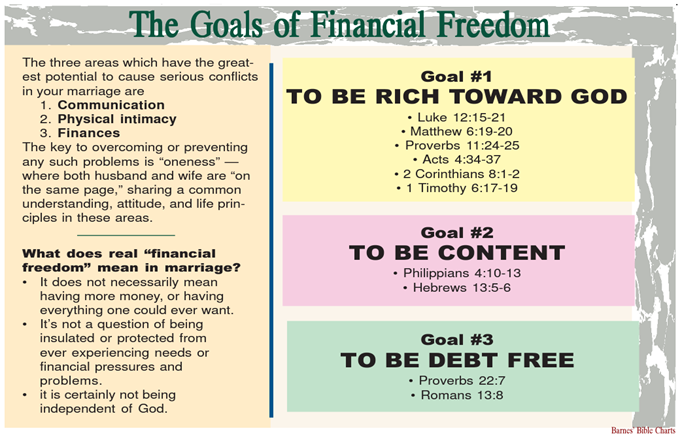
Paul charged Timothy to warn the rich of this. “But they that will be rich fall into temptation and a snare, and into many foolish and hurtful lusts, which drown men in destruction and perdition. Charge them that are rich in this present world, that they be not highminded, nor have their hope set on the uncertainty of riches, but on God, who giveth us richly all things to enjoy” (1Tim 6:9, 17).
For many of us, instead of the NOTHING wavering faith of James 1, we become tossed about by every wind of doctrine. “That we henceforth be no more children, tossed to and fro, and carried about with every wind of doctrine, by the sleight of men, and cunning craftiness, whereby they lie in wait to deceive” (Eph 4:14). We turn from the truth of God’s word to the opinions of others.
When doubt increases, others place their trust in SELF. “I’ll do it my way.” “Daring, self-willed, they tremble not to rail at dignities” (2Pet 2:10; Lu 12:15-21).
These things may appear helpful, but they are UNFRUITFUL. The deceit of the world leads to being unfruitful, “And some fell among thorns; and the thorns sprung up, and choked them: He also that received seed among the thorns is he that heareth the word; and the care of this world, and the deceitfulness of riches, choke the word, and he becometh unfruitful” (Matt 13:7,22; Mark 4:18,19).
For some they turn to seemingly successful & happy people that end up ROBBING them of whatever faith they have remaining. “Let no man deceive you with empty words: for because of these things cometh the wrath of God upon the sons of disobedience” (Eph 5:6; Col 2:4,8,18; 3:6; 2Th 2:3).
Paul wrote about these deceptive people, “holding a form of godliness, but having denied the power therefore. From these also turn away. For of these are they that creep into houses, and take captive silly women laden with sins, led away by divers lusts, ever learning, and never able to come to the knowledge of the truth” (2Tim 3:5-7).
Each of the above strategies smack of an EARTHLY wisdom from beneath that moves away from the wisdom of God’s word that comes from above. “This wisdom is not a wisdom that cometh down from above, but is earthly, sensual, devilish. For where jealousy and faction are, there is confusion and every vile deed” (James 3:15-16).
What is the remedy to doubt?
The first and main thing we need to do to answer doubt is to continue to SEEK the kingdom of God and his righteousness. In the famous passage on worry, Jesus said, “But seek ye first his kingdom, and his righteousness; and all these things shall be added unto you” (Matt 6:33). Just because we sometimes doubt, doesn’t mean we stop doing the right thing. Sin is never the answer to doubt.
Look UP, set your affections on things above. Developing hope is a great strategy for overcoming or alleviating doubt. “If then ye were raised together with Christ, seek the things that are above, where Christ is, seated on the right hand of God. Set your mind on the things that are above, not on the things that are upon the earth. For ye died, and your life is hid with Christ in God. When Christ, who is our life, shall be manifested, then shall ye also with him be manifested in glory” (Col 3:1-4). When we have a big enough why, we can endure any how.
We can READ the word of the Lord. When we don’t know what to do, instead of turning to the earthly advice, turn to the word of God, or to people that will give godly advice (Titus 2:1-8). His word gives us all things pertaining to life and godliness (2Pet 1:3). Doubt is the opposite of faith, and faith comes by hearing (Rom 10:17). Read the bible for insight into this life. We can learn how to handle fear and doubt by reading of the examples of those that faced the same things. “Every scripture inspired of God is also profitable for teaching, for reproof, for correction, for instruction which is in righteousness. That the man of God may be complete, furnished completely unto every good work” (2Tim 3:16-17).
While doubt is uncomfortable, there is still hope. Doubt tends to focus on what’s missing. There are still things to ENJOY. The wise advice of one of our songs is to “count your many blessings.” Look for what is good, and watch for the good that may come from our continued faithfulness in times of trial. James wrote for us to count it all joy when we face trials. “Count it all joy, my brethren, when ye fall into manifold temptations; Knowing that the proving of your faith worketh patience” (James 1:2-3).
“Every good gift and every perfect gift is from above, coming down from the Father of lights, with whom can be no variation, neither shadow that is cast by turning” (James 1:17).
Agape,
Spencer
This is part 3 of a series on Overcoming Doubt.

 Borger church of Christ @ Franklin & Juniper