
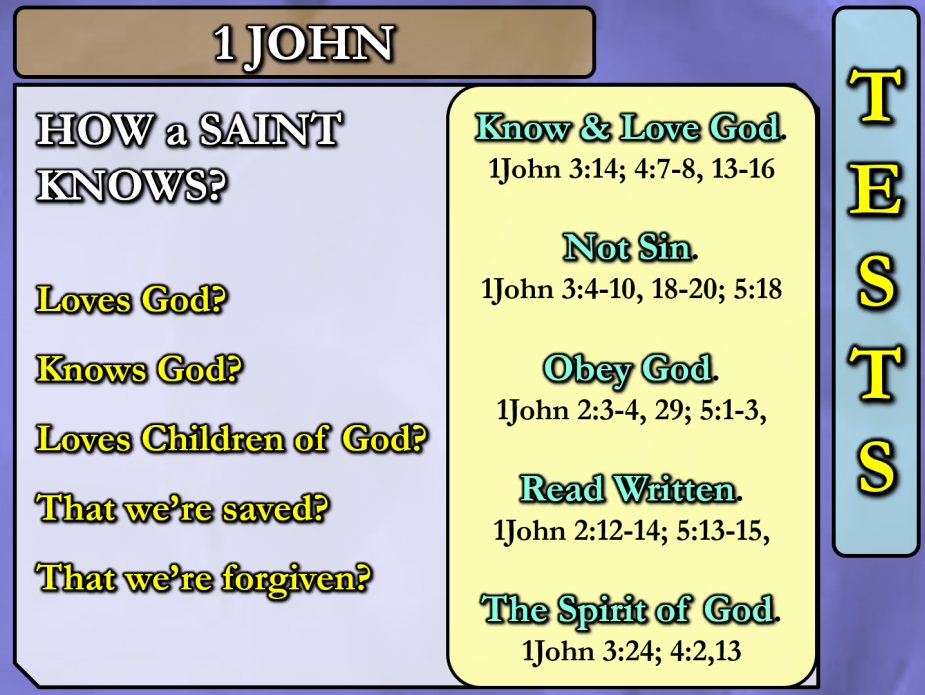
Many who claim to follow Jesus assert they “hear God” or “feel the Holy Spirit” guiding them through personal experiences, visions, or inner promptings. While sincerity is commendable, the New Testament instructs believers to test such claims against the inspired Word of God, which alone reveals His will. The Bible warns that not every spirit is from God (1John 4:1), and it provides the sole standard for discerning truth. Today, no one receives divine revelation apart from Scripture, and we must lovingly but firmly guide others to this truth.
The New Testament teaches that God’s revelation was completed through the apostles and prophets. John 20:30-31 declares that the recorded signs of Jesus are sufficient for belief and life in His name. Similarly, 2Timothy 3:16-17 affirms that Scripture is “by inspiration of God” and equips believers for every good work, leaving no need for additional revelation. The apostles, uniquely inspired by the Holy Spirit (John 16:13; Acts 2:4), delivered the faith “once delivered unto the saints” (Jude 3). This completed revelation warns against adding to or subtracting from God’s Word (Revelation 22:18-19).
Claims of hearing God apart from Scripture often lead to confusion, as seen in the conflicting beliefs among denominations. The Bible cautions against deceptive spirits and false prophets (2Corinthians 11:13-15; 1Timothy 4:1). Jesus Himself warned of false christs and prophets who would mislead many (Matthew 24:24). If individuals claim divine guidance that contradicts Scripture or leads to opposing doctrines, such “spirits” fail the test of 1John 4:2-3, which demands alignment with the apostolic testimony about Christ.
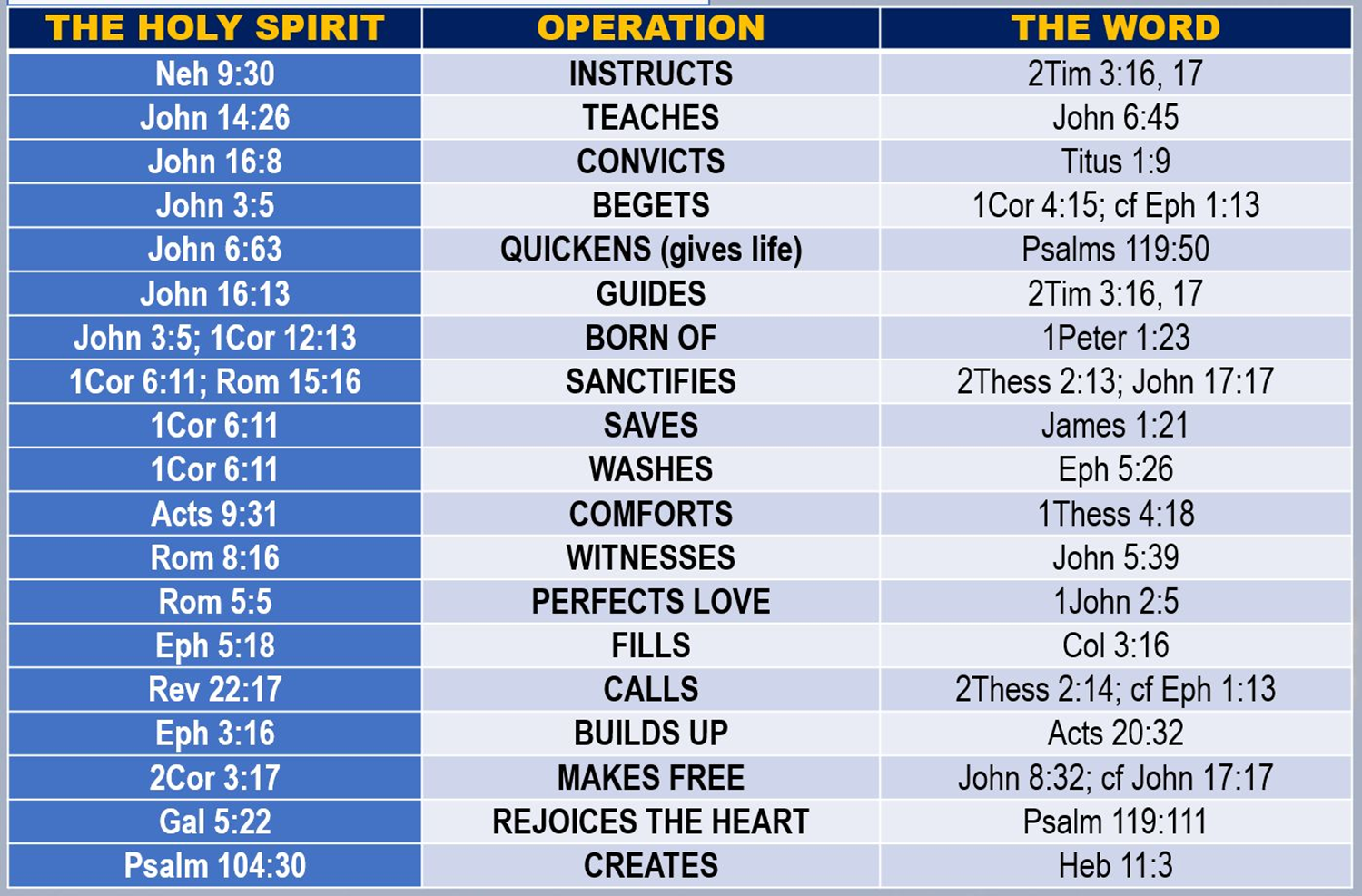
The Holy Spirit’s work today is not to provide new revelations but to illuminate the written Word. Jesus promised the Holy Spirit would guide the apostles into all truth (John 16:13), a process fulfilled in the New Testament’s completion. Ephesians 3:3-5 reveals that God’s mystery was made known through apostolic writings, not ongoing personal revelations. Peter underscores that Scripture, inspired by the Spirit, surpasses even eyewitness experiences (2Peter 1:16-21). Thus, any claim of divine communication must be measured against the Bible’s unchanging standard.
To those who feel they “hear God,” we respond with compassion but clarity: God has spoken fully through His Word. Hebrews 1:1-2 contrasts God’s past revelations with His final word in Christ, recorded in Scripture.
Personal feelings, while powerful, are subjective and fallible (Jeremiah 17:9). The Bereans were commended for testing even Paul’s teachings against Scripture (Acts 17:11). We must do the same, trusting that the Bible alone is sufficient to guide us into God’s will (Psalm 119:105). In a world of competing voices, Christians must anchor their faith in the inspired, complete Word of God. By testing every spirit against Scripture, we guard against deception and find the true path to knowing God.
“The heart is deceitful above all things, and desperately wicked: who can know it?” (Jeremiah 17:9)
“I verily thought with myself, that I ought to do many things contrary to the name of Jesus of Nazareth.” (Acts 26:9)
agape
Spencer



 Borger church of Christ @ Franklin & Juniper