

Gratitude; God expects it.
November’s cozy gatherings and pumpkin-spiced moments spark a flicker of gratitude in many of us. Yet, as Black Friday ads flood our screens and holiday shopping takes over, thankfulness often gets trampled under a scramble for deals. God’s Word, however, doesn’t limit gratitude to a single day like Thanksgiving. Scripture reveals that God expects His people to live with thankful hearts every day.
Gratitude refocuses our hearts toward His goodness. In 1 Thessalonians 5:18, Paul writes, “Give thanks in all circumstances; for this is God’s will for you in Christ Jesus.” This is no suggestion; it’s God’s clear expectation.
A compelling example of His displeasure with ingratitude comes from Numbers 11:1-6, where the Israelites grumbled about their wilderness provisions, longing for Egypt’s food instead of praising God for their miraculous deliverance. Their complaints provoked God’s anger, and fire broke out in their camp as a consequence. This stark moment shows that ingratitude dismisses God’s provision, and brings on God’s anger.
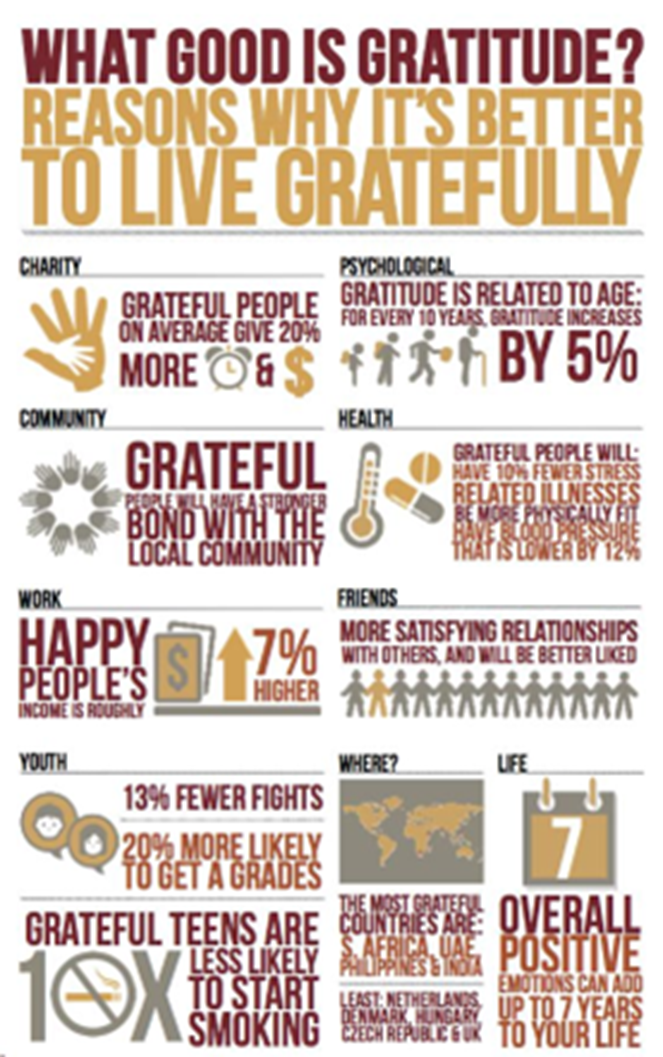
Today, when we fixate on what we lack (especially amid our seasonal materialistic rush) we risk echoing the Israelites’ error. Ingratitude is among the conditions that invoke God’s anger, (Romans 1:21). Gratitude, as psychologist Robert Emmons notes in his studies, shifts our focus from scarcity to abundance, helping us see God’s hand in every detail, from daily bread to His unending grace. We don’t need science to tell us what scripture already reveals (Matt 6:25-34).
Gratitude in our worship will deepen our connection to God. Psalm 100:4 says, “enter His gates with thanksgiving and His courts with praise.” God expects gratitude because it acknowledges His sovereignty and faithfulness. When we thank Him daily, whether for an answered prayer or strength in trials, we are acknowledging His blessings in our lives (James 1:17). This counters the fleeting gratitude of social media posts that fade as holiday sales dominate. By making thankfulness a habit, we fulfill God’s desire for a people who recognize His goodness, drawing closer to Him in a world that often pulls us away.
Finally, a grateful heart is essential to being the light of the world that we are showing others, meeting His expectation for us to live as His light. Colossians 3:15-17 urges us to “let the peace of Christ rule in your hearts” and act “with gratitude.” Thankfulness fuels the brightness of our light and allows us to pierce the shadows of darkness, drawing others to Christ. When we’re grateful, we’re less likely to look like the word (in judgment or envy), and more likely to be a blessing to others. Gratitude strengthens our connection to those around us. In a season tempting us to value “things” over people, gratitude keeps us grounded in what matters.
God expects our gratitude every day, not just on Thanksgiving Day. Start now; thank Him for one thing each morning, big or small. Let’s glorify Him, avoiding the Israelites’ mistake, and let a thankful heart shine His love daily.
agape
spencer






 Borger church of Christ @ Franklin & Juniper