The Dilemma of Situation Ethics: Does Context Override Sin?

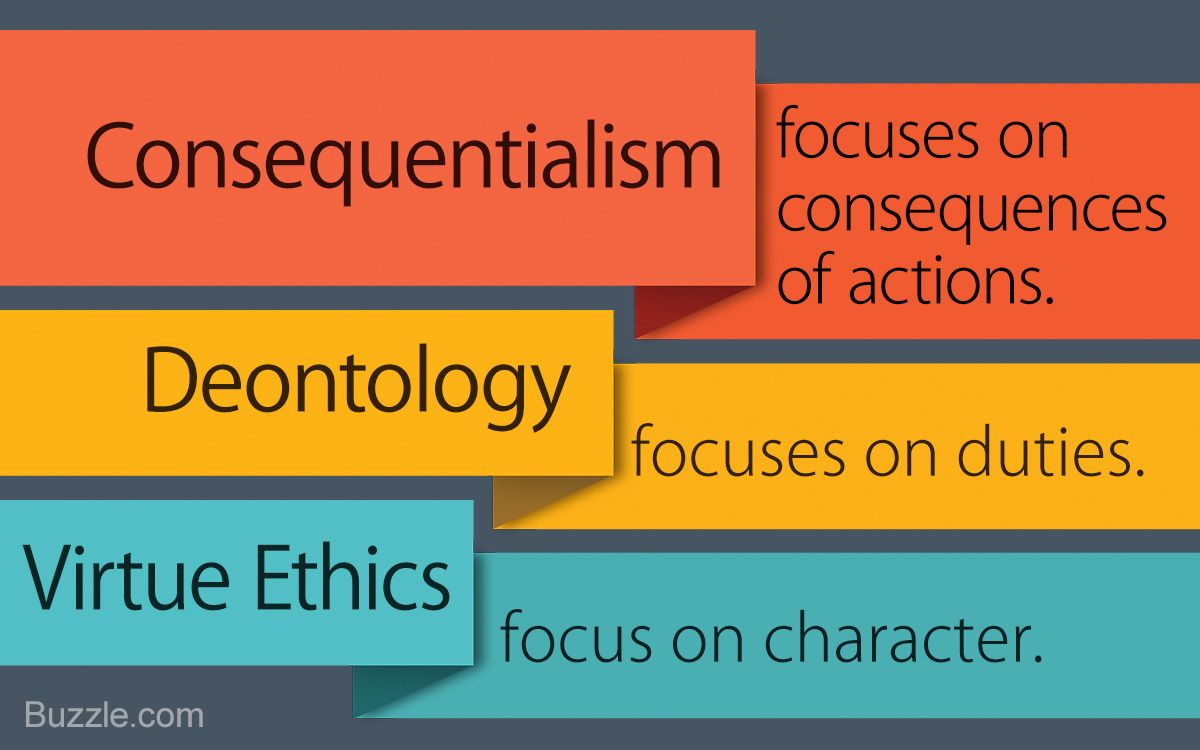
In the annals of ethical debates, one recurring question persists: Does the situation in which an action occurs negate its moral implications? This quandary, often debated through the lens of religious texts, confronts individuals with profound moral choices. In examining this issue, we turn to the biblical narrative and explore various instances where situation ethics clash with divine standards.

Consider the tragic fate of Uzzah, recounted in 2 Samuel 6:6-7. When the oxen shook the Ark of God, Uzzah instinctively reached out to steady it, resulting in his untimely death. David’s subsequent realization underscores the importance of adhering to divine commands, (1Chron 15:2).

Despite Uzzah’s noble intention to prevent the Ark from falling, his actions were deemed irreconcilable with God’s decree that only Levites should handle the holy chest. Here, the severity of the situation did not absolve Uzzah of his transgression.

Integrity with God’s word emerges as a central theme in assessing ethical conduct. Matthew 22:37-39 underscores the importance of genuine intentions rooted in love for God and others. However, the case of misguided zeal, exemplified by Saul of Tarsus before his conversion to Christ, serves as a cautionary tale. Despite his fervent dedication to what he perceived as righteous, Saul’s actions contradicted God’s will, as evidenced in Acts 22:3-4 and Acts 26:9. This distinction between sincerity and righteousness highlights the inadequacy of integrity alone in determining moral correctness.

The danger of zeal divorced from truth is clarified in Romans 10:1-2, where Paul laments the misplaced fervor of his fellow Jews. Their zeal, though commendable, lacked the necessary foundation of divine knowledge, rendering it futile. This warning resonates in contemporary contexts where churches compromise doctrinal integrity to appeal to broader audiences, as seen in the emphasis on entertainment over spiritual truth.

Scriptural admonitions against deviating from doctrinal purity underscore the gravity of adhering to divine truth. 1Timothy 1:3 and 2John 1:10 caution against the acceptance of alternative teachings, emphasizing the exclusivity of divine doctrine. The solemn declaration in Galatians 1:8, 9 reinforces the unequivocal nature of the gospel, rejecting any deviation from its foundational truths. “But though we, or an angel from heaven, preach any other gospel unto you than that which we have preached unto you, let him be accursed. As we said before, so say I now again, If any man preach any other gospel unto you than that ye have received, let him be accursed.”

The problem of situation ethics poses a formidable challenge to individuals grappling with moral decisions. The biblical narrative offers valuable insights into the intersection of context and morality, emphasizing the enduring relevance of divine standards. While circumstances may vary, the timeless principles articulated in Scripture serve as unwavering guides, reminding believers that situational complexities do not negate the eternal truths of righteousness and integrity. We are to navigate the intricacies of ethical dilemmas with steadfast adherence to divine precepts, knowing that no situation can justify a departure from the immutable standards of God.

Agape,

Spencer

This article is part 4 of a series titled, God’s Moral Law. click here for part one.

You’re invited to attend one of our services at the church of Christ on Franklin and Juniper in Borger Texas.
Why did you Doubt? pt4

The previous articles looked at doubt from Disbelief, Obstacles, Untruths, and now we look at doubt that comes from strife & divisive behavior.

Casting doubt is the next on our list of reasons why we doubt. There are some outside of the church that cast doubt, but there are also some inside the church.

The church is wonderful. Jesus said this about the church, “I will build my church; and the gates of hell shall not prevail against it” (Matt 16:18b). He built it, and it’s indestructible, but that doesn’t mean some won’t try.

For the most part, folks aren’t necessarily trying to wreck the church, but we can be casting doubt upon it through certain attitudes and actions. This leads to some leaving the church.

People do not like conflict. When we fail to resolve issues in kind, loving and truthful ways it leads to disappointment and division. Some leave to another congregation. Others leave the church for a denomination.

To ward off doubt, we need to identify our negative behaviors without casting more doubt!

5 things we do to cast doubt upon others in the church.

The first negative behavior that casts doubt on others is BACKBITING. “A froward man soweth strife: and a whisperer separateth chief friends” (Prov 16:28). In Romans, backbiting is in the list of the unrighteous (Rom 1:30. It’s among the list of thing Paul hoped to find missing when he visited the church at Corinth (2Cor 12:20). Backbiting is defaming speech to attack the good name or reputation of a person by uttering anything false or injurious. This can cast doubt on the faith of some by tearing down those who teach, aid, or example for others. This kind of doubt leads to trust issues and divisions.

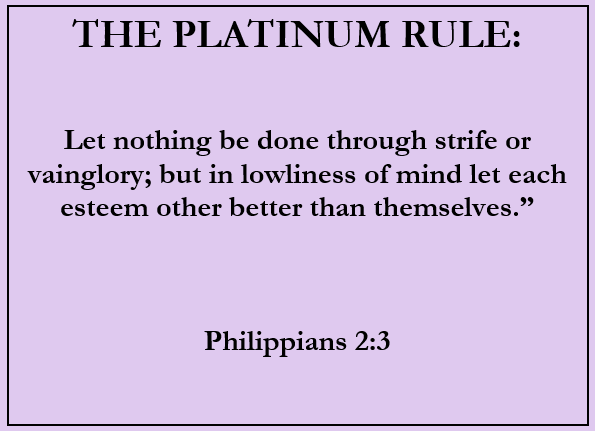
The next way we could cause doubt is through RIVALRIES. The church at Corinth had this problem. “For ye are yet carnal: for whereas there is among you envying, and strife, and divisions, are ye not carnal, and walk as men” (1Cor 3:3)? The first chapter shows the root of this rivalry was about who baptized who. In chapter six there was rivalry caused by doing wrong to one another and they were taking their grievances before unbelievers (6:1-6). This causes doubt about the church inside and outside the church. “For where envying and strife is, there is confusion and every evil work” (James 3:16). This sort of doubt causing gives occasion for the enemies of God to blaspheme.

EVIL Speaking is another area when we might cast doubt. I recall a friend telling me about when he was a kid riding home with his parents from worship. They began to speak about something a brother in Christ had done when his father stopped the conversation. His father told him that he didn’t want to talk poorly about a brother in front of the kids. Perhaps the brother would repent, but if they had poisoned the mind of the children about this brother, they may harbor ill feelings toward him into adulthood. “Wherefore laying aside all malice, and all guile, and hypocrisies, and envies, and all evil speakings, As newborn babes, desire the sincere milk of the word, that ye may grow thereby” (1Pet 2:1-2). “A false witness that speaketh lies, and he that soweth discord among brethren” (Prov 6:12-14; 19). This kind of doubt leads to division between brethren and ultimately a weaker congregation.

The next attitude is ANGER toward others in the church. “But now ye also put off all these; anger, wrath, malice, blasphemy, filthy communication out of your mouth.” (Col 3:8, 21; Eph 4:31, 26). Animosity is in opposition to loving kindness. “Put on therefore, as the elect of God, holy and beloved, bowels of mercies, kindness, humbleness of mind, meekness, longsuffering. (Col 3:12). When people come together there may times when we disappoint each other, but we must not allow this to develop into anger and cause division and doubt about our brethren or doubt about the church. “Beloved, let us love one another: for love is of God; and every one that loveth is born of God, and knoweth God. He that loveth not knoweth not God; for God is love” (1John 4:7-8).

Lastly, there is doubt cast on another when someone lays claim to special KNOWLEDGE that others lack. Paul warned Timothy about these people. “But foolish and unlearned questions avoid, knowing that they do gender strifes” (2Tim 2:23). “He is proud, knowing nothing, but doting about questions and strifes of words, whereof cometh envy, strife, railings, evil surmisings” (1Tim 6:4). When people engage in doubtful disputations (Rom 14:2) it may cause a weaker brother to stumble. Paul also wrote about KNOWLEDGE that a strong brother has that a weaker brother does not have. In these cases, the stronger brother is to forebear so as not to cause stumbling in the weaker.

But take heed lest by any means this liberty of yours become a stumblingblock to them that are weak. For if any man see thee which hast knowledge sit at meat in the idol’s temple, shall not the conscience of him which is weak be emboldened to eat those things which are offered to idols; And through thy knowledge shall the weak brother perish, for whom Christ died” (1Cor 8:9-11)?

Casting doubt about brethren casts doubt about the church for the church is the brethren. There will be disagreements, disappointments, and differences in understanding. However, these can be overcome through Love for God, Love for His word and Love for one another.

Agape,

Spencer

This is part 4 of a series on Overcoming Doubt.

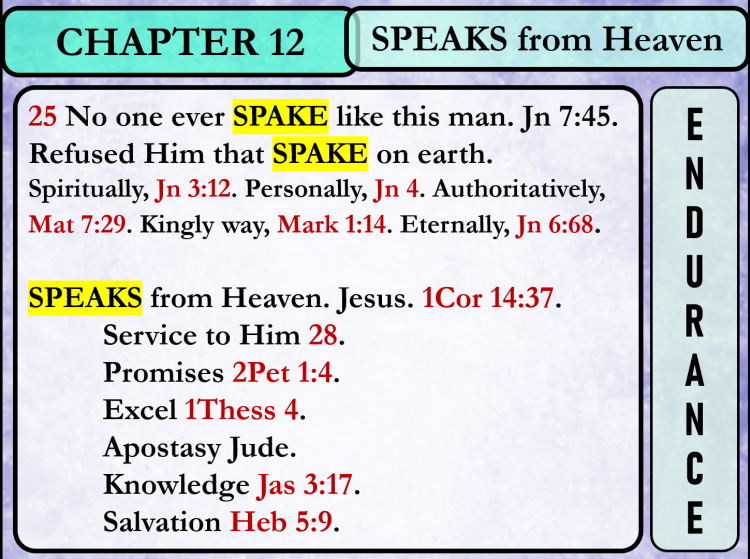
Hebrews 12; SPEAKS from Heaven

25 No one ever SPAKE like this man. Jn 7:45.

Refused Him that SPAKE on earth.

Spiritually, Jn 3:12.

Personally, Jn 4.

Authoritatively, Mat 7:29.

Kingly way, Mark 1:14.

Eternally, Jn 6:68.

SPEAKS from Heaven. Jesus. 1Cor 14:37.

  Service to Him 28.

  Promises 2Pet 1:4.

  Excel 1Thess 4.

  Apostasy Jude.

  Knowledge (wisdom from above) Jas 3:17.

  Salvation Heb 5:9.

Click here for an outline of the book of Hebrews.

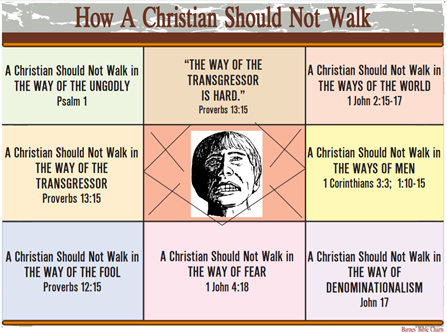
WALK as other gentiles

Paul wrote in Ephesians four:

This I say therefore, and testify in the Lord, that ye henceforth walk not as other Gentiles walk, in the vanity of their mind, Having the understanding darkened, being alienated from the life of God through the ignorance that is in them, because of the blindness of their heart: Who being past feeling have given themselves over unto lasciviousness, to work all uncleanness with greediness.”

This is one of the 7 WALKS found in Ephesians. Let’s break down this WALK of the other Gentiles to find what we may learn.

THE FUTILE WALK. Eph 4:17-19

The first thing that jumps out is verse 17, WALKING in the VANITY of their minds. This word vanity refers to our modern word ‘FUTILITY.’ Futile means; incapable of producing any result; ineffective; useless; not successful; trifling; frivolous; unimportant. Once you see that, you can immediately recognize this problem with so many of us. We focus on the minors, ignoring the majors. We know more about the celebrities of pop culture than we do of the heroes of faith (cf. Heb 11). Keeping up with the Kardashians will not help any go to heaven.

In one sense, everything is trivial when compared to an eternity in Heaven or Hell. If we elevate any activity above serving the Lord, it is WALKING IN FUTILITY. Politics, Pop Culture or even your Papa can become vanity when we view them as our savior.  Jesus said, “He that loveth father or mother more than me is not worthy of me: and he that loveth son or daughter more than me is not worthy of me.” (Matt 10:37). Paul wrote, “And he is the head of the body, the church: who is the beginning, the firstborn from the dead; that in all things he might have the preeminence.” (Col 1:18)

The next glaring condition is, “being ALIENATED from the life of God.” Paul’s theme in the opening chapters of Ephesians are about ALIENS being reconciled to God. “Wherefore remember, that ye being in time past Gentiles in the flesh, who are called Uncircumcision by that which is called the Circumcision in the flesh made by hands; That at that time ye were without Christ, being aliens from the commonwealth of Israel, and strangers from the covenants of promise, having no hope, and without God in the world:” He finishes by saying, “But now in Christ Jesus ye who sometimes were far off are made nigh by the blood of Christ.” (Eph 2:11-13) being ALIENATED from God is a hopeless existence and to be greatly avoided.

Next, Paul describes the walk of the other gentiles as giving themselves over to “LASCIVIOUSNESS, to work all uncleanness with greediness.” (4:19). This describes LEWD behavior coupled with greediness. Greed is exemplifying self.

Paul will write to the Galatians about the lust of the flesh, one of which is ‘selfish ambitions’ (emulations kjv). Look at the other lists in Romans 1:20-32; 1Corinthians 6:9-10; 2Timothy 3:1-9 et al. LEWD & GREED together opens the door to all kinds of debauchery in hedonism.

Lastly, intermixed with all of the above is that their understanding is darkened. Their KNOWLEDGE of God, His Love, His Promises, His Sacrifice is as blindness of the heart. He also calls it ‘ignorance.’ It’s one thing to be ignorant, this text suggests ignorance because they don’t want to know. Someone who will not see has no advantage over the one that cannot see.

The most common problem I notice when talking to folks is the complete lack of interest in the reading of God’s word. This among those who claim to love the Lord. They often refer to what they think the bible says, what their pastor said, what they think they know, but seldom do they actually know. “And why call ye me, Lord, Lord, and do not the things which I say?” (Luke 6:46).

The bible says this about the Word, “All scripture is given by inspiration of God, and is profitable for doctrine, for reproof, for correction, for instruction in righteousness: That the man of God may be perfect, throughly furnished unto all good works.”