The Necessity of Hearing and Obeying the Written Word of God

The Bible is God’s communication to us, written to guide, instruct, and equip His people. In Ephesians 3:1-5, Paul reminds Christians that God revealed His mystery to the Apostles and prophets by the Holy Spirit, ensuring that all can now understand it through what has been written. This truth highlights the sufficiency and authority of Scripture for every generation.

It was Written for Us Today: No Continuing Revelation

Paul’s words affirm that the Scriptures are complete. In Ephesians 3:3-5, he explains that the mystery of Christ has been fully revealed and recorded for our understanding. This aligns with Jude 3, which tells us the faith was once delivered to the saints. There is no need for additional revelations. Galatians 1:8-9 warns against anyone who would add to or alter the gospel, emphasizing that God’s Word is final and unchanging. Likewise, 2 Peter 1:3 assures us that God has given us everything necessary for life and godliness through His Word. Scripture alone contains the truth we need to live faithfully (2Tim 3:15-17).

It was written to be obeyed

Jesus asked, “Why call ye me, Lord, Lord, and do not the things which I say?” (Luke 6:46). His question emphasizes the necessity of obeying His commands. The written Word is not merely for information but for transformation and obedience. Paul reinforced this in 2 Thessalonians 3:14, urging discipline for those who disregard the apostles’ writings. The Great Commission (Matthew 28:20) reminds us to observe all Christ has commanded, and John 12:48 warns that His Word will be the standard by which we are judged.

It was Revealed to a Select Few, Confirmed by Miracles and Signs

Scripture’s authority is rooted in its divine inspiration. As Paul explains in Ephesians 3:5, the Holy Spirit revealed God’s truth to him and other select Apostles and prophets. Miracles and signs confirmed their message (Mark 16:20). Paul highlights these “signs of an apostle” in 2 Corinthians 12:12, showing their role in validating God’s Word. However, these miraculous gifts ceased with the completion of divine revelation (1 Corinthians 13:8-10), leaving us the written Word as the enduring foundation of faith.

Diligence is Required to Study and Apply the Word

Understanding God’s will requires effort. Paul instructs Timothy to “study (give diligence) to shew thyself approved unto God” (2 Timothy 2:15). The Bereans, commended in Acts 17:11, exemplify this diligence by examining the Scriptures daily. Abiding in the doctrine of Christ, as emphasized in 2 John 1:9, is essential for fellowship with God.

The Bible is God’s sufficient and final revelation. Let us treasure it, study it, and obey its commands to walk in His will and receive eternal life.

Whereby, when ye read, ye may understand my knowledge in the mystery of Christ).” (Eph 3:4)

Agape, Spencer

to what shall we compare the WORD?

The Bible is filled with powerful imagery to describe the Word of God, using metaphors that reflect its dynamic and life-altering nature. From being a weapon in spiritual warfare to our daily spiritual sustenance, the scriptures portray the Word as essential for life, growth, and transformation.

1. The Word as a Weapon: Sword and Hammer

The Word of God is often depicted as a tool of immense power, capable of cutting through deception and breaking down barriers. In Ephesians 6:17, the Apostle Paul describes the Word as “the sword of the Spirit,” a crucial part of the armor of God. This sword is not just any weapon but one that can pierce deeply, exposing the truth and confronting the lies and temptations of the enemy.

Similarly, Hebrews 4:12 emphasizes that “the word of God is quick, and powerful, and sharper than any twoedged sword,” underscoring its ability to discern “the thoughts and intents of the heart.” This sharpness reflects the way God’s Word penetrates to the deepest levels of human existence, challenging us, revealing sin, and guiding us toward righteousness.

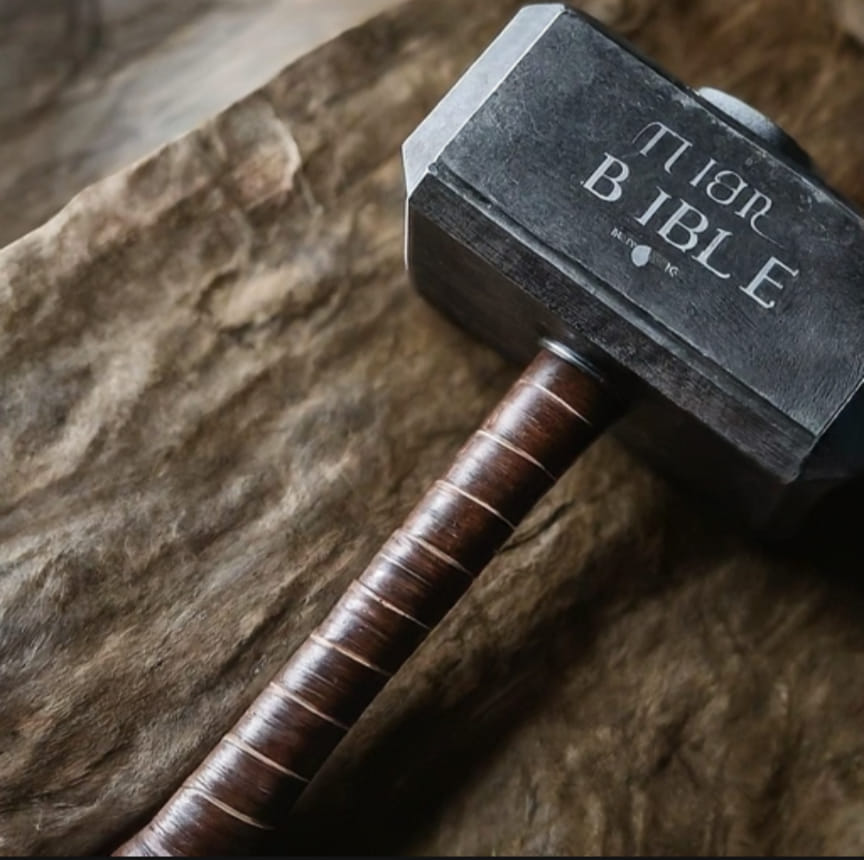
In Jeremiah 23:29, God says, “Is not my word like a fire? saith the Lord; and like a hammer that breaketh the rock in pieces?” The image of a hammer conveys the sheer strength of the Word, which can break through even the hardest heart, bringing about conviction, repentance, and transformation.

2. The Word as Our Daily Food: Bread, Milk, Meat, & Honey

The Bible also presents the Word of God as essential nourishment for our spiritual lives. In Matthew 4:4, Jesus declares, “Man shall not live by bread alone, but by every word that proceedeth out of the mouth of God.” Here, the Word is compared to bread, the basic sustenance for life. Just as physical bread nourishes the body, the Word of God nourishes the soul, giving us the strength we need to grow and thrive spiritually.

For those new in their faith, the Bible compares the Word to milk. 1 Peter 2:2 encourages believers, “As newborn babes, desire the sincere milk of the word, that ye may grow thereby.” Just as infants need milk to grow strong and healthy, new believers need the simple truths of the Word to mature in their faith.

As we grow, the Bible encourages us to go beyond the milk of the Word to the deeper, richer truths that are compared to meat. Hebrews 5:14 says, “Strong meat belongeth to them that are of full age.” This metaphor emphasizes that the Word is not only for the spiritual beginner but also for the mature believer seeking deeper spiritual understanding.

In Psalm 19:10, the Word of God is described as “sweeter also than honey and the honeycomb.” Honey represents sweetness and pleasure, highlighting how the Word brings delight, satisfaction, and joy to those who meditate on it and apply its teachings.

3. The Word as Life-Giving Rain and Snow

The Bible uses natural cycles like rain and snow to symbolize the life-giving impact of God’s Word. In Isaiah 55:10-11, God compares His Word to rain and snow that water the earth and make it fruitful: “So shall my word be that goeth forth out of my mouth: it shall not return unto me void, but it shall accomplish that which I please.” Just as rain and snow nourish the ground, causing plants to grow and produce fruit, the Word of God accomplishes its purpose, bringing growth and fruitfulness to our spiritual lives.

4. The Word as Light in Darkness

Finally, the Word of God is described as light, providing guidance and clarity in a dark world. Psalm 119:105 declares, “Thy word is a lamp unto my feet, and a light unto my path.” Without the Word, we would stumble in spiritual darkness, unable to see the right way forward. The Word reveals the truth, showing us the path of righteousness and helping us navigate life’s challenges with wisdom and discernment.

The Word of God is a powerful weapon, an essential source of nourishment, a life-giving force, and a guiding light. Its metaphors reflect its multifaceted role as it confronts, sustains, renews, and leads us closer to God. As we embrace the Word, we experience its transforming power and its ability to equip us for every good work.

Agape

spencer