
Faith, Hope, and Love: The Keys to Overcoming Troubles and Troublers

Life can throw some heavy punches, can’t it? For the believers in Thessalonica, those punches came in the form of persecutions, false teachings, and even some within their own community slacking off and stirring up trouble. Yet, in his second letter to them, Paul points to three timeless virtues (faith, hope, and love) as the keys to standing firm, no matter what others say or do. Rooted in knowing God’s word, these qualities enabled the Thessalonians to rise above their troubles and the “lowness” of their troublers.

Chapter 1: Enduring Through Faith, Hope, and Love

The Thessalonian church was under fire, literally and figuratively. They faced “persecutions and tribulations” (2 Thessalonians 1:4, KJV), likely from hostile neighbors or authorities who opposed their faith. Yet Paul couldn’t stop bragging about them: “We ourselves glory in you in the churches of God for your patience and faith in all your persecutions and tribulations that ye endure” (1:4). Their faith wasn’t just a Sunday morning nod to God; it was a steadfast trust in His promises, even when the world seemed against them. That faith, Paul says, was “growing exceedingly” (1:3), and their love for one another was increasing right alongside it.

But what kept them going? HOPE. Paul paints a vivid picture of hope tied to God’s justice and Christ’s return: “Seeing it is a righteous thing with God to recompense tribulation to them that trouble you; And to you who are troubled rest with us, when the Lord Jesus shall be revealed from heaven with his mighty angels” (1:6-7). The promise that God would deal with their troublers and grant them relief gave them a reason to hold on. This hope wasn’t wishful thinking, it was grounded in God’s word, which assured them that their suffering was “a manifest token of the righteous judgment of God” (1:5). Knowing God’s word fueled their faith to endure, their hope to look forward, and their love to care for one another, even under pressure. Paul prayed for this to continue, asking God to “fulfil all the good pleasure of his goodness, and the work of faith with power” (1:11).

So, what’s the lesson? When trouble comes (whether it’s people attacking your faith or life’s hardships piling up) lean into faith, hope, and love. Trust God’s word, hold fast to the promise of Christ’s return, and keep loving those around you. That’s how you stay faithful, no matter what others do.

Chapter 2: Standing Firm Against Deception

The troubles didn’t stop with persecution. Someone was spreading lies, maybe even claiming Paul’s authority, saying the day of the Lord had already come. This shook the Thessalonians, leaving them “troubled” and “shaken in mind” (2 Thessalonians 2:2). Imagine the confusion, thinking you missed the biggest event in history! But Paul steps in with clarity, urging them not to be “soon shaken in mind, or be troubled, neither by spirit, nor by word, nor by letter as from us” (2:2). He reminds them of God’s word, which he’d already taught: the day of the Lord won’t come until the “man of lawlessness” is revealed (2:3-4) and destroyed by Christ’s return (2:8).

Here’s where faith, hope, and love shine again. Their faith in the truth (God’s word) kept them from falling for deception. Paul calls them “brethren beloved of the Lord” (2:13), chosen for salvation “through sanctification of the Spirit and belief of the truth” (2:13; see John 17:17). That belief anchored them. Hope came from knowing Christ would return to set things right: “The Lord Jesus Christ… shall destroy with the brightness of his coming” (2:8). This hope steadied them against false alarms. And love? Paul prays for their hearts to be comforted and established “in every good word and work” (2:16-17), a call to keep loving and serving each other despite the chaos.

The troublers spreading lies were low, trying to unsettle God’s people. But Paul’s answer is clear: “Therefore, brethren, stand fast, and hold the traditions which ye have been taught, whether by word, or our epistle” (2:15). Stay rooted in God’s word. Let faith keep you grounded, hope keep you looking up, and love keep you moving forward. That’s how you abound, no matter what others say.

Chapter 3: Overcoming Internal Troubles

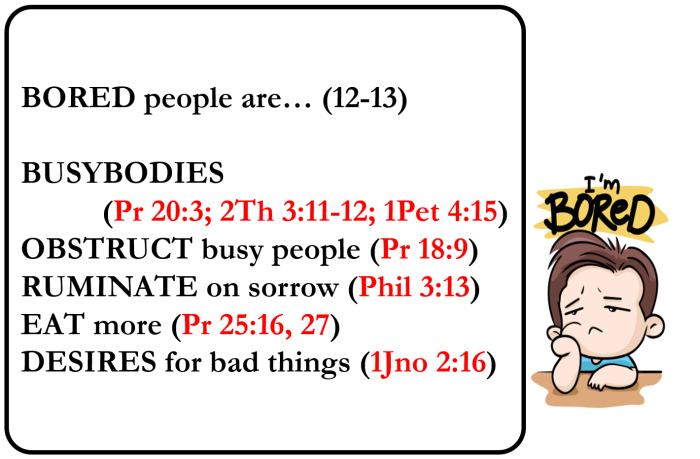
If external persecution and false teachings weren’t enough, the Thessalonians had trouble within their own ranks. Some believers were “walking disorderly,” refusing to work and meddling as busybodies (2 Thessalonians 3:6, 11). This idleness wasn’t just laziness, it disrupted the work of the church. Paul doesn’t mince words: “If any would not work, neither should he eat” (3:10). Yet even this discipline is rooted in love, as he urges the church to correct the idle “as a brother” (3:15), not an enemy.

Faith shows up in Paul’s confidence that the Thessalonians would stay faithful: “We have confidence in the Lord touching you, that ye both do and will do the things which we command you” (3:4). Their hope was tied to God’s word, which provided clear instructions for living, and to the promise of God’s peace: “Now the Lord of peace himself give you peace always by all means” (3:16). Love guided their response to the troublers within, balancing discipline with care, and Paul prayed that “the Lord direct your hearts into the love of God, and into the patient waiting for Christ” (3:5).

The idle were acting low, causing trouble by neglecting their responsibilities. But Paul calls the church to a higher standard: “Be not weary in well doing” (3:13). By staying faithful to God’s word (working diligently, loving one another, and holding fast to His commands) they could overcome even internal challenges.

Tying It All Together

What do we learn from the Thessalonians? Troubles and troublers come in many forms: persecutors who mock your faith, deceivers who twist the truth, or even fellow believers who let you down. But faith, hope, and love, rooted in knowing God’s word, are your strength. Faith keeps you trusting God’s truth, like the Thessalonians’ belief in the gospel (2:13) and obedience to Paul’s teaching (3:4). Hope lifts your eyes to God’s vengeance (1:6-9, 2:8) and Christ’s return (1:7, 2:8), assuring you that troubles won’t have the last word. Love binds you to your brothers and sisters, growing even in tough times (1:3) and guiding how you correct the wayward (3:15).

Knowing God’s word is the thread that ties it all together. It’s the foundation for faith, the source of hope, and the guide for love. The Thessalonians’ troubles didn’t define them, their faithfulness did. They stayed abounding, growing in faith and love (1:3), standing firm against lies (2:15), and doing good despite setbacks (3:13). So, when others try to drag you down with their words or actions, don’t stoop to their level. Hold fast to God’s word. Let faith, hope, and love keep you faithful and abounding, just as they did for the Thessalonians.


The Courage to Stand in our Modern Challenges to Christian Faith

In the pages of Scripture, we find heroes like Esther, Daniel, Abigail, and Paul, who faced imprisonment, death, and danger with unwavering faith in God. Their resolve to remain faithful, even at the cost of their lives, inspires us. Yet, for most Christians today, the threats to faith are subtler but no less real. We may not face lions’ dens or executioners, but we encounter pressures that test our determination to live for Christ. This article explores four modern challenges Christians face in keeping faith and how God’s Word compels us to respond with active, courageous faith.

The Weight of Shame: Proclaiming the Gospel Boldly

I am not ashamed of the gospel, for it is the power of God for salvation to everyone who believes” (Romans 1:16). Yet, in a world that often dismisses or derides Christianity, many believers feel guilt or embarrassment when sharing their faith. Whether it’s hesitating to mention Jesus in a workplace conversation or softening biblical truths to avoid conflict at a family gathering, the fear of being labeled judgmental or outdated can silence us. Paul, who faced beatings and imprisonment for preaching, urges us not to be “ashamed of the testimony about our Lord” (2 Timothy 1:8) but to handle God’s Word rightly, unashamed (2 Timothy 2:15).

Like Daniel, who prayed openly despite a death decree (Daniel 6:10), Christians today must anchor their identity in Christ. The gospel’s power to save outweighs fleeting social discomfort. When a young professional risks awkwardness by inviting a colleague to church or a parent teaches their child biblical values in a skeptical culture, they echo Esther’s resolve: “If I perish, I perish” (Esther 4:16). Faith compels action, speaking boldly, trusting God’s Spirit to work through his word.

The Cost of Reputation and Relationships: Choosing Christ First

Have I become your enemy by telling you the truth?” Paul asked the Galatians (Galatians 4:16). Jesus warned that loving family more than Him makes us unworthy of discipleship (Matthew 10:37). These verses strike at a deep fear: losing reputation or relationships for our faith. In a hyper-connected world, taking a stand on biblical issues (whether on morality, justice, or salvation) can lead to social ostracism, canceled friendships, or strained family ties. A student defending creationism in a classroom or a friend confronting a loved one’s sin risks becoming an outcast.

Abigail’s example shines here. She risked her relationship and safety to mediate peace, aligning with God’s will despite potential backlash (1 Samuel 25:24). Christians today must prioritize allegiance to Christ, even when it costs social capital. This doesn’t mean being harsh but speaking truth in love, trusting God to mend or redeem relationships. Like Esther, who risked her life for her people, we show faith by valuing God’s approval over human esteem, knowing our ultimate family is eternal (Galatians 1:10).

The Risk of Resources: Trusting God’s Provision

Revelation 13:17 paints a stark picture: those without the “mark of the beast” cannot buy or sell. This passage shows a time when some faced economic exclusion for faithfulness, a challenge Christians continue to face. Refusing to compromise ethics in business, prioritizing assembling with the saints for overtime, or declining opportunities that conflict with faith can lead to lost income or career setbacks. A graphic designer who turns down a lucrative but morally questionable project or a doctor who risks her job by objecting to unethical practices feels this pressure.

Daniel’s refusal to bow to Darius’ decree, despite the lion’s den, shows trust in God’s provision (Daniel 6:23). Jesus promised that seeking God’s kingdom first ensures our needs are met (Matthew 6:33). Christians today must act on this promise, choosing integrity over wealth. Like Esther, who faced death to save her people, we demonstrate faith when we sacrifice financial security for God’s principles, confident in His care.

The Choke of Distractions: Persevering Through Trouble

In the parable of the sower, Jesus describes faith shrivel away when trouble comes or choked by “the cares of the world, the deceitfulness of riches, and the desires for other things” (Mark 4:16-19). Modern life bombards us with distractions (endless notifications, career pressures, personal crises) that threaten to erode our spiritual vitality. A single mother juggling work and parenting may skip prayer time; a student consumed by social media may neglect Scripture. Troubles like health issues or financial stress can further crowd out faith, leaving us fruitless.

Paul’s relentless focus on his mission, despite shipwrecks and imprisonments (Acts 20:24), inspires us to stay rooted. Like Abigail, who acted decisively amidst chaos (1 Samuel 25:18), we must discipline ourselves to prioritize God. Regular prayer, Scripture study, and congregational worship act as anchors, ensuring our faith bears fruit. Esther’s focused intercession, fasting amidst a genocidal threat, reminds us that faith thrives when we cling to God’s Word, not the world’s noise.

A Faith That Works: Compelled by God’s Word

The courage of Esther, Daniel, Abigail, and Paul was no blind leap but a response to God’s Word. Daniel obeyed the command to worship God alone (Exodus 20:3); Abigail acted on principles of justice (Proverbs 31:9); Paul preached Christ’s mandate (Matthew 28:19). Their faith produced works (prayer, mediation, proclamation) proving it was alive (James 2:17). Similarly, God’s Word compels us today:

  • Based on Scripture: Romans 1:16 gives confidence in the gospel’s power; Matthew 10:37 prioritizes Christ; Revelation 13:17 trusts God’s provision; Mark 4:19 warns against distractions.
  • Compelled to Action: These truths drive us to share the gospel unashamed, stand for truth despite relational loss, choose integrity over wealth, and persevere through distractions.
  • Their integrity Inspires Others: Their courage became a testimony, encouraging future generations (e.g., Daniel’s influence in Jewish tradition, Paul’s letters, Abigail’s role in David’s story). Esther’s legacy similarly inspired Jewish resilience.
  • Trust in God that Transcends Circumstances: Their actions show that faithfulness is not contingent on safety or success but on God’s unchanging nature.
  • Hope in God that Anticipates Eternity: Their willingness to die reflects hope in God’s promises, whether immediate deliverance or eternal resurrection (Hebrews 11:35). This aligns with Esther’s implied trust in God’s salvation for the Jews.

Living the Courageous Faith Today

While we may not face death, the challenges of shame, relational loss, financial risk, and distractions test our faith as surely as the lion’s den tested Daniel’s. Yet, God’s Word equips us. When we feel shame, we proclaim Christ boldly, trusting His power. When we fear losing reputation, we choose Jesus, knowing His approval lasts. When income is at stake, we trust God’s provision. When distractions overwhelm, we root ourselves in Scripture.

Every Christian is called to this courageous faith. The parent teaching biblical values, the worker refusing unethical shortcuts, the student sharing Christ despite mockery, all reflect Esther’s resolve. Our faith, like hers, is not passive but active, producing works that glorify God. As Paul wrote, “I am not ashamed… for I know whom I have believed” (2 Timothy 1:12). Let us stand firm, compelled by God’s Word, trusting Him through every challenge, for His glory and our eternal hope.

agape

THANKSGIVING JOY

Gratitude isn’t just a seasonal practice—it’s a lifestyle. The Bible teaches us that thanksgiving can shift our perspective and strengthens our faith.

Thanksgiving in Trouble: Jehoshaphat’s Singers
Imagine being in King Jehoshaphat’s position: three armies are marching toward you, and the situation looks hopeless. Instead of panicking, Jehoshaphat sought the Lord, and the strategy God gave him was extraordinary—send singers ahead of the army to praise Him! The singers declared, “Praise the LORD, for His mercy endureth forever” (2 Chronicles 20:21).

When the singers began to praise, God set ambushes against their enemies, causing them to destroy one another. Victory was won, not with weapons, but with thanksgiving and faith.
When we face challenges today, we are called to respond in a similar way. Paul reminds us in Philippians 4:6-7, “Be careful for nothing; but in every thing by prayer and supplication with thanksgiving let your requests be made known unto God. And the peace of God, which passeth all understanding, shall keep your hearts and minds through Christ Jesus.”

Thanksgiving in Loneliness: The Psalmist’s Cry
Loneliness is a reality many of us face, and the psalmist captures this struggle in Psalm 42: “Why art thou cast down, O my soul? And why art thou disquieted in me? Hope thou in God: for I shall yet praise Him for the help of His countenance” (Psalm 42:5).

The psalmist’s honesty about his emotions is relatable, but his decision to praise God despite his feelings is inspiring. Thanksgiving shifts our focus from our emptiness to God’s fullness..

Jesus Himself assures us of His abiding presence in Matthew 28:20: “And, lo, I am with you alway, even unto the end of the world.” Gratitude for God’s unchanging presence can anchor our hearts when we feel alone. Instead of dwelling on what’s missing, we can thank Him for His faithfulness where we’ll find comfort and strength to keep going.

Thanksgiving for Christ’s Goodness: The One Thankful Leper
In Luke 17, ten lepers cried out to Jesus for mercy, and He healed them all. However, only one returned to give thanks. He fell at Jesus’ feet and praised Him, and Jesus said, “Thy faith hath made thee whole” (Luke 17:16-19).

This Samaritan’s gratitude set him apart. While the other nine received physical healing, he recognized and remembered the one from whom all blessings flow. Thanksgiving acknowledges that everything good in our lives comes from above.

This reminder in Colossians helps, “And let the peace of God rule in your hearts, to the which also ye are called in one body; and be ye thankful… And whatsoever ye do in word or deed, do all in the name of the Lord Jesus, giving thanks to God and the Father by Him.” (Col 3:15-17). Thanksgiving is a daily recognition of Christ’s goodness, shaping our actions and attitudes through His word.

A Challenge for Thanksgiving
This week, take time to reflect on your own heart of thanksgiving. Are you thanking God in the midst of your troubles, trusting Him to bring victory? Are you finding reasons to praise Him, even in seasons of loneliness? And are you remembering to give thanks for all the blessings you’ve received through Christ?

As we cultivate a grateful heart, we’ll find that thanksgiving doesn’t just change our circumstances—it changes us. Let our thanksgiving be a reflection of our faith, a reminder of God’s presence, and a response to His abundant goodness.

In every thing give thanks: for this is the will of God in Christ Jesus concerning you” (1 Thessalonians 5:18).

Why do we DOUBT? Oppression.

When Jesus asked Peter; “why did you doubt?” they were standing in the midst of a storm on tossing seas (Matt 14:24-31).

Isn’t that how it is for us? Our doubts arise in the midst of the storms on the crashing seas of life. We seldom doubt on the calm, and peaceful waters.

This scene with Peter on the sea reminds me of the parable of the Sower. Jesus’ teaching about the rocky soil resembles the fear and doubt that arise during times of trouble.

But he that received the seed into stony places, the same is he that heareth the word, and anon with joy receiveth it; Yet hath he not root in himself, but dureth for a while: for when tribulation or persecution ariseth because of the word, by and by he is offended” (Matt 13:20-21).

Doubt, and falling away, often comes in the face of opposition, or persecution for the word’s sake.

If we can learn to overcome doubt in these situations, perhaps we’ll be able to endure the regular troubles of life.

Why do we doubt? What is the source of doubt? This series of articles will seek to search the scriptures for the answer, and to learn how to combat, or to Overcome Doubt. The first article showed that Doubt is based on Disbelief, and the way to overcome disbelief is through knowledge of the Lord Jesus Christ. This article will attempt to Overcome Doubt that arises from the Oppression of life. 

In the parable of the soils, and in the example of Peter, it becomes clear that trouble reveals our DOUBTS instead of causing them. There are some who teach the error that becoming a Christian relieves us of all pain & suffering. The bible says something completely different.

Yea, and all that will live godly in Christ Jesus shall suffer persecution” (2Tim 3:12).

Confirming the souls of the disciples, and exhorting them to continue in the faith, and that we must through much tribulation enter into the kingdom of God” (Acts 14:22).

Be not thou therefore ashamed of the testimony of our Lord, nor of me his prisoner: but be thou partaker of the afflictions of the gospel according to the power of God” (2Tim 1:8)

Marvel not, my brethren, if the world hate you” (1John 3:13).

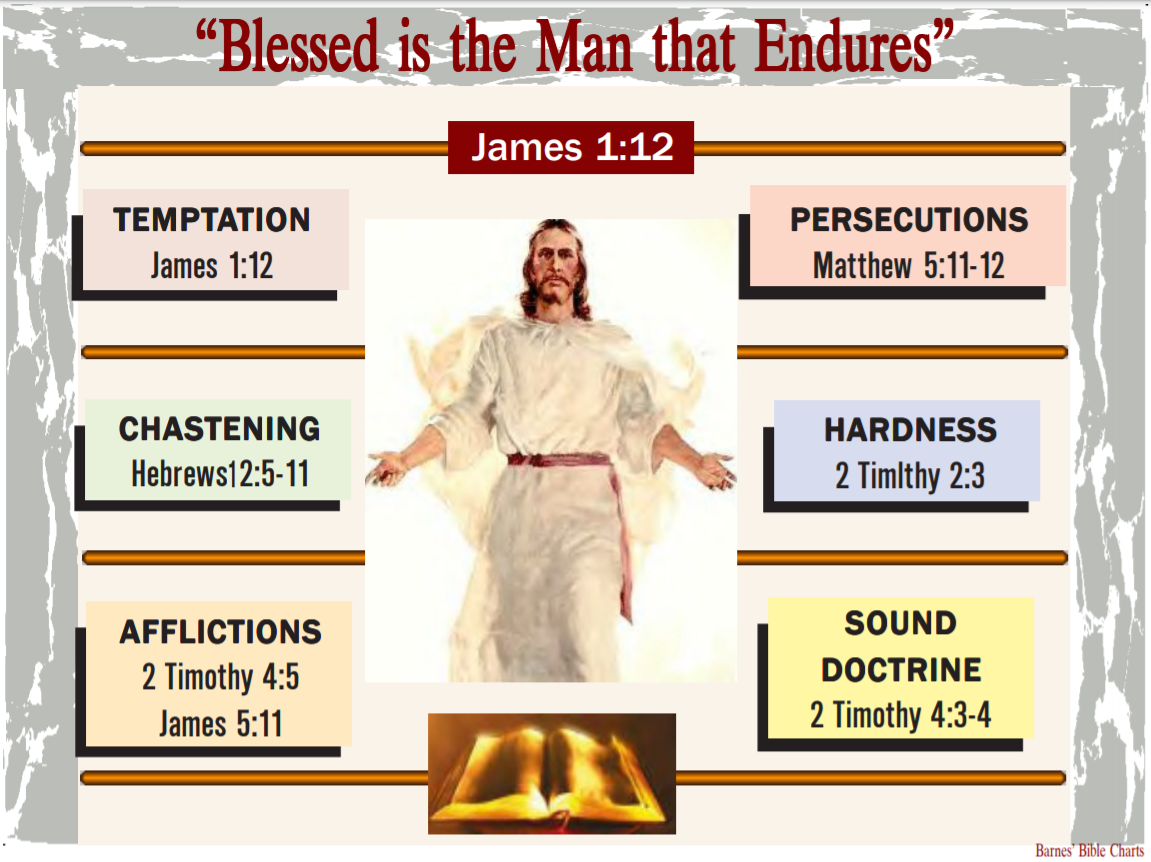
These few verses should be sufficient to show that suffering for the faith is a reality for the faithful. Resilience & Endurance is the antidote to DOUBT, but developing these is key. Resilience is the capacity to recover quickly from difficulties; toughness. Endurance is the ability or strength to continue or last, especially despite fatigue, stress, or other adverse conditions.

There is a very good reason why we ought to endure. “You therefore must endure hardship as a good soldier of Jesus Christ” (2Tim 2:3). “If we endure, We shall also reign with Him. If we deny Him, He also will deny us” (2Tim 2:12).

How does one develop endurance? This lesson goes along with the first lesson about faith; remember to remember the Lord and have faith. “Remember that Jesus Christ of the seed of David was raised from the dead according to my gospel: Wherein I suffer trouble, as an evil doer, even unto bonds; but the word of God is not bound. Therefore I endure all things for the elect’s sakes, that they may also obtain the salvation which is in Christ Jesus with eternal glory. It is a faithful saying: For if we be dead with him, we shall also live with him: If we suffer, we shall also reign with him: if we deny him, he also will deny us” (2Timothy 2:8-12).

Have Faith, then after that, the next thing is to stand firm for the faith. The way we can do this is through 5 reminders.

First, Stand back and ask, “is this the worst that can happen?” Before we sink, take time to think. “For our light affliction, which is for the moment, worketh for us more and more exceedingly an eternal weight of glory” (2Cor 4:17). “Fear him that can destroy in Hell” (Mat 10:28; Luke 12:5). “For I reckon that the sufferings of this present time are not worthy to be compared with the glory which shall be revealed to us-ward” (Rom 8:18). We often give up long before our endurance expires. 

Then ask, “How can I endure this?” Before we give up, remember the example of those that faced trials before you. “rejoicing that they were counted worthy to suffer dishonor for the Name” (Acts 5:41; cf. 2Cor 11:22-33). “Behold, we count them happy which endure. Ye have heard of the patience of Job, and have seen the end of the Lord; that the Lord is very pitiful, and of tender mercy” (James 5:11). Can you steel yourself against the pain, can you TOUGHEN up? Paul wrote, “Watch ye, stand fast in the faith, quit you like men, be strong” (1Cor 16:13).

A third question to ask is, “Are there any good things that can come from this?” Paul saw the good of preaching Christ even under false pretenses (Phil 1:12-18). James wrote that the trying of our faith produces patience (Jas 1:3).

Nature itself teaches us that growth comes through enduring difficulties. The writer of Hebrews noted this. “Furthermore we have had fathers of our flesh which corrected us, and we gave them reverence: shall we not much rather be in subjection unto the Father of spirits, and live? For they verily for a few days chastened us after their own pleasure; but he for our profit, that we might be partakers of his holiness. Now no chastening for the present seemeth to be joyous, but grievous: nevertheless afterward it yieldeth the peaceable fruit of righteousness unto them which are exercised thereby. Wherefore lift up the hands which hang down, and the feeble knees(Heb 12:9-13).

Then make a commitment to NEVER, NEVER, NEVER, NEVER, GIVE UP! “And let us not be weary in well doing: for in due season we shall reap, if we faint not” (Gal 6:9; cf. Phil 4:13; Rev 2:10). Make endurance the only option.

Lastly, and most importantly, do all you can do to stand. “Wherefore take unto you the whole armour of God, that ye may be able to withstand in the evil day, and having done all, to stand” (Eph 6:13; cf. 10-18). Be a doer of God’s word and not a hearer only. Do the best you can and when you learn to do better, do better.

I press toward the mark for the prize of the high calling of God in Christ Jesus.” “I can do all things through Christ which strengtheneth me”. (Phil 3:14; 4:13). The troubles of life reveal our doubts, but we can do it, the Lord said so (1Cor 10:13).

Agape,

Spencer

FILED UNDER: Overcoming doubt.

You’re invited to attend one of the services of the Franklin & Juniper st church of Christ in Borger Texas.

Facing WOES

1Corinthians 10:13:

There hath no temptation taken you but such as is common to man: but God is faithful, who will not suffer you to be tempted above that ye are able; but will with the temptation also make a way to escape, that ye may be able to bear it.”

Nobody likes trouble. However, God tells us in His Word to find joy in our trials…

My brethren, count it all joy when ye fall into divers temptations;” [James 1:2]

Rejoice, and be exceeding glad: for great is your reward in heaven: for so persecuted they the prophets which were before you.” [Mat 5:12]

And they departed from the presence of the council, rejoicing that they were counted worthy to suffer shame for his name.” [Acts 5:41]

Therefore I take pleasure in infirmities, in reproaches, in necessities, in persecutions, in distresses for Christ’s sake: for when I am weak, then am I strong.” [2Cor 12:10]

How are we to handle these verses? A solid biblical principle is this; When God gives a command, it’s within our ability to do it. If we SHOULD, the it is something we COULD.

Let’s examine 1Corinthinas 10:13 and see some very comforting truths…

There hath no temptation taken you but such as is common to man:”

First, we must recognize is that trouble comes to everyone, it’s WIDESPREAD. Any trouble, temptation or trial you will face will have been faced by others before. “…and there is no new thing under the sun.” [Ecc 1:9b]. There is comfort in the realization that no trouble is truly exotic. You’re not the first person to face trouble, nor the last. The main take away is this, we’re all in this together. The person that struggles with struggles often believes that they’re struggles are special. This mindset will only make things more miserable. We’ll never be able to “rejoice” if we believe we’re the only ones with trouble.

but God is faithful, who will not suffer you to be tempted above that ye are able;

Next, Paul writes that no trouble is able to OVERWHELM us beyond our ability to endure. God won’t allow it. That’s what the verse says. There’s comfort in these words. God doesn’t remove the trouble, but He does limit it to your capacity. Some might say, “I wish God wouldn’t trust me so much.” I get it, nobody likes trouble. However, we need to remember that nothing worthwhile ever comes without effort. James writes, “Knowing this, that the trying of your faith worketh patience. But let patience have her perfect work, that ye may be perfect and entire, wanting nothing.” [Jas 1:3-4]. This, along with the teaching from Hebrews 12 shows us that enduring trials makes one stronger, more experienced and more capable. This growth then puts us into the position to help others in their time of crisis. It’s through this understanding where we can begin to find Joy in suffering.

but will with the temptation also make a way to escape, that ye may be able to bear it.”

Third, God will also provide the way of ESCAPE. Comforting words to be sure. There will always be a means of ESCAPE to all of life’s temptations. Here’s the key that is often overlooked; YOU MUST SEEK IT AND TAKE IT!!! We have to participate in our own rescue. God provides the way of ESCAPE, but it’s up to each of us to take it. This key principle helps us to understand the true nature of Grace. God provides the means, that’s Grace, we must take it and utilize it. God provides the ultimate way of ESCAPE from the penalty of death for our sins; Salvation through obedience to the Gospel. That is Grace. We must act upon this Grace by doing what is commanded in the way of ESCAPE.

Yea, and for this very cause adding on your part all diligence, in your faith supply virtue; and in your virtue knowledge; and in your knowledge self-control; and in your self-control patience; and in your patience godliness; and in your godliness brotherly kindness; and in your brotherly kindness love.” [2Peter 1:5-7]

Implied in 1Cor 10:13, and directly stated elsewhere, is the command for us to apply SELF-CONTROL. The reality is that SELF is the only control we have. We cannot often control what happens to us, but we can ALWAYS control how we respond to what happens. Our response to the troubles, trials & tribulations of life are within our ability. Is it any wonder that the word ‘RESPONSIBILITY’ has within it the word ‘RESPONSE?’ Taking Responsibility for what happens to us is vital to our finding joy. This is not to say that all trouble is our fault. Often times it is not. However, acting & responding to whatever happens to us is ALWAYS our responsibility. If God says we SHOULD, we must know that we COULD.

Being challenged in life is inevitable. Being defeated is a choice. As shown through our verse, we can see that we have the means and the choice to endure temptations, trials, tribulations, and troubles. When we take responsibility, when we take action, we will instantly begin to discover JOY.

Rejoice in the Lord always:

again I will say, Rejoice.”

[Phil 4:4]

Rock Bottom

Everyone has some trouble in their life, some more than others. It may be self-caused, natural causes or externally caused. Regardless of the source, living on this planet can be rough.

Another interesting fact about living on this planet; nothing stops when trouble comes. Bills keep arriving in the mail, landlords still want their rent and don’t get me started about what the grocery store wants when you load up a buggy full of food.

Just because the world keeps moving doesn’t mean that we’re not weeping with you in your sorrow, neither does it mean there’s no compassion.

Rejoice with them that do rejoice, and weep with them that weep.

[Romans 1:15]

Take, for example, Naomi. She was a young widow who was living with her widowed daughter-in-law Ruth. Back in those days it was very difficult for a woman without a husband. I can’t imagine that kind of sorrow, but we can study it and learn from it.

You see, Naomi was down, very down. You might say that she had hit rock bottom. We know she was down because of what she said to those back in Bethlehem;

“Call me not Naomi, call me Mara: for the Almighty hath dealt very bitterly with me. I went out full, and the LORD hath brought me home again empty: why then call ye me Naomi, seeing the LORD hath testified against me, and the Almighty hath afflicted me?” [Ruth 1:20-21]

Her sadness was so deep that she wanted to be called ‘bitter’ which is also translated as ‘grieved’ in verse 13. “for it grieveth me much for your sakes that the hand of the LORD is gone out against me.” Can you imagine the depth of hurt that you would rather people call you bitter, grief or sadness? Her words conveyed no sense of hope. Is it any wonder she wanted her daughters-in-law to return to their father’s home? [1:8-14]

FACE THE FACTS

Naomi just presented them with the facts of the matter. That’s a good place to start I suppose. Many folks try to hide from the reality of their pain.

In another story, Joshua had to face the facts when Moses died. The Lord spoke to him and said, “Moses my servant is dead.” Yeah, Joshua knew that, they had mourned the death of Moses for 30 days [Deut 34:8]. So why did God tell him again? To face the facts. God had something for Joshua to do and it was time for him to get after it. God follows up His restating of the facts by saying to Joshua;

“now therefore arise, go over this Jordan, thou, and all this people, unto the land which I do give to them, even to the children of Israel.” [Joshua 1:2]

Naomi, Ruth and Joshua were in mourning, but life was still moving forward. No one expected them to forget their loved ones, nor was anyone telling them to ‘get over it’ not even God does that. However, what He does expect from all of us, in particular those that are in sorrow, is to keep moving forward. He wants us to keep moving toward Him.

It’s when we understand this that we can have a better understanding of Matthew 6:27; “Which of you by taking thought can add one cubit unto his stature?” Christ then goes onto say;

“But seek ye first the kingdom of God, and his righteousness; and all these things shall be added unto you.” [Mat 6:33]

He is saying, keep moving forward toward Him, and you will have the strength to discover joy again. This is what Paul learned with the trouble he faced while spreading the Gospel. He wrote to the Philippians;

Not that I speak in respect of want: for I have learned, in whatsoever state I am, therewith to be content. I know both how to be abased, and I know how to abound: every where and in all things I am instructed both to be full and to be hungry, both to abound and to suffer need. I can do all things through Christ which strengtheneth me.”

[Phil 4:11-13]

With the help of Ruth, Naomi was able to face the facts and move forward. God retold the promise of Abraham & Moses to Joshua as motivation to keep him moving, and Paul found peace and contentment when he heeded the Word of God.

“Be careful for nothing; but in every thing by prayer and supplication with thanksgiving let your requests be made known unto God. And the peace of God, which passeth all understanding, shall keep your hearts and minds through Christ Jesus.” [Phil 4:6-7]

Keep moving forward.

Does the Bible Answer Everything?

DURING A DISCUSSION with a 20 something, the question was raised, “do you really think that the Bible has answers for every situation of man?” I immediately responded with, “YES! In principle.”

What I mean by this is that the Bible contains principles that can aid us in working through any and every situation of life. The Bible is God’s revelation for man and contains His law, i.e. rules of conduct to govern man. (2Peter 1:21; 2Sam. 23:2; 1Cor. 2:7-13, Eph. 3:3-5; Gal. 6:2; James 2:12, etc.).  In fact, all Scriptures given by inspiration of God furnish man completely unto all good works, unto all things that pertain to life and godliness (2 Tim. 3:16-17, 2 Peter 1:3). This tells me that God has made known to mankind His will regarding every situation a person might face.

God, the creator of us all, knows what is best for us. Shall the clay question the potter? Unless we consult with God how shall we direct our own steps [Jeremiah 10:23]? This direction, given in His law, governs our total conduct. Conduct is the meaning of the word “conversation” in Phillippians 1:27; “Only let your conversation be as it becometh the gospel of Christ.” KJV

The total of man’s conduct may be catagorized into five relationship areas: religious, political, economic, domestic, and social.

God reveals His Direction for our conduct regarding our relationship to…

RELIGION in the gospel: John 4:24 ; James 1:27; Romans 12:13; Heb. 13:2; Gal. 6:10.

God is a Spirit: and they that worship him must worship him in spirit and in truth

GOVERNMENT (political: Rom. 13:1-7; 1Peter 2:13-14), to business (economic: Eph. 4:28; 2Thess. 3:10).

Let every soul be subject unto the higher powers. For there is no power but of God: the powers that be are ordained of God.

ECONOMIC (Eph 4:28; 2Thess 3:10;)

Let him that stole steal no more: but rather let him labour, working with his hands the thing which is good, that he may have to give to him that needeth.

FAMILY (domestic: 1 Tim. 5:1-6; Eph. 5:21; 6:4).

But if any provide not for his own, and specially for those of his own house, he hath denied the faith, and is worse than an infidel.

COMMUNITY (social: Matt. 7:12; Luke 10:30-37).

Therefore all things whatsoever ye would that men should do to you, do ye even so to them:

In the Bible, we can study God’s precepts and examples to learn how to direct our own steps. The conduct of many folks, good and bad, are recorded for our learning [1Corinthians 10:6,11; Romans 15:4]. God rejected sinful conduct and demonstrated His approval with conduct that was in harmony with His will. The conduct of their lives, exemplified in the scriptures, are aproved or disapproved according to the dispensation in which they lived.

We have a perfect example in Christ “For even hereunto were ye called: because Christ also suffered for us, leaving us an example, that ye should follow in his steps: who did no sin.” [1Peter 2:21-22]. Never did He violate God’s law [1John 3:4], but in every respect His conduct was in harmony with the Father’s will. This mind that was in Christ we are to imitate [Phil 2:5-11].

With regards to the final judgment, when this world will be dissolved, what manner of person ought we to be? [2Peter 3:11]. “But as he which hath called you is holy, so be ye holy in all manner of conversation; Because it is written, Be ye holy; for I am holy.” [1Pe 1:15-16].

The answer to the question is YES, the Bible does give us directions to face any situation in all of our relationships; Religion, Economic, Political, Family and socially. The Bible is God’s written instructions for mankind, His will for us.

So many people are walking around saying, “I know God has a plan for my life.” He does, yet many never bother to read it. God does have a plan for us, let us study it and do His will [2Timothy 2:15]. Most importantly, let us study His will on how to gain eternal life.

Then Simon Peter answered him, Lord, to whom shall we go? thou hast the words of eternal life. John 6:68