
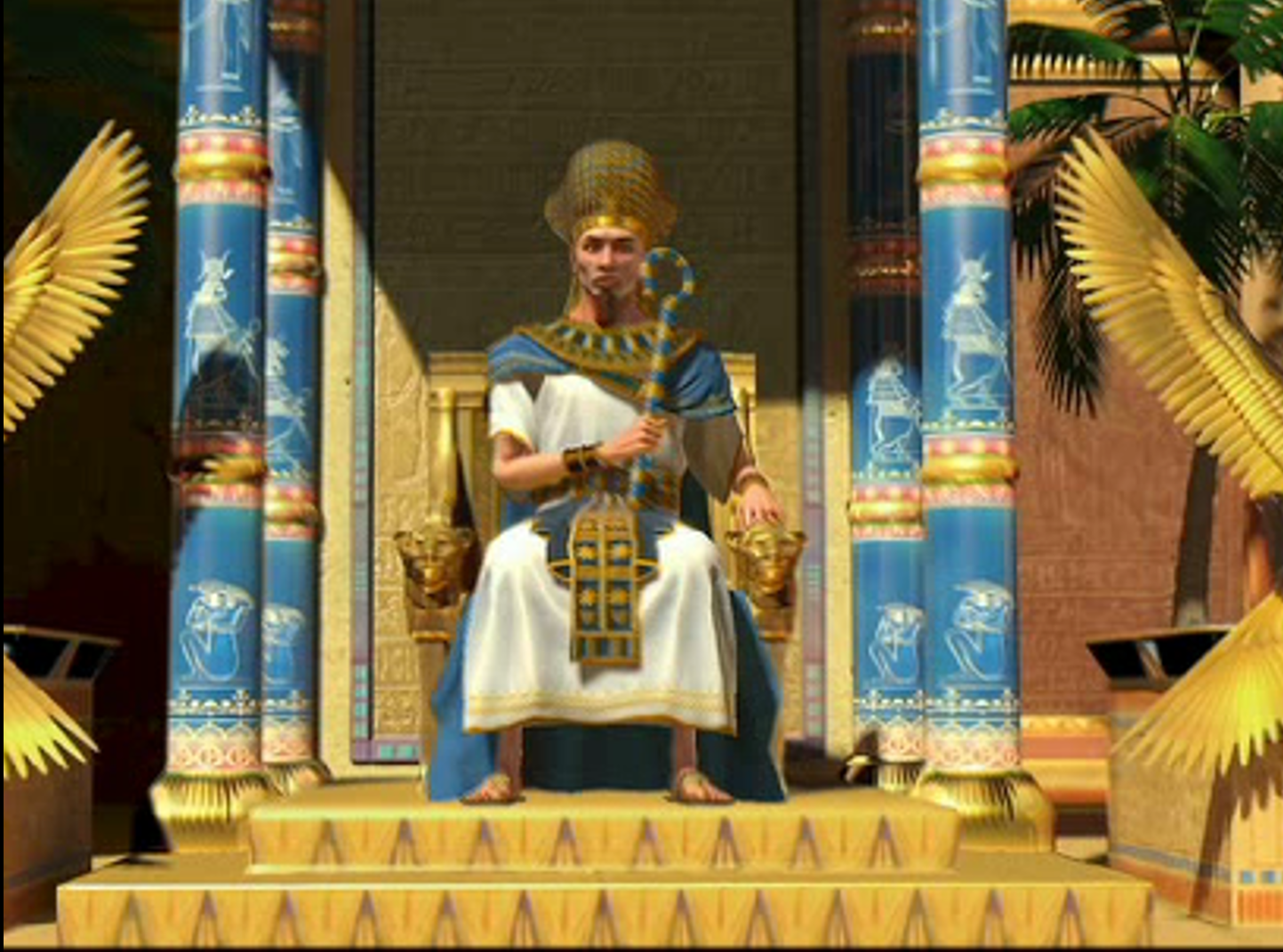
When we look back at Moses, we see a man standing at the crossroads of history, faith, and destiny. He didn’t just stumble into leadership or into God’s favor. No sir, he made some mighty choices—five monumental ones that shaped the course of Israel’s future. It’s worth asking ourselves: What motivated Moses to choose the harder road? What lessons can we glean from his resolve?
1. The Motivation of Moses
Acts 7:25 tells us Moses had a sense of destiny, that he “supposed his brethren would have understood how that God by his hand would deliver them.” Hebrews 11:24-25 sheds more light on this by saying, “By faith Moses, when he was come to years, refused to be called the son of Pharaoh’s daughter; choosing rather to suffer affliction with the people of God, than to enjoy the pleasures of sin for a season.”
Moses wasn’t motivated by the luxury and ease that the Egyptian palace offered. No, he had a fire burning within him that Pharaoh’s wealth and influence couldn’t extinguish. Moses saw his people suffering, and rather than turning a blind eye, he chose to embrace their pain as his own. There’s something noble in that, isn’t there? Like a wise man once said, “It’s not what you stand on that defines you, but what you stand for.”
2. Oppression: Choosing Affliction Over Comfort
Hebrews 11:25 continues by showing that Moses chose “to suffer affliction with the people of God.” Think about that for a moment. This man had it all—prestige, power, privilege—but he willingly stepped away from the trappings of luxury to join the oppressed. Imagine leaving behind the Egyptian courts, not because you had to, but because you chose to.
Now, that’s the kind of conviction that echoes through history. We know that when oppression knocks at the door, it’s not always convenient to answer. But Moses didn’t care about convenience. He knew his place was with God’s people, not lounging in the pleasures of the palace.
3. Stood Against Pharaoh: Not a Slave, But a Servant of the Most High
When Moses went before Pharaoh, he wasn’t some lowly slave groveling for mercy. No, he stood tall as a servant of the God Most High, with the authority of heaven behind him. Exodus 5:20-23 tells us how the elders of Israel turned against Moses after Pharaoh made their labor even harder. Imagine that! He’s trying to lead his people to freedom, and the very folks he’s trying to help turn on him. If that ain’t a leadership test, I don’t know what is.
But Moses pressed on. He knew that he wasn’t doing this for himself or for the approval of man. He was on God’s mission, and that’s a lesson for us all. When the road gets rough, and even those closest to us lose faith, we’ve got to stand firm and remember who we serve.
4. Exposed as Exodus Leader: Challenges on Every Side
Leadership exposed Moses. Exodus 14:11-14 shows the people complaining when they saw no way out as Pharaoh’s army bore down on them at the Red Sea. Then, in Exodus 15:24, they grumbled again, this time over a lack of water. And if that wasn’t enough, they complained in Exodus 16:1-3 when there was no bread.
Now, it’s easy to criticize when you’re on the sidelines, but Moses was in the thick of it. No one said leading God’s people was going to be easy. It’s like that old saying: “Everybody wants to be a leader until it’s time to make decisions.” Moses made tough decisions, and though the people grumbled, God delivered—again and again.
5. Stood With Christ
Moses’ ultimate vindication came long after his earthly life ended. Mark 9:4 tells us that Moses stood with Christ on the Mount of Transfiguration. Think about that! After all the struggles, complaints, and hardships, Moses stood in glory with the Savior of the world.
And when Moses died, God Himself buried him (Deuteronomy 34:5-6). Now, if you ask me, there’s no better way to go than to have God take care of your final resting place.
What Do You Think of His Choice Now?
Looking back, I’d say Moses made the right choice, wouldn’t you? He didn’t choose comfort, wealth, or the easy road. He chose faith, suffering, and ultimately, the eternal reward of standing with Christ. Moses showed us that it’s not the temporary pleasures of this world that define our legacy, but the eternal decisions we make in the service of God.
So, when we face our own crossroads, let’s remember Moses.
Agape,
Spencer
 Borger church of Christ @ Franklin & Juniper