
The Bible’s 66 books, penned across millennia, weave a seamless tapestry of truth, revealing a divine hand guiding its every word.
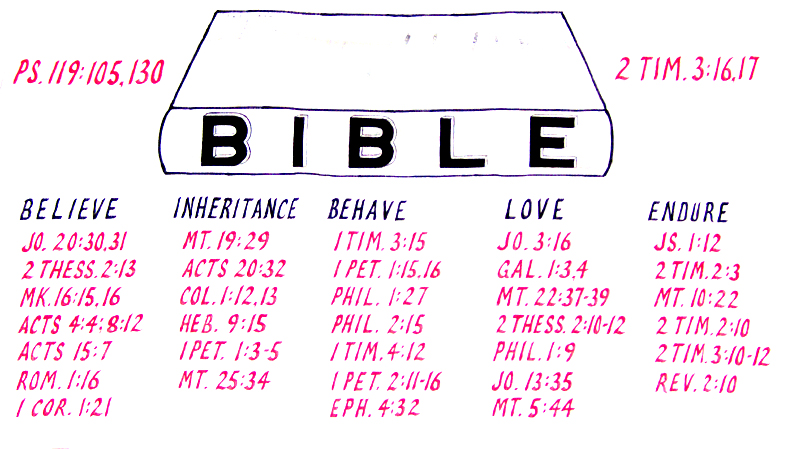
The Internal Consistency of the Bible Across 66 Books
The Bible, a collection of 66 books written by over 40 authors across 1,500 years, displays remarkable internal consistency, weaving a unified narrative despite its diverse origins. This coherence is evident in its thematic unity, fulfilled prophecies, and consistent theological principles, offering compelling evidence of its divine inspiration.
First, the Bible’s thematic unity binds its books into a cohesive story. From Genesis to Revelation, the narrative centers on God’s relationship with humanity, His redemptive plan, and the promise of a Messiah. Genesis 3:15 introduces the first mention of the gospel or “good news” in the Bible, the first hint of a savior who will crush the serpent’s head, a theme that culminates in Christ’s victory in Revelation 20:10.
The Old Testament’s covenants (with Abraham (Genesis 12:3), Moses (Exodus 19:5-6), and David (2 Samuel 7:12-16)) find fulfillment in the New Testament through Jesus, who establishes the New Covenant (Luke 22:20; Heb 8:8-11). This continuity across centuries and authors suggests a purposeful design.
Second, fulfilled prophecies demonstrate the Bible’s reliability. Over 300 Old Testament prophecies, such as Isaiah 7:14 (the virgin birth) and Micah 5:2 (Bethlehem as the Messiah’s birthplace), are fulfilled in Jesus’ life, as recorded in the Gospels (Matthew 1:22-23; 2:5-6). The precision of these predictions, written centuries earlier, defies coincidence and human invention. For example, Psalm 22:16-18, written long before crucifixion was practiced, vividly describes Jesus’ death, including pierced hands and feet and divided garments (John 19:23-24). The consistency between prophecy and fulfillment across books reinforces the Bible’s unified message.
Third, the Bible maintains consistent theological principles despite its diverse cultural and historical contexts. The concept of God’s holiness, justice, and mercy remains constant. Leviticus 19:2 calls Israel to be holy because God is holy, a principle echoed in 1 Peter 1:15-16 for New Testament believers. Similarly, the emphasis on active faith as the basis for righteousness spans from Abraham (Genesis 15:6) to Paul’s teachings (Romans 4:3). These shared doctrines, articulated by authors from shepherds to kings, suggest a singular guiding intelligence.
Skeptics might argue that apparent contradictions, such as differing Gospel accounts, undermine this consistency. However, these variations often reflect complementary perspectives rather than errors. For instance, the number of women at Jesus’ tomb varies across Gospels (John 20:1 vs. Luke 24:10), but this reflects selective emphasis, not contradiction, as ancient biographies prioritized thematic truth over exhaustive detail (Carson, The Gospel According to John, 1991). Harmonizing these accounts reveals a coherent resurrection narrative.
The Bible’s internal consistency is not merely literary but points to a divine author orchestrating its message. As 2Timothy 3:16 states, “All Scripture is God-breathed,” suggesting a supernatural unity that transcends human effort. This coherence gives its readers confidence to explore its claims.
Sources:
Carson, D.A. The Gospel According to John. Eerdmans, 1991.
 Borger church of Christ @ Franklin & Juniper