
Gratitude and Happiness: Science Catches Up to the Bible
Picture waking up with a heart brimming with thanks, even when life feels like a storm. It’s like a quiet spark of joy, isn’t it? The Bible has long championed gratitude as a way of life, and now science is unveiling its power, showing how this practice transforms our minds, relationships, and faith. Gratitude isn’t just a passing feeling; it’s a powerful attitude that fits God’s design, blending biblical wisdom with modern discoveries in a way that is both timeless and exciting.
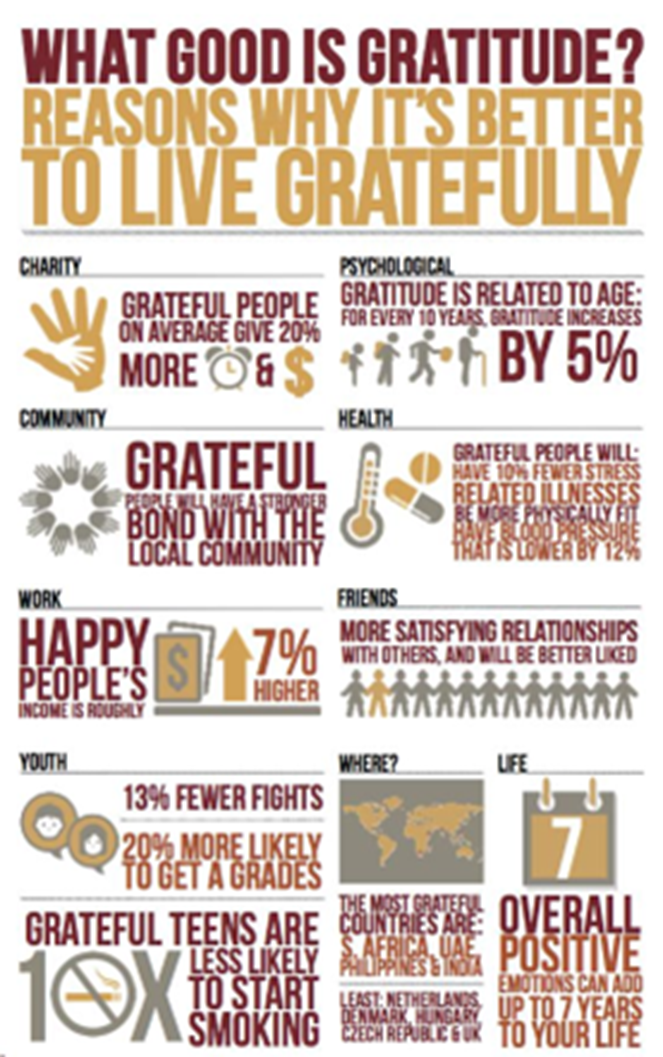
Gratitude reshapes our mental health, anchoring us in hope. Research by psychologist Robert Emmons, a leading gratitude scholar, shows that keeping a daily journal of things you’re thankful for can reduce stress and boost well-being. In a 2003 study from the Journal of Personality and Social Psychology, Emmons found that participants who reflected on gratitude reported less depression and greater optimism after just weeks. This resonates with Psalm 40:5 which proclaims, “Many, O Lord my God, are thy wonderful works which thou hast done, and thy thoughts which are to us-ward: they cannot be reckoned up in order unto thee: if I would declare and speak of them, they are more than can be numbered.” The psalmist knew that gratitude expands our perspective on life, filling our hearts with God’s countless blessings. Science confirms this, revealing how gratitude rewires our brains to seek the good, even in tough times.
Gratitude can strengthen relationships, bringing us closer in ways that reflect God’s love. A 2014 study in Emotion by Sara Algoe showed that expressing thanks fosters trust and deepens connections. When we voice gratitude, it sparks a cycle of kindness, making both giver and receiver feel valued. This echoes 1Thessalonians 5:18 in the KJV, where Paul exhorts, “In every thing give thanks: for this is the will of God in Christ Jesus concerning you.” By thanking others, we build connections with others rooted in love. A heartfelt “thank you” can transform a moment into a lasting bond, mirroring the relational heart of the Gospel (see Luke 17:11-19).
Finally, gratitude fuels spiritual growth, drawing us nearer to God. When we practice thankfulness, we train our hearts to remember that He is with us in every moment, deepening our trust. Philippians 4:6 in the KJV urges, “Be careful for nothing; but in every thing by prayer and supplication with thanksgiving let your requests be made known unto God.” This isn’t mere advice; it’s a roadmap for a joy-filled life. Gratitude shifts our focus from what’s missing to trusting in God’s promises. Science supports this: studies show gratitude fosters a sense of purpose and connection to something greater, aligning with the biblical summons to live in awe of God’s goodness.
In a chaotic world, gratitude is a quiet revolution. The Bible, written centuries ago, aligns beautifully with what science now reveals. Researchers like Emmons and Algoe highlight gratitude’s benefits, while scriptures like Psalm 40:5, 1Thessalonians 5:18, and Philippians 4:6 proclaim its already revealed eternal truth. God’s word beckons us to embrace gratitude daily, not as a task, but as a strategy that changes our minds, relationships, and faith. So, let’s begin today: pause, give thanks, and see how God’s wisdom, that science finally realizes, illuminates your life.
agape Sources: Studies by Robert Emmons (Journal of Personality and Social Psychology, 2003) and Sara Algoe (Emotion, 2014). Biblical references from Psalm 40:5, 1 Thessalonians 5:18, and Philippians 4:6 (KJV).
 Borger church of Christ @ Franklin & Juniper