Bearing Fruit by Abiding in Christ

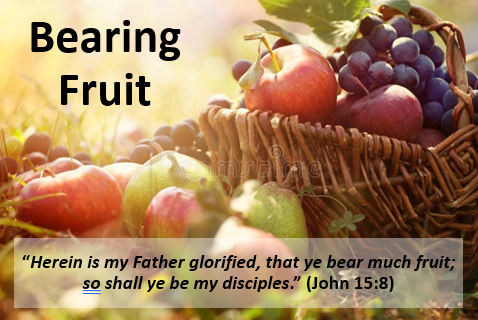
“Herein is my Father glorified, that ye bear much fruit; so shall ye be my disciples.” (John 15:8)

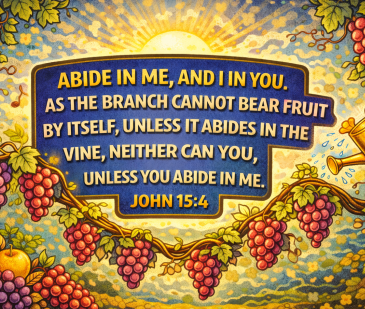
Last month we learned who defines good fruit, this month we find out that Jesus expects fruit bearing, and He tells us how to bear MUCH fruit. “Abide in me, and I in you. As the branch cannot bear fruit of itself, except it abide in the vine; no more can ye, except ye abide in me. I am the vine, ye are the branches: He that abideth in me, and I in him, the same bringeth forth much fruit: for without me ye can do nothing” (John 15:4-5).

People let their imaginations run wild with ideas about what it means to “ABIDE” in Christ. Anything from emotional claims, miraculous personal indwelling, to hearing of still small voices. The trouble with these is there’s no way to distinguish from what a person already desires from that which God desires.

What needs to be observed from the passage in John 15 is that Jesus is giving a directive to us. When He gives a command, or a directive, then it is something WE MUST DO. Another example is the command to “repent and be baptized” (Acts 2:38). When we’re told to do something, it stands to reason that it involves action on our part. The command to ABIDE IN ME, is a directive that we must ACT upon. We can do things to abide in Christ. The question then becomes, ‘what things?’

First, John also wrote, “Therefore let that abide in you which you heard from the beginning. If what you heard from the beginning abides in you, you also will abide in the Son and in the Father.” (1John 2:24) We today hear & know what they heard when we read the Bible. Note these passages in the Letter of 1John:


• 1John 1:4 And these things write we unto you…
• 1John 2:1 My little children, these things write I unto you…
• 1John 2:7 Brethren, I write no new commandment unto you…
• 1John 2:8 Again, a new commandment I write unto you…
• 1John 2:12 I write unto you…
• 1John 2:13 I write unto you…
• 1John 2:14 I have written unto you…
• 1John 2:21 I have not written unto you…
• 1John 2:26 These things have I written unto you…
• 1John 5:13 These things have I written unto you…

We abide in Christ when we study & keep His word so that it DWELLS IN us. “If you continue [same Greek word: abide/remain] in My word, you are truly My disciple.” (John 8:31 cf. Col 3:16).

We abide in Christ when we DO HIS WILL. “Whoever transgresses and does not abide in the doctrine of Christ does not have God. He who abides in the doctrine of Christ has both the Father and the Son” (2John 9). “Whoever says he abides in Him ought himself also to walk just as He walked” (1John 2:6).

Repeatedly the scriptures connect ABIDING IN CHRIST with scripture. To abide in Christ is to keep His commands and to bear fruit. Paul wrote to Timothy, “All scripture is given by inspiration of God, and is profitable for doctrine, for reproof, for correction, for instruction in righteousness: That the man of God may be perfect, throughly furnished unto all good works.” (2Tim 3:16-17). It stands to reason then, that knowing the scriptures EQUIPS us to bear fruit (good works). This includes avoiding sin. “No one who abides in Him keeps on sinning; no one who keeps on sinning has either seen Him or known Him” (1John 3:6).

We can ABIDE IN CHRIST. He has shown us and told us how.

Agape
spencer
Speak First, Think Later

JUMPING TO CONCLUSIONS

Last week, people took polar-opposite positions on an artist’s performance in a language neither of them understood. What stood out to this author wasn’t so much the controversy, but that folks were arguing over facts neither side had.

One fellow made a divisive Facebook post, then an hour later retracted it after hearing “the rest of the story.”

It reminded me of a warning written in the ancient wisdom literature about taking such impetuous and rash actions based on half (or less) of the facts. “He that answereth a matter before he heareth it, it is folly and shame unto him.” (Proverbs 18:13)

The scriptures reveal many such rash judgments people have made based on little to no facts.

A clear biblical example appears in the confusion surrounding Jesus’ birthplace. Many in His day assumed He was merely from Nazareth in Galilee, prompting Nathanael to ask skeptically, “Can anything good come out of Nazareth?” (John 1:46). This prejudice against the insignificant village blinded him to Jesus’ true identity.

Similarly, in John 7, crowds and religious leaders debated whether Jesus could be the Messiah, arguing, “Will the Christ come out of Galilee? Has not the Scripture said that the Christ comes from the seed of David and from Bethlehem?” (John 7:41-42). They rejected Him because they believed He originated in Galilee, unaware He was born in Bethlehem fulfilling prophecy (Micah 5:2; Luke 2). Their hasty dismissal ignored the full story. Premature conclusions often stem from prejudice, incomplete information, or arrogance, leading people to dismiss truth.

Even Nicodemus faced mockery when defending fair process: “Does our law judge a man without first giving him a hearing?” (John 7:51), only to be scorned as possibly Galilean himself (v. 52). These instances show how answering, or rejecting a person before hearing the complete matter fosters error, division, and overlooked details. It’s folly to answer a matter before hearing it.

It’s a broken record… Jumping to conclusions about people close to us (spouses, children, friends, or family) can lead to contempt and have lasting effects. When we assume (impugn) motives, judge character, or assign blame without hearing “the rest of the story,” we violate the wisdom of Proverbs 18:13. These snap judgments or assumptions usually stay internal at first: unvoiced suspicions, lingering doubts, or private resentments, but they seldom remain hidden. They leak out in changes in tone, avoidance, passive-aggressive actions, overreactions, and gossip. The affected person senses something’s wrong but doesn’t know what.

Humble recognition that we may not have all the facts is the first step. Giving folks the benefit of the doubt can do wonders. Gratitude and Prayer also helps.

Agape

spencer

All Spiritual Blessings are IN CHRIST

From this verse we learn that those who are “IN CHRIST” have been given spiritual blessings. There is a very important distinction being made by this verse; those “IN CHRIST” from those who are “OUTSIDE of CHRIST.”

Paul describes those who are (or were) outside of Christ: “…who were dead in trespasses and sins; Wherein in time past ye walked according to the course of this world, according to the prince of the power of the air, the spirit that now worketh in the children of disobedience: Among whom also we all had our conversation in times past in the lusts of our flesh, fulfilling the desires of the flesh and of the mind; and were by nature the children of wrath, even as others” (Eph 2:1-3), and “That at that time ye were without Christ, being aliens from the commonwealth of Israel, and strangers from the covenants of promise, having no hope, and without God in the world” (Eph 2:12, emphasis added seb). There’s more going on in these chapters, but for our discussion we must recognize that there are NO SPIRITUAL blessings for anyone OUTSIDE OF CHRIST! This must serve as a warning for everyone. Living outside of Christ is like standing exposed in the open wilderness during a ferocious storm—far beyond the sturdy walls of a fortified city or the secure shelter of a stormproof refuge.

The winds howl, lightning cracks without mercy, torrents of rain lash, and unseen predators circle in the darkness. Every step is perilous: the ground shifts underfoot, thunder drowns out any cry for help, and the cold seeps into the bones with no warmth to counter it. There is no barrier against the elements, no refuge from judgment, no covering from the wrath to come. There’s only vulnerability, isolation, and inevitable ruin.

Jesus Himself described this danger vividly in the parable of the two builders (Matthew 7:24-27): The foolish man built his house upon the sand. When the rain descended, the floods came, and the winds blew and beat upon that house, it fell: and great was the fall of it.

Outside of Christ, life is built on shifting, unstable ground. No matter how impressive the structure appears, the inevitable storms of life, temptation, trial, and final judgment will sweep it away completely.

In stark contrast, the wise man built his house upon the rock. The same rain fell, the same floods came, the same winds blew and beat upon that house—yet it stood: for it was founded upon a rock.

Do you remember what Jesus declared to Peter in Matthew 16:18? “And I say also unto thee, That thou art Peter, and upon this rock I will build my church; and the gates of hell shall not prevail against it.” That Rock is Christ!

ALL SPIRITUAL BLESSINGS ARE IN CHRIST!

Agape
Spencer

who defines good fruit?

Herein is my Father glorified, that ye bear much fruit; so shall ye be my disciples.” (John 15:8)

The Bible uses agricultural metaphors to describe spiritual reality: some speak of fruitful branches connected to the true vine (Jesus), bringing glory to the Father and proving genuine discipleship (John 15:8), while others warn of land (or lives) that produce only thorns and briers—unfruitful, rejected, near cursing, and destined for burning (Heb 6:8).

Jesus teaches that true character is revealed by what we produce (e.g., Matthew 7:16–20, no grapes from thornbushes). The contrast is stark: fruitful lives reflect connection to Christ and yield good things (love, obedience, character, good works), while thorn-bearing lives show disconnection, barrenness, or harm.

Here’s a good question; who defines what is fruit and what are thorns? That’s the crucial question, isn’t it? In a world full of opinions, subjective morality, and cultural shifts, who gets to decide what counts as good fruit (fruitful, glorifying to God) versus thorns and briers (unfruitful, worthless, harmful, or rebellious)?

Before we look into bearing fruit, let’s answer the question. The Bible warns about human centered standards that lead astray, and produce unfruitful or harmful outcomes.

Who Doesn’t Define GOOD FRUIT?
TRADITIONS of men can never define good fruit (Mark 7:7). Traditions often elevate above or nullify God’s command. The danger is in the possibility of practicing vain worship that cannot honor nor glorify God.

HEART (“It feels right to me”) “The heart is deceitful above all things, and desperately wicked: who can know it?” (Jeremiah 17:9). The danger lies in self-deception; what “feels good” can justify sin or error, yielding thorns of pride and rebellion instead of humble submission to God’s revealed will. Our feelings never override God’s word.

OPINIONS of men or of the majority. Naaman is a perfect example of this. Despite his terrible condition, his opinion about how it was to be done turned him in a rage away from the cure. “I thought… Are not Abana and Pharpar, rivers of Damascus, better than all the waters of Israel? may I not wash in them, and be clean? So he turned and went away in a rage” (2Kings 5:11-12). The danger lies in following hapless & happy ignorant mobs into destruction, (Matt 7:13-14; 15:14).

RELIGIOUS performance to be seen of men. Jesus highlighted those who practiced their religion to “be seen of men” (Matt 23:5-7; 6:2,5,16). He went onto say, “Verily I say unto you, They have their reward.” The danger lies in that showmanship never produces lasting fruit. Kudos from men is a lousy reward (Galatians 1:10).

NICE in appearance masks the rotten fruit. Paul warned repeatedly about masquerade parties. “And no marvel; for Satan himself is transformed into an angel of light” (2Cor 11:14; 2Pet 2:1-3; Acts 20:29-30). The danger is in the subtle seduction of charming exteriors that hides the destructive heresies, leading souls astray.

SEASONAL TRENDS shift like winds. “That we henceforth be no more children, tossed to and fro, and carried about with every wind of doctrine” (Ephesians 4:14). Fads come and go, but the word of the Lord endures forever (1Peter 1:24-25). Chasing novelties yields fleeting, unprofitable results rather than enduring fruit rooted in Christ’s truth. The danger is immaturity and instability.

Good fruit is defined solely by God’s revealed Word. Relying on unreliable sources risks producing thorns (worthless, harmful growth) that leads to rejection. Abide in the doctrine of Christ alone for fruit that glorifies the Father.

Agape
spencer

WILL SILVER HIT $100?

But there’s something better.

Since January of 2025 silver has skyrocketed from around $30 an ounce to over $90 as of this writing. Most of the gain happening in only the last 90 days.

The 1-year chart for silver prices, spanning from early 2025 to mid-January 2026, illustrates a classic pattern of gradual, persistent upward momentum that eventually culminates in dramatic gains. The metals prices have exhibited a slow, uneven climb through much of the year, with periods of consolidation, minor pullbacks, and steady accumulation. This incremental progress—often just a few percentage points month-over-month—built the foundation for an explosive breakout in late 2025 and early 2026, propelling silver to new all-time highs. The graph resembles many long-term growth phenomena: a compounding curve where small, consistent advances compound into life changing results, turning what seems modest & boring into something extraordinary.

The silver growth chart serves as a powerful metaphor for the value of small incremental growth in any domain—whether personal development, skill-building, financial habits, or spiritual disciplines. Just as silver didn’t surge overnight but accumulated value through persistent upward pressure over time, meaningful change rarely comes from flashy, one-time efforts; it emerges from daily, seemingly minor choices that compound relentlessly. A few minutes of reading Scripture each day may feel insignificant in the moment, yet over years, these habits forge profound transformation. The Bible echoes this principle in passages like Proverbs 13:11 “Wealth gained hastily dwindles, but whoever gathers little by little will increase it,” reminding us that lasting growth often stems from patient, incremental faithfulness rather than shortcuts.

But there’s more…
While people are frantically buying (or selling) to capitalize on this phenomenal growth, there is something far greater than silver and gold combined. The Scriptures repeatedly declare that the Word of God surpasses even the most glittering earthly treasures. As Proverbs 8:19 proclaims, wisdom of God is “better than gold, yea, than fine gold,” and its revenue exceeds choice silver. Psalm 119:72 echoes this, “the law of thy mouth is better unto me than thousands of gold and silver,” while Psalm 19:10 describes God’s precepts as “more to be desired… than gold, yea, than much fine gold” and sweeter than honey. These verses remind us that no amount of precious metal—however explosive its appreciation—can match the eternal value, guidance, joy, and life-giving power found in God’s unchanging Word.

Putting it all together, as the markets frenzy over silver’s explosive growth, the Scriptures reveal an infinitely superior treasure that grows through small, faithful, daily habits of reading, meditating, and obedience to God’s word. Little by little we will gain great and precious gems that work in our hearts that compounds into spiritual riches eclipsing any earthly gain. The precious treasures of unshakable wisdom, lasting joy, eternal security, as we “…grow in grace, and in the knowledge of our Lord and Saviour Jesus Christ” (2Peter 3:18).

Agape
spencer

Hero of Faith: Ebed-Melech

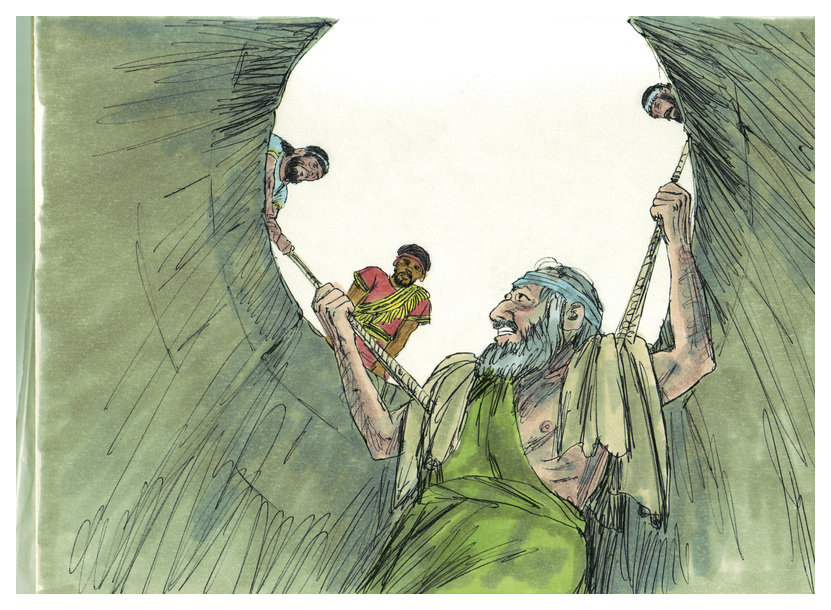
This rescue was no small feat. In a city gripped by fear and betrayal, Ebed-Melech stood alone as the one willing to defend God’s prophet when even the king wavered.

Before the final fall of Jerusalem, God sends a personal message to Ebedmelech through Jeremiah: “Now the word of the LORD came unto Jeremiah, while he was shut up in the court of the prison, saying, Go and speak to Ebedmelech the Ethiopian, saying, Thus saith the LORD of hosts, the God of Israel; Behold, I will bring my words upon this city for evil, and not for good; and they shall be accomplished in that day before thee.  But I will deliver thee in that day, saith the LORD: and thou shalt not be given into the hand of the men of whom thou art afraid. For I will surely deliver thee, and thou shalt not fall by the sword, but thy life shall be for a prey (prize) unto thee: because thou hast put thy trust in me, saith the LORD.” (Jeremiah 39:15-18)

Ebedmelech trusted God, and God remembered his courage. By rescuing Jeremiah, he sided with God’s messenger against popular opposition. He didn’t lead an army; he just did what was right. Nothing more is said of him, but the scriptures record for all time this simple act of faith. Ebed-Melech’s story illustrates timeless truths: God notices those who trust Him. This outsider shone as a beacon of faith, reminding us that trusting God includes simple acts often while standing alone for what is right.

Agape

spencer

Happy New Year: 2026 Bible Reading Plan

BIBLE READING RESOLUTION

“For the word of God is quick, and powerful, and sharper than any twoedged sword, piercing even to the dividing asunder of soul and spirit, and of the joints and marrow, and is a discerner of the thoughts and intents of the heart” (Hebrews 4:12).

I asked a fellow one day if he knew why people read the Bible daily. He said that he didn’t really know why. It got me thinking about why we ought to read the Bible.

In a world filled with confusion, relativism, and aimless wandering, we desperately need to immerse ourselves in the Bible, God’s inspired Word. As Ephesians 5:17 urges, we must not live foolishly but understand the WILL OF THE LORD, which is revealed clearly through Scripture. John 17:17 declares that GOD’S WORD IS TRUTH ITSELF; the objective anchor in an age of shifting sand of public opinions, guarding us from deception. Moreover, 1 Peter 3:15 tells us to always BE READY TO GIVE A DEFENSE FOR THE HOPE WITHIN US, a readiness that comes only from knowing and internalizing biblical truth. Finally, recognizing that it is not in man to direct his own steps (Jeremiah 10:23), we turn to Psalm 119:105, where GOD’S WORD BECOMES A LAMP TO OUR FEET AND A LIGHT TO OUR PATH, illuminating our purpose and guiding us safely through life’s journey. Without regular reading of the Bible, we stumble in darkness; with it, we walk confidently in God’s eternal direction.

Get A Bookmark; it’s the easiest Bible Reading Plan.
A simple bookmark can be one of the most powerful tools for staying consistent in Bible reading, even without following a formal plan. Life is unpredictable with busy schedules, unexpected interruptions, and shifting priorities that can easily derail our good intentions to read Scripture daily. But a bookmark quietly solves this problem by marking exactly where we left off, so we know where to go when we pick back up the Bible again. No need to remember the last chapter or verse, no pressure to “catch up” on missed days, and no guilt over abandoning a rigid reading schedule. It allows us to resume right where we stopped, whether that was yesterday, or last week. This simple device keeps the habit alive, allowing steady progress through the Word over months and years. Over time, that humble bookmark becomes a faithful companion helping us build a lifelong rhythm of reading His Word; one verse, one chapter, one bookmark placement at a time.

I have found it most effective to set a time to read each day. In the early years I would read just before bed (a great strategy if you’re trying to avoid screen time at the end of the day). This helped me to go to sleep with God’s word on my heart. Now a days I read in the mornings (Monday – Friday) following a 5-day reading plan to read through the whole bible in one year. May God’s word be a blessing to you as you read in 2026.

Agape
spencer

God is not for CALVINISM

God Is Not a Calvinist

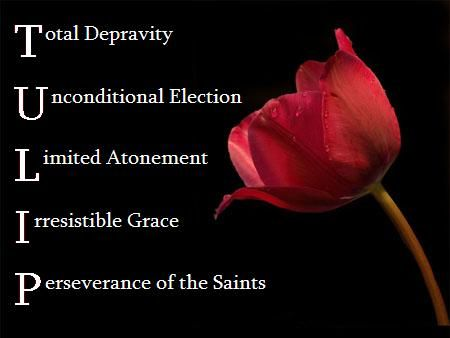
The Bible presents a God of boundless love, genuine invitation, and impartial justice. Yet Calvinism (through its doctrines of unconditional election, limited atonement, and irresistible grace) paints a different portrait: a God who sovereignly chooses some for heaven and others for hell, apart from their response. This article examines nine biblical truths that directly contradict core Calvinist claims. God is not a Calvinist because…

1. He Teaches Man Is Free to CHOOSE

God does not mock His creatures with illusory commands. Joshua’s charge assumes real moral ability to choose between serving God or idols. Calvinism’s unconditional election denies this freedom, claiming the unelect cannot choose God. But Scripture places responsibility squarely on human shoulders.

2. He Desires ALL to Be Saved

Paul roots evangelism in God’s universal salvific will. Calvinism redefines “all” as “all kinds of people” (i.e., the elect from every nation). But the Greek pantas anthrōpous means every human without exception. God’s desire conflicts with their decree that guarantees most will perish.

3. He LOVES the Whole World

Calvinism limits Christ’s death to the elect. Yet “world” (kosmos) here is all-encompassing (every sinner, not a pre-selected subset). Salvation hinges on whoever believes, not whoever was chosen before time.

4. Jesus Is the Propitiation for the Whole World

John destroys limited atonement in one sentence. Christ’s blood satisfies God’s wrath for every sin of every person. The offer of forgiveness is universal and sufficient—though not universally applied (due to unbelief, not divine decree; see Romans 1:20-32).

5. Jesus Was Willing, but ISRAEL Was Not

Jesus’ lament exposes the myth of irresistible grace. Divine will (“I would”) clashes with human refusal (“you were not willing”). Grace woos, but does not compel. The same crowd that rejected Christ could have repented; if they had been willing.

6. He Is NOT Willing That Any Should Perish

Peter ties God’s patience to a universal hope for repentance. Calvinism inserts “any of the elect” and “all of the elect,” but the text says any and all—period. God delays judgment to give every sinner opportunity (2Peter 3:15).

7. He Warns Believers of the Possibility of Falling

Calvinism’s perseverance of the saints teaches true believers cannot fall away. Yet Paul warns the Corinthian church—regenerate Christians—of real spiritual danger. Apostasy is possible; perseverance is commanded, not guaranteed. The Bible is full of warnings against apostasy.

8. He Says Baptism Saves

Calvinism often treats baptism as a mere symbol with no saving efficacy. Peter disagrees: baptism saves—not magically, but as the God-ordained moment of calling on the name of the Lord (cf. Acts 2:38; 22:16; Romans 10:13; Mark 16:16). It is the normative entry into Christ’s death and resurrection (Rom 6:3–4; Colossians 2:11-12).

9. He Teaches Babies Are Safe—We Do Not Inherit Adam’s Guilt

Calvinism’s total depravity includes inherited guilt—infants are “vipers in diapers,” born condemned. But:

  • David said of his dead infant, “I shall go to him, but he will not return to me” (2 Sam 12:23)—implying the child was saved.
  • Jesus held up children as models of the kingdom, not objects of wrath.
  • Ezekiel rejects transgenerational punishment.

Sin’s consequence is death (Rom 5:12), but guilt is personal. Babies are safe until the age of accountability.

Conclusion: A God Worth Proclaiming

The God of Scripture loves every sinner, died for every sin, and pleads with every heart. He does not play favorites (Acts 10:34–35). He does not mock with insincere offers. He does not damn the innocent.

Calvinism’s God decrees reprobation before birth of certain individuals and spares selected individuals.


The Bible’s God says, “Choose this day… Turn to me and be saved, all the ends of the earth!” (Isa 45:22)

agape

spencer

Who are God’s Chosen People today?

WHO ARE GOD’S CHOSEN PEOPLE TODAY?

The Bible presents the children of Abraham, specifically the twelve tribes of Israel, as God’s chosen people, selected for a divine purpose: to bring forth the Messiah, Jesus Christ, through whom all nations would be blessed. This narrative weaves through the Old and New Testaments, showing the progression from the Law of Moses to the New Covenant in Christ, culminating in the universal call to become God’s chosen through faith and obedience to the Gospel.

The Chosen People and the Promise.
God’s covenant with Abraham (Genesis 12:1-3) established his descendants as the vehicle for His redemptive plan. Through Abraham’s seed—ultimately Christ (Galatians 3:16)—all nations would be blessed. The twelve tribes of Israel, descending from Abraham through Isaac and Jacob (Genesis 17:19; 35:10-12), were chosen to preserve God’s covenant, carry His oracles, and prepare the world for the Messiah. Deuteronomy 7:6-8 emphasizes that Israel’s election was not due to their merit but God’s love and faithfulness to His promise.

The Purpose of the Law of Moses.
The Law of Moses, given to Israel at Sinai (Exodus 19-20), served as a tutor to lead humanity to Christ (Galatians 3:24-25). It revealed God’s holiness, exposed human sinfulness (Romans 3:20), and provided a framework for Israel’s covenant relationship with God. The Law included moral, ceremonial, and civil commands, pointing to Christ through types and shadows (Hebrews 10:1). For example, the Passover lamb (Exodus 12) prefigured Christ’s sacrificial death (1 Corinthians 5:7). However, the Law was temporary, unable to justify or remove sin permanently (Hebrews 7:19; 10:4). Its purpose was to prepare Israel—and the world—for the coming of the Messiah.

Fulfillment in Christ and the New Covenant.
With Christ’s death, burial, and resurrection—the Gospel (1 Corinthians 15:1-4)—the Law of Moses was fulfilled and abrogated (Colossians 2:14; Hebrews 8:6-13). Jesus, as the promised seed of Abraham (Galatians 3:16), accomplished what the Law could not: justification and reconciliation with God (Romans 5:1-2). The New Covenant, established through His blood (Matthew 26:28), replaced the Old Covenant, making salvation accessible to all—Jew and Gentile—through faith in Christ (Romans 10:12-13). The Great Commission (Matthew 28:18-20) commands the spread of this Gospel to all nations, inviting everyone to obey Christ’s doctrine (2 John 1:9).

Paul expresses his heart for Israel’s salvation in Romans 10:1, noting their zeal for God but lack of knowledge about the righteousness that comes through faith in Christ (Romans 10:3-4). The Law’s purpose was fulfilled in Christ, and now all who believe—whether Jew or Gentile—are justified by faith (Galatians 3:26-29).

The Saints as the Chosen People.
Under the New Covenant, the “chosen people” are no longer defined by ethnicity but by faith and obedience to the Gospel. 1 Peter 2:9 describes believers—Jew & Gentile—as a “chosen generation, a royal priesthood, a holy nation,” echoing Israel’s calling in Exodus 19:5-6 but now applied universally to the church. Anyone who obeys the Gospel by faith (Romans 1:16; Acts 2:38) becomes part of this spiritual Israel, grafted into God’s family (Romans 11:17-24). The saints, through Christ, inherit the promises made to Abraham (Galatians 3:29).


The twelve tribes of Israel were chosen to bring Christ into the world, with the Law of Moses guiding them toward this purpose while exposing humanity’s need for a Savior. Christ’s Gospel fulfilled and replaced the Law, opening salvation to all who obey Him by faith. The saints, as God’s new chosen people, reflect His redemptive plan: a universal call to become His own through the New Covenant, demonstrating His grace and power to save.

HOW IS ISRAEL SAVED TODAY?

Israel (and everyone else) is saved not by the Law of Moses but by the Law of Christ under the New Covenant. The fulfillment of Jeremiah 31:31-34, as affirmed in Hebrews 8, establishes that salvation for Israel—and all people—comes through faith and obedience to the Gospel of Christ.

Salvation Through the Law of Christ.

Since Pentecost, when the New Covenant was inaugurated with the outpouring of the Holy Spirit (Acts 2:1-4), salvation for Israel (and all nations) is through the Law of Christ, which is the Gospel—the message of His death, burial, and resurrection (1 Corinthians 15:1-4).

The Bible is clear:

  • Faith and Obedience to the Gospel: Romans 10:9-13 states that salvation comes by confessing Jesus as Lord and believing in His resurrection, with “no distinction between Jew and Greek, for the same Lord over all is rich to all who call upon Him.” Acts 2:38, preached to Jews on Pentecost, commands repentance and baptism in Jesus’ name for the forgiveness of sins, resulting in 3,000 Jews being saved (Acts 2:41). This marks the beginning of salvation under the Law of Christ.
  • The New Covenant Fulfilled: Jeremiah 31:31-34 promised a new covenant with Israel, where God would write His law on their hearts and forgive their sins. Hebrews 8:6-13 declares this fulfilled in Christ, who is the “mediator of a better covenant.” His sacrifice replaced the Old Covenant (Hebrews 8:13), making the Gospel the means of salvation for all, including Israel.
  • The Law of Christ: Galatians 6:2 refers to “the law of Christ” as the guiding principle for believers. This involves faith working through love (Galatians 5:6), obedience to Christ’s commands (John 14:15), and adherence to His doctrine (2 John 1:9). For Israel, this means accepting Jesus as the Messiah and obeying His Gospel, as seen in the Jewish believers of the early church (Acts 2:41; 6:7).

The Law of Moses Abrogated.

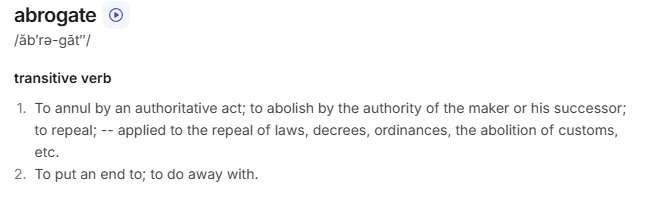
(Abrogated: To annul by an authoritative act; to abolish by the authority of the maker or his successor; To put an end to; to do away with.)

The Law of Moses, given to Israel at Sinai (Exodus 19-20), is no longer the means of salvation:

  • Fulfilled and Replaced: Jesus fulfilled the Law (Matthew 5:17-18), and His death on the cross abolished it as a system of justification (Colossians 2:14; Ephesians 2:15). Hebrews 10:9 states that Christ “takes away the first [covenant] that He may establish the second.” The Law’s sacrifices and ordinances could not perfect or justify (Hebrews 10:1-4; Galatians 3:10-13).
  • A Tutor to Christ: Galatians 3:24-25 explains that the Law was a “tutor to bring us to Christ,” but “after faith has come, we are no longer under a tutor.” For Israel, the Law pointed to the Messiah, but since His coming, salvation is through faith in Him, not the Law’s works (Romans 10:4).
  • Inability to Save: Acts 15:10-11, in the context of Jewish believers, affirms that neither Jews nor Gentiles are saved by the Law, which was a “yoke” they could not bear. Instead, “through the grace of the Lord Jesus Christ we shall be saved.”

Israel’s Salvation Today.

Since Pentecost, Jews (Israel) are saved by:

  • Hearing and Believing the Gospel: Romans 10:17 says faith comes by hearing the word of Christ. Jews must believe Jesus is the Messiah, as Peter proclaimed to Israel (Acts 2:36).
  • Repentance and Baptism: Acts 2:38 applies to Jews, as seen in the mass conversions at Pentecost. Baptism in Jesus’ name unites Jews and Gentiles with Christ (Galatians 3:27-29).
  • Ongoing Faithfulness: Like all believers, Jews must abide in Christ’s doctrine (2 John 1:9) and remain faithful (Hebrews 3:14). The remnant of Israel saved today includes Jews who obey the Gospel, such as the apostles and early disciples (Romans 11:5).

The Remnant and Future Hope.

Romans 11:5 speaks of a “remnant according to the election of grace” among Israel, saved by faith in Christ, as exemplified by Jewish believers in the New Testament (e.g., Acts 21:20). While Romans 11:26 anticipates a future time when “all Israel will be saved,” this does not imply salvation apart from the Gospel. The context (Romans 11:23-27) suggests Israel’s salvation comes through faith in Christ, aligning with the New Covenant promise of Jeremiah 31:31-34, fulfilled in Christ’s blood (Hebrews 8:8-12; Matthew 26:28).

Conclusion.

Since Pentecost, Israel is saved through the Law of Christ—the Gospel—not the Law of Moses, which was fulfilled and abrogated (Hebrews 8:13; Colossians 2:14). The New Covenant, promised in Jeremiah 31:31-34 and established through Christ (Hebrews 8:6), requires Jews to believe in Jesus as Messiah, repent, and be baptized (Acts 2:38; Romans 10:9-13). The remnant of Israel today, like all believers, enters God’s chosen people (1 Peter 2:9) by faith and obedience to the Gospel, fulfilling God’s redemptive plan through the eternal covenant of Christ.

agape

Responding to PAIN

Responding to Pain with Faith: A Biblical Perspective

Pain is an inevitable part of the human experience, whether it stems from physical suffering, emotional turmoil, or spiritual trials. The Bible offers timeless guidance on how to navigate pain with faith, resilience, and trust in God. Four key principles emerge from Scripture to guide believers in responding to pain: never forsaking God, maintaining integrity, acting on God’s will, and praying without ceasing. These principles, rooted in the Word, provide a framework for enduring suffering while remaining anchored in faith.

First, irrespective of our trials, we ought never forsake God, trusting that He never forsakes His people. Deuteronomy 31:6 declares, “Be strong and courageous. Do not be afraid… for the Lord your God goes with you; he will never leave you nor forsake you.” This promise assures us that God’s presence is constant, even in our darkest moments. Similarly, Hebrews 13:5 reinforces this truth: “…Never will I leave you; never will I forsake you.” When pain threatens to overwhelm, these verses remind us that God is our refuge. Clinging to Him, rather than turning away in bitterness, strengthens our faith and provides hope. Pain may obscure our view of God, but His faithfulness remains unwavering, a steady anchor through life’s storms. God is not the source of our pain, but He can use it for our growth (Rom 8:28).

Second, maintaining integrity in the face of pain is essential. Persecution, betrayal, or injustice can tempt us to retaliate or compromise our values, but Scripture teaches us to maintain a higher standard. Romans 12:17-19 instructs, “Do not repay anyone evil for evil… Do not take revenge, my dear friends, but leave room for God’s wrath.” Likewise, 1 Peter 3:9 urges, “Do not repay evil with evil… but with blessing.” Integrity means reflecting God’s character, even when wronged. By refusing to curse our enemies or seek vengeance, we demonstrate trust in God’s justice and exemplify His love. Proverbs 20:22 echoes this: “Do not say, ‘I’ll pay you back for this wrong!’ Wait for the Lord, and he will avenge you.” Integrity in pain glorifies God and guards our hearts against resentment. Christ could have called 12 legions of angels (Matt 26:53; 1Pet 2:23)

Third, acting on God’s will by doing good is a powerful response to suffering. Pain can lead to self-focus, but Scripture calls us to persevere in righteousness. Galatians 6:9 encourages, “Let us not become weary in doing good, for at the proper time we will reap a harvest if we do not give up.” James 4:17 adds, “If anyone, then, knows the good they ought to do and doesn’t do it, it is sin for them.” Doing good (whether through kindness, service, or forgiveness) aligns us with God’s purposes and transforms pain into opportunities for service. By acting in obedience, we reflect Christ’s example, who endured suffering to accomplish God’s redemptive plan.

Finally, prayer is the lifeline of a believer in pain. 1 Thessalonians 5:17 commands, “Pray continually.” Philippians 4:6 further instructs, “Do not be anxious about anything, but in every situation, by prayer and petition, with thanksgiving, present your requests to God.” Colossians 4:2 adds, “Devote yourselves to prayer, being watchful and thankful.” Prayer connects us to God’s strength, aligns our hearts with His will, and brings peace that surpasses understanding. In pain, persistent prayer becomes a conduit for God’s comfort.

Responding to pain with faith involves trusting God’s presence, upholding integrity, doing good, and praying without ceasing. These biblical principles anchor us in God’s truth, enabling us to endure suffering with hope and purpose. By clinging to Scripture, we find the strength to navigate pain while glorifying God.

agape