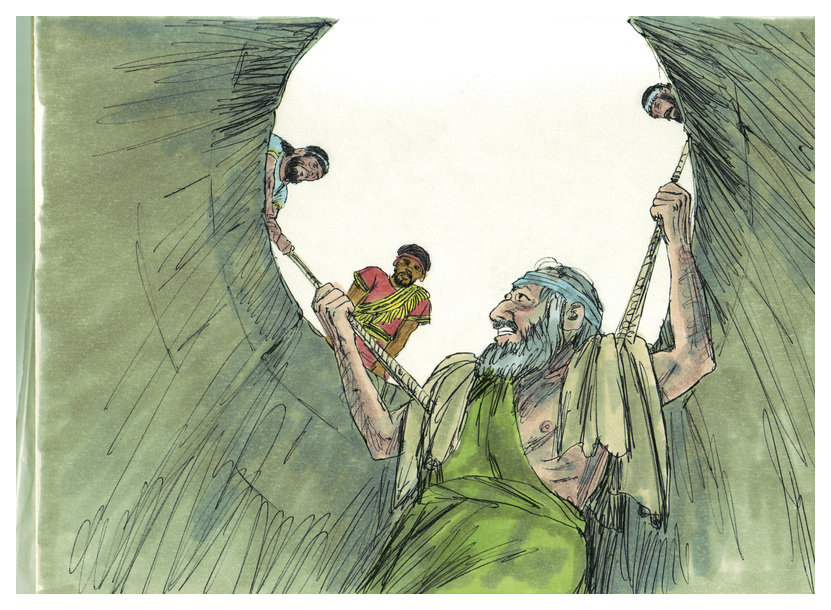
Hero of Faith: Ebed-Melech

This rescue was no small feat. In a city gripped by fear and betrayal, Ebed-Melech stood alone as the one willing to defend God’s prophet when even the king wavered.

Before the final fall of Jerusalem, God sends a personal message to Ebedmelech through Jeremiah: “Now the word of the LORD came unto Jeremiah, while he was shut up in the court of the prison, saying, Go and speak to Ebedmelech the Ethiopian, saying, Thus saith the LORD of hosts, the God of Israel; Behold, I will bring my words upon this city for evil, and not for good; and they shall be accomplished in that day before thee.  But I will deliver thee in that day, saith the LORD: and thou shalt not be given into the hand of the men of whom thou art afraid. For I will surely deliver thee, and thou shalt not fall by the sword, but thy life shall be for a prey (prize) unto thee: because thou hast put thy trust in me, saith the LORD.” (Jeremiah 39:15-18)

Ebedmelech trusted God, and God remembered his courage. By rescuing Jeremiah, he sided with God’s messenger against popular opposition. He didn’t lead an army; he just did what was right. Nothing more is said of him, but the scriptures record for all time this simple act of faith. Ebed-Melech’s story illustrates timeless truths: God notices those who trust Him. This outsider shone as a beacon of faith, reminding us that trusting God includes simple acts often while standing alone for what is right.

Agape

spencer

Happy New Year: 2026 Bible Reading Plan

BIBLE READING RESOLUTION

“For the word of God is quick, and powerful, and sharper than any twoedged sword, piercing even to the dividing asunder of soul and spirit, and of the joints and marrow, and is a discerner of the thoughts and intents of the heart” (Hebrews 4:12).

I asked a fellow one day if he knew why people read the Bible daily. He said that he didn’t really know why. It got me thinking about why we ought to read the Bible.

In a world filled with confusion, relativism, and aimless wandering, we desperately need to immerse ourselves in the Bible, God’s inspired Word. As Ephesians 5:17 urges, we must not live foolishly but understand the WILL OF THE LORD, which is revealed clearly through Scripture. John 17:17 declares that GOD’S WORD IS TRUTH ITSELF; the objective anchor in an age of shifting sand of public opinions, guarding us from deception. Moreover, 1 Peter 3:15 tells us to always BE READY TO GIVE A DEFENSE FOR THE HOPE WITHIN US, a readiness that comes only from knowing and internalizing biblical truth. Finally, recognizing that it is not in man to direct his own steps (Jeremiah 10:23), we turn to Psalm 119:105, where GOD’S WORD BECOMES A LAMP TO OUR FEET AND A LIGHT TO OUR PATH, illuminating our purpose and guiding us safely through life’s journey. Without regular reading of the Bible, we stumble in darkness; with it, we walk confidently in God’s eternal direction.

Get A Bookmark; it’s the easiest Bible Reading Plan.
A simple bookmark can be one of the most powerful tools for staying consistent in Bible reading, even without following a formal plan. Life is unpredictable with busy schedules, unexpected interruptions, and shifting priorities that can easily derail our good intentions to read Scripture daily. But a bookmark quietly solves this problem by marking exactly where we left off, so we know where to go when we pick back up the Bible again. No need to remember the last chapter or verse, no pressure to “catch up” on missed days, and no guilt over abandoning a rigid reading schedule. It allows us to resume right where we stopped, whether that was yesterday, or last week. This simple device keeps the habit alive, allowing steady progress through the Word over months and years. Over time, that humble bookmark becomes a faithful companion helping us build a lifelong rhythm of reading His Word; one verse, one chapter, one bookmark placement at a time.

I have found it most effective to set a time to read each day. In the early years I would read just before bed (a great strategy if you’re trying to avoid screen time at the end of the day). This helped me to go to sleep with God’s word on my heart. Now a days I read in the mornings (Monday – Friday) following a 5-day reading plan to read through the whole bible in one year. May God’s word be a blessing to you as you read in 2026.

Agape
spencer

God is not for CALVINISM

God Is Not a Calvinist

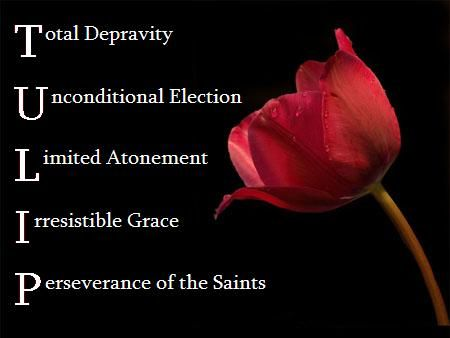
The Bible presents a God of boundless love, genuine invitation, and impartial justice. Yet Calvinism (through its doctrines of unconditional election, limited atonement, and irresistible grace) paints a different portrait: a God who sovereignly chooses some for heaven and others for hell, apart from their response. This article examines nine biblical truths that directly contradict core Calvinist claims. God is not a Calvinist because…

1. He Teaches Man Is Free to CHOOSE

God does not mock His creatures with illusory commands. Joshua’s charge assumes real moral ability to choose between serving God or idols. Calvinism’s unconditional election denies this freedom, claiming the unelect cannot choose God. But Scripture places responsibility squarely on human shoulders.

2. He Desires ALL to Be Saved

Paul roots evangelism in God’s universal salvific will. Calvinism redefines “all” as “all kinds of people” (i.e., the elect from every nation). But the Greek pantas anthrōpous means every human without exception. God’s desire conflicts with their decree that guarantees most will perish.

3. He LOVES the Whole World

Calvinism limits Christ’s death to the elect. Yet “world” (kosmos) here is all-encompassing (every sinner, not a pre-selected subset). Salvation hinges on whoever believes, not whoever was chosen before time.

4. Jesus Is the Propitiation for the Whole World

John destroys limited atonement in one sentence. Christ’s blood satisfies God’s wrath for every sin of every person. The offer of forgiveness is universal and sufficient—though not universally applied (due to unbelief, not divine decree; see Romans 1:20-32).

5. Jesus Was Willing, but ISRAEL Was Not

Jesus’ lament exposes the myth of irresistible grace. Divine will (“I would”) clashes with human refusal (“you were not willing”). Grace woos, but does not compel. The same crowd that rejected Christ could have repented; if they had been willing.

6. He Is NOT Willing That Any Should Perish

Peter ties God’s patience to a universal hope for repentance. Calvinism inserts “any of the elect” and “all of the elect,” but the text says any and all—period. God delays judgment to give every sinner opportunity (2Peter 3:15).

7. He Warns Believers of the Possibility of Falling

Calvinism’s perseverance of the saints teaches true believers cannot fall away. Yet Paul warns the Corinthian church—regenerate Christians—of real spiritual danger. Apostasy is possible; perseverance is commanded, not guaranteed. The Bible is full of warnings against apostasy.

8. He Says Baptism Saves

Calvinism often treats baptism as a mere symbol with no saving efficacy. Peter disagrees: baptism saves—not magically, but as the God-ordained moment of calling on the name of the Lord (cf. Acts 2:38; 22:16; Romans 10:13; Mark 16:16). It is the normative entry into Christ’s death and resurrection (Rom 6:3–4; Colossians 2:11-12).

9. He Teaches Babies Are Safe—We Do Not Inherit Adam’s Guilt

Calvinism’s total depravity includes inherited guilt—infants are “vipers in diapers,” born condemned. But:

  • David said of his dead infant, “I shall go to him, but he will not return to me” (2 Sam 12:23)—implying the child was saved.
  • Jesus held up children as models of the kingdom, not objects of wrath.
  • Ezekiel rejects transgenerational punishment.

Sin’s consequence is death (Rom 5:12), but guilt is personal. Babies are safe until the age of accountability.

Conclusion: A God Worth Proclaiming

The God of Scripture loves every sinner, died for every sin, and pleads with every heart. He does not play favorites (Acts 10:34–35). He does not mock with insincere offers. He does not damn the innocent.

Calvinism’s God decrees reprobation before birth of certain individuals and spares selected individuals.


The Bible’s God says, “Choose this day… Turn to me and be saved, all the ends of the earth!” (Isa 45:22)

agape

spencer

Who are God’s Chosen People today?

WHO ARE GOD’S CHOSEN PEOPLE TODAY?

The Bible presents the children of Abraham, specifically the twelve tribes of Israel, as God’s chosen people, selected for a divine purpose: to bring forth the Messiah, Jesus Christ, through whom all nations would be blessed. This narrative weaves through the Old and New Testaments, showing the progression from the Law of Moses to the New Covenant in Christ, culminating in the universal call to become God’s chosen through faith and obedience to the Gospel.

The Chosen People and the Promise.
God’s covenant with Abraham (Genesis 12:1-3) established his descendants as the vehicle for His redemptive plan. Through Abraham’s seed—ultimately Christ (Galatians 3:16)—all nations would be blessed. The twelve tribes of Israel, descending from Abraham through Isaac and Jacob (Genesis 17:19; 35:10-12), were chosen to preserve God’s covenant, carry His oracles, and prepare the world for the Messiah. Deuteronomy 7:6-8 emphasizes that Israel’s election was not due to their merit but God’s love and faithfulness to His promise.

The Purpose of the Law of Moses.
The Law of Moses, given to Israel at Sinai (Exodus 19-20), served as a tutor to lead humanity to Christ (Galatians 3:24-25). It revealed God’s holiness, exposed human sinfulness (Romans 3:20), and provided a framework for Israel’s covenant relationship with God. The Law included moral, ceremonial, and civil commands, pointing to Christ through types and shadows (Hebrews 10:1). For example, the Passover lamb (Exodus 12) prefigured Christ’s sacrificial death (1 Corinthians 5:7). However, the Law was temporary, unable to justify or remove sin permanently (Hebrews 7:19; 10:4). Its purpose was to prepare Israel—and the world—for the coming of the Messiah.

Fulfillment in Christ and the New Covenant.
With Christ’s death, burial, and resurrection—the Gospel (1 Corinthians 15:1-4)—the Law of Moses was fulfilled and abrogated (Colossians 2:14; Hebrews 8:6-13). Jesus, as the promised seed of Abraham (Galatians 3:16), accomplished what the Law could not: justification and reconciliation with God (Romans 5:1-2). The New Covenant, established through His blood (Matthew 26:28), replaced the Old Covenant, making salvation accessible to all—Jew and Gentile—through faith in Christ (Romans 10:12-13). The Great Commission (Matthew 28:18-20) commands the spread of this Gospel to all nations, inviting everyone to obey Christ’s doctrine (2 John 1:9).

Paul expresses his heart for Israel’s salvation in Romans 10:1, noting their zeal for God but lack of knowledge about the righteousness that comes through faith in Christ (Romans 10:3-4). The Law’s purpose was fulfilled in Christ, and now all who believe—whether Jew or Gentile—are justified by faith (Galatians 3:26-29).

The Saints as the Chosen People.
Under the New Covenant, the “chosen people” are no longer defined by ethnicity but by faith and obedience to the Gospel. 1 Peter 2:9 describes believers—Jew & Gentile—as a “chosen generation, a royal priesthood, a holy nation,” echoing Israel’s calling in Exodus 19:5-6 but now applied universally to the church. Anyone who obeys the Gospel by faith (Romans 1:16; Acts 2:38) becomes part of this spiritual Israel, grafted into God’s family (Romans 11:17-24). The saints, through Christ, inherit the promises made to Abraham (Galatians 3:29).


The twelve tribes of Israel were chosen to bring Christ into the world, with the Law of Moses guiding them toward this purpose while exposing humanity’s need for a Savior. Christ’s Gospel fulfilled and replaced the Law, opening salvation to all who obey Him by faith. The saints, as God’s new chosen people, reflect His redemptive plan: a universal call to become His own through the New Covenant, demonstrating His grace and power to save.

HOW IS ISRAEL SAVED TODAY?

Israel (and everyone else) is saved not by the Law of Moses but by the Law of Christ under the New Covenant. The fulfillment of Jeremiah 31:31-34, as affirmed in Hebrews 8, establishes that salvation for Israel—and all people—comes through faith and obedience to the Gospel of Christ.

Salvation Through the Law of Christ.

Since Pentecost, when the New Covenant was inaugurated with the outpouring of the Holy Spirit (Acts 2:1-4), salvation for Israel (and all nations) is through the Law of Christ, which is the Gospel—the message of His death, burial, and resurrection (1 Corinthians 15:1-4).

The Bible is clear:

  • Faith and Obedience to the Gospel: Romans 10:9-13 states that salvation comes by confessing Jesus as Lord and believing in His resurrection, with “no distinction between Jew and Greek, for the same Lord over all is rich to all who call upon Him.” Acts 2:38, preached to Jews on Pentecost, commands repentance and baptism in Jesus’ name for the forgiveness of sins, resulting in 3,000 Jews being saved (Acts 2:41). This marks the beginning of salvation under the Law of Christ.
  • The New Covenant Fulfilled: Jeremiah 31:31-34 promised a new covenant with Israel, where God would write His law on their hearts and forgive their sins. Hebrews 8:6-13 declares this fulfilled in Christ, who is the “mediator of a better covenant.” His sacrifice replaced the Old Covenant (Hebrews 8:13), making the Gospel the means of salvation for all, including Israel.
  • The Law of Christ: Galatians 6:2 refers to “the law of Christ” as the guiding principle for believers. This involves faith working through love (Galatians 5:6), obedience to Christ’s commands (John 14:15), and adherence to His doctrine (2 John 1:9). For Israel, this means accepting Jesus as the Messiah and obeying His Gospel, as seen in the Jewish believers of the early church (Acts 2:41; 6:7).

The Law of Moses Abrogated.

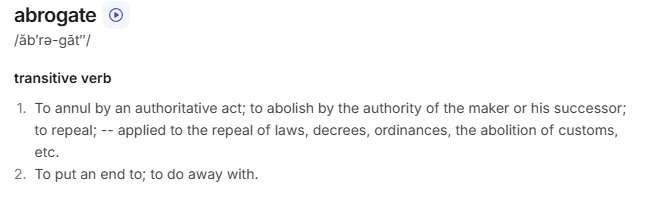
(Abrogated: To annul by an authoritative act; to abolish by the authority of the maker or his successor; To put an end to; to do away with.)

The Law of Moses, given to Israel at Sinai (Exodus 19-20), is no longer the means of salvation:

  • Fulfilled and Replaced: Jesus fulfilled the Law (Matthew 5:17-18), and His death on the cross abolished it as a system of justification (Colossians 2:14; Ephesians 2:15). Hebrews 10:9 states that Christ “takes away the first [covenant] that He may establish the second.” The Law’s sacrifices and ordinances could not perfect or justify (Hebrews 10:1-4; Galatians 3:10-13).
  • A Tutor to Christ: Galatians 3:24-25 explains that the Law was a “tutor to bring us to Christ,” but “after faith has come, we are no longer under a tutor.” For Israel, the Law pointed to the Messiah, but since His coming, salvation is through faith in Him, not the Law’s works (Romans 10:4).
  • Inability to Save: Acts 15:10-11, in the context of Jewish believers, affirms that neither Jews nor Gentiles are saved by the Law, which was a “yoke” they could not bear. Instead, “through the grace of the Lord Jesus Christ we shall be saved.”

Israel’s Salvation Today.

Since Pentecost, Jews (Israel) are saved by:

  • Hearing and Believing the Gospel: Romans 10:17 says faith comes by hearing the word of Christ. Jews must believe Jesus is the Messiah, as Peter proclaimed to Israel (Acts 2:36).
  • Repentance and Baptism: Acts 2:38 applies to Jews, as seen in the mass conversions at Pentecost. Baptism in Jesus’ name unites Jews and Gentiles with Christ (Galatians 3:27-29).
  • Ongoing Faithfulness: Like all believers, Jews must abide in Christ’s doctrine (2 John 1:9) and remain faithful (Hebrews 3:14). The remnant of Israel saved today includes Jews who obey the Gospel, such as the apostles and early disciples (Romans 11:5).

The Remnant and Future Hope.

Romans 11:5 speaks of a “remnant according to the election of grace” among Israel, saved by faith in Christ, as exemplified by Jewish believers in the New Testament (e.g., Acts 21:20). While Romans 11:26 anticipates a future time when “all Israel will be saved,” this does not imply salvation apart from the Gospel. The context (Romans 11:23-27) suggests Israel’s salvation comes through faith in Christ, aligning with the New Covenant promise of Jeremiah 31:31-34, fulfilled in Christ’s blood (Hebrews 8:8-12; Matthew 26:28).

Conclusion.

Since Pentecost, Israel is saved through the Law of Christ—the Gospel—not the Law of Moses, which was fulfilled and abrogated (Hebrews 8:13; Colossians 2:14). The New Covenant, promised in Jeremiah 31:31-34 and established through Christ (Hebrews 8:6), requires Jews to believe in Jesus as Messiah, repent, and be baptized (Acts 2:38; Romans 10:9-13). The remnant of Israel today, like all believers, enters God’s chosen people (1 Peter 2:9) by faith and obedience to the Gospel, fulfilling God’s redemptive plan through the eternal covenant of Christ.

agape

Responding to PAIN

Responding to Pain with Faith: A Biblical Perspective

Pain is an inevitable part of the human experience, whether it stems from physical suffering, emotional turmoil, or spiritual trials. The Bible offers timeless guidance on how to navigate pain with faith, resilience, and trust in God. Four key principles emerge from Scripture to guide believers in responding to pain: never forsaking God, maintaining integrity, acting on God’s will, and praying without ceasing. These principles, rooted in the Word, provide a framework for enduring suffering while remaining anchored in faith.

First, irrespective of our trials, we ought never forsake God, trusting that He never forsakes His people. Deuteronomy 31:6 declares, “Be strong and courageous. Do not be afraid… for the Lord your God goes with you; he will never leave you nor forsake you.” This promise assures us that God’s presence is constant, even in our darkest moments. Similarly, Hebrews 13:5 reinforces this truth: “…Never will I leave you; never will I forsake you.” When pain threatens to overwhelm, these verses remind us that God is our refuge. Clinging to Him, rather than turning away in bitterness, strengthens our faith and provides hope. Pain may obscure our view of God, but His faithfulness remains unwavering, a steady anchor through life’s storms. God is not the source of our pain, but He can use it for our growth (Rom 8:28).

Second, maintaining integrity in the face of pain is essential. Persecution, betrayal, or injustice can tempt us to retaliate or compromise our values, but Scripture teaches us to maintain a higher standard. Romans 12:17-19 instructs, “Do not repay anyone evil for evil… Do not take revenge, my dear friends, but leave room for God’s wrath.” Likewise, 1 Peter 3:9 urges, “Do not repay evil with evil… but with blessing.” Integrity means reflecting God’s character, even when wronged. By refusing to curse our enemies or seek vengeance, we demonstrate trust in God’s justice and exemplify His love. Proverbs 20:22 echoes this: “Do not say, ‘I’ll pay you back for this wrong!’ Wait for the Lord, and he will avenge you.” Integrity in pain glorifies God and guards our hearts against resentment. Christ could have called 12 legions of angels (Matt 26:53; 1Pet 2:23)

Third, acting on God’s will by doing good is a powerful response to suffering. Pain can lead to self-focus, but Scripture calls us to persevere in righteousness. Galatians 6:9 encourages, “Let us not become weary in doing good, for at the proper time we will reap a harvest if we do not give up.” James 4:17 adds, “If anyone, then, knows the good they ought to do and doesn’t do it, it is sin for them.” Doing good (whether through kindness, service, or forgiveness) aligns us with God’s purposes and transforms pain into opportunities for service. By acting in obedience, we reflect Christ’s example, who endured suffering to accomplish God’s redemptive plan.

Finally, prayer is the lifeline of a believer in pain. 1 Thessalonians 5:17 commands, “Pray continually.” Philippians 4:6 further instructs, “Do not be anxious about anything, but in every situation, by prayer and petition, with thanksgiving, present your requests to God.” Colossians 4:2 adds, “Devote yourselves to prayer, being watchful and thankful.” Prayer connects us to God’s strength, aligns our hearts with His will, and brings peace that surpasses understanding. In pain, persistent prayer becomes a conduit for God’s comfort.

Responding to pain with faith involves trusting God’s presence, upholding integrity, doing good, and praying without ceasing. These biblical principles anchor us in God’s truth, enabling us to endure suffering with hope and purpose. By clinging to Scripture, we find the strength to navigate pain while glorifying God.

agape

The Kingdom of Christ and His church are present realities.

The Kingdom of God (also called the Kingdom of Christ or of Heaven) is not a distant hope but a present reality inaugurated at Pentecost and advancing until Christ’s return. Here are five scriptural proofs that the Kingdom has been established and is operative now.

The Kingdom was Predicted and Came with Power on Pentecost: Jesus declared, “Some standing here will not taste death until they see the kingdom of God come with power” (Mark 9:1, ESV). He tied this power to the Holy Spirit’s arrival (Acts 1:8). On Pentecost, Acts 2:1–4 records the Spirit’s descent with wind, fire, and tongues, fulfilling Joel’s prophecy (Acts 2:16–21). Three thousand were baptized, marking the Kingdom’s (and the church’s) explosive launch (Acts 2:41). This was no mere preview; the Spirit’s outpouring signaled the Kingdom’s arrival, as Peter affirmed Christ’s enthronement (Acts 2:30–36). The Kingdom came with power, not as a future event but a present reality. Christ did not fail to set up His Kingdom and His church.

The Ordinance and Observation of the Lord’s Supper show the Kingdom is a present reality: Jesus promised to drink the cup anew “in the kingdom of God” (Matthew 26:29), and in 1Corinthians 11:20–26, Paul describes the early church regularly partaking of the Lord’s Supper, proclaiming Christ’s death “until He comes.” If the Supper is exclusive to the Kingdom, and believers ate it weekly on the 1st day of the week, the Kingdom must be present. This ordinance isn’t a rehearsal but a participation in Christ’s reign, a Kingdom meal served now, uniting believers with their risen King. Christ did not fail to set up His Kingdom and His church.

Since Pentecost, those that obeyed the Gospel Were and Are Translated into the Kingdom: Colossians 1:13 declares, “He has delivered us from the domain of darkness and transferred us to the kingdom of His beloved Son.” The past tense (“has transferred”) confirms believers are already Kingdom citizens ( cf. Philippians 3:19). Written to living Christians around AD 60, this verse shows the Kingdom isn’t a future destination but a current reality. We’ve been relocated, not to a physical territory but to Christ’s spiritual dominion, where His redemption and forgiveness reign (Col 1:14). Christ did not fail to set up His Kingdom and His church.

The Kingdom came with Power as seen in the Enthronement of Christ: Peter’s Pentecost sermon links Christ’s resurrection to His enthronement on David’s throne (Acts 2:30–36). Ephesians 1:20–22 adds that God seated Christ “far above all rule and authority,” making Him head over all things for the church. A king on the throne means a kingdom in session. Christ’s ascension wasn’t a delay but a coronation, inaugurating His reign over the Kingdom that began at Pentecost and continues now. He will reign until He delivers the kingdom to God when “he hath put all enemies under his feet” 1Cor 15:24-25). Christ did not fail to set up His Kingdom and His church.

We who are in Christ Reign with Him now: Paul writes that Jesus sits on His throne, “Which he wrought in Christ, when he raised him from the dead, and set him at his own right hand in the heavenly places,” (Ephesians 1:20). Then he says, “And hath raised us up together, and made us sit together in heavenly places in Christ Jesus:” (Ephesians 2:6). This present tense language shows the Saints reigning with Christ now. The language of Revelation 1:6 shows our identity as kings and priests now; “And hath made us kings and priests unto God and his Father; to him be glory and dominion for ever and ever.” We reign with Christ when we obey the Gospel of Christ. Christ did not fail to set up His Kingdom and His church.

Since Pentecost, Christ reigns, Satan is bound (Rev 20:2; Matt 12:29), and believers live as Kingdom citizens. This perspective embraces the “already” of Christ’s rule, and rejects any idea that Jesus failed to set up His promised Kingdom and His church. This reality is urging us to live boldly for the King who reigns now.

Christ is: “who is the blessed and only Potentate, the King of kings, and Lord of lords;” (1Timothy 6:15)

Christ did not fail to set up His Kingdom and His church.

agape

Testing the Spirits: Knowing God’s Will Through Scripture

Many who claim to follow Jesus assert they “hear God” or “feel the Holy Spirit” guiding them through personal experiences, visions, or inner promptings. While sincerity is commendable, the New Testament instructs believers to test such claims against the inspired Word of God, which alone reveals His will. The Bible warns that not every spirit is from God (1John 4:1), and it provides the sole standard for discerning truth. Today, no one receives divine revelation apart from Scripture, and we must lovingly but firmly guide others to this truth.

The New Testament teaches that God’s revelation was completed through the apostles and prophets. John 20:30-31 declares that the recorded signs of Jesus are sufficient for belief and life in His name. Similarly, 2Timothy 3:16-17 affirms that Scripture is “by inspiration of God” and equips believers for every good work, leaving no need for additional revelation. The apostles, uniquely inspired by the Holy Spirit (John 16:13; Acts 2:4), delivered the faith “once delivered unto the saints” (Jude 3). This completed revelation warns against adding to or subtracting from God’s Word (Revelation 22:18-19).

Claims of hearing God apart from Scripture often lead to confusion, as seen in the conflicting beliefs among denominations. The Bible cautions against deceptive spirits and false prophets (2Corinthians 11:13-15; 1Timothy 4:1). Jesus Himself warned of false christs and prophets who would mislead many (Matthew 24:24). If individuals claim divine guidance that contradicts Scripture or leads to opposing doctrines, such “spirits” fail the test of 1John 4:2-3, which demands alignment with the apostolic testimony about Christ.

The Holy Spirit’s work today is not to provide new revelations but to illuminate the written Word. Jesus promised the Holy Spirit would guide the apostles into all truth (John 16:13), a process fulfilled in the New Testament’s completion. Ephesians 3:3-5 reveals that God’s mystery was made known through apostolic writings, not ongoing personal revelations. Peter underscores that Scripture, inspired by the Spirit, surpasses even eyewitness experiences (2Peter 1:16-21). Thus, any claim of divine communication must be measured against the Bible’s unchanging standard.

To those who feel they “hear God,” we respond with compassion but clarity: God has spoken fully through His Word. Hebrews 1:1-2 contrasts God’s past revelations with His final word in Christ, recorded in Scripture.

Personal feelings, while powerful, are subjective and fallible (Jeremiah 17:9). The Bereans were commended for testing even Paul’s teachings against Scripture (Acts 17:11). We must do the same, trusting that the Bible alone is sufficient to guide us into God’s will (Psalm 119:105). In a world of competing voices, Christians must anchor their faith in the inspired, complete Word of God. By testing every spirit against Scripture, we guard against deception and find the true path to knowing God.

The heart is deceitful above all things, and desperately wicked: who can know it?” (Jeremiah 17:9)

I verily thought with myself, that I ought to do many things contrary to the name of Jesus of Nazareth.” (Acts 26:9)

agape

Spencer

6 Blessings we have in Christ.

All Those Spiritual Blessings | The Heaton File

The Abundant Blessings We Have in Christ

As faithful believers, our union with Jesus Christ grants us a treasure trove of spiritual riches, transforming our lives and securing our eternal destiny. The Bible reveals many profound blessings we receive through Christ. Here are 6 amazing blessings we have through Christ.

First, we experience cleansing from sin through Christ’s atoning work. The Bible declares, “But if we walk in the light, as he is in the light, we have fellowship one with another, and the blood of Jesus Christ his Son cleanseth us from all sin” (1 John 1:7, KJV). Additionally, Hebrews 9:14 assures us, “How much more shall the blood of Christ, who through the eternal Spirit offered himself without spot to God, purge your conscience from dead works to serve the living God?” Through Christ, our sins are washed away (in baptism, see Acts 22:16), freeing us from guilt and enabling us to live in righteousness.

Second, we are given the hope of heaven, a confident expectation of eternal life with God. Colossians 1:5 speaks of “the hope which is laid up for you in heaven, whereof ye heard before in the word of the truth of the gospel.” Titus 1:2 further confirms, “In hope of eternal life, which God, that cannot lie, promised before the world began.” This hope anchors our souls, giving us peace and purpose as we await our heavenly home.

Third, we receive redemption in His blood, the price paid for our freedom from sin’s penalty. Ephesians 1:7 states, “In whom we have redemption through his blood, the forgiveness of sins, according to the riches of his grace.” Likewise, 1 Peter 1:18-19 reminds us, “Ye were not redeemed with corruptible things, as silver and gold… but with the precious blood of Christ, as of a lamb without blemish and without spot.” Christ’s sacrifice secures our salvation, a gift we could never earn.

Fourth, Christ serves as our intercessor between God and man, bridging the gap sin created. Hebrews 7:25 proclaims, “Wherefore he is able also to save them to the uttermost that come unto God by him, seeing he ever liveth to make intercession for them.” 1 Timothy 2:5 adds, “For there is one God, and one mediator between God and men, the man Christ Jesus.” Through His intercession, we have constant access to God’s throne.

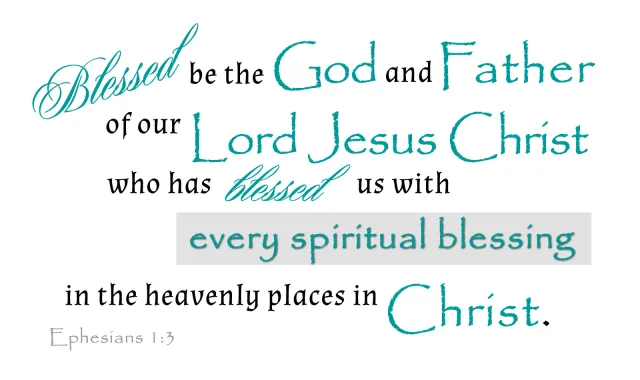
Fifth, we are blessed with all spiritual blessings in Christ. Ephesians 1:3 declares, “Blessed be the God and Father of our Lord Jesus Christ, who hath blessed us with all spiritual blessings in heavenly places in Christ.” 2 Peter 1:3 echoes, “His divine power hath given unto us all things that pertain unto life and godliness.” These blessings equip us for a life of faith and service.

Finally, we are reconciled to God through Christ, restored to a right relationship with Him. Romans 5:10 assures, “For if, when we were enemies, we were reconciled to God by the death of his Son, much more, being reconciled, we shall be saved by his life.” Colossians 1:20 reinforces, “And, having made peace through the blood of his cross, by him to reconcile all things unto himself.” Reconciliation brings us back to God’s embrace, healing the divide caused by sin (Isaiah 59:2).

These six blessings in Christ reveal the depth of God’s love and the sufficiency of Christ’s work. They are ours by obedient faith in Him, offering joy and security for this life and eternity.

agape

Evidence for our Faith: I ain’t ‘fraid of no demons

Comfort in Christ: The Biblical Truth About Demons: Bound, Limited, and Not Possessing Us Today.

When people think of demons, their minds often race to Hollywood horror flicks (red-eyed creatures, spinning heads, and sinister voices). But the Bible paints a far less theatrical picture. What do the Scriptures actually say about the origin and limitations of demons? The comforting truth is this: demons, as fallen angels, are bound by God’s authority and no longer possess people today. The scary stuff? That’s the theatrical imaginations of entertainers or false teachers creating pictures running wild in our minds.

The Bible reveals that demons are angels who rebelled against God and fell from their heavenly roles. Revelation 12:7-9 describes a war in heaven where Satan, the dragon, and “his angels” fought against Michael and were “cast out into the earth.” Jude 1:6 speaks of angels who “kept not their first estate” and are now “reserved in everlasting chains under darkness unto the judgment of the great day.” Similarly, 2Peter 2:4 says God “cast them down to hell, and delivered them into chains of darkness, to be reserved unto judgment.” These verses point to demons as fallen angels, once glorious but now defeated and restricted, under God’s sovereign control (see Zech 13:2).

What about their power? The Bible shows demons as limited beings, not the all-powerful terrors of pop culture (Job 1:12, 2:6). In the Gospels, demons cause harm (like the Gerasene man’s possession in Mark 5:1-20) but Jesus casts them out with a word, proving His absolute authority (Matthew 8:16). Demons tremble before God (James 2:19), and their activity in the New Testament is tied to a specific time: Jesus’ earthly ministry (to prove Christ’s identity), when spiritual warfare peaked as He confronted Satan head-on (Luke 10:18). After His resurrection, Jesus declared, “All authority in heaven and on earth has been given to me” (Matthew 28:18). This victory binds Satan and his forces, keeping them from possessing people any longer (Colossians 2:15).

Here’s the comforting part: there’s no biblical evidence that demons possess people today as they did in Jesus’ time. The New Testament epistles, written to guide the early church, focus on resisting temptation and standing firm in faith (Ephesians 6:12; James 4:7), not casting out demons. When Paul did have to cast out demons they fulfilled the same purpose, to identify him as an approved messenger of Christ. “These men are the servants of the most high God, which shew unto us the way of salvation” (Acts 16:17; e.g., 19:15). The idea of possession today often stems from theatrical imaginations like movies, books, and spooky campfire stories that amplify fear. While Ephesians 6:12 mentions “spiritual wickedness,” it’s about their influence in the world, not body-snatching. Believers are sealed by the Holy Spirit (Ephesians 1:13), and 1 John 4:4 assures us, “because greater is he that is in you, than he that is in the world.” Demons can’t override God’s boundaries.

Our fascination with demons often comes from cultural exaggerations, not Scripture. The Bible doesn’t describe them with pitchforks or glowing eyes; that’s medieval art and modern cinema talking. Demons are real but restrained, awaiting final judgment (Matthew 25:41). There’s no need to fear demon possession; we need to trust in Christ’s triumph.

So, let’s set aside the horror movie hype. Demons are fallen angels, bound by God, and they’re no longer free to terrorize us (Satan’s teaching is still with us). Fear not; the victory’s already won!

Agape

Related Articles:

Is Demon Possession Possible today?

Is Demon Possession Possible today, pt 2?

Evidence for our Faith: I Ain’t ‘fraid of no Ghosts

Comfort in Christ: I aint ‘fraid of no Ghosts. The Ghost of Jacob Marley vs. the Truth of Luke 16:19-31

Charles Dickens’ “A Christmas Carol” paints a vivid picture of Jacob Marley’s ghost returning from the dead to warn Ebenezer Scrooge of his selfish ways, hoping to spare him a grim afterlife. Marley’s clanking chains and desperate plea grip our imaginations, but how does this fictional tale stack up against the truth of God’s Word in Luke 16:19-31, the story of Lazarus and the rich man? The Bible offers a different, more comforting reality for believers: Neither the faithful nor the lost return as ghosts.

In “A Christmas Carol”, Marley’s ghost is a restless spirit, burdened by chains forged from his greed and indifference in life. He returns to haunt Scrooge, warning him to change his ways to avoid eternal torment. The story suggests the dead can cross back to the living (or never cross over to the realm of the dead), intervening to deliver messages of repentance or hope. This makes for a compelling plot, stirring Scrooge to transform, but it leans on a cultural idea of ghosts lingering to settle unfinished business. Marley’s return implies the afterlife allows such spectral visits, with the dead actively influencing the living. This concept has enriched Hollywood with movies like “Ghost” and “The sixth sense.”

Contrast this with Luke 16:19-31, where Jesus tells of Lazarus, a poor man, and a rich man who die. Lazarus rests in peace at Abraham’s side, while the rich man suffers in torment. The rich man begs Abraham to send Lazarus back to warn his brothers, hoping to save them from his fate. Abraham says, “They have Moses and the prophets; let them hear them” (Luke 16:29). When the rich man insists a return from the dead would convince them, Abraham replies, “If they hear not Moses and the prophets, neither will they be persuaded, though one rose from the dead” (Luke 16:31). Unlike Marley, Lazarus doesn’t haunt the earth (nor does the rich man); he’s at rest, and the rich man’s plea for a ghostly messenger is denied. God’s Word, not supernatural visits, is sufficient for guidance. Ironically, a man named Lazarus did come back from the dead, “But the chief priests consulted that they might put Lazarus also to death; Because that by reason of him many of the Jews went away, and believed on Jesus” (John 12:10-11). So also did ANOTHER come back from the dead and it’s HIS WORD that either warns or haunts us today. “He that rejecteth me, and receiveth not my words, hath one that judgeth him: the word that I have spoken, the same shall judge him in the last day” (John 12:48). The message today is the same; if we hear not Christ, neither will we be persuaded, though one rose from the dead.

Marley’s story fuels the idea that the dead roam to fix past wrongs, reflecting a human longing for second chances or closure. But this clashes with Scripture’s truth: the faithful, like Lazarus, are immediately in comfort, not wandering as spirits. Hebrews 9:27 states, “And as it is appointed unto men once to die, but after this the judgment,” with no provision for ghostly returns. For believers, this is a warm comfort; the faithful in Christ aren’t trapped or restless but safe with God.

Dickens’ tale captivates, but it’s fiction. Luke 16:19-31 grounds us in truth: God’s Word guides the living, and the faithful find eternal rest, not a ghostly mission.

agape

Sources:

  • Holy Bible KJV.
  • Dickens, Charles. “A Christmas Carol” (1843).

Final Thought: Marley’s ghost makes a great story, but God’s Word assures us there are no ghosts haunting the earth. I aint ‘fraid of no Ghosts.