Last week, people took polar-opposite positions on an artist’s performance in a language neither of them understood. What stood out to this author wasn’t so much the controversy, but that folks were arguing over facts neither side had.
One fellow made a divisive Facebook post, then an hour later retracted it after hearing “the rest of the story.”
It reminded me of a warning written in the ancient wisdom literature about taking such impetuous and rash actions based on half (or less) of the facts. “He that answereth a matter before he heareth it, it is folly and shame unto him.” (Proverbs 18:13)
The scriptures reveal many such rash judgments people have made based on little to no facts.
A clear biblical example appears in the confusion surrounding Jesus’ birthplace. Many in His day assumed He was merely from Nazareth in Galilee, prompting Nathanael to ask skeptically, “Can anything good come out of Nazareth?” (John 1:46). This prejudice against the insignificant village blinded him to Jesus’ true identity.
Similarly, in John 7, crowds and religious leaders debated whether Jesus could be the Messiah, arguing, “Will the Christ come out of Galilee? Has not the Scripture said that the Christ comes from the seed of David and from Bethlehem?” (John 7:41-42). They rejected Him because they believed He originated in Galilee, unaware He was born in Bethlehem fulfilling prophecy (Micah 5:2; Luke 2). Their hasty dismissal ignored the full story. Premature conclusions often stem from prejudice, incomplete information, or arrogance, leading people to dismiss truth.
Even Nicodemus faced mockery when defending fair process: “Does our law judge a man without first giving him a hearing?” (John 7:51), only to be scorned as possibly Galilean himself (v. 52). These instances show how answering, or rejecting a person before hearing the complete matter fosters error, division, and overlooked details. It’s folly to answer a matter before hearing it.
It’s a broken record… Jumping to conclusions about people close to us (spouses, children, friends, or family) can lead to contempt and have lasting effects. When we assume (impugn) motives, judge character, or assign blame without hearing “the rest of the story,” we violate the wisdom of Proverbs 18:13. These snap judgments or assumptions usually stay internal at first: unvoiced suspicions, lingering doubts, or private resentments, but they seldom remain hidden. They leak out in changes in tone, avoidance, passive-aggressive actions, overreactions, and gossip. The affected person senses something’s wrong but doesn’t know what.
Humble recognition that we may not have all the facts is the first step. Giving folks the benefit of the doubt can do wonders. Gratitude and Prayer also helps.
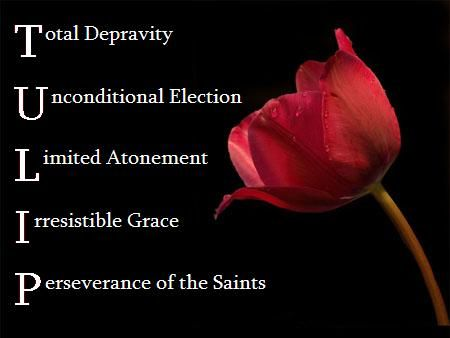
The Bible presents a God of boundless love, genuine invitation, and impartial justice. Yet Calvinism (through its doctrines of unconditional election, limited atonement, and irresistible grace) paints a different portrait: a God who sovereignly chooses some for heaven and others for hell, apart from their response. This article examines nine biblical truths that directly contradict core Calvinist claims. God is not a Calvinist because…
1. He Teaches Man Is Free to CHOOSE
“Now therefore fear the Lord and serve him in sincerity and in faithfulness… And if it is evil in your eyes to serve the Lord, choose this day whom you will serve…” (Joshua 24:14–15, ESV)
God does not mock His creatures with illusory commands. Joshua’s charge assumes real moral ability to choose between serving God or idols. Calvinism’s unconditional election denies this freedom, claiming the unelect cannot choose God. But Scripture places responsibility squarely on human shoulders.
2. He Desires ALL to Be Saved
“This is good, and it is pleasing in the sight of God our Savior, who desires all people to be saved and to come to the knowledge of the truth.” (1 Timothy 2:3–4)
Paul roots evangelism in God’s universal salvific will. Calvinism redefines “all” as “all kinds of people” (i.e., the elect from every nation). But the Greek pantas anthrōpous means every human without exception. God’s desire conflicts with their decree that guarantees most will perish.
3. He LOVES the Whole World
“For God so loved the world, that he gave his only Son, that whoever believes in him should not perish but have eternal life.” (John 3:16)
Calvinism limits Christ’s death to the elect. Yet “world” (kosmos) here is all-encompassing (every sinner, not a pre-selected subset). Salvation hinges on whoever believes, not whoever was chosen before time.
4. Jesus Is the Propitiation for the Whole World
“He is the propitiation for our sins, and not for ours only but also for the sins of the whole world.” (1 John 2:1–2)
John destroys limited atonement in one sentence. Christ’s blood satisfies God’s wrath for every sin of every person. The offer of forgiveness is universal and sufficient—though not universally applied (due to unbelief, not divine decree; see Romans 1:20-32).
5. Jesus Was Willing, but ISRAEL Was Not
“O Jerusalem, Jerusalem… How often would I have gathered your children… and you were not willing!” (Matthew 23:37)
Jesus’ lament exposes the myth of irresistible grace. Divine will (“I would”) clashes with human refusal (“you were not willing”). Grace woos, but does not compel. The same crowd that rejected Christ could have repented; if they had been willing.
6. He Is NOT Willing That Any Should Perish
“The Lord is… not willing that any should perish, but that all should reach repentance.” (2 Peter 3:9)
Peter ties God’s patience to a universal hope for repentance. Calvinism inserts “any of the elect” and “all of the elect,” but the text says any and all—period. God delays judgment to give every sinner opportunity (2Peter 3:15).
7. He Warns Believers of the Possibility of Falling
“Therefore let anyone who thinks that he stands take heed lest he fall.” (1 Corinthians 10:12)
Calvinism’s perseverance of the saints teaches true believers cannot fall away. Yet Paul warns the Corinthian church—regenerate Christians—of real spiritual danger. Apostasy is possible; perseverance is commanded, not guaranteed. The Bible is full of warnings against apostasy.
8. He Says Baptism Saves
“Baptism, which corresponds to this, now saves you, not as a removal of dirt from the body but as an appeal to God for a good conscience…” (1 Peter 3:21)
Calvinism often treats baptism as a mere symbol with no saving efficacy. Peter disagrees: baptism saves—not magically, but as the God-ordained moment of calling on the name of the Lord (cf. Acts 2:38; 22:16; Romans 10:13; Mark 16:16). It is the normative entry into Christ’s death and resurrection (Rom 6:3–4; Colossians 2:11-12).
9. He Teaches Babies Are Safe—We Do Not Inherit Adam’s Guilt
“The son shall not suffer for the iniquity of the father…” (Ezekiel 18:20) “Truly, I say to you, unless you turn and become like children, you will never enter the kingdom of heaven.” (Matthew 18:3)
Calvinism’s total depravity includes inherited guilt—infants are “vipers in diapers,” born condemned. But:
David said of his dead infant, “I shall go to him, but he will not return to me” (2 Sam 12:23)—implying the child was saved.
Jesus held up children as models of the kingdom, not objects of wrath.
Ezekiel rejects transgenerational punishment.
Sin’s consequence is death (Rom 5:12), but guilt is personal. Babies are safe until the age of accountability.
Conclusion: A God Worth Proclaiming
The God of Scripture loves every sinner, died for every sin, and pleads with every heart. He does not play favorites (Acts 10:34–35). He does not mock with insincere offers. He does not damn the innocent.
Calvinism’s God decrees reprobation before birth of certain individuals and spares selected individuals.
The Bible’s God says, “Choose this day… Turn to me and be saved, all the ends of the earth!” (Isa 45:22)
In a world where choices often weigh heavy with consequence, there are actions so pure, so aligned with the human spirit, that they stand beyond regret or the need for repentance. These are the timeless acts that enrich lives, and those around us, and echo with eternal resonance.
These 4 principles are easy with people we like, it’s much more challenging to hold these qualities with folks who don’t like you.
Speaking EDIFYING Words Words have power to build or break. Choosing to speak words that uplift, encourage, and inspire is a gift that lingers in hearts. Imagine a weary soul, burdened by doubt, lifted by your gentle affirmation. We’ll never regret offering hope through our speech. When we choose words that breathe life, we reflect divine creativity. Ephesians 4:29 urges, “Let no corrupting talk come out of your mouths, but only such as is good for building up.” Our words can be a beacon, guiding others through darkness, and we’ll never wish we’d held them back.
Showing KINDNESS and Forgiveness Kindness is a currency of the soul, and forgiveness its greatest transaction. Extending a hand to someone in need or releasing a grudge can transform lives. Picture the moment you forgave someone who hurt you; their eyes softening, your heart lightening. We’ll never regret choosing compassion over bitterness. Colossians 3:12-13 reminds us to “put on compassionate hearts, kindness, humility… forgiving one another.” These acts free us from resentment’s chains, leaving peace in their wake.
Acting with INTEGRITY Integrity is the compass of a life well-lived. Standing firm in truth, even when it’s costly, brings a quiet confidence that never fades. Consider the employee who refuses to cut corners, earning trust that outlasts fleeting gain. We’ll never regret honoring what’s right. Proverbs 11:3 declares, “The integrity of the upright guides them.” Living with integrity aligns us with our deepest values, ensuring we rest easy, untroubled by guilt. (See 2Peter 1:5-10)
LOVING Others as Yourself To love others as we love ourselves is to mirror the divine (Matt 22:37-39). Loving those who don’t love you is the real challenge. There’s no credit in Loving only those who love you (Luke 6:32). This love, selfless and bold, leaves no room for regret. Imagine the joy of seeing someone flourish because you chose to care. Mark 12:31 commands, “Love your neighbor as yourself.” This love weaves a legacy that endures.
These choices carry no shadow of regret. They are the qualities of living with purpose and peace.
The way we speak reveals the condition of our hearts and serves as a powerful expression of love. Scripture, particularly Ephesians, provides a blueprint for how our words can reflect Christ’s love, fostering unity, encouragement, and grace. By aligning our speech with biblical principles, we demonstrate love that honors God and uplifts others.
Seasoned with Salt; Colossians 4:6 urges believers to let their speech be “always full of grace, seasoned with salt,” so that they know how to answer everyone (“seasoned with salt” suggesting speech that is gracious, wise, and impactful, enhancing conversations like salt enhances food). Similarly, James 3:17 describes wisdom from above as pure, peace-loving, and gentle. Words seasoned with salt are purposeful, preserving truth and adding value to conversations. They avoid blandness or harshness, striking a balance that reflects thoughtfulness and care. When our speech is seasoned with grace, it becomes a tool to point others to Christ, making our interactions meaningful and impactful.
Pleasant, Not Profane; Ephesians 5:4 warns against “filthiness, foolish talk, or crude joking,” which are out of place for those who follow Christ. Instead, our words should be pleasant, reflecting gratitude and reverence. Filthy or foolish speech tears down, while pleasant words build up and create an atmosphere of love. Avoiding foul language doesn’t mean stifling humor or joy but choosing words that align with God’s holiness. Pleasant speech invites others into a space of dignity and respect, mirroring the love Christ shows us.
Edifying, Empathetic, & Encouraging; Ephesians 4:29 instructs, “Let no corrupting talk come out of your mouths, but only such as is good for building up, as fits the occasion, that it may give grace to those who hear” (Edifying means Building up or strengthening others spiritually). Romans 14:19 tells us to pursue peace and mutual edification, while Colossians 3:16 encourages teaching and admonishing one another with wisdom. Hebrews 10:24-25 emphasizes spurring one another toward love and good works. Empathetic and encouraging speech listens deeply, validates feelings, and inspires growth. It puts others’ needs above our own, fostering community and reflecting Christ’s sacrificial love.
Speaking Truth in Love; Ephesians 4:15 and 4:25 highlight the importance of speaking truth in love, rooted in agape type (love selfless, unconditional love). Truth without love can wound, while love without truth can enable. Speaking truth in love requires humility and courage, ensuring our words are honest yet delivered with kindness. This balance builds trust and strengthens relationships, as we lovingly correct or guide others toward God’s truth. Loving speech prioritizes the other person’s spiritual growth, even when it’s uncomfortable, because it seeks their ultimate good.
Kindness in Speech; Ephesians 4:32 tells us to be kind and compassionate, forgiving one another as God forgave us. James 1:26 warns that those who fail to bridle their tongues deceive themselves, and Colossians 3:12-13 emphasizes clothing ourselves with kindness and patience. Kind words diffuse conflict, heal wounds, and demonstrate grace. They reflect a heart transformed by Christ, choosing gentleness over harshness and forgiveness over bitterness. Kindness in speech is a daily practice of love, creating a ripple effect of grace in our interactions.
As I walk this journey of faith, I’m learning that selfless love is the heartbeat of what it means to follow Christ. The New Testament tells me to pursue love (agape, the kind of love that puts others first) as Paul urges in 1 Corinthians 14:1, “Pursue love,” and 1 Corinthians 10:24, “Let no one seek his own, but each one the other’s well-being.” I see this love woven into the virtues of 1 Timothy 6:11 and 2 Timothy 2:22, where love stands alongside righteousness, faith, and peace. Yet, I confess, loving selflessly doesn’t come naturally to me. It’s a daily choice to set aside my own desires and seek the good of those around me.
This pursuit matters deeply because love is the foundation of God’s kingdom. Paul says in 1 Corinthians 13:13 that love is greater than faith or hope, and I’m beginning to understand why. When I choose to love others (whether through a kind word, a listening ear, or an act of hospitality like Romans 12:13 encourages) I reflect Christ’s heart. Every effort to encourage others flows from this love. But I stumble often. My selfishness creeps in, and I need God’s grace to soften my heart, to help me embody the gentleness of 1 Timothy 6:11 or the peace of 2 Timothy 2:22 in my relationships.
Striving for selfless love is transforming me. It pushes me to forgive when I’d rather hold a grudge, to serve when I’m tired, and to prioritize others’ needs over my own comfort. It’s humbling to realize how far I fall short, yet I find joy in small steps, like a kind word to a neighbor or praying for a struggling friend. This pursuit brightens the light of Christ in my heart, showing the world a glimpse of Jesus’ love through my imperfect efforts. As a saint, I am to keep chasing this treasure, trusting God to make my love more like His.
Life can throw some heavy punches, can’t it? For the believers in Thessalonica, those punches came in the form of persecutions, false teachings, and even some within their own community slacking off and stirring up trouble. Yet, in his second letter to them, Paul points to three timeless virtues (faith, hope, and love) as the keys to standing firm, no matter what others say or do. Rooted in knowing God’s word, these qualities enabled the Thessalonians to rise above their troubles and the “lowness” of their troublers.
Chapter 1: Enduring Through Faith, Hope, and Love
The Thessalonian church was under fire, literally and figuratively. They faced “persecutions and tribulations” (2 Thessalonians 1:4, KJV), likely from hostile neighbors or authorities who opposed their faith. Yet Paul couldn’t stop bragging about them: “We ourselves glory in you in the churches of God for your patience and faith in all your persecutions and tribulations that ye endure” (1:4). Their faith wasn’t just a Sunday morning nod to God; it was a steadfast trust in His promises, even when the world seemed against them. That faith, Paul says, was “growing exceedingly” (1:3), and their love for one another was increasing right alongside it.
But what kept them going? HOPE. Paul paints a vivid picture of hope tied to God’s justice and Christ’s return: “Seeing it is a righteous thing with God to recompense tribulation to them that trouble you; And to you who are troubled rest with us, when the Lord Jesus shall be revealed from heaven with his mighty angels” (1:6-7). The promise that God would deal with their troublers and grant them relief gave them a reason to hold on. This hope wasn’t wishful thinking, it was grounded in God’s word, which assured them that their suffering was “a manifest token of the righteous judgment of God” (1:5). Knowing God’s word fueled their faith to endure, their hope to look forward, and their love to care for one another, even under pressure. Paul prayed for this to continue, asking God to “fulfil all the good pleasure of his goodness, and the work of faith with power” (1:11).
So, what’s the lesson? When trouble comes (whether it’s people attacking your faith or life’s hardships piling up) lean into faith, hope, and love. Trust God’s word, hold fast to the promise of Christ’s return, and keep loving those around you. That’s how you stay faithful, no matter what others do.
Chapter 2: Standing Firm Against Deception
The troubles didn’t stop with persecution. Someone was spreading lies, maybe even claiming Paul’s authority, saying the day of the Lord had already come. This shook the Thessalonians, leaving them “troubled” and “shaken in mind” (2 Thessalonians 2:2). Imagine the confusion, thinking you missed the biggest event in history! But Paul steps in with clarity, urging them not to be “soon shaken in mind, or be troubled, neither by spirit, nor by word, nor by letter as from us” (2:2). He reminds them of God’s word, which he’d already taught: the day of the Lord won’t come until the “man of lawlessness” is revealed (2:3-4) and destroyed by Christ’s return (2:8).
Here’s where faith, hope, and love shine again. Their faith in the truth (God’s word) kept them from falling for deception. Paul calls them “brethren beloved of the Lord” (2:13), chosen for salvation “through sanctification of the Spirit and belief of the truth” (2:13; see John 17:17). That belief anchored them. Hope came from knowing Christ would return to set things right: “The Lord Jesus Christ… shall destroy with the brightness of his coming” (2:8). This hope steadied them against false alarms. And love? Paul prays for their hearts to be comforted and established “in every good word and work” (2:16-17), a call to keep loving and serving each other despite the chaos.
The troublers spreading lies were low, trying to unsettle God’s people. But Paul’s answer is clear: “Therefore, brethren, stand fast, and hold the traditions which ye have been taught, whether by word, or our epistle” (2:15). Stay rooted in God’s word. Let faith keep you grounded, hope keep you looking up, and love keep you moving forward. That’s how you abound, no matter what others say.
Chapter 3: Overcoming Internal Troubles
If external persecution and false teachings weren’t enough, the Thessalonians had trouble within their own ranks. Some believers were “walking disorderly,” refusing to work and meddling as busybodies (2 Thessalonians 3:6, 11). This idleness wasn’t just laziness, it disrupted the work of the church. Paul doesn’t mince words: “If any would not work, neither should he eat” (3:10). Yet even this discipline is rooted in love, as he urges the church to correct the idle “as a brother” (3:15), not an enemy.
Faith shows up in Paul’s confidence that the Thessalonians would stay faithful: “We have confidence in the Lord touching you, that ye both do and will do the things which we command you” (3:4). Their hope was tied to God’s word, which provided clear instructions for living, and to the promise of God’s peace: “Now the Lord of peace himself give you peace always by all means” (3:16). Love guided their response to the troublers within, balancing discipline with care, and Paul prayed that “the Lord direct your hearts into the love of God, and into the patient waiting for Christ” (3:5).
The idle were acting low, causing trouble by neglecting their responsibilities. But Paul calls the church to a higher standard: “Be not weary in well doing” (3:13). By staying faithful to God’s word (working diligently, loving one another, and holding fast to His commands) they could overcome even internal challenges.
Tying It All Together
What do we learn from the Thessalonians? Troubles and troublers come in many forms: persecutors who mock your faith, deceivers who twist the truth, or even fellow believers who let you down. But faith, hope, and love, rooted in knowing God’s word, are your strength. Faith keeps you trusting God’s truth, like the Thessalonians’ belief in the gospel (2:13) and obedience to Paul’s teaching (3:4). Hope lifts your eyes to God’s vengeance (1:6-9, 2:8) and Christ’s return (1:7, 2:8), assuring you that troubles won’t have the last word. Love binds you to your brothers and sisters, growing even in tough times (1:3) and guiding how you correct the wayward (3:15).
Knowing God’s word is the thread that ties it all together. It’s the foundation for faith, the source of hope, and the guide for love. The Thessalonians’ troubles didn’t define them, their faithfulness did. They stayed abounding, growing in faith and love (1:3), standing firm against lies (2:15), and doing good despite setbacks (3:13). So, when others try to drag you down with their words or actions, don’t stoop to their level. Hold fast to God’s word. Let faith, hope, and love keep you faithful and abounding, just as they did for the Thessalonians.
Counting the Cost in Love and Relationships: A Biblical Perspective
Love is one of the most profound and beautiful gifts given by God. However, the Bible warns against rushing into love, commitment, or covenant relationships without counting the cost and understanding the lifelong responsibility and sacrifice they require. This principle is seen in Song of Solomon 2:7, where the bride cautions against awakening love before its proper time. While this verse speaks of romantic love, its wisdom applies to marriage, relationships, and most importantly, our commitment to God.
The Weight of Love and Commitment
In a culture that often glorifies love based on emotions, attraction, and fleeting feelings, God’s design for love is rooted in commitment, responsibility, and endurance.
1. Counting the Cost in Marriage
Marriage is not just an emotional connection; it is a lifelong covenant before God (Malachi 2:14-16). Jesus affirmed this in Matthew 19:6, saying, “What therefore God hath joined together, let not man put asunder.”
Before entering into marriage, one must consider:
Spiritual Readiness – Am I prepared to love and lead (if a husband) or submit and support (if a wife) as Scripture commands? (Ephesians 5:22-33)
Shared Faith and Values – Are we both walking in obedience to God? (2 Corinthians 6:14)
Endurance Through Trials – Am I ready to stay committed in sickness, hardships, and challenges? (Ecclesiastes 5:4-5)
Godly Counsel – Have I sought wisdom from Scripture and godly advisors? (Proverbs 11:14)
When love is awakened too soon- without spiritual maturity, wisdom, and a readiness for covenant responsibility – it often leads to heartache. Love should not be rushed, but prepared for with patience and discernment.
2. Counting the Cost in Discipleship
Jesus used the same principle of counting the cost when teaching about discipleship:
“For which of you, intending to build a tower, sitteth not down first, and counteth the cost, whether he have sufficient to finish it?” (Luke 14:28)
Just as marriage requires a lifelong commitment, following Christ demands full devotion and endurance. Many begin their walk with Christ without understanding the depth of obedience and sacrifice required. True discipleship means:
Putting Christ First – Above family, possessions, and personal desires (Luke 14:26).
Carrying the Cross – Willingness to suffer for Christ’s sake (Luke 14:27).
Persevering in Faithfulness – Remaining steadfast even when trials arise (Revelation 2:10).
A relationship with Christ is not based on emotions alone, but on a deliberate choice to obey and follow Him daily (John 14:15).
3. Counting the Cost in Obedience to the Gospel
The greatest love story is God’s love for mankind, demonstrated through Jesus Christ:
“But God commendeth his love toward us, in that, while we were yet sinners, Christ died for us.” (Romans 5:8)
Christ’s love was not merely emotional- it was a sacrificial, obedient love that led Him to give His life so that we could be saved. Because of His love, we are called to respond in obedience to the gospel:
Hearing the Word – Faith comes by hearing (Romans 10:17).
Believing in Christ – Trusting in Jesus as the Son of God (John 8:24).
Repenting of Sin – Turning away from sin and toward God (Acts 17:30).
Confessing Jesus as Lord – Acknowledging Him before others (Romans 10:9-10).
Being Baptized into Christ – For the remission of sins (Acts 2:38; Mark 16:16).
Living Faithfully – Continuing in obedience and holiness (Revelation 2:10).
Many desire the blessings of Christ’s love without counting the cost of obedience. Yet Jesus said:
“Not every one that saith unto me, Lord, Lord, shall enter into the kingdom of heaven; but he that doeth the will of my Father which is in heaven.” (Matthew 7:21)
True love for Christ is not just professed – it is demonstrated through action (John 14:15). Just as one should not enter marriage lightly, one should not enter into a commitment with God without full surrender to His will.
Final Application: The Greatest Love and Commitment
Love, whether in marriage or in faith, requires more than feeling – it requires obedience, sacrifice, and perseverance. Song of Solomon 2:7 reminds us not to rush into commitments without proper preparation.
In earthly love, we must count the cost before making a lifetime vow.
In discipleship, we must understand that following Christ is a lifelong commitment.
In salvation, we must obey the gospel fully, not just emotionally, but with full surrender to God’s commands.
The greatest love story is God’s invitation for us to be united with Him through Christ. Will you count the cost and commit fully to obedience to the gospel?
In Colossians 3:1-4:6, Paul encourages Christians to live in a way that reflects their new identity in Christ. He challenges us to seek things above, focusing on heavenly things while living responsibly here on earth. The principles laid out by Paul guide our daily actions as individuals and members of one another.
These verses remind us that living as Christians involves things we can do, you and I, to embody these teachings.
1) Submit. Submission is a key theme in the Christian life, and it touches various aspects of our relationships and responsibilities. Here are several areas where Paul tells us to SUBMITTo:
a) Spouses (Colossians 3:18-19; Ephesians 5:22; 1 Peter 3:1-7)
The first place where submission begins is in the home. Wives to submit to their husbands, while husbands are to love their wives and not be harsh with them. This mutual submission creates a loving and harmonious household, reflecting Christ’s relationship with the church (Ephesians 5:22-33). If we’re married, you and I are to build marriages that mirror this sacred love and respect.
b) Unity with One Another (Ephesians 5:21; 4:1-6)
Submission doesn’t stop in the home—it extends to the church. There is mutual submission among believers out of reverence for Christ (Ephesians 5:21). Unity requires humility, patience, and bearing with one another in love (Ephesians 4:2). In a world where division often reigns, you and I can stand out as peacemakers, fostering unity and love in our relationships.
c) Children (Ephesians 6:1-2; Colossians 3:20; Matthew 15:4; Mark 7:10)
Children are instructed to obey their parents, honoring them as God has commanded (Ephesians 6:1-2; Colossians 3:20). Parents, on the other hand, should not provoke their children but nurture them in the discipline and instruction of the Lord. As parents, grandparents, or caregivers, you and I have a responsibility to raise the next generation with wisdom, love, and guidance according to God’s word.
d) Masters (Ephesians 6:5; 1 Timothy 6:1; Titus 2:9; Colossians 3:22; 1 Peter 2:18)
In the workplace, Christians are to submit to their employers, working wholeheartedly as if serving the Lord (Colossians 3:22). This principle applies whether you are an employee or in a position of leadership. You and I are to treat those we work with or for with integrity and respect, always reflecting Christ in our actions.
e) In the Church (1 Peter 5:5; Hebrews 13:7, 17)
Within the church, submission to spiritual leaders is essential for maintaining order and spiritual growth. We are to respect and follow those who watch over our souls, submitting to their leadership as they guide us in our walk with Christ (Hebrews 13:7, 17). You and I can contribute to the health of the church by being humble, teachable, and respectful.
f) Territory (Romans 13:1-7)
Submission also extends to governing authorities. Paul reminds us that all authority is established by God, and as Christians, we are to be law-abiding citizens (Romans 13:1-7). Whether we agree with every decision or not, you and I are to respect authority, as long as it doesn’t conflict with God’s commands, knowing that our ultimate allegiance is to Christ.
2) Earn for Our Needs (Ephesians 4:28; 6:5; Colossians 3:22)
Work is a gift from God, and earning an honest living is part of our responsibilities as saints. Paul encourages believers to work hard, not just for themselves but so they can help those in need (Ephesians 4:28). You and I are to be diligent and faithful in our work, providing for our families and contributing to the well-being of others.
3) Relieve the Afflicted (1 Timothy 5:10; 1 Peter 4:9)
Hospitality and care for the afflicted are essential aspects of Christian love. Peter exhorts us to show hospitality without grumbling (1 Peter 4:9). Whether through financial support, emotional encouragement, or practical assistance, you and I can bring comfort to those who are suffering, offering a tangible expression of Christ’s love.
4) Visit the Widows and Orphans in Their Need (James 1:27)
True religion, according to James, is marked by care for the most vulnerable: widows and orphans. Visiting and helping them in their distress is a way to practice our faith in action (James 1:27). You and I can look for opportunities to serve those who are often overlooked, offering them hope and support in their times of need.
Finally, Christians are to build one another up. Whether through words of encouragement, teaching, or acts of service, our goal is to strengthen the body of Christ (Ephesians 4:12). You and I can help fellow believers grow in their faith and love for God.
Conclusion
In summary, Paul’s teaching in Colossians 3:1–4:6 provides a clear path for how you and I can live as Christians. By submitting in various relationships, working diligently, caring for the afflicted, and edifying the church, we embody the character of Christ and reflect His love to the world. These are practical actions we can take every day to live out our faith and bring glory to God.
Agape,
spencer
This is part 4 of a series of lessons on the Duties of Saints, pt1
“And whatsoever ye do in word or deed, do all in the name of the Lord Jesus, giving thanks to God and the Father by him.” (Colossians 3:17).
(by Jere E. Frost, via “According To The Pattern”, Medina, TN, 04/01/1990)
WE BELIEVE the Bible to be the inspired word of God, a perfect and sufficient guide (2 Timothy 3:16, 17). It does not incidentally contain some things which we teach — it is the alpha and omega of our faith and practice, and we dare not go beyond it (2 John 9).
WE COME to you with no denominational plan seeking your favor, but only in the name of Christ, desiring to help you find the truth, anxious that you obey all of God’s commandments. The obedient have a right to the tree of life and may enter in through the gates into the city (Revelation 22:14). But those who merely cry, “Lord, Lord,” shall not enter into the kingdom of heaven (Matthew 7:21).
WE SUBMIT to the matchless authority of Christ, heeding the faultless message that He and his inspired servants taught (Hebrews 2:3). His word produces faith, and faith in Him as the Son of God is the foundation of hope (Hebrews 11:1; John 8:24). Every person must repent, repentance being required of all and death being held forth as the wage of refusal (Acts 17:30; Luke 13:3). Confession of faith in Christ is unto salvation, and upon such a confession one may be baptized (Romans 10:10; Acts 8:37). Baptism was commanded by Christ Himself (Mark 16:16), puts one into Christ (Galatians 3:27) where all spiritual blessings abound (Ephesians 1:3), and is for the remission of our sins and the salvation of our souls (Acts 2:38; 1 Peter 3:21). Who dares refuse it? Faithfulness unto life’s end is promised a rich heavenly reward (Revelation 2:10).
WE PRAY for unity among all professed believers, for Christ so prayed (John 17:20-23). Paul besought the Corinthians to be “of the same mind” and to “speak the same things.” (1 Corinthians 1:10). Since human wisdom is the cause of (not the cure for) division, we must discard and abandon it in order to be true to any prayer for unity. A perfect and God-given platform for genuine unity is set forth in Ephesians 4:3-6. This is the basis for spiritual harmony and lasting peace with God. Consider: One God (unity in worship), one Lord, Jesus Christ (unity in authority), one Spirit (unity in life), one faith (unity in doctrine), one body, the church (unity in organization), one baptism (unity in practice), and one hope (unity in desire and expectation).
WE REFUSE to sectarianize ourselves by wearing man-made religious names; they are not only unauthorized, but actually foment division. We are to be Christians, nothing more and nothing less, being completely satisfied and humbly grateful to be honored with the privilege of wearing Christ’s name (1 Peter 4:16). God has placed His name above every name, and the disciples wore it (Philippians 2:9; Acts 11:26). The body (church) of Christ also wears His name, preferring none other, and thus the New Testament speaks of “the churches of Christ” (Romans 16:16).
WE ENDEAVOR to speak where the Bible speaks, and to be silent where it is silent. Christians have no creed but Christ, are to uphold no name but the divine, and have no plea but the gospel. We should mutually seek to establish and maintain unity in essentials, liberty in opinions, and love in all things.
WE INVITE you, most sincerely, to come and study the Bible with us – pure Christianity is wonderful! Embrace it! Be just a Christian!
“For God so loved the world, that he gave his only begotten Son, that whosoever believeth in him should not perish, but have everlasting life.”
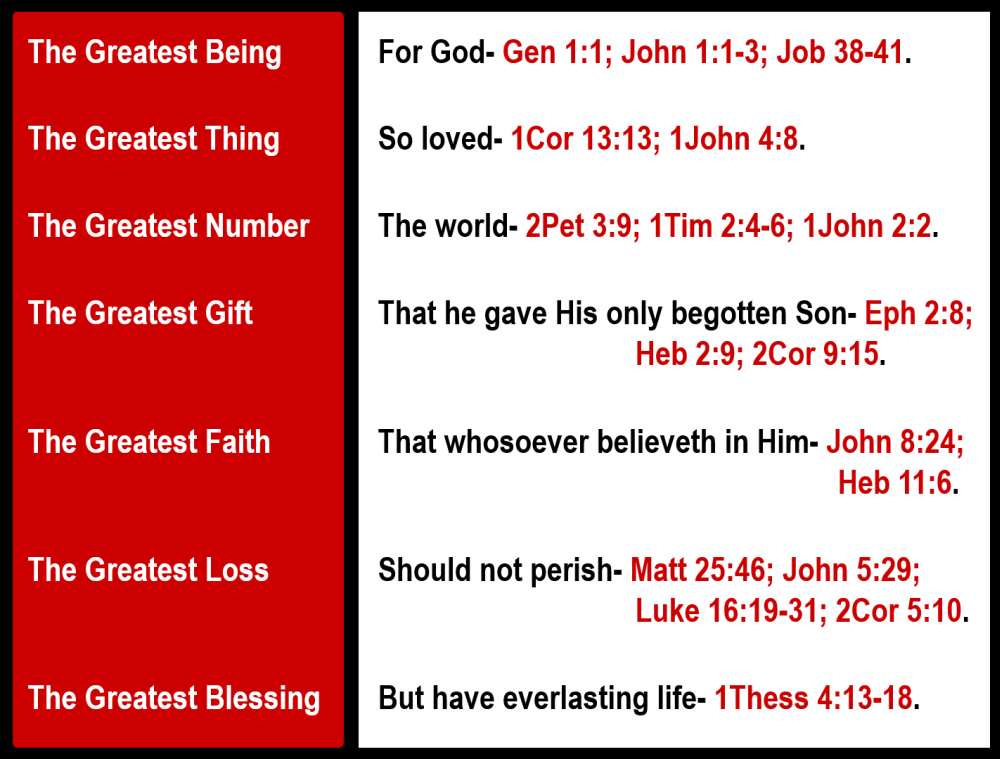
The Greatest Being
The verse begins with “FOR GOD.” The verse begins with the greatest being in existence. In Genesis 1:1, we read, “In the beginning, God created the heavens and the earth.” God is the Creator, the Alpha and the Omega, the beginning and the end. John 1:1-3 tells us, “In the beginning was the Word, and the Word was with God, and the Word was God. The same was in the beginning with God. All things were made by him; and without him was not any thing made that was made.” Job 38-41 presents a majestic depiction of God’s power and wisdom. Our faith rests upon the foundation of this greatest being, who is sovereign over all creation.
The Greatest Thing
Next, we see the greatest thing: “SO LOVED.” God is love. In 1Corinthians 13:13, we learn that “the greatest of these is love.” 1John 4:8 declares, “He that loveth not knoweth not God; for God is love.” God’s love is unparalleled and incomprehensible. It is a love that is willing to sacrifice, a love that seeks the well-being of others. It is the greatest thing because it defines the actions of the greatest being.
The Greatest Number
“THE WORLD.” This phrase encompasses the greatest number: the entire world. God’s love is not limited to a select few but extends to every person on this earth. 2Peter 3:9 states, “The Lord is not slack concerning his promise, as some men count slackness; but is longsuffering to us-ward, not willing that any should perish, but that all should come to repentance.” 1Timothy 2:4-6 reinforces this by saying, “Who will have all men to be saved, and to come unto the knowledge of the truth.” 1John 2:2 confirms that “And he is the propitiation for our sins: and not for ours only, but also for the sins of the whole world.” The greatest number shows the expanse of God’s love. God is not a respecter of persons (Rom 2:11).
The Greatest Gift
“THAT HE GAVE HIS ONLY BEGOTTEN SON.” In this we see the greatest gift. Ephesians 2:8 reminds us that “For by grace are ye saved through faith; and that not of yourselves: it is the gift of God.” Hebrews 2:9 tells us, “But we see Jesus, who was made a little lower than the angels for the suffering of death, crowned with glory and honour; that he by the grace of God should taste death for every man.” 2Corinthians 9:15 exclaims, “Thanks be unto God for his indescribable gift!” The greatest gift (grace) is God’s own Son, given for the redemption of mankind.
The Greatest Faith
“THAT WHOSOEVER BELIEVETH IN HIM.” This phrase highlights the greatest faith. Jesus declares in John 8:24, “I said therefore unto you, that ye shall die in your sins: for if ye believe not that I am he, ye shall die in your sins.” Hebrews 3:18-19 warns of the consequences of unbelief as seen through disobedience, while Hebrews 11:6 teaches that “without faith it is impossible to please God.” The greatest faith is an active belief in Jesus Christ as the Son of God and the Savior of the world (James 2:14-26).
The Greatest Loss
“SHOULD NOT PERISH.” The greatest loss is the eternal separation from God. While any can be saved, the bible tells us that not all will obey the Gospel (Matt 7:24-29; 2Thess 1:8-9). Matthew 25:46 warns of “everlasting punishment,” and John 5:29 speaks of those who will “resurrection of damnation.” The story of the rich man and Lazarus in Luke 16:19-31 vividly portrays the torment of those who perish. 2Corinthians 5:10 reminds us that “we must all appear before the judgment seat of Christ.” The greatest loss is the eternal consequence of rejecting God’s gift of salvation.
The Greatest Difference
“BUT.” While all may be saved, some won’t obey the gospel. “And being made perfect, he became the author of eternal salvation unto all them that obey him” (Heb 5:9). Some will hear, but not do; “Therefore whosoever heareth these sayings of mine, and doeth them, I will liken him unto a wise man, which built his house upon a rock: And the rain descended, and the floods came, and the winds blew, and beat upon that house; and it fell not: for it was founded upon a rock. And every one that heareth these sayings of mine, and doeth them not, shall be likened unto a foolish man, which built his house upon the sand: And the rain descended, and the floods came, and the winds blew, and beat upon that house; and it fell: and great was the fall of it.” (Matt 7:24-27). Many may confess Jesus as Lord and Savior, but not do what He says, “And why call ye me, Lord, Lord, and do not the things which I say” (Luke 6:46)?
The Greatest Blessing
“HAVE EVERLASTING LIFE.” Finally, we come to the greatest blessing. 1Thessalonians 4:13-18 describes the hope of the resurrection and the promise of eternal life with Christ. Everlasting life is the ultimate blessing, the fulfillment of God’s promise to those who believe.
John 3:16 is a verse that reveals to us the greatest being, the greatest thing, the greatest number, the greatest gift, the greatest faith, the greatest loss, and the greatest blessing. Let us hold fast to this truth, share it with others, and walk in the light of God’s incredible love and grace.




 Borger church of Christ @ Franklin & Juniper