Bearing Fruit unto Holiness

Herein is my Father glorified, that ye bear much fruit; so shall ye be my disciples.” (John 15:8)

The Apostle Paul writes about bearing fruit, comparing our former lives to our new life having been baptized into Christ.

For when ye were the servants of sin, ye were free from righteousness. What fruit had ye then in those things whereof ye are now ashamed? for the end of those things is death. But now being made free from sin, and become servants to God, ye have your fruit unto holiness, and the end everlasting life. For the wages of sin is death; but the gift of God is eternal life through Jesus Christ our Lord” (Romans 6:20-23).

In this passage he had reminded the saints in Rome they had died to sin when they were baptized into the death of Christ. “How shall we, that are dead to sin, live any longer therein? Know ye not, that so many of us as were baptized into Jesus Christ were baptized into his death? Therefore we are buried with him by baptism into death: that like as Christ was raised up from the dead by the glory of the Father, even so we also should walk in newness of life” (vss 2-4).

What does all of this mean for us today? Prior to obeying the gospel the fruit of our shameful lives was leading to death (eternal separation from God Isaiah 59:2). Do you remember Romans chapter one? “Who knowing the judgment of God, that they which commit such things are worthy of death, not only do the same, but have pleasure in them that do them” (Rom 1:32). Read that whole chapter and see those shameful things worthy of death. Recall what Paul wrote to the church at Corinth; “Know ye not that the unrighteous shall not inherit the kingdom of God? Be not deceived: neither fornicators, nor idolaters, nor adulterers, nor effeminate, nor abusers of themselves with mankind, Nor thieves, nor covetous, nor drunkards, nor revilers, nor extortioners, shall inherit the kingdom of God. And such were some of you: but ye are washed, but ye are sanctified, but ye are justified in the name of the Lord Jesus, and by the Spirit of our God” (1Corinthians 6:9-11).

Here’s the comfort: Those who have been baptized into Christ’s death, for the forgiveness of sins, have put on Christ, and have the circumcision of the heart by the working of God, have been set free from sin, and are now on that narrow path that leads to eternal life as servants of God!* We have been washed, we are sanctified, we are justified in the name of the Lord Jesus, and by the Spirit of our God.

I am the vine, ye are the branches: He that abideth in me, and I in him, the same bringeth forth much fruit: for without me ye can do nothing” (John 15:5).

Agape
Spencer

*Romans 6:3-4; Acts 2:38; 22:16; Galatians 3:27; Colossians 2:11-12; Matthew 7:13-14.

The Scheme of Redemption

THE SCHEME (PLAN) OF REDEMPTION:

Creation and the Entrance of Sin

  1. Genesis 1:27 God created man in His own image.
  2. Ecclesiastes 7:29 Man sought to sin
  3. Romans 3:9, 10, 23 All stand as sinners before God.

The Nature and Definition of Sin

  1. 1 John 1:8 If one says he has no sin he is not truthful. What is sin?
  2. 1 John 5:17 Sin is unrighteousness.
  3. Romans 1:16 Righteousness is revealed in the Bible.
  4. 1 John 3:4 Sin is lawlessness (acting without law). What law?
  5. James 1:25 Authority is found in the perfect law of liberty, the gospel of Christ.
  6. Romans 14:23 Whatever is not of faith is sin. How does one get faith?
  7. Romans 10:17 Faith comes by hearing the word of God.
  8. James 4:17 Not doing good is sin. How does one know what is good?
  9. Micah 6:8 What is good is shown by God to man in the Bible.

The Tragic Consequences of Sin
1) Isaiah 59:1-2 Sin is tragic. It separates man from God. (Separates; Injures; Never lets go)
2) Romans 6:23 Without God’s help, sin will separate man from God eternally.

God’s Love and Provision for Salvation
1) John 3:16 God’s love made it possible for man not to die because of his sin.
2) Matthew 1:21 Jesus came to save man from sin.
3) Jeremiah 10:23 God knew man needed help to deal with sin.
4) Proverbs 14:12 The end of the ways of man is death.
5) 2 Peter 1:3 God, in His word, has given man what he needs for life and godliness.
6) Romans 1:16 The gospel, God’s word, is His power unto salvation given through Jesus.

The Necessity of Hearing and Believing
1) Matthew 7:24-27 People must hear the words of Christ.
2) John 12:48 We will be judged by the words of Christ, therefore, we must live by them.
3) John 6:68 We must hear Christ’s words because they are the words of eternal life.
4) Romans 10:17 We must hear Christ’s words in order to believe (have faith. see John 20:30-31).
5) Hebrews 11:6 We must believe in order to come to God and be pleasing to Him.
6) John 8:24 We must believe in Jesus to keep from dying in sin.

Faith Must Lead to Obedience
1) Matthew 7:21 We must act on our belief (faith) with obedience.
2) Hebrews 5:8-9 Jesus will only save those who obey Him.
3) John 14:15 If you love Jesus, you will keep His commandments. What are they?

The Commands of the Gospel
1) Luke 13:3 Jesus commands all to repent.
2) Acts 17:30 All people are required to repent.
3) Matthew 10:32 All are required to confess Jesus as Lord.
4) Romans 10:10 Confession is essential to salvation.
5) Mark 16:16 Jesus commands baptism.
6) 1 Peter 3:21 Baptism now saves us.
7) Acts 22:16 Baptism washes away sin.

The Blessings of Being in Christ and His Church
1) Galatians 3:27 In baptism one puts on Christ.
2) Ephesians 1:3 All spiritual blessings are in Christ.
3) 1 Corinthians 12:13 Baptism puts one in the body of the saved.
4) Colossians 1:18 That body is Christ’s church.
5) Acts 2:47 God adds the saved to His church.
6) Ephesians 5:23 Christ is the Savior of the body, the church. (Eph 1:22-23)

The Urgency of Obedience
1) 2 Thessalonians 1:7-9 Those who do not know God and those who do not obey Him will perish.
2) 2 Corinthians 6:2 Now is the time to obey.
3) James 4:13-14 There is no guarantee of a tomorrow.

Duties of SAINTS


The letter to the Colossians, penned by the Apostle Paul, serves as a profound guide for Christian living. In Colossians 3:1-4:6, Paul outlines the duties of saints, offering a roadmap for believers to follow. These duties can be encapsulated in six main directives: Seek things above, Abolish sin, Implement virtues, Act in the Name of the Lord, Treat your family well, and Serve with steadfastness.

Seek Things Above
(Colossians 3:1-4)

Paul begins by urging believers to set their minds on things above, where Christ is seated at the right hand of God. This heavenly focus requires a shift from earthly desires to a pursuit of spiritual growth and eternal truths. As Christians, our lives are hidden with Christ in God, and our ultimate hope is in His return and our future glory with Him. This perspective not only shapes our priorities but also transforms our daily actions, aligning them with God’s eternal purposes.

Abolish Sin (Colossians 3:5-9)
The next step is to mortify, or put to death, sinful behaviors. Paul specifically mentions immorality, impurity, passion, evil desire, and greed. These vices are part of the old self, which believers are to shed. Additionally, anger, wrath, malice, slander, and obscene talk must be eradicated from our lives. By abolishing these sins, we break free from their destructive power and align ourselves with God’s holiness (cf 1Pet 1:16).

Implement Virtues
(Colossians 3:10-14)

Having discarded the old self, Paul instructs us to put on the new self, which is being renewed in knowledge after the image of its Creator. This new self is characterized by virtues such as compassion, kindness, humility, meekness, and patience. Forgiveness and love are paramount, with love binding all these virtues together in perfect harmony. These qualities reflect the character of Christ and foster a spirit of unity and peace within the church.

Act in the Name of the Lord
(Colossians 3:15-17)

In every action, whether in word or deed, believers are to do everything in the name of the Lord Jesus, giving thanks to God the Father through Him. This command underscores the importance of living a life that seeks the authority of Christ in all circumstances. The peace of Christ should rule in our hearts, and the word of Christ should dwell richly among us, teaching and admonishing one another with wisdom. Our lives become a model of God’s grace and truth when we consistently act in His name.

Treat Your Family Well
(Colossians 3:18-21)

Paul then addresses family relationships, emphasizing the importance of treating each other well. Wives are called to submit to their husbands as is fitting in the Lord, and husbands are instructed to love their wives and not be harsh with them. Children are to obey their parents in everything, as this pleases the Lord, while fathers are cautioned not to provoke their children, lest they become discouraged. These instructions promote faithfulness to God and love within the home, reflecting God’s design to lead them to heaven.

Serve with Steadfastness
(Colossians 3:22-4:6)

Finally, Paul speaks to servants and masters, urging them to serve and lead with integrity and devotion. Servants are to obey their earthly masters with sincerity of heart, as if serving the Lord, while masters are to treat their servants justly and fairly, knowing they too have a Master in heaven. This principle extends to all areas of life, encouraging believers to serve wholeheartedly, remain steadfast in prayer, and conduct themselves wisely towards outsiders, making the most of every opportunity.

Conclusion
The duties outlined in Colossians 3:1-4:6 provide a comprehensive framework for Christian living. By seeking things above, abolishing sin, implementing virtues, acting in the name of the Lord, treating our families well, and serving with steadfastness, we fulfill our calling as saints. These principles guide us to live lives that are pleasing to God, edifying to the church, and impactful to the world around us. May we, as followers of Christ, diligently pursue these duties, growing in faith and reflecting the glory of our Savior in all we do.

Do MORALS Matter? Not according to the WORLD.

For the time past of our life may suffice us to have wrought the will of the Gentiles, when we walked in lasciviousness, lusts, excess of wine, revellings, banquetings, and abominable idolatries: Wherein they think it strange that ye run not with them to the same excess of riot, speaking evil of you.” (1Peter 4:3,4).

This passage highlights the contrast between the behaviors of Christians and those of the secular world.

It describes a past life indulged in excesses and immoral activities such as lust, drunkenness, revelry, and idolatry.

Upon turning to a Christian way of life, believers abstain from these practices, leading to a stark difference in conduct.

This transformation often confounds non-believers, who find it strange that Christians no longer join in their excessive and riotous behaviors. As a result, Christians might face criticism or slander for their newfound restraint and moral discipline.

In our secular society, there is a growing trend to sideline morality, with the world often asserting that ethical standards are subjective and unimportant. The Bible warns against this destructive philosophy.

The idea that wrong is relative is exemplified by the biblical account of Pharaoh’s defiance in Exodus 5:2: “And Pharaoh said, Who is the LORD, that I should obey his voice to let Israel go? I know not the LORD, neither will I let Israel go.” Pharaoh’s stance reflects a broader modern sentiment that moral obligations are negotiable based on personal belief systems or the lack thereof. This relativism undermines the concept of an absolute moral authority.

The pursuit of personal gain often overrides moral considerations. In Luke 12:13-21, Jesus tells the parable of the rich fool, who hoards wealth without regard for others or his spiritual well-being. This story highlights how the quest for material success can eclipse ethical responsibilities, leading individuals to prioritize self-interest over faithfulness to God.

Doing what is “right in one’s own eyes” epitomizes the relativistic approach to morality. Judges 21:25 states, “In those days there was no king in Israel: every man did that which was right in his own eyes.” This verse illustrates the chaos and moral decay that arise when subjective judgments replace universal ethical standards.

Contemporary society often masks moral deviations under the guise of love. This rationalization can be seen in the acceptance of various forms of relationships, such as living together, polyamory, and other more controversial issues. By framing these practices as expressions of love, societal norms shift, challenging biblical moral frameworks.

The belief that death is the end and therefore morality is inconsequential is a profound reflection of nihilistic thought. If life has no ultimate purpose beyond physical existence, ethical considerations may seem futile. This outlook fosters a disregard for moral behavior, as the finality of death negates the perceived need for a moral compass.

The world’s dismissal of morality poses significant contrast to sound ethical standards. This is why we must be on guard against such flawed reasoning.

Agape,

Spencer

Can we know too much Bible? pt3

Can we know too much Bible? 3/4

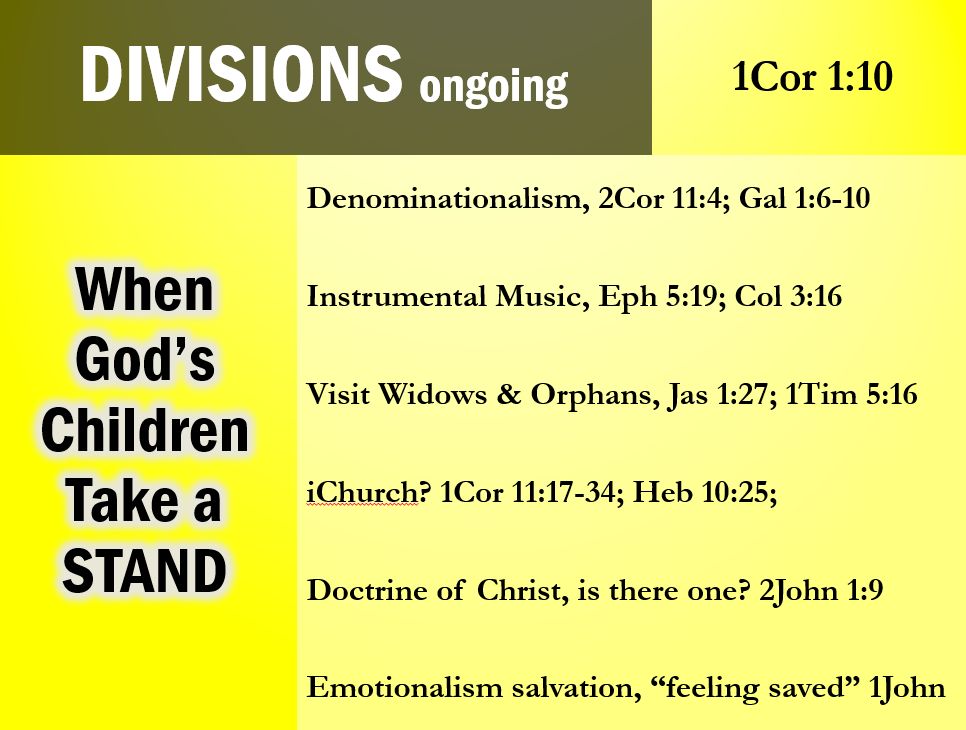
We need to know enough to be able to speak the SAME things.

Now I beseech you, brethren, by the name of our Lord Jesus Christ, that ye all speak the SAME thing, and that there be no divisions among you; but that ye be perfectly joined together in the SAME mind and in the SAME judgment. (1Cor1:10)

Can you know too much about…

Moral Righteousness?

Many denominations are embracing sin. If there’s a particular sin you would like to stay in, yet still call yourself a Christian, there’s a church of your choice you can join.

Jesus has another take… “And why call ye me, Lord, Lord, and do not the things which I say?” Luke 6:46

Jesus also said, “except ye repent, ye shall all likewise perish.” Luke 13:3,5

His Apostles said, “Know ye not that the unrighteous shall not inherit the kingdom of God? Be not deceived: neither fornicators, nor idolaters, nor adulterers, nor effeminate, nor abusers of themselves with mankind, Nor thieves, nor covetous, nor drunkards, nor revilers, nor extortioners, shall inherit the kingdom of God.” 1Cor 6:9-10

Who also wrote, “Now the works of the flesh are manifest, which are these; Adultery, fornication, uncleanness, lasciviousness, Idolatry, witchcraft, hatred, variance, emulations, wrath, strife, seditions, heresies, Envyings, murders, drunkenness, revellings, and such like: of the which I tell you before, as I have also told you in time past, that they which do such things shall not inherit the kingdom of God.” Gal 5:19-21

What is your church teaching about Moral Righteousness?

Agape,

Spencer

Can you know too much Bible? Pt1

Can you know too much Bible? Pt2

Let’s study our Bibles (link to other studies).

Lessons in 1Peter: 4:4 STRANGE

1Pe 4:4 Wherein they think it strange that ye run not with them to the same excess of riot, speaking evil of you:

Why do those from our former lives think it STRANGE that we no longer run with them in wild living?

SINFUL In deeds. 1Peter 4:3-4

TALK EVIL about others…curse. 1Peter 2:12

RELIGIOUSLY wrong. Mark 7:1-7

ARROGANT and obnoxious. 3John 9-11

NEVER STUDY God’s word. Matt 22:29-32

GREEDY for gain in this life. 2Pet 2:1-3

ENTERTAINMENT driven \ worldly. Rom 14:17

Spencer

WALK as other gentiles

Paul wrote in Ephesians four:

This I say therefore, and testify in the Lord, that ye henceforth walk not as other Gentiles walk, in the vanity of their mind, Having the understanding darkened, being alienated from the life of God through the ignorance that is in them, because of the blindness of their heart: Who being past feeling have given themselves over unto lasciviousness, to work all uncleanness with greediness.”

This is one of the 7 WALKS found in Ephesians. Let’s break down this WALK of the other Gentiles to find what we may learn.

THE FUTILE WALK. Eph 4:17-19

The first thing that jumps out is verse 17, WALKING in the VANITY of their minds. This word vanity refers to our modern word ‘FUTILITY.’ Futile means; incapable of producing any result; ineffective; useless; not successful; trifling; frivolous; unimportant. Once you see that, you can immediately recognize this problem with so many of us. We focus on the minors, ignoring the majors. We know more about the celebrities of pop culture than we do of the heroes of faith (cf. Heb 11). Keeping up with the Kardashians will not help any go to heaven.

In one sense, everything is trivial when compared to an eternity in Heaven or Hell. If we elevate any activity above serving the Lord, it is WALKING IN FUTILITY. Politics, Pop Culture or even your Papa can become vanity when we view them as our savior.  Jesus said, “He that loveth father or mother more than me is not worthy of me: and he that loveth son or daughter more than me is not worthy of me.” (Matt 10:37). Paul wrote, “And he is the head of the body, the church: who is the beginning, the firstborn from the dead; that in all things he might have the preeminence.” (Col 1:18)

The next glaring condition is, “being ALIENATED from the life of God.” Paul’s theme in the opening chapters of Ephesians are about ALIENS being reconciled to God. “Wherefore remember, that ye being in time past Gentiles in the flesh, who are called Uncircumcision by that which is called the Circumcision in the flesh made by hands; That at that time ye were without Christ, being aliens from the commonwealth of Israel, and strangers from the covenants of promise, having no hope, and without God in the world:” He finishes by saying, “But now in Christ Jesus ye who sometimes were far off are made nigh by the blood of Christ.” (Eph 2:11-13) being ALIENATED from God is a hopeless existence and to be greatly avoided.

Next, Paul describes the walk of the other gentiles as giving themselves over to “LASCIVIOUSNESS, to work all uncleanness with greediness.” (4:19). This describes LEWD behavior coupled with greediness. Greed is exemplifying self.

Paul will write to the Galatians about the lust of the flesh, one of which is ‘selfish ambitions’ (emulations kjv). Look at the other lists in Romans 1:20-32; 1Corinthians 6:9-10; 2Timothy 3:1-9 et al. LEWD & GREED together opens the door to all kinds of debauchery in hedonism.

Lastly, intermixed with all of the above is that their understanding is darkened. Their KNOWLEDGE of God, His Love, His Promises, His Sacrifice is as blindness of the heart. He also calls it ‘ignorance.’ It’s one thing to be ignorant, this text suggests ignorance because they don’t want to know. Someone who will not see has no advantage over the one that cannot see.

The most common problem I notice when talking to folks is the complete lack of interest in the reading of God’s word. This among those who claim to love the Lord. They often refer to what they think the bible says, what their pastor said, what they think they know, but seldom do they actually know. “And why call ye me, Lord, Lord, and do not the things which I say?” (Luke 6:46).

The bible says this about the Word, “All scripture is given by inspiration of God, and is profitable for doctrine, for reproof, for correction, for instruction in righteousness: That the man of God may be perfect, throughly furnished unto all good works.”

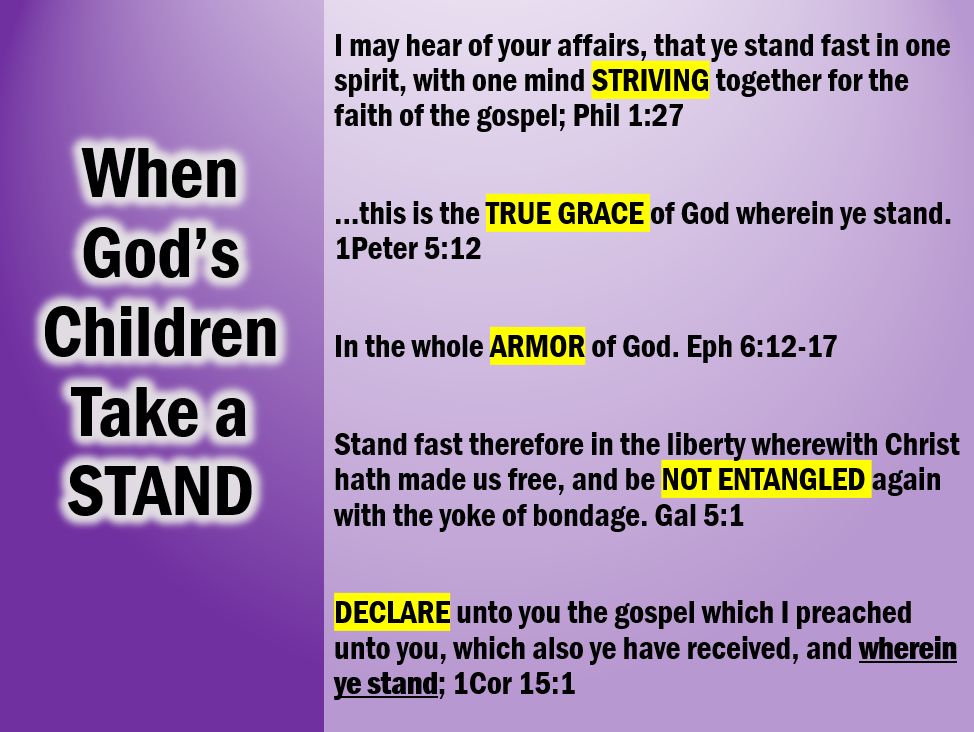
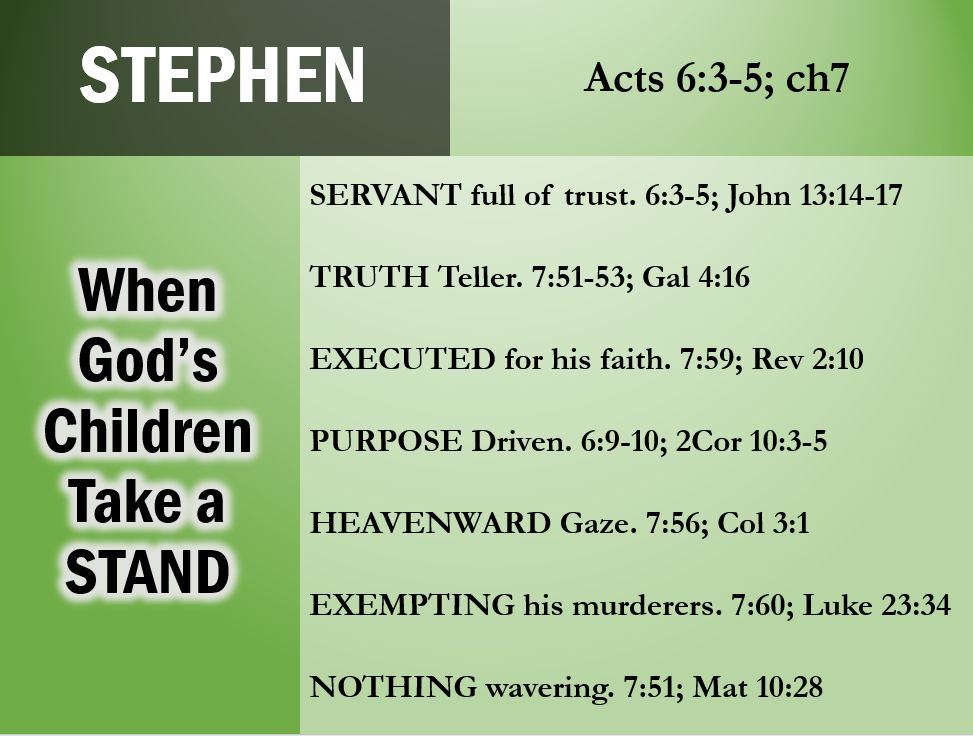
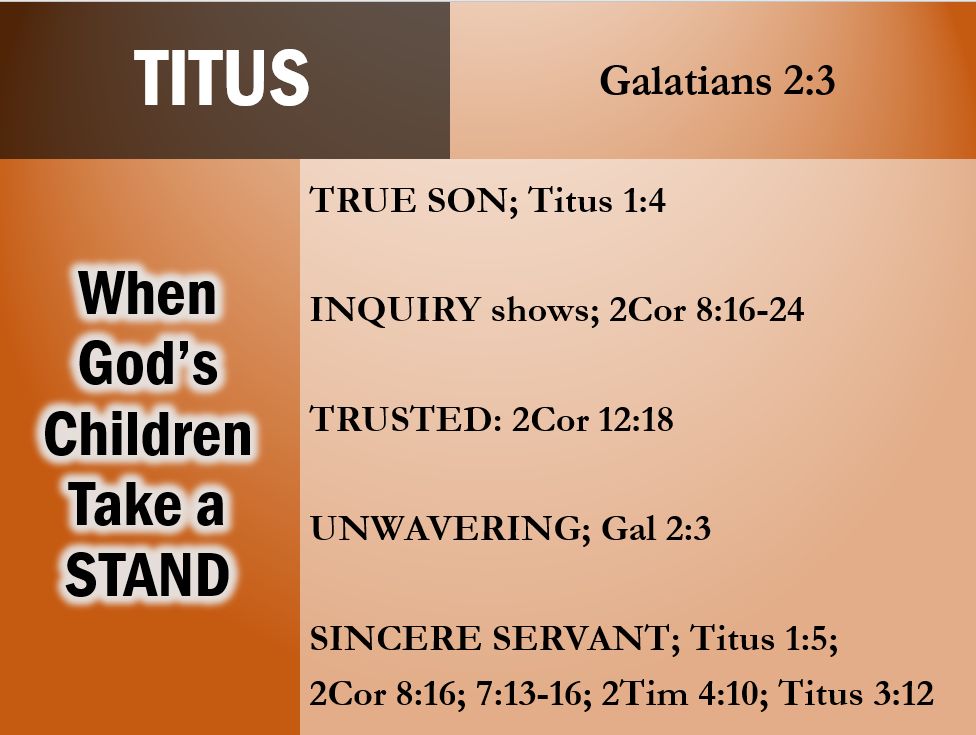
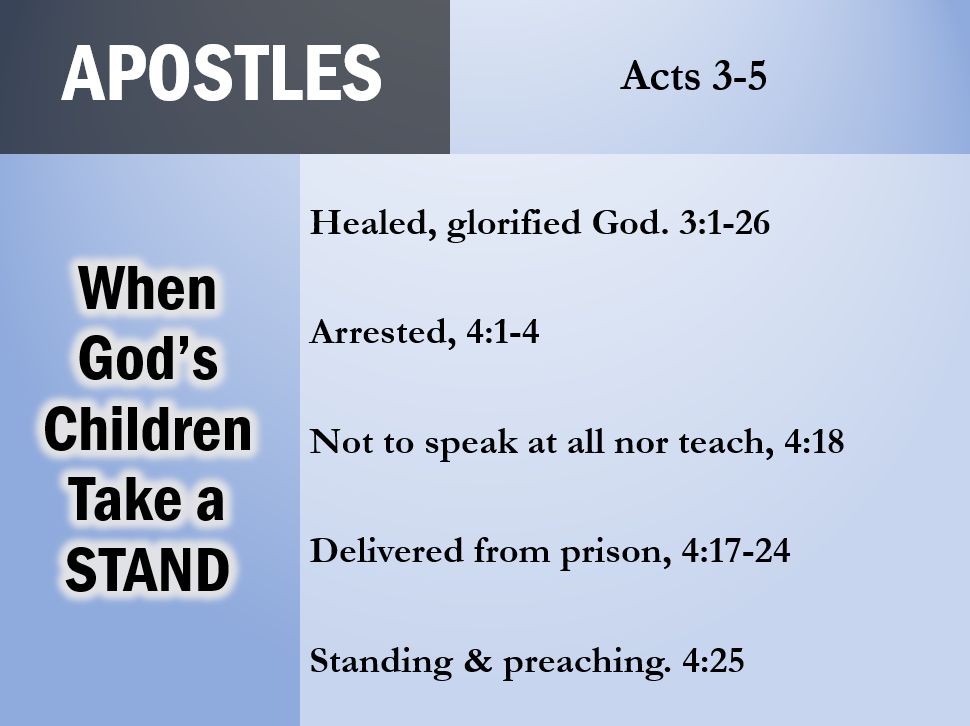
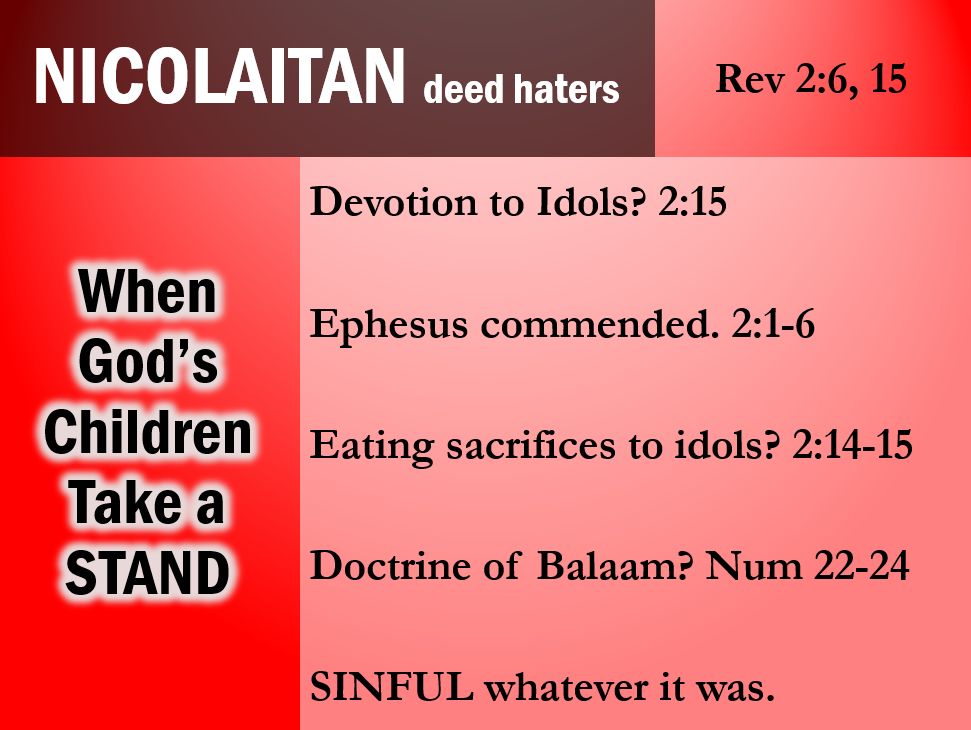
When God’s Children Take a Stand

The language of the bible is clear, we are to take a STAND for the cause of Christ, for the Gospel.

We can and must be KIND…

Col 4:6 Let your speech be alway with grace, seasoned with salt, that ye may know how ye ought to answer every man.

We can and must have LOVE…

1Co 13:1 If I speak with the tongues of men and of angels, but have not love, I am become sounding brass, or a clanging cymbal.

Today, the Christian must STAND…

against SIN. 1Peter 1:16 because it is written, Ye shall be holy; for I am holy.

for the TRUTH. Eph 6:14 Stand therefore, having your loins girt about with truth, and having on the breastplate of righteousness;

in AGAPE Love. Eph 4:15 But speaking the truth in love, may grow up into him in all things, which is the head, even Christ:

NOTHING wavering. Jas 4:8 Draw nigh to God, and he will draw nigh to you. Cleanse your hands, ye sinners; and purify your hearts, ye doubleminded.

Proclaiming the Lord’s DEATH til He come. 1Co 11:26 For as often as ye eat this bread, and drink the cup, ye proclaim the Lord’s death till he come.

4 Consequences if you don’t believe hell is REAL

Image result for hell is real


Hell is a serious subject, that is if you believe it’s a REAL place. If, however, you’re one of those who don’t believe hell is REAL, then everything in this article will be ignored.

I HOPE YOU DON’T IGNORE THIS TOPIC. If you do, there are serious consequences to YOU if you don’t believe that hell is a real place.

It matters what one believes as our beliefs drive our actions and attitudes.

For as he thinketh in his heart, so is he:” [Prov 23:7a]

WHAT ARE THE FOUR CONSEQUENCES if you don’t believe that hell is REAL?

First, you will have little to no REGARD for the gravity of sin. You have a lowered view about sin and you underestimate the purity of God.

Sin is a direct disregard for God and His sovereignty. There is no sin in God, not one drop.

God is not a man, that he should lie; neither the son of man, that he should repent:” [Num 23:19a; cr Titus 1:2]

From the very beginning this lesson is taught. In the garden, when Adam & Eve took of the fruit of the KOGAE tree, they had to be separated from God.

But your iniquities have separated between you and your God, and your sins have hid his face from you, that he will not hear.” [Isaiah 59:2]

Sin is that bad.

The next thing that begins to change in you is that you will lessen your EVANGELISM.

The magician Penn Jillette, an atheist, said it this way;

How much do you have to hate somebody to believe everlasting life is possible and not tell them that? I mean, if I believed, beyond the shadow of a doubt, that a truck was coming at you, and you didn’t believe that truck was bearing down on you, there is a certain point where I tackle you. And this is more important than that.”

When we fail to realize the reality of HELL, we fail to take it seriously and fail to warn others about it.

The third consequence is we begin to believe that the lost are simply ANNIHILATED from existence. While this may be palatable to our senses, this too is a mistake.

If we believe in annihilation of the lost, we belittle the justice of God. He has said,

Vengeance is mine; I will repay, saith the Lord.” [Romans 12:19]

Where is the justice for the rape, murder and every manner of wickedness that man has done to other men?

We have no problem with the idea of Hell for the Hitlers, the rapists and the pedophiles, but we have a problem when it comes to those who sin against God. (I refer you back to the first point.)

Even as Sodom and Gomorrha, and the cities about them in like manner, giving themselves over to fornication, and going after strange flesh, are set forth for an example, suffering the vengeance of eternal fire.” [Jude 7; cf Heb 2:1-3]

Which brings us to the final point. We start to rationalize by saying, “a LOVING God would never send anyone to hell.”

This last point encompasses the previous three. Many denominational preachers have said that they won’t speak about sin or hell as it’s too negative. One said, “”No, I really don’t, because it’s a different approach.” This is a direct contradiction of how Paul preached;

For I have not shunned to declare unto you all the counsel of God.” [Acts 20:27; cr v20]

We ought not project what we want onto our Creator; “”For My thoughts are not your thoughts, Nor are your ways My ways,” [Is 58:8]

HELL IS REAL. As these scriptures describe.

Lake of fire (Rev. 20:10)

Furnace of fire (Matt. 13:42)

Flaming fire (2Thess. 1:7-9)

Baptism of fire (Matt. 3:11-12)

Unquenchable fire (Mark 9:43)

Brimstone (Rev. 21:8)

Wailing & Gnashing (Matt. 8:12; 13:50)

Prepared for Devil (Matt. 25:41)

Outer darkness (Matt. 25:30)

Torment (Rev. 14:10-11)

Friends, Hell is real and we don’t want anyone, even our worst enemy to go there.

—Spencer

What are you Doing about it?

We can all agree that Jesus the Christ did not sin. “Who did no sin, neither was guile found in his mouth:” [1Pet 2:22]. The rest of us have “sinned and come short of the glory of God” [Rom 3:23].

We’re not alone. The great bible characters dealt with this realization:

Adam, Noah, Abraham, Moses, Peter & Paul. Each of these faced the reality of their own sin, Paul saying; “This is a faithful saying, and worthy of all acceptation, that Christ Jesus came into the world to save sinners; of whom I am chief” [1Tim 1:15].

This fact is no authorization to continue in sin even as Christ came to save sinners. Paul also wrote; “What shall we say then? Shall we continue in sin, that grace may abound? God forbid. How shall we, that are dead to sin, live any longer therein? [Rom 6:1-2]

Through our obedience to the gospel we have found redemption through Christ Jesus, having our sins washed away in water baptism [Acts 22:16]. Although we’ve been washed, sin leaves a terrible mark on our psyche and scars on our bodies. What are we to do with this?

Paul wrote to the Philippians about this, “Brethren, I count not myself to have apprehended: but this one thing I do, forgetting those things which are behind, and reaching forth unto those things which are before, I press toward the mark for the prize of the high calling of God in Christ Jesus” [Phil 3:13-14]. However, in another place he reminded the church of their past sins, “And such were some of you: but ye are washed, but ye are sanctified, but ye are justified in the name of the Lord Jesus, and by the Spirit of our God.” [1Cor 6:11]. What are we to do with that?

Putting these two passages together we come to this conclusion; Remember from where you’ve come and from what you’ve been saved, but close the door on your past so that you can move onward to do the work of God. There are THREE things about our past that need “forgetting” so we can please God today.

FIRST, we need to forget our past sins. Paul had plenty of sins in his past especially as it related to his persecution of the church. “And I persecuted this way unto the death, binding and delivering into prisons both men and women” [Acts 22:4]. Our past sins are forgiven, but unchangeable. They are what they are and we cannot undo them. Therefore, they are to be forgotten.

SECOND, we need to forget our past successes. Whatever good we may have done, however many people we may have helped in the gospel, we cannot rest on those successes. We must continue to press toward the goal. Nowhere is “once saved, always saved” taught in scripture. Not after faith, baptism or any good deed.

THIRD, we need to forget (in a figure) our past sorrows. We’ve all experienced loss & pain, but those sorrows should not prevent us from moving forward with God. Some let the pains and losses of their past to paralyze them from continued service in God’s kingdom.

Rather than let our past paralyze us, it ought to MOTIVATE us into more & abundant service to our King. Being reminded of the forgiveness we have through Christ; our past sins should MOVE us to continual repentance [Acts 8:22-24; 1John 1:7-9].

Our past wins should continue to MOVE us to do more service for our King. “Who gave himself for us, that he might redeem us from all iniquity, and purify unto himself a peculiar people, zealous of good works” [Titus 2:14].

Lastly, the pains of our past should MOVE us to reach out to the lost with the gospel message so that nobody dies outside of Christ. You can feel Paul’s sense of urgency about this for the unconverted Jewish nation; “Brethren, my heart’s desire and prayer to God for Israel is, that they might be saved.” [Romans 10:1, cf 9:2-4].

We have no control over our past selves and we have no control over our future selves except as it relates to our TODAY selves. Today is the largest amount of time within our ability and with that it is our only opportunity to serve God.

Wherefore (as the Holy Ghost saith, To day if ye will hear his voice, Harden not your hearts… Take heed, brethren, lest there be in any of you an evil heart of unbelief, in departing from the living God. But exhort one another daily, while it is called To day; lest any of you be hardened through the deceitfulness of sin. For we are made partakers of Christ, if we hold the beginning of our confidence stedfast unto the end;” [Heb 3:7-14].