
Can one be baptized AMISS?

“Ye ask, and receive not, because ye ask amiss, that ye may consume it upon your lusts.” (James 4:3)

If one can pray AMISS, then it stands to reason that we can do other commands of God in a manner that He won’t accept. There are examples of people…

Preaching a different Gospel: “But though we, or an angel from heaven, preach any other gospel unto you than that which we have preached unto you, let him be accursed.” (Gal 1:8)

Following a different Jesus: “For if he that cometh preacheth another Jesus, whom we have not preached, or if ye receive another spirit, which ye have not received, or another gospel, which ye have not accepted, ye might well bear with him.” (2Cor 11:4)

Obeying the Law of Moses: “And certain men which came down from Judaea taught the brethren, and said, Except ye be circumcised after the manner of Moses, ye cannot be saved.” (Acts 15:1)

Stand fast therefore in the liberty wherewith Christ hath made us free, and be not entangled again with the yoke of bondage. Behold, I Paul say unto you, that if ye be circumcised, Christ shall profit you nothing. For I testify again to every man that is circumcised, that he is a debtor to do the whole law. Christ is become of no effect unto you, whosoever of you are justified by the law; ye are fallen from grace.” (Gal 5:1-4)

Practicing vain worship: “Howbeit in vain do they worship me, teaching for doctrines the commandments of men.” (Mark 7:7)

From these few examples it’s clear that we can appear to be obeying God, but in reality, we’re disobedient. How can we know?

Can we be Baptized AMISS?

If you’ve been baptized to be ADDED to a denomination, then you’ve been baptized AMISS.

The Lord adds to the church, and never to a denomination. “Then they that gladly received his word were baptized: and the same day there were added unto them about three thousand souls.” (Acts 2:41).

Getting baptized solely as a requirement to join a specific denomination or church, rather than for the biblical purpose of remission of sins and entrance into the body of Christ (Galatians 3:27), misses the true purpose (cf. 1Cor 1:10-13).

Some might get baptized to gain favor in a political or social context, which is not a biblical reason. Some might seek baptism to gain prestige or authority within a religious community, which is not a biblical reason.

If you’ve been baptized as a MERITORIOUS work, then you’ve been baptized AMISS.

Some believe that baptism is a meritorious work that earns salvation, whereas the New Testament teaches that baptism is an act of faith and obedience (Ephesians 2:8-9; Colossians 2:12). It is not legalism to comply with the conditions of salvation given by God.

Any reason for baptism except to obey the gospel through faith in Jesus Christ for the remission of sins is no reason at all. It’s possible to outwardly comply with a command of God, but inwardly. “This people draweth nigh unto me with their mouth, and honoureth me with their lips; but their heart is far from me. But in vain they do worship me, teaching for doctrines the commandments of men.” (Matt 15:8,9)

Believing that baptism will bring material or physical blessings, such as health, wealth, or prosperity, is not a biblical reason for baptism. Repentance is a prerequisite for baptism (Acts 2:38).

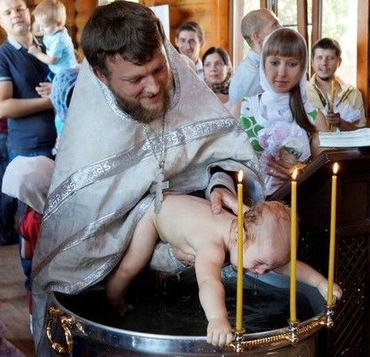
If you’ve been baptized as an INFANT or by any mode other than IMMERSION, then you’ve been baptized AMISS.

Infant baptism is contrary to the doctrine of Christ. “Suffer the little children to come unto me, and forbid them not: for of such is the kingdom of God. Verily I say unto you, Whosoever shall not receive the kingdom of God as a little child, he shall not enter therein.” (Mark 10:14,15). To Cleanse from Original Sin is not a doctrine taught in the New Testament. The doctrine of original sin and its cleansing through infant baptism is not supported by the Bible, which teaches that baptism is for the remission of personal sins (Acts 2:38).

Baptism is a burial (immersion in water) for those that believe. “Buried with him in baptism, wherein also ye are risen with him through the faith of the operation of God, who hath raised him from the dead.” (Col 2:12). Getting baptized without personal faith and understanding, possibly under coercion or pressure, is not scriptural. Baptism requires belief.

And as they went on their way, they came unto a certain water: and the eunuch said, See, here is water; what doth hinder me to be baptized? And Philip said, If thou believest with all thine heart, thou mayest. And he answered and said, I believe that Jesus Christ is the Son of God.” (Acts 8:36,37)

If you’ve been baptized after you think you were SAVED, then you’ve been baptized AMISS.

The bible teaches that a person is baptized to be saved. “The like figure whereunto even baptism doth also now save us (not the putting away of the filth of the flesh, but the answer of a good conscience toward God,) by the resurrection of Jesus Christ:” (1Peter 3:21).

Saul of Tarsus (later to become Paul the Apostle), was baptized to wash away his sins. How can one be saved then have their sins washed away? “And now why tarriest thou? arise, and be baptized, and wash away thy sins, calling on the name of the Lord.” (Acts 22:16)

The idea that baptism is merely a symbolic public declaration of faith without any salvific purpose contradicts the biblical teaching that it is essential for the forgiveness of sins (Acts 2:38).

Viewing baptism as merely a religious tradition or ritual without understanding its significance in salvation contradicts the New Testament teaching (Romans 6:3-4).

If you’ve been baptized for SOCIAL acceptance, then you’ve been baptized AMISS.

There are some who are baptized for social acceptance among their Family or friends, or to fit in. Some have been baptized to make their parents happy. Some are baptized so they can make a future spouse happy. If we’re baptized to please a person and not for the remission of sins, then we’ve been baptized amiss. It’s a very nervous thing for parents who desire that their children obey the gospel, but they want it to be on the child’s own volition and not just to please their parents.

Jesus taught about counting the cost of discipleship (Luke 14:28-33). Baptism should not be entered into lightly or without understanding its lifelong commitment. The concept of being baptized because one has already been saved through a prior “decision” for Christ overlooks the New Testament’s connection of baptism with the forgiveness of sins and new birth (Acts 22:16; John 3:5).

I know of several young people who get baptized because their older peers had obeyed the gospel, rather than out of personal conviction and obedience to Christ. because they didn’t want to feel left out.

“He that believeth and is baptized shall be saved; but he that believeth not shall be damned.”

(Mark 16:16)

There are other reasons people give for baptism. The practice of baptism for the dead, as practiced in some religious groups, is not supported by New Testament teaching and is mentioned only ambiguously in 1 Corinthians 15:29 without endorsement.

The idea that baptism is an emergency ritual to be performed in dire circumstances, without the individual’s faith and understanding, does not align with the New Testament teaching.

Any reason for baptism that does not align with the biblical teaching that it is for the remission of sins, to receive the gift of the Holy Spirit, and to be added to the body of Christ (Acts 2:38; 1Corinthians 12:13) is not according to the Bible.

It is crucial to emphasize that baptism, according to the New Testament, is an act of faith and obedience, necessary for the forgiveness of sins, the gift of the Holy Spirit, and entrance into the body of Christ (Acts 2:38; Romans 6:3-4; Galatians 3:27).

If you have been baptized

to be ADDED to a denomination…

as a MERITORIOUS work…

as an INFANT or by any mode other than IMMERSION

after you think you were SAVED

for SOCIAL acceptance…

…then you’ve been baptized AMISS.

Agape,

Spencer

Do we TRUST Jesus?

But Jesus said unto them, A prophet is not without honour, but in his own country, and among his own kin, and in his own house.” (Mark 6:4).

In Mark chapter six we see several scenes of varying levels of faith. Part of faith involves trust.

Jesus Rejected in Nazareth                               (Mark 6:1-6)

Sending Out the Twelve Apostles                    (Mark 6:7-13)

Herod’s Perplexity about Jesus                        (Mark 6:14-16)

John the Baptist Beheaded                               (Mark 6:17-29)

Feeding the Five Thousand                             (Mark 6:30-44)

Jesus Walks on Water                                      (Mark 6:45-52)

Healing in Gennesaret                                     (Mark 6:53-56)

Mark’s gospel may be the shortest of the four, but what it contains is of great help to us in our faith.

Let us take a glimpse at these scenes of trust.

In the first scene we find Jesus teaching in His own country and among His own people. Although many were astonished at His teaching, His wisdom, and His mighty works, they were offended at Him. His own people rejected Him. Now that’s astonishing!

But Jesus said unto them, A prophet is not without honour, but in his own country, and among his own kin, and in his own house. And he could there do no mighty work, save that he laid his hands upon a few sick folk, and healed them. And he marvelled because of their unbelief. And he went round about the villages, teaching” (Mark 6:4-6).

The next 3 scenes show differing levels of faith during times of uncertainty. The 12 apostles being sent out to preach, “And commanded them that they should take nothing for their journey, save a staff only; no scrip, no bread, no money in their purse” (v8). Then we see Herod’s perplexity about the identity Jesus, (14-17). The third is in the events leading to the death of John the baptizer at the birthday banquet for Herod, (18-29). From these we see faith, uncertain faith, and great faith.

Following these we come to another kind of banquet called the feeding of the 5,000 (30-44). This began with banquet of spiritual food because of the compassion of Jesus. Faith involves knowledge. Then Jesus is urged to send them away to go find physical food. He tells the 12, “Give ye them to eat.” Here we see another side of their faith when they say, “Shall we go and buy two hundred pennyworth of bread, and give them to eat?” Remember, they had just returned excitedly from preaching without any provisions.

The last scenes of faith are times of trouble. One a storm, the last the sick of Gennesaret (45-56; cf Matt 14:27-33). In the storm, after Jesus had sent the 12 away in boats, He comes to them walking on the water. It’s here that Peter wants confirmation by being allowed to walk on the water also. Peter indeed is able to walk on the water, but places his eyes on the storm, starts to fear, and begins to sink. “O thou of little faith, wherefore didst thou doubt?”

When they arrive at the shore we see an exact opposite response from the first of this chapter. “And when they were come out of the ship, straightway they knew him, And ran through that whole region round about, and began to carry about in beds those that were sick, where they heard he was. And whithersoever he entered, into villages, or cities, or country, they laid the sick in the streets, and besought him that they might touch if it were but the border of his garment: and as many as touched him were made whole.”

Agape,

Spencer

This is part 6 of a series called Preaching through Mark.

What is a DEVO book really?

What’s a DEVO book? DEVO is short for “DEVOTIONAL.”

A devotional book is a text, often religious in nature, designed to inspire and guide individuals in their spiritual practices. These books typically contain daily readings, reflections, prayers, or meditations aimed at fostering a deeper connection with one’s faith or spiritual beliefs. They can cover a wide range of topics, from personal growth and introspection to theological teachings and biblical passages.

While devotional books can be valuable tools for spiritual growth and contemplation, they can also potentially lead individuals into a false sense of godliness or spirituality for several reasons:

One. Verse. Every. Day.

What’s wrong with reading a DEVO?

DEVO’s

Surface-Level Engagement: Some devotional books offer quick, easily digestible readings that may encourage a superficial understanding of faith or spirituality. Readers may mistake this cursory engagement for genuine spiritual depth.

Acts 20:27 KJV. For I have not shunned to declare unto you all the counsel of God.

Emotional Appeal: Devotional books often appeal to readers’ emotions, offering comforting words or inspiring stories. While emotional resonance can be a powerful aspect of spiritual experience, it can also lead individuals to prioritize feelings over critical thinking or authentic spiritual growth.

Romans 10:2 KJV. For I bear them record that they have a zeal of God, but not according to knowledge.

2 Timothy 2:15 KJV. Study to shew thyself approved unto God, a workman that needeth not to be ashamed, rightly dividing the word of truth.

Lack of Covenant context: Many devotional books are written from a particular Old Covenant, potentially limiting readers’ exposure to the New Testament covenant. This lack of diversity can reinforce existing biases and prevent individuals from engaging with more accurate and applicable viewpoints.

Hebrews 8:13 In that he saith, A new covenant, he hath made the first old. Now that which decayeth and waxeth old is ready to vanish away.

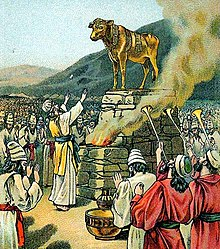
For example, do we need to do animal sacrifices? Nope! Look at this verse. Are we to continue to make animal sacrifices now that Christ has sacricfied Himself?

Psalm 66:15 KJV. I will offer unto thee burnt sacrifices of fatlings, with the incense of rams; I will offer bullocks with goats. Selah.

Hebrews 10:11 And every priest standeth daily ministering and offering oftentimes the same sacrifices, which can never take away sins:

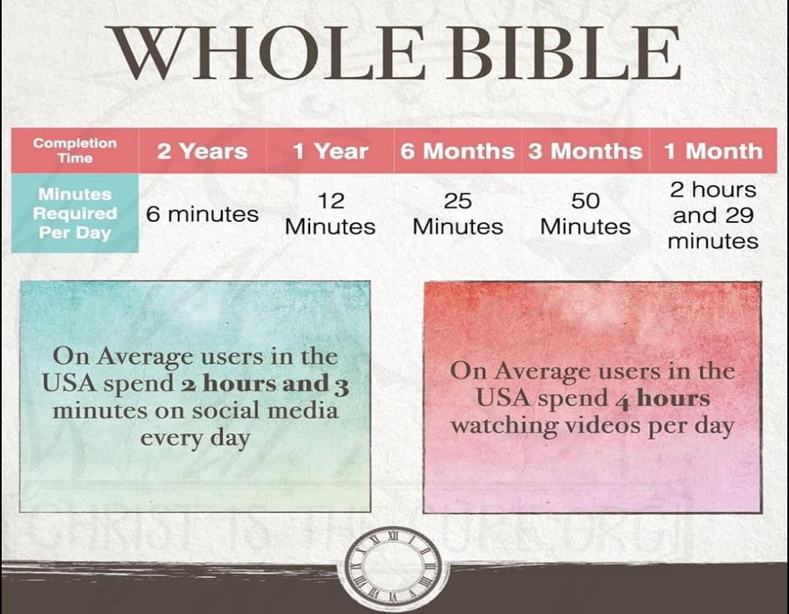
There are 31,102 verses in the Bible. At that pace of One. Verse. Every. Day. It would take 85 years to read through the Bible.

I don’t have that kind of time left.

Agape,

Spencer

Here is a link to printable bookmarks to help you read through the bible in an organized fashion.

Daily Bible Bite; Prayer

Psalm 54

This is David’s prayer when the Ziphites revealed to king Saul his location (1Sam 26).

As a matter of fact, many of the Psalms of David are his personal written prayers.

This got me thinking about how helpful it might be to us if we made a habit of writing out our prayers.

David’s Psalms are examples of

Praise.

Requests for forgiveness.

Asking God to fight for him.

Yearning to worship God.

Prayer is a spiritual blessing for the Saints.

Let us use this privilege without neglect.

1 Thessalonians 5:17 “PRAY without ceasing.”

Messages of Hope: Insights into the Minor Prophets

In the Old Testament, a collection of writings from twelve individuals collectively forms what is known as the “Minor Prophets.”

These books might be brief, but their messages are profoundly significant, providing lessons, that resonate deeply with the human experience.

As stated in Romans 15:4, “For whatsoever things were written aforetime were written for our learning, that we through patience and comfort of the scriptures might have hope.”

The minor prophets might occupy a small section in the Bible, but their teachings echo through centuries, resonating with timeless truths about justice, repentance, and hope. Through a study of these texts, believers today can deepen their understanding of God’s character and His desires for humanity, leading lives that look to Him for how to live.

The minor prophets consistently call for moral integrity. Amos vehemently condemns the exploitation of the poor and the perversion of justice under the Law of Moses, while Micah famously declares, “He has shown you, O mortal, what is good. And what does the LORD require of you? To act justly and to love mercy and to walk humbly with your God” (Micah 6:8). This push towards Moral Integrity and Justice is as relevant today as it was then, reminding us that God requires a morally upright people under the covenant of Christ (2Pet 1:5-11).

The minor prophets powerfully illustrate the immutability of God’s word—His unchanging truth and unwavering promises. Figures like Hosea and Malachi declared God’s steadfast love and justice amidst Israel’s unfaithfulness, underscoring His consistent character and eternal decrees. In the New Testament, this theme resonates in Matthew 24:35, where Jesus affirms, “Heaven and earth will pass away, but my words will never pass away.”

A significant portion of the prophetic messages involves warnings about impending judgments due to the people’s unfaithfulness and idolatry. Prophets like Hosea and Zephaniah offer vivid descriptions of the consequences that await if the nation does not turn back to God. Yet, even within the stark warnings, there is always a call to repentance—a plea for turning away from wrong and returning to God. This pattern underscores a profound truth about God’s character: His justice is tempered with mercy, and His corrections are aimed at restoration, not destruction. “The Lord is not slack concerning his promise, as some men count slackness; but is longsuffering to us-ward, not willing that any should perish, but that all should come to repentance” (2Peter 3:9).

Despite the frequent messages of doom, the minor prophets are also vehicles of incredible hope. They foretell the coming of a Messiah, and the establishment of a kingdom characterized by peace and mercy. For example, Zechariah speaks of a future King who will rule in righteousness and bring peace to the nations (Zechariah 9:9-10). These prophecies provide evidence that Jesus is the Christ, the Son of the Living God, and that the church He built has always been in the plan of God.

The minor prophets, like Micah and Zechariah, emphasize the righteousness and holiness of God, calling for justice and moral purity among His people. They highlight that God detests sin because it is contrary to His holy nature. In the New Testament, this theme is echoed in 1Peter 1:15-16, where believers are exhorted to be holy in all their conduct because God is holy.

Agape,

Spencer

The Dilemma of Situation Ethics: Does Context Override Sin?

In the annals of ethical debates, one recurring question persists: Does the situation in which an action occurs negate its moral implications? This quandary, often debated through the lens of religious texts, confronts individuals with profound moral choices. In examining this issue, we turn to the biblical narrative and explore various instances where situation ethics clash with divine standards.

Consider the tragic fate of Uzzah, recounted in 2 Samuel 6:6-7. When the oxen shook the Ark of God, Uzzah instinctively reached out to steady it, resulting in his untimely death. David’s subsequent realization underscores the importance of adhering to divine commands, (1Chron 15:2).

Despite Uzzah’s noble intention to prevent the Ark from falling, his actions were deemed irreconcilable with God’s decree that only Levites should handle the holy chest. Here, the severity of the situation did not absolve Uzzah of his transgression.

Integrity with God’s word emerges as a central theme in assessing ethical conduct. Matthew 22:37-39 underscores the importance of genuine intentions rooted in love for God and others. However, the case of misguided zeal, exemplified by Saul of Tarsus before his conversion to Christ, serves as a cautionary tale. Despite his fervent dedication to what he perceived as righteous, Saul’s actions contradicted God’s will, as evidenced in Acts 22:3-4 and Acts 26:9. This distinction between sincerity and righteousness highlights the inadequacy of integrity alone in determining moral correctness.

The danger of zeal divorced from truth is clarified in Romans 10:1-2, where Paul laments the misplaced fervor of his fellow Jews. Their zeal, though commendable, lacked the necessary foundation of divine knowledge, rendering it futile. This warning resonates in contemporary contexts where churches compromise doctrinal integrity to appeal to broader audiences, as seen in the emphasis on entertainment over spiritual truth.

Scriptural admonitions against deviating from doctrinal purity underscore the gravity of adhering to divine truth. 1Timothy 1:3 and 2John 1:10 caution against the acceptance of alternative teachings, emphasizing the exclusivity of divine doctrine. The solemn declaration in Galatians 1:8, 9 reinforces the unequivocal nature of the gospel, rejecting any deviation from its foundational truths. “But though we, or an angel from heaven, preach any other gospel unto you than that which we have preached unto you, let him be accursed. As we said before, so say I now again, If any man preach any other gospel unto you than that ye have received, let him be accursed.”

The problem of situation ethics poses a formidable challenge to individuals grappling with moral decisions. The biblical narrative offers valuable insights into the intersection of context and morality, emphasizing the enduring relevance of divine standards. While circumstances may vary, the timeless principles articulated in Scripture serve as unwavering guides, reminding believers that situational complexities do not negate the eternal truths of righteousness and integrity. We are to navigate the intricacies of ethical dilemmas with steadfast adherence to divine precepts, knowing that no situation can justify a departure from the immutable standards of God.

Agape,

Spencer

This article is part 4 of a series titled, God’s Moral Law. click here for part one.

You’re invited to attend one of our services at the church of Christ on Franklin and Juniper in Borger Texas.

Mark 4, the Parable of the SOILS

Listen! Behold, a sower went out to sow. And it happened, as he sowed, that some seed fell by the wayside; and the birds of the air came and devoured it. Some fell on stony ground, where it did not have much earth; and immediately it sprang up because it had no depth of earth. But when the sun was up it was scorched, and because it had no root it withered away. And some seed fell among thorns; and the thorns grew up and choked it, and it yielded no crop. But other seed fell on good ground and yielded a crop that sprang up, increased and produced: some thirtyfold, some sixty, and some a hundred.” (Mark 4:3-8; cf. 14-20).

The Parable of the Sower, found in the synoptic Gospels, paints a vivid picture of the different kinds of soil representing the human heart’s receptivity to the Word of God.

God reveals His will to mankind, but it is up to us to seek it out. This parable teaches us to be aware of our own hearts as we hear the word of God, and not to try to assess another’s heart.

We’ll explore the four types of soil, examining their characteristics and drawing parallels to our lives.

Hard Surface Hearts – falling to Satan’s Schemes.

The first type of soil represents hearts where Satan keeps the seed from germinating. In these hearts, God’s word merely rests on the surface, vulnerable to Satan’s subtle deceptions. James 1:13-15 reminds us that we cannot blame the devil for our sins; we are responsible. These hearts easily fall prey to deception. Satan used deception to bring in the first rebellion, and deception continues today from false teachers, (cf. 2Cor 11:4, 13-15). The Word fails to penetrate and make an impression, lying loosely on the surface until Satan snatches it away. The danger lies in a heart that remains hard and unyielding, drawn away from the truth of God’s word toward the belief of lies (2Thess 2:10-12).

Oppressed Heart – Yielding to the pressure of persecution.

The second soil type signifies hearts that are easily overcome by persecution. Oppression may come in various forms, but the key is to remain steadfast. Matthew 10:28 encourages believers not to fear those who can harm the body but cannot touch the soul. Acts 4:29 and 5:29 exemplify the courage to stand firm under pressure. Paul emphasizes in 2Timothy 3:12 that persecution is inevitable for those who desire to live a godly life. Jesus emphasizes the need to remain faithful amid adversity, Himself being the reason why, (Jno. 15:18).

Inattentive Heart – Succumbing to the cares of the world.

The third soil type represents hearts choked by worldly interests. Inattentiveness to spiritual matters results from the distractions of obligations outside the church. Matthew 6:25-34 from the sermon on the mount is a stark warning about losing sight of the Kingdom of God in pursuit of our physical needs.

Lasting & Focused Heart – Lucrative and Fruitful.

The fourth soil represents hearts that bear lasting and loving fruit. These hearts are lucrative and profitable, echoing the parable of the talents in Matthew 25:15-30. This urges believers to continue in God’s word for lasting discipleship (John 8:31; 15:1-8). Titus 3:8 and 2Timothy 3:16 underscore the profitability of living according to God’s word. The key to fruitful soil lies in continuous and consistent effort – sowing, working, weeding, waiting, watching, praying, and reaping (cf. Gal 6:7,8).

Agape,

Spencer

This is part 4 of a series “Preaching through Mark.” Click here for the complete series.

Who are we? We are just CHRISTIANS.

Then Agrippa said unto Paul, Almost thou persuadest me to be a Christian. And Paul said, I would to God, that not only thou, but also all that hear me this day, were both almost, and altogether such as I am, except these bonds.” (Acts 26:28,29).

We’re often asked to show our ID’s. From getting on a plane, to buying things on credit, or to the police officer that pulled me over looking for my autograph.

We use identification to gain access to banking accounts, safety deposit boxes, and the like.

When we speak about locating the Lord’s church, we look for its identifying marks. What does it teach about salvation, assembling together for worship, morality, and eschatology.

The Christian has an identity also. It’s interesting to note that our identity is in relationship to our God and to fellow Christians.

Let us explore our multifaceted identity as outlined in God’s Word.

When viewed in relation to God we are His children. “And will be a Father unto you, and ye shall be my sons and daughters, saith the Lord Almighty.” (2Cor 6:18)

When viewed in relation of hope we are heirs. “And if children, then heirs; heirs of God, and joint-heirs with Christ; if so be that we suffer with him, that we may be also glorified together.” (Rom. 8:17)

When viewed in relation to each other we are brethren. “I beseech you therefore, brethren, by the mercies of God, that ye present your bodies a living sacrifice, holy, acceptable unto God, which is your reasonable service.” (Rom. 12:1)

When viewed in relation to character we are saints. “To all that be in Rome, beloved of God, called to be saints: Grace to you and peace from God our Father, and the Lord Jesus Christ.” (Rom. 1:7)

If viewed as fighters we are soldiers. “Thou therefore endure hardness, as a good soldier of Jesus Christ.” (2Tim. 2:3)

When viewed in relation to our abode upon earth we are pilgrims. “Dearly beloved, I beseech you as strangers and pilgrims, abstain from fleshly lusts, which war against the soul.” (1Pet. 2:11.)

When viewed as the Image of Christ we are persecuted. “But rejoice, inasmuch as ye are partakers of Christ’s sufferings; that, when his glory shall be revealed, ye may be glad also with exceeding joy.” (1Pet 4:13; cf. Matt 10:24,25; 2Tim 3:12).

When viewed as learners of Christ we are disciples (adherents). “Go ye therefore, and make disciples of all the nations, baptizing them into the name of the Father and of the Son and of the Holy Spirit” (Matt. 28:19 ASV).

When viewed in relation to Christ we have a name; we are called Christians. “And the disciples were called Christians first in Antioch.” (Acts 11:26b).

When viewed as workers for the Lord we are servants of Christ. “For, brethren, ye have been called unto liberty; only use not liberty for an occasion to the flesh, but by love serve one another.” (Gal. 5:13).

Agape,

Spencer

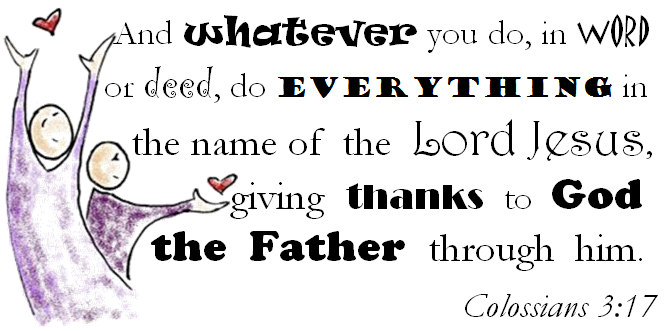
We are striving to be undenominational and non-sectarian. We plead for a restoration of New Testament Christianity. It is our sincere conviction that one cannot be right in the sight of God by ignoring and disregarding the teaching of God’s word. Let us strive to “do all in the name of the Lord Jesus” (Col. 3:17).

From Milk to Meat, Heb 5:12-6:2

Therefore leaving the principles of the doctrine of Christ, let us go on unto perfection; not laying again the foundation of repentance from dead works, and of faith toward God, Of the doctrine of baptisms, and of laying on of hands, and of resurrection of the dead, and of eternal judgment” (Heb 5:12-6:2).

In the book of Hebrews, the writer admonishes believers to progress from the foundational principles of the doctrine of Christ towards spiritual maturity, (Heb 5:12-14).

Believers are likened to infants who require milk, unable to digest the deeper truths of the gospel. Instead, they are urged to embrace the “strong meat” of the Word, reserved for those who are mature and spiritually discerning. The writer then lists 6 foundational principles that believers are to be building upon.

The first principle is repentance from dead works. Galatians 5:19-26 underscores the contrast between the works of the flesh and the fruit of the Spirit, emphasizing the need for genuine repentance and fruits worthy of repentance.

The next is faith toward God, which is central to the doctrine of Christ. This faith is not merely intellectual assent but a deep-seated trust in the character and promises of God. Without faith it is impossible to please God. (Heb 11:6). Believers are commanded to add to their faith (2Peter 1:5-11).

The third is the doctrine of baptisms which encompasses various forms of baptism, including water baptism and baptism in the Holy Spirit. Hebrews 9:10 references the ceremonial washings prescribed in the Old Testament law, while Ephesians 4:4-6 emphasizes the unity of believers through the one baptism in Christ. Believers are called to understand the significance of water baptism as the moment one’s sins are washed away and marks the beginning of a new life in Christ (Acts 2:38; 8:35-39; 22:16; Rom 6:3-4).

Next is the laying on of hands which has 3 forms in the NT Apostolic age of the church; the impartation of spiritual gifts, in healing the sick, and commissioning for ministry. Acts 8:17 shows through the laying on of the Apostles’ that the Holy Spirit was given, while Acts 6:6 and Acts 13:3 shows the ordination of individuals for service in the early church. Believers today are only able to practice the ordination of men to the work of the ministry.

Fifth is the resurrection of the dead which is a foundational truth of the Christian faith, affirming the hope of eternal life. Scriptures such as Matthew 22:23 and 1Corinthians 15:12-19 underscore the reality of resurrection and its implications for believers. Acts 17:32 shows how the resurrection is a stumbling block for unbelievers. As followers of Christ, believers are called to live in light of eternity, knowing that death is not the end but the beginning of a glorious new existence in Christ (1Thess 4:13-18).

Finally, believers are reminded of the reality of eternal judgment, wherein every person will give an account for their actions. Matthew 25:26 and Mark 9:41-50 emphasize the seriousness of sin and its consequences. Believers are called to live in reverence and obedience to God, knowing that we must all appear before the judgment seat of Christ (2Cor 5:10-11a).

The doctrine of Christ is not merely a set of beliefs to be acknowledged but is foundational truth from which we are expected to grow & mature, and become effective citizens in the Lord’s Kingdom. “But grow in grace, and in the knowledge of our Lord and Saviour Jesus Christ. To him be glory both now and for ever. Amen” (2Pet 3:18).

Agape,

Spencer

This article is part 3 of a series titled, God’s Moral Law. click here for part one.

You are invited to visit one of our services in Borger Texas. Here is a link to information about finding a church, who we are, and why we’re different.

Sinning against the Holy Spirit

Let the word of Christ dwell in you richly in all wisdom” (Colossians 3:16).

The concept of blasphemy against the Holy Spirit has long intrigued and, at times, perplexed believers. In Mark 3:29, Jesus warns about an unforgiveable sin called blasphemy against the Holy Spirit. Some have said that it’s saying a certain phrase. That view doesn’t fit with the rest of the scriptures on this matter.

It makes sense that this blasphemy involves disobeying the written word of God and remaining unrepentant unto death. It is the Holy Spirit that reveals God’s will to man. This is true for the Old and the New Testaments.

For the prophecy came not in old time by the will of man: but holy men of God spake as they were moved by the Holy Ghost

(2Pet 1:21; Acts 1:16; Heb 9:8; 2Tim 3:16-17).

To better understand this ultimate sin, let’s explore the many ways we sin against the Holy Spirit as revealed in the written word.

Ephesians 4:30 implores believers not to grieve the Holy Spirit. Sorrowing the Spirit occurs when we engage in actions contrary to God’s commands. Look at what Isaiah wrote; “But they rebelled, and vexed his holy Spirit: therefore he was turned to be their enemy, and he fought against them” (Isaiah 63:10). This grief is a result of our disobedience and disregard for His word. When we knowingly choose sin over righteousness, we grieve the Spirit.

In 1 Thessalonians 5:19, we are warned not to quench the Spirit. The Holy Spirit is often symbolized as a flame or fire (Acts 2:3-4). To quench the Spirit is to suppress His influence in our lives through the word. When we ignore His revealed word, or neglect the pursuit of spiritual growth, we extinguish the flame of the Spirit that should cause a burning within us. “Did not our heart burn within us, while he talked with us by the way, and while he opened to us the scriptures?” (cf. Luke 24:32).

Acts 5:1-11 recounts the tragic tale of Ananias and Sapphira, who lied to God the Holy Spirit. Deception never draws us closer to God. They chose to lie to be seen as being more generous than they were. We can fake out men, but we’ll never pull the wool over the all-seeing eyes of God.

In Acts 7:51, Stephen accuses the religious leaders of resisting the Holy Spirit. Resistance involves actively opposing the Spirit’s instructions in the revealed word. When we resist the Holy Spirit, we interfere with the saving power of the Gospel (Romans 1:16).

The account of Simon the sorcerer in Acts 8:17-24 illustrates the danger of insulting the Holy Spirit. Simon sought to purchase the power of the Holy Spirit, demonstrating a profound misunderstanding of the Spirit’s purpose. This sin lies in attempting to commercialize the divine. When we seek to use the Word for personal gain, we insult His sovereignty and it seeks to take advantage (cf. 2Pet 2:3).

Mark 3:22-30 warns against turning away from the Holy Spirit in an unrepentant state. Turning away involves a deliberate rejection of the Spirit’s convicting work and a refusal to acknowledge our need for repentance. If this form of rebellion continues until death, it closes the door to God’s mercy and forgiveness. Unrepentance signifies a hardened heart that resists the transformative power of the Gospel leading to eternal death.

 Agape,

Spencer

Here’s a link for additional reading on how we’re led by the Holy Spirit.

This is part 3 of a series “Preaching through Mark.” Click here for the complete series.