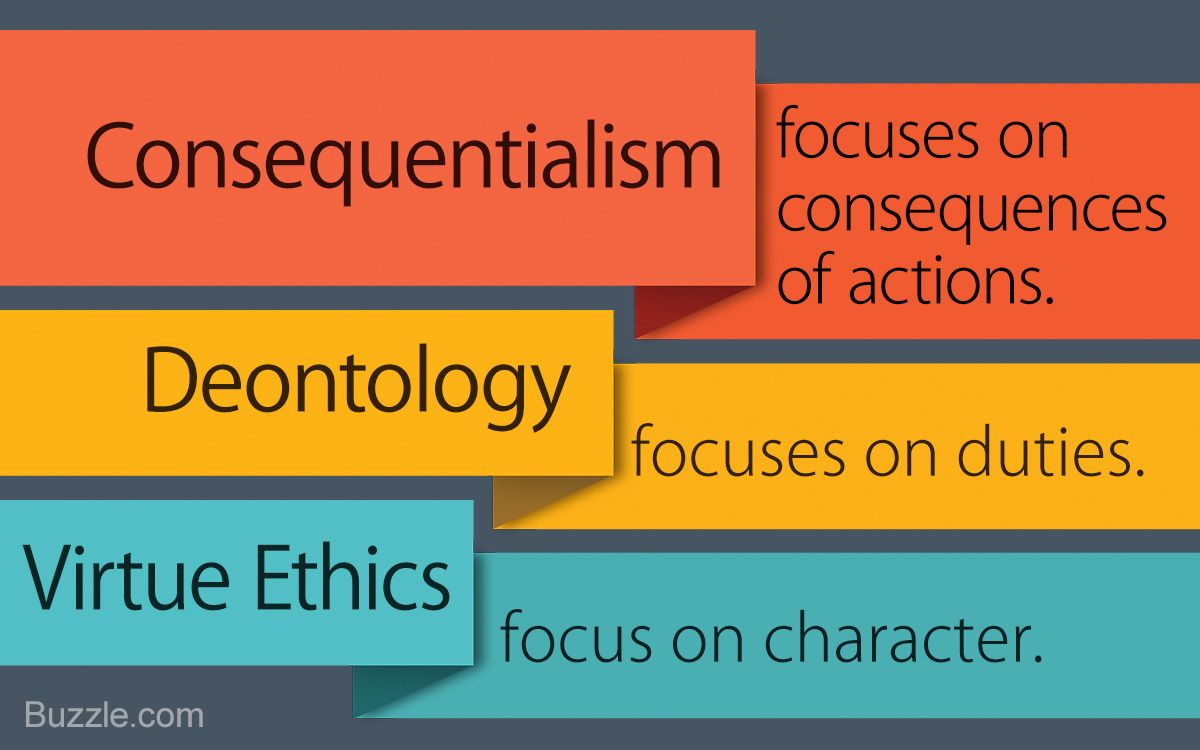
In the annals of ethical debates, one recurring question persists: Does the situation in which an action occurs negate its moral implications? This quandary, often debated through the lens of religious texts, confronts individuals with profound moral choices. In examining this issue, we turn to the biblical narrative and explore various instances where situation ethics clash with divine standards.
Consider the tragic fate of Uzzah, recounted in 2 Samuel 6:6-7. When the oxen shook the Ark of God, Uzzah instinctively reached out to steady it, resulting in his untimely death. David’s subsequent realization underscores the importance of adhering to divine commands, (1Chron 15:2).
Despite Uzzah’s noble intention to prevent the Ark from falling, his actions were deemed irreconcilable with God’s decree that only Levites should handle the holy chest. Here, the severity of the situation did not absolve Uzzah of his transgression.
Integrity with God’s word emerges as a central theme in assessing ethical conduct. Matthew 22:37-39 underscores the importance of genuine intentions rooted in love for God and others. However, the case of misguided zeal, exemplified by Saul of Tarsus before his conversion to Christ, serves as a cautionary tale. Despite his fervent dedication to what he perceived as righteous, Saul’s actions contradicted God’s will, as evidenced in Acts 22:3-4 and Acts 26:9. This distinction between sincerity and righteousness highlights the inadequacy of integrity alone in determining moral correctness.
The danger of zeal divorced from truth is clarified in Romans 10:1-2, where Paul laments the misplaced fervor of his fellow Jews. Their zeal, though commendable, lacked the necessary foundation of divine knowledge, rendering it futile. This warning resonates in contemporary contexts where churches compromise doctrinal integrity to appeal to broader audiences, as seen in the emphasis on entertainment over spiritual truth.
The problem of situation ethics poses a formidable challenge to individuals grappling with moral decisions. The biblical narrative offers valuable insights into the intersection of context and morality, emphasizing the enduring relevance of divine standards. While circumstances may vary, the timeless principles articulated in Scripture serve as unwavering guides, reminding believers that situational complexities do not negate the eternal truths of righteousness and integrity. We are to navigate the intricacies of ethical dilemmas with steadfast adherence to divine precepts, knowing that no situation can justify a departure from the immutable standards of God.
“Therefore leaving the principles of the doctrine of Christ, let us go on unto perfection; not laying again the foundation of repentance from dead works, and of faith toward God, Of the doctrine of baptisms, and of laying on of hands, and of resurrection of the dead, and of eternal judgment” (Heb 5:12-6:2).
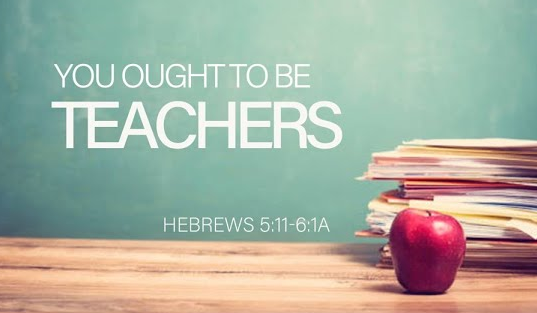
In the book of Hebrews, the writer admonishes believers to progress from the foundational principles of the doctrine of Christ towards spiritual maturity, (Heb 5:12-14).
Believers are likened to infants who require milk, unable to digest the deeper truths of the gospel. Instead, they are urged to embrace the “strong meat” of the Word, reserved for those who are mature and spiritually discerning. The writer then lists 6 foundational principles that believers are to be building upon.
The first principle is repentance from dead works. Galatians 5:19-26 underscores the contrast between the works of the flesh and the fruit of the Spirit, emphasizing the need for genuine repentance and fruits worthy of repentance.
The next is faith toward God, which is central to the doctrine of Christ. This faith is not merely intellectual assent but a deep-seated trust in the character and promises of God. Without faith it is impossible to please God. (Heb 11:6). Believers are commanded to add to their faith (2Peter 1:5-11).
The third is the doctrine of baptisms which encompasses various forms of baptism, including water baptism and baptism in the Holy Spirit. Hebrews 9:10 references the ceremonial washings prescribed in the Old Testament law, while Ephesians 4:4-6 emphasizes the unity of believers through the one baptism in Christ. Believers are called to understand the significance of water baptism as the moment one’s sins are washed away and marks the beginning of a new life in Christ (Acts 2:38; 8:35-39; 22:16; Rom 6:3-4).
Next is the laying on of hands which has 3 forms in the NT Apostolic age of the church; the impartation of spiritual gifts, in healing the sick, and commissioning for ministry. Acts 8:17 shows through the laying on of the Apostles’ that the Holy Spirit was given, while Acts 6:6 and Acts 13:3 shows the ordination of individuals for service in the early church. Believers today are only able to practice the ordination of men to the work of the ministry.
Fifth is the resurrection of the dead which is a foundational truth of the Christian faith, affirming the hope of eternal life. Scriptures such as Matthew 22:23 and 1Corinthians 15:12-19 underscore the reality of resurrection and its implications for believers. Acts 17:32 shows how the resurrection is a stumbling block for unbelievers. As followers of Christ, believers are called to live in light of eternity, knowing that death is not the end but the beginning of a glorious new existence in Christ (1Thess 4:13-18).
Finally, believers are reminded of the reality of eternal judgment, wherein every person will give an account for their actions. Matthew 25:26 and Mark 9:41-50 emphasize the seriousness of sin and its consequences. Believers are called to live in reverence and obedience to God, knowing that we must all appear before the judgment seat of Christ (2Cor 5:10-11a).
The doctrine of Christ is not merely a set of beliefs to be acknowledged but is foundational truth from which we are expected to grow & mature, and become effective citizens in the Lord’s Kingdom. “But grow in grace, and in the knowledge of our Lord and Saviour Jesus Christ. To him be glory both now and for ever. Amen” (2Pet 3:18).
You are invited to visit one of our services in Borger Texas. Here is a link to information about finding a church, who we are, and why we’re different.
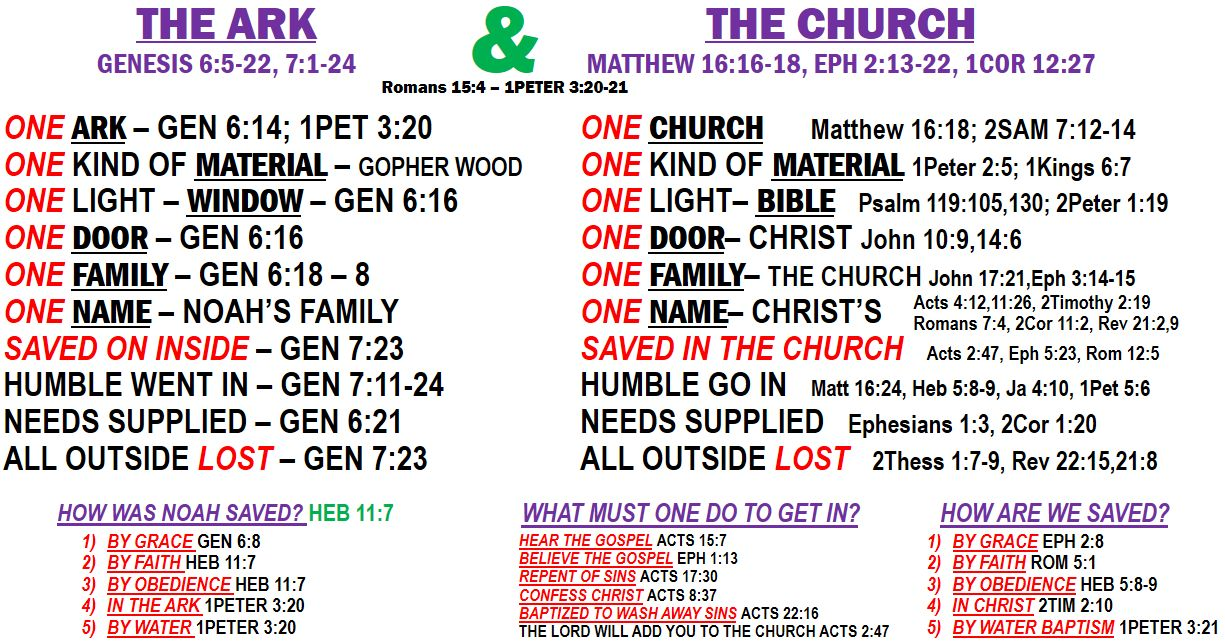
By Grace (Gen 6:8) But Noah found grace in the eyes of the LORD.
By Faith (Heb 11:7) By faith Noah, being warned of God of things not seen as yet, moved with fear, prepared an ark to the saving of his house; by the which he condemned the world, and became heir of the righteousness which is by faith.
By Obedience (Heb 11:7) By faith Noah, being warned of God of things not seen as yet, moved with fear, prepared an ark to the saving of his house; by the which he condemned the world, and became heir of the righteousness which is by faith.
In the Ark (1Pet 3:20) Which sometime were disobedient, when once the longsuffering of God waited in the days of Noah, while the ark was a preparing, wherein few, that is, eight souls were saved by water.
By Water (1Pet 3:21) The like figure whereunto even baptism doth also now save us
What does the bible say about how WE are saved?
By Grace (Eph 2:8) For by grace are ye saved through faith; and that not of yourselves: it is the gift of God:
By Faith (Rom 5:1) Therefore being justified by faith, we have peace with God through our Lord Jesus Christ:
By Obedience (Heb 5:8-9) Though he were a Son, yet learned he obedience by the things which he suffered; And being made perfect, he became the author of eternal salvation unto all them that obey him;
In Christ (2Tim 2:10) Therefore I endure all things for the elect’s sakes, that they may also obtain the salvation which is in Christ Jesus with eternal glory.
Baptized into Christ (Gal 3:27; Col 2:11; Acts 8:35-38; Rom 6:3-5) For as many of you as have been baptized into Christ have put on Christ.
1Peter 3:21 The like figure whereunto even baptism doth also now save us.
Which of the following sentences are true? Let them that oppose it erase the one he says is NOT true.
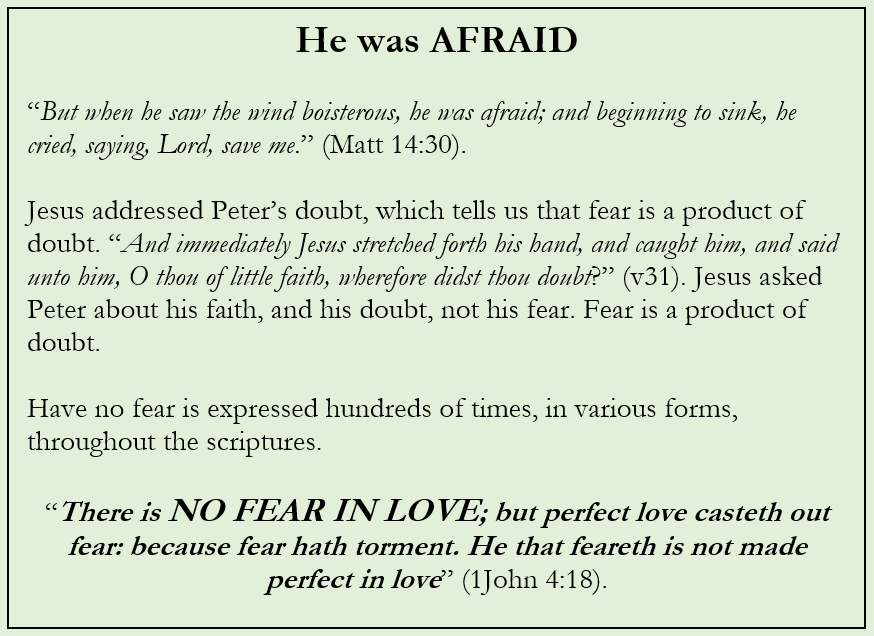
Jesus asked this question of Peter when he began to sink after walking on the water.
“And in the fourth watch of the night Jesus went unto them, walking on the sea. And when the disciples saw him walking on the sea, they were troubled, saying, It is a spirit; and they cried out for fear. But straightway Jesus spake unto them, saying, Be of good cheer; it is I; be not afraid. And Peter answered him and said, Lord, if it be thou, bid me come unto thee on the water. And he said, Come. And when Peter was come down out of the ship, he walked on the water, to go to Jesus. But when he saw the wind boisterous, he was afraid; and beginning to sink, he cried, saying, Lord, save me. And immediately Jesus stretched forth his hand, and caught him, and said unto him, O thou of little faith, wherefore didst thou doubt? And when they were come into the ship, the wind ceased. Then they that were in the ship came and worshipped him, saying, Of a truth thou art the Son of God”
(Matthew 14:25-23).
You may wonder why the Lord was so critical of Peter’s doubt, because walking on water is not normal. But that was not the Lord’s rebuke. Peter was walking on water. Jesus was walking on water. They both walked on water together in the storm.
Do we also doubt in the storms of life? Why do we doubt? What is the source of doubt? This series of articles will seek to search the scriptures for the answer, and to learn how to combat, or to Overcome Doubt.
The first thing we ought to do is to make certain we know what it means. Jesus asked Peter, “why did you doubt (duplicate, i.e. mentally to waver in opinion) [Strong’s Greek dictionary; distazo]. The dictionary defines doubt as; “to be uncertain about; consider questionable or unlikely; hesitate to believe.” DOUBT is the opposite of BELIEF. Therefore, our first source of DOUBT is DISBELIEF. This will be the ultimate root of all the sources.
DISBELIEF is the target of the Lord’s question to Peter (v31), and is our challenge today. Belief in God is the beginning of our salvation. It’s placed first of all other commands in obeying the gospel. Works without faith is vanity. Faith is a work (John 6:29; 1Thess 1:3; 2Thess 1:11).
“But without faith it is impossible to please him: for he that cometh to God must believe that he is, and that he is a rewarder of them that diligently seek him” (Hebrews 11:6).
“He that believeth and is baptized shall be saved; but he that believeth not shall be damned” (Mark 16:16).
The type of Belief under consideration is compared to the faith of Abraham when he went to sacrifice the son of promise. “Was not Abraham our father justified by works, when he had offered Isaac his son upon the altar? Seest thou how faith wrought with his works, and by works was faith made perfect? And the scripture was fulfilled which saith, Abraham believed God, and it was imputed unto him for righteousness: and he was called the Friend of God. Ye see then how that by works a man is justified, and not by faith only” (James 2:21-24). His belief was so certain that he supposed God would raise Isaac from the dead (Heb 11:17).
However, faith is not blind. “Now faith is the substance of things hoped for, the evidence of things not seen” (Hebrews 11:1). There’s evidence to believe. Peter’s evidence was the prior miracles of Jesus (which are still evidence for us today John 20:30-31). Peter had participated in the feeding of the 5,000 just preceding his water ambulation. How many steps he made on the water we do not know, but one step out of a boat into the deep stormy waters is sufficient. He had gone out in the limited commission with powers, “against unclean spirits, to cast them out, and to heal all manner of sickness and all manner of disease” (Matthew 10:1).
Well, that was Peter you may say; what about us? We don’t see those miracles today. No, we don’t see biblical miracles today, but that’s okay. The miracles Peter saw, and those in the early church are for our belief. “And many other signs truly did Jesus in the presence of his disciples, which are not written in this book: But these are written, that ye might believe that Jesus is the Christ, the Son of God; and that believing ye might have life through his name” (John 20:30-31). But there’s more…
God’s word says that God’s creation is for belief. “Because that which may be known of God is manifest in them; for God hath shewed it unto them. For the invisible things of him from the creation of the world are clearly seen, being understood by the things that are made, even his eternal power and Godhead; so that they are without excuse” (Romans 1:19-20). God’s creation is enough to begin our belief in Him.
Paul used this same evidence for belief. “Nevertheless he left not himself without witness, in that he did good, and gave us rain from heaven, and fruitful seasons, filling our hearts with food and gladness” (Acts 14:17; 17:27-28). The evidence of creation and human life will point you in the right direction to look further. There are only 2 possibilities about creation: 1) that everything came from a thoughtless nothing, or 2) everything came from a very wise, powerful, and brilliant God.
Belief is not blind. It has evidence and there’s so much evidence inside and outside of scripture. If you doubt, perhaps a study of evidences is for you to combat that doubt. Here are a few areas to study…
I have a few resources in my library. One of my favorites is by a brother in Christ named A.O. Schnabel, “Has God Spoken?” This book references scriptures of nature that science discovered many hundreds and thousands of years later. Some discoveries as recent as the 1960’s!
There’s no need to doubt. We can know and be assured.
(to be continued)
Agape,
Spencer
The Franklin and Juniper church of Christ begins an overview study of the book of James. If you live in the Borger area, You’re invited to attend one of our services to hear the Gospel preached in plainness of speech easy to understand.
Click here for an OUTLINE & links to each chapter of the Book of James.
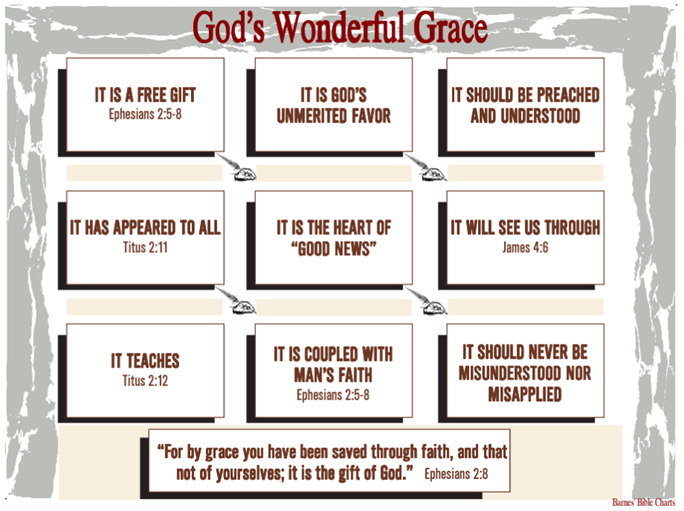
IN the first article on GRACE, we learned that it is the Gift of God through faith.
the GRACE of God is a gift, and it can either be RECEIVED or REJECTED.
Grace is a gift of God that provides ACCESS to salvation.
Romans 5:2 KJV
By whom also we have access by faith into this grace wherein we stand, and rejoice in hope of the glory of God.
Eph 2:8-10 tells us it’s a gift.
But what did Paul teach the Ephesians when he first met them?
They HEARD and BELIEVED the gospel.
Ephesians 1:13 KJV
In whom ye also trusted, after that ye heard the word of truth, the gospel of your salvation: in whom also after that ye believed, ye were sealed with that holy Spirit of promise,
They continued to CONFESS and bring forth fruits worthy of REPENTANCE.
Acts 19:18-19 KJV
And many that believed came, and CONFESSED, and SHEWED their deeds. [19] Many of them also which used curious arts brought their books together, and burned them before all men: and they counted the price of them, and found it fifty thousand pieces of silver. (cf. Acts 20:20-21)
They were BAPTIZED into Christ.
Acts 19:2-5 KJV
He said unto them, Have ye received the Holy Ghost since ye believed? And they said unto him, We have not so much as heard whether there be any Holy Ghost. [3] And he said unto them, Unto what then were ye baptized? And they said, Unto John’s baptism. [4] Then said Paul, John verily baptized with the baptism of repentance, saying unto the people, that they should believe on him which should come after him, that is, on Christ Jesus. [5] When they heard this, they were baptized in the name of the Lord Jesus.
So yes, they were saved by GRACE because by grace through faith we’re given ACCESS to the gospel which is the means of salvation.
What will you do with this GRACE?
Would you like to know more about how to ACCESS His GRACE?
“For by grace are ye saved through faith; and that not of yourselves: it is the gift of God:” Eph 2:8
“But without faith it is impossible to please him: for he that cometh to God must believe that he is, and that he is a rewarder of them that diligently seek him.” Heb 11:6
FAITH without WORKS is dead being alone.
“Ye see then how that by works a man is justified, and not by faith only.” James 2:24
There are no WORKS of God to save without GRACE.
“Buried with him in baptism, wherein also ye are risen with him through the faith of the operation of God, who hath raised him from the dead.” Col 2:11
“In whom we have redemption through his blood, the forgiveness of sins, according to the riches of his grace;” Eph 1:7
“That being justified by his grace, we should be made heirs according to the hope of eternal life.” Titus 3:7
GRACE, FAITH, WORKS of God. Rom 5:2-10.
“2 By whom also we have access by faith into this grace wherein we stand, and rejoice in hope of the glory of God. (see 1Cor 15:1-4) 6 For when we were yet without strength, in due time Christ died for the ungodly. 7 For scarcely for a righteous man will one die: yet peradventure for a good man some would even dare to die. 8 But God commendeth his love toward us, in that, while we were yet sinners, Christ died for us. 9 Much more then, being now justified by his blood, we shall be saved from wrath through him. 10 For if, when we were enemies, we were reconciled to God by the death of his Son, much more, being reconciled, we shall be saved by his life.” Romans 5:2-10
What shall you do with God’s Gift of GRACE?
Are you seeking to better understand God’s Grace and his word?
Send me a message and we can have a home Bible study in person or have one sent to you.
Part two of this five point series can be found here. Part three is here. Part four here.
How many times did God impute Abraham’s faith unto righteousness?
1) Genesis 15:5-6 KJV
And he brought him forth abroad, and said, Look now toward heaven, and tell the stars, if thou be able to number them: and he said unto him, So shall thy seed be. [6] And he believed in the Lord ; and he counted it to him for righteousness.
2) Genesis 17:16-17 KJV
And I will bless her, and give thee a son also of her: yea, I will bless her, and she shall be a mother of nations; kings of people shall be of her. [17] Then Abraham fell upon his face, and laughed, and said in his heart, Shall a child be born unto him that is an hundred years old? and shall Sarah, that is ninety years old, bear?
Paul tells us this time also that God imputed to him for righteousness.
Romans 4:18-22 KJV
Who against hope believed in hope, that he might become the father of many nations; according to that which was spoken, So shall thy seed be. [19] And being not weak in faith, he considered not his own body now dead, when he was about an hundred years old, neither yet the deadness of Sara’s womb: [20] He staggered not at the promise of God through unbelief; but was strong in faith, giving glory to God; [21] And being fully persuaded that, what he had promised, he was able also to perform. [22] And therefore it was imputed to him for righteousness.
3) Gen 22, the (attempted) sacrifice of Isaac. Genesis 22:12 KJV
And he said, Lay not thine hand upon the lad, neither do thou any thing unto him: for now I know that thou fearest God, seeing thou hast not withheld thy son, thine only son from me.
James in the New Testament tells us at this event also, God imputed unto him for righteousness.
James 2:21-24 KJV
Was not Abraham our father justified by works, when he had offered Isaac his son upon the altar? [22] Seest thou how faith wrought with his works, and by works was faith made perfect? [23] And the scripture was fulfilled which saith, Abraham believed God, and it was imputed unto him for righteousness: and he was called the Friend of God. [24] Ye see then how that by works a man is justified, and not by faith only.
ANSWER: 3 recorded times.
When you view Abraham’s life of faith, then you’ll realize it wasn’t imputed at one even as some suppose, but it was imputed because of a lifetime of faithfulness.
Hebrews 11:8 KJV
By faith Abraham, when he was called to go out into a place which he should after receive for an inheritance, obeyed; and he went out, not knowing whither he went.
Agape,
Spencer
If you live in the Borger area and would like a personal bible study, please reach out & let us know how we can help you know more of God’s word.
“For by grace are ye saved through faith; and that not of yourselves: it is the gift of God.”
(Eph 2:8)
Some would have you believe that there is nothing a man must do to receive the GRACE of God. However, that extreme position teaches universal salvation to unbelievers, unrepentant, active sinners, and wicked & vile people.
These same teachers would then say, “well, you have to believe.” The scriptures teach that a person must believe before they can be saved (John 8:24). Again, this “faith only” extreme position teaches salvation to any ‘believer’ regardless of willful sins.
By the way, belief is a work that man must do. “Jesus answered and said unto them, This is the work of God, that ye believe on him whom he hath sent” (John 6:29; cf. 1Thess 1:3).
These very same teachers then tell me, “Well, you must repent.” At this point we’re getting closer to the truth. At least some of them agree with the scriptures that repentance is a requirement of salvation. “And the times of this ignorance God winked at; but now commandeth all men every where to repent” (Acts 17:30; cf Luke 13:3).
They will also teach to be saved a person must confess Jesus. “That if thou shalt confess with thy mouth the Lord Jesus, and shalt believe in thine heart that God hath raised him from the dead, thou shalt be saved” (Romans 10:9). They agree with the scriptures, but they need to read just one verse farther, “For with the heart man believeth unto righteousness; and with the mouth confession is made unto salvation.” There is something man must do to receive the GRACE of God.
Is it any stretch then to teach that a person must do something to RECEIVE the Grace of God that has appeared to all men? GRACE is Received by man when they obey the Gospel. Read just a little further in Romans 10:16; “But they have not all obeyed the gospel. For Esaias saith, Lord, who hath believed our report?” Obedience is connected to Belief.
Grace is the Gift of God. As seen above, mankind must RECEIVE (obey) that gift. Grace is the provision for salvation through Christ. Without His perfect sacrifice we could not be saved. How do we receive salvation through His Grace?
Paul wrote this, “And also if anyone competes in athletics, he is not crowned unless he competes according to the rules. (2Tim 2:5, NKJV). To be saved one must follow the RULES of Christ. “Whosoever transgresseth, and abideth not in the doctrine of Christ, hath not God. He that abideth in the doctrine of Christ, he hath both the Father and the Son” (2John 9).
When Peter preached at the beginning he told the new believers in Christ, “Repent, and be baptized every one of you in the name of Jesus Christ for the remission of sins, and ye shall receive the gift of the Holy Ghost” (Acts 2:38). Before anyone can receive the Gift of Salvation, they must believe and REPENT. It is commanded by Christ, It is taught by the Apostles, It is repeated by Paul, and it is a requirement for restoration of those who have obeyed but have sinned (Luke 13:3; Acts 2:38; 17:30; Rev 2:5).
The person that believes must REPENT AND be BAPTIZED. Believers are immersed in (go UNDER) water to be saved. When Philip preached Jesus to the Eunuch, he asked, “See, here is water; what doth hinder me to be baptized?” (Acts 8:36). Paul explained that Baptism (going UNDER water by faith) is accessing the working of God through faith for the circumcision of the heart. “Buried with him in baptism, wherein also ye are risen with him through the faith of the operation of God, who hath raised him from the dead” (Col 2:11-12).
Peter wrote that water baptism saves, “The like figure whereunto even baptism doth also now save us (not the putting away of the filth of the flesh, but the answer of a good conscience toward God,) by the resurrection of Jesus Christ” (1Peter 3:21). Ananias told Saul of Tarsus that baptism will “wash away thy sins” (Acts 22:16).
Those that have obeyed the Gospel by putting on Christ in Baptism must then LIVE Faithfully. Paul said that it is possible to receive the Grace of God in vain (2Cor 6:1). That is what happens when believers LIVE unfaithfully to Christ. He wrote the Galatians that they could “fall from grace” (Gal 5:4). This happens when we turn from Christ to another gospel (cf. Gal 1:6-10; 2Cor 11:4). Paul wrote Titus telling him that grace is “Teaching us that, denying ungodliness and worldly lusts, we should live soberly, righteously, and godly, in this present world” (Titus 2:11).
When we obey the gospel through faith, we can ENJOY the comfort & hope of God’s Grace. “Now our Lord Jesus Christ himself, and God, even our Father, which hath loved us, and hath given us everlasting consolation and good hope through grace, Comfort your hearts, and stablish you in every good word and work” (2Thess 2:16-17). We can have assurance in Eternal life when we do what is commanded for us to do.
The grace of God also gives opportunity to STAND us back up when we fall in SIN, and when we SUFFER trials. “But the God of all grace, who hath called us unto his eternal glory by Christ Jesus, after that ye have suffered a while, make you perfect, stablish, strengthen, settle you” (1Peter 5:10). “Let us therefore come boldly unto the throne of grace, that we may obtain mercy, and find grace to help in time of need” (Heb 4:16; cf. 1John 1:9).
Grace is an exceedingly wonderful Gift from Jesus. “For the law was given by Moses, but grace and truth came by Jesus Christ” (John 1:17). Grace is the opportunity, obeying the Truth is receiving His grace. (1Peter 1:22)
Spencer is an evangelist for the Franklin & Juniper St church of Christ in Borger Texas.



 Borger church of Christ @ Franklin & Juniper