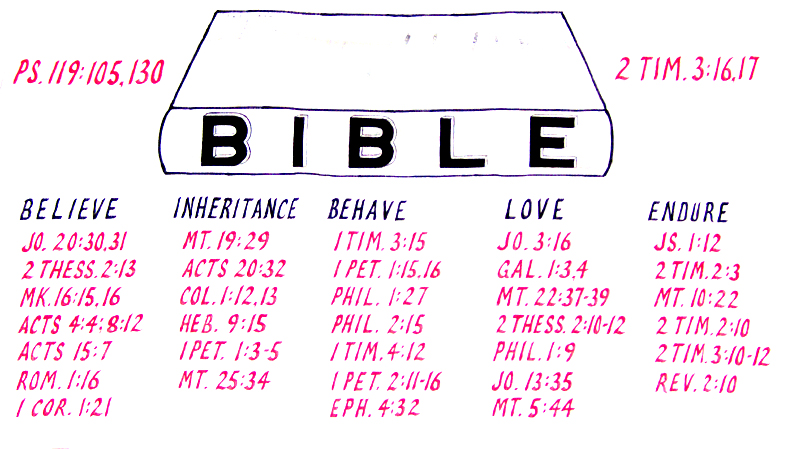
You know, the Word of God is like a hidden gem for all of us believers. It’s more than just pages filled with text; it’s our go-to guide, a wellspring of truth, and an incredible tool for our spiritual journey. Seriously, if you really pay attention to its teachings, you’ll uncover so many benefits! When we dig into the scriptures, we see how God shows us His will, gives us solid truth, helps us stand strong in our faith, and lights up our paths. How cool is that?
Knowing the Will of the Lord (Ephesians 5:17)
Ephesians 5:17 exhorts, “Wherefore be ye not unwise, but understanding what the will of the Lord is.” In a world clouded by confusion, the Bible unveils God’s will for humanity. It reveals His universal desires, such as salvation for all (2 Peter 3:9, KJV: “not willing that any should perish, but that all should come to repentance”) and holy living (1 Thessalonians 4:3). By meditating on Scripture, as Psalm 119:11 (KJV) states, “Thy word have I hid in mine heart, that I might not sin against thee,” believers align their lives with God’s purposes. The Word acts as a divine compass, guiding us to avoid folly and live according to His eternal plan.
Objective Truth in a Deceptive World (John 17:17)
In John 17:17, Jesus prays, “Sanctify them through thy truth: thy word is truth.” The Bible stands as the unchanging standard of truth in an age of shifting values. As 2 Timothy 3:16 (KJV) declares, “All scripture is given by inspiration of God,” it is a reliable foundation for faith and practice. This truth sanctifies believers, setting them apart for God’s service by renewing their minds (Romans 12:2). It also guards against deception, as Jesus used Scripture to defeat Satan’s lies (Matthew 4:4-10). In a world prone to error, the Word anchors us in divine truth, enabling us to live with understanding.
A Ready Answer for Our Faith (1 Peter 3:15)
The Word equips believers to share their hope in Christ. 1 Peter 3:15 instructs, “Be ready always to give an answer to every man that asketh you a reason of the hope that is in you with meekness and fear.” Scripture strengthens our faith (Romans 10:17, KJV: “faith cometh by hearing, and hearing by the word of God”) and prepares us to share the gospel with humility and reverence. Whether answering skeptics or encouraging seekers, the Bible provides the foundation for our testimony, ensuring our words reflect God’s truth and grace (Colossians 4:6).
Direction for Our Lives (Jeremiah 10:23; Psalm 119:105)
Jeremiah 10:23 acknowledges, “The way of man is not in himself: it is not in man that walketh to direct his steps.” Paired with Psalm 119:105, “Thy word is a lamp unto my feet, and a light unto my path,” this reveals the Bible’s role as a guide. Human wisdom falters (Proverbs 16:9), but Scripture illuminates both immediate decisions and long-term goals. Whether facing trials or choices, the Word offers wisdom (Joshua 1:8) and warnings (Proverbs 14:12). By following it, believers walk confidently in God’s purposes.
The Word is “quick, and powerful” (Hebrews 4:12, KJV), transforming hearts, comforting in affliction (Psalm 119:92), and fostering intimacy with God (John 15:7). It equips us for every good work (2 Timothy 3:17), enabling us to live with purpose, anchored in the truth and guidance of God’s Word.
Missing the gospel isn’t just a minor misstep, it’s a choice with eternal consequences. The New Testament lays out what’s on the line when we turn away from God’s call to follow Jesus. It’s not about fear-mongering or guilt-tripping anyone; it’s about understanding the weight of our decisions. What’s really at risk for missing out on the Gospel of Christ?
First, salvation itself hangs in the balance. Hebrews 5:8 tells us Jesus learned obedience through suffering, becoming the source of eternal salvation for those who obey Him. Disobeying the gospel means rejecting the only path to being made right with God. Look at John 3:36 “He that believeth on the Son hath everlasting life: and he that believeth not the Son shall not see life; but the wrath of God abideth on him.” Acts 4:12 hammers it home: there’s no other name under heaven by which we can be saved. And Romans 10:16 ties belief and obedience together, showing that refusing to obey the gospel is like shutting the door on God’s grace. Salvation isn’t a free pass; it’s a response to Jesus’ sacrifice.
Next, there’s treasure in heaven. Matthew 6:19-20 urges us to store up treasures in heaven, not on earth, where moth and rust destroy. Disobeying the gospel means chasing fleeting, earthly rewards instead of eternal ones. Colossians 3:2 pushes us to set our minds on things above, not earthly things. And 1 Timothy 6:17 encourages us not to place our trust in uncertain riches, but in the living God, who giveth us richly all things to enjoy. Ignoring the Gospel risks a life spent on what fades away.
Then there’s the danger of apostasy; falling away from faith. Galatians 4:11 shows Paul’s fear that his work among the Galatians might be in vain if they turn from the gospel. Hebrews 6:4-6 warns of the impossibility of renewing repentance in those who fall away after receiving the truth. 2 Peter 2:20-21 paints a grim picture of those who know Jesus but return to the world, saying it’s worse than never knowing at all. And 1Timothy 4:1 speaks of some abandoning faith in later times. Ignoring the gospel can lead to a slow drift or outright rejection of the truth we once held.
Kingdom citizenship is also at stake. Colossians 1:13 says God has rescued us from darkness and brought us into His Son’s kingdom. Disobeying the gospel means missing out on that transfer. Ephesians 2:19 calls believers fellow citizens with God’s people, no longer strangers. Philippians 3:20 declares our citizenship is in heaven, where we await Jesus. And Luke 22:29-30 promises a place in God’s kingdom for those who follow Him. Rejecting the gospel keeps us outside this family, this home God offers.
Finally, eternal life itself is on the line. Matthew 7:13-14 describes the narrow gate leading to life and the wide road to destruction. Disobedience chooses the latter. John 5:28-29 warns that those who’ve done evil face a resurrection to judgment. Romans 6:23 contrasts the wages of sin, death, with the gift of eternal life through Jesus. And 1 John 5:11-12 makes it clear: eternal life is in the Son, and without Him, we don’t have it. Missing the gospel risks an eternity apart from God.
So, what’s at stake? Everything—our salvation, our eternal reward, our steadfastness, our place in God’s kingdom, and life itself. The gospel isn’t just good news; it’s a call to choose wisely, to live for what lasts.
The way we speak reveals the condition of our hearts and serves as a powerful expression of love. Scripture, particularly Ephesians, provides a blueprint for how our words can reflect Christ’s love, fostering unity, encouragement, and grace. By aligning our speech with biblical principles, we demonstrate love that honors God and uplifts others.
Seasoned with Salt; Colossians 4:6 urges believers to let their speech be “always full of grace, seasoned with salt,” so that they know how to answer everyone (“seasoned with salt” suggesting speech that is gracious, wise, and impactful, enhancing conversations like salt enhances food). Similarly, James 3:17 describes wisdom from above as pure, peace-loving, and gentle. Words seasoned with salt are purposeful, preserving truth and adding value to conversations. They avoid blandness or harshness, striking a balance that reflects thoughtfulness and care. When our speech is seasoned with grace, it becomes a tool to point others to Christ, making our interactions meaningful and impactful.
Pleasant, Not Profane; Ephesians 5:4 warns against “filthiness, foolish talk, or crude joking,” which are out of place for those who follow Christ. Instead, our words should be pleasant, reflecting gratitude and reverence. Filthy or foolish speech tears down, while pleasant words build up and create an atmosphere of love. Avoiding foul language doesn’t mean stifling humor or joy but choosing words that align with God’s holiness. Pleasant speech invites others into a space of dignity and respect, mirroring the love Christ shows us.
Edifying, Empathetic, & Encouraging; Ephesians 4:29 instructs, “Let no corrupting talk come out of your mouths, but only such as is good for building up, as fits the occasion, that it may give grace to those who hear” (Edifying means Building up or strengthening others spiritually). Romans 14:19 tells us to pursue peace and mutual edification, while Colossians 3:16 encourages teaching and admonishing one another with wisdom. Hebrews 10:24-25 emphasizes spurring one another toward love and good works. Empathetic and encouraging speech listens deeply, validates feelings, and inspires growth. It puts others’ needs above our own, fostering community and reflecting Christ’s sacrificial love.
Speaking Truth in Love; Ephesians 4:15 and 4:25 highlight the importance of speaking truth in love, rooted in agape type (love selfless, unconditional love). Truth without love can wound, while love without truth can enable. Speaking truth in love requires humility and courage, ensuring our words are honest yet delivered with kindness. This balance builds trust and strengthens relationships, as we lovingly correct or guide others toward God’s truth. Loving speech prioritizes the other person’s spiritual growth, even when it’s uncomfortable, because it seeks their ultimate good.
Kindness in Speech; Ephesians 4:32 tells us to be kind and compassionate, forgiving one another as God forgave us. James 1:26 warns that those who fail to bridle their tongues deceive themselves, and Colossians 3:12-13 emphasizes clothing ourselves with kindness and patience. Kind words diffuse conflict, heal wounds, and demonstrate grace. They reflect a heart transformed by Christ, choosing gentleness over harshness and forgiveness over bitterness. Kindness in speech is a daily practice of love, creating a ripple effect of grace in our interactions.
Generations of people have wrestled with tough questions: Why are we here? Why is there pain in the world? Is there anything after we die? The Bible, trusted by billions, gives clear and meaningful answers to these deep questions. It’s like a guidebook from God, offering wisdom that makes sense and stands the test of time. It is a book for how to understand and navigate through this world, but also guides us to know how to have eternal life beyond this one. It is the word of God.
“And that from a child thou hast known the holy scriptures, which are able to make thee wise unto salvation through faith which is in Christ Jesus. All scripture is given by inspiration of God, and is profitable for doctrine, for reproof, for correction, for instruction in righteousness: That the man of God may be perfect, throughly furnished unto all good works” (2 Timothy 3:15-17).
The Bible declares our purpose. Ecclesiastes 12:13 puts it plainly: “Fear God, and keep his commandments: for this is the whole duty of man.” This means living in a way that puts God first in our lives, rather than chasing our own lusts, desires, and goals. The Bible teaches we were created by God and are made to glorify Him (Genesis 1:26-8; Isaiah 43:7). This provides a clear purpose, a timeless sense of value, and reassurance that we are more than mere animals.
Suffering is real, and the Bible addresses it head on. The story of Job shows a man who faced terrible pain but found God was still with him. Romans 8:28 promises that “God works all things for good for those who love Him.” Pain might come from human mistakes (Genesis 3:16–19) or just life’s challenges, but the Bible never calls it useless. It can shape us, and make us stronger (James 1:2–4). It can also help us to grow closer to God as we recognize our need for His strength (2 Corinthians 12:9-10). Many are hopeless in suffering, but the Bible offers hope that good can come out of suffering for those that love the Lord. The Bible also assures us that suffering is not God messing with us.
The Bible gives a straight answer about life after death. The Bible says, “God loved the world so much that He gave His only Son, so that everyone who believes in Him and follows Him will not be lost but have eternal life” (John 3:16), and “He that believeth and is baptized shall be saved” (Mark 16:16a). The Bible gives us instructions on how to have eternal life with God (e.g. Acts 2:38, Romans 6:17–18). The Bible’s promise of eternal life is backed by Jesus’ resurrection (1 Corinthians 15:20–22), a real event that gives us solid hope for eternity. We can know where we are going and how to get there.
Some people say the Bible’s answers are too rigid for today’s times of enlightenment. Thinkers through the ages have seen how the Bible’s teachings make sense of life’s big questions and remains timeless. It does more than just comfort us, it shows us how to live with purpose, face challenges with hope, and prepare for eternity through obedience to God’s Word. Every generation needs the Bible to discover true enlightenment in God’s timeless wisdom.
The Bible gives more than just answers; it shows us the true God who walks with us through life’s ups and downs. By believing in Jesus and obeying the gospel, we find purpose, hope, and the promise of eternal life. In a confusing world, the Bible is a steady guide for life’s biggest questions.
“Then Simon Peter answered him, Lord, to whom shall we go? thou hast the words of eternal life.” (John 6:68)
Agape
Sources: The Holy Bible (KJV): Ecclesiastes 12:13, Isaiah 43:7, Romans 8:28, John 3:16, etc.
The Bible’s 66 books, penned across millennia, weave a seamless tapestry of truth, revealing a divine hand guiding its every word.
The Internal Consistency of the Bible Across 66 Books
The Bible, a collection of 66 books written by over 40 authors across 1,500 years, displays remarkable internal consistency, weaving a unified narrative despite its diverse origins. This coherence is evident in its thematic unity, fulfilled prophecies, and consistent theological principles, offering compelling evidence of its divine inspiration.
First, the Bible’s thematic unity binds its books into a cohesive story. From Genesis to Revelation, the narrative centers on God’s relationship with humanity, His redemptive plan, and the promise of a Messiah. Genesis 3:15 introduces the first mention of the gospel or “good news” in the Bible, the first hint of a savior who will crush the serpent’s head, a theme that culminates in Christ’s victory in Revelation 20:10.
The Old Testament’s covenants (with Abraham (Genesis 12:3), Moses (Exodus 19:5-6), and David (2 Samuel 7:12-16)) find fulfillment in the New Testament through Jesus, who establishes the New Covenant (Luke 22:20; Heb 8:8-11). This continuity across centuries and authors suggests a purposeful design.
Second, fulfilled prophecies demonstrate the Bible’s reliability. Over 300 Old Testament prophecies, such as Isaiah 7:14 (the virgin birth) and Micah 5:2 (Bethlehem as the Messiah’s birthplace), are fulfilled in Jesus’ life, as recorded in the Gospels (Matthew 1:22-23; 2:5-6). The precision of these predictions, written centuries earlier, defies coincidence and human invention. For example, Psalm 22:16-18, written long before crucifixion was practiced, vividly describes Jesus’ death, including pierced hands and feet and divided garments (John 19:23-24). The consistency between prophecy and fulfillment across books reinforces the Bible’s unified message.
Third, the Bible maintains consistent theological principles despite its diverse cultural and historical contexts. The concept of God’s holiness, justice, and mercy remains constant. Leviticus 19:2 calls Israel to be holy because God is holy, a principle echoed in 1 Peter 1:15-16 for New Testament believers. Similarly, the emphasis on active faith as the basis for righteousness spans from Abraham (Genesis 15:6) to Paul’s teachings (Romans 4:3). These shared doctrines, articulated by authors from shepherds to kings, suggest a singular guiding intelligence.
Skeptics might argue that apparent contradictions, such as differing Gospel accounts, undermine this consistency. However, these variations often reflect complementary perspectives rather than errors. For instance, the number of women at Jesus’ tomb varies across Gospels (John 20:1 vs. Luke 24:10), but this reflects selective emphasis, not contradiction, as ancient biographies prioritized thematic truth over exhaustive detail (Carson, The Gospel According to John, 1991). Harmonizing these accounts reveals a coherent resurrection narrative.
The Bible’s internal consistency is not merely literary but points to a divine author orchestrating its message. As 2Timothy 3:16 states, “All Scripture is God-breathed,” suggesting a supernatural unity that transcends human effort. This coherence gives its readers confidence to explore its claims.
Sources: Carson, D.A. The Gospel According to John. Eerdmans, 1991.
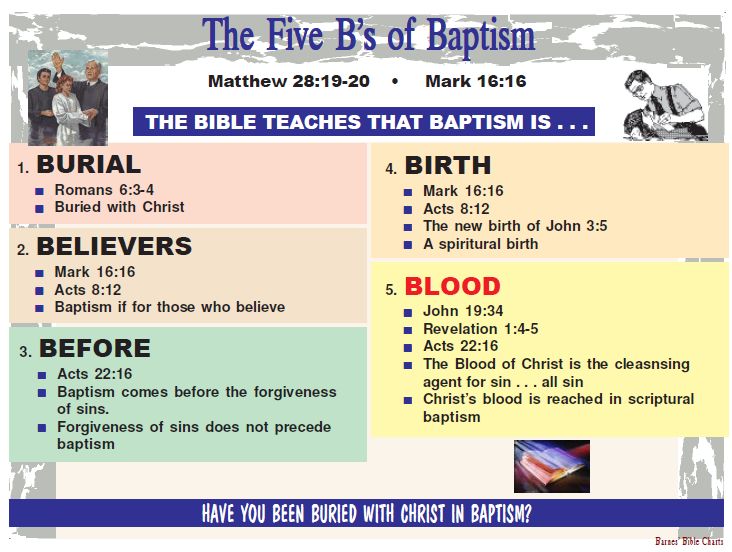
Far from a mere ritual, BAPTISM is a divinely ordained step that aligns believers with Christ’s redemptive work. Through baptism, individuals experience a cleansing of sins, union with Christ’s church, salvation, and an inheritance as heirs of God’s promises.
1. Washing Away Our Sins
Baptism serves as a divine act of cleansing, washing away the stain of sin. In Acts 22:16, Ananias urges Saul, “And now why do you wait? Rise and be baptized and wash away your sins, calling on his name.” This passage emphasizes baptism’s role in cleansing the believer’s conscience before God. Similarly, Acts 2:38 declares, “Repent and be baptized every one of you in the name of Jesus Christ for the forgiveness of your sins, and you will receive the gift of the Holy Spirit.” Here, baptism is linked directly to the remission of sins and the reception of the Holy Spirit. Additionally, Matthew 26:28 connects the concept of forgiveness to Christ’s sacrifice: “For this is my blood of the covenant, which is poured out for many for the forgiveness of sins.” Baptism, therefore, is the moment when a believer appropriates the forgiveness secured by Christ’s blood. Supporting this, Ephesians 5:26 describes Christ sanctifying the church “by the washing of water with the word,” reinforcing baptism’s cleansing power.
2. Added to the Church That Christ Built
Through baptism, believers are united with the body of Christ, the church He established. Acts 2:47 states, “And the Lord added to their number day by day those who were being saved.” This follows the account of 3,000 souls being baptized and added to the church after Peter’s sermon (Acts 2:41). Baptism is the entry point into Christ’s church, as seen in 1 Corinthians 12:13: “For in one Spirit we were all baptized into one body—Jews or Greeks, slaves or free—and all were made to drink of one Spirit.” This passage highlights the unity of believers in the church through baptism. Additionally, Colossians 1:18 affirms Christ as “the head of the body, the church,” underscoring that baptism incorporates individuals into this divine institution, built by Christ Himself (Matthew 16:18).
3. Saved Through Baptism
Baptism is intricately tied to salvation, as it is the moment when a believer’s faith is actualized in obedience to God’s command. 1 Peter 3:21 explicitly states, “Baptism, which corresponds to this, now saves you, not as a removal of dirt from the body but as an appeal to God for a good conscience, through the resurrection of Jesus Christ.” This verse clarifies that baptism is not a mere physical cleansing but a spiritual act that appeals to God for salvation. Mark 16:16 further supports this: “Whoever believes and is baptized will be saved, but whoever does not believe will be condemned.” The connection between baptism and salvation is also evident in Romans 6:3-4, which describes believers being “baptized into his death” and raised to “walk in newness of life,” symbolizing the transformative power of baptism in securing salvation.
4. Becoming Heirs of Abraham
Baptism establishes believers as heirs of the promises made to Abraham, uniting them in God’s covenant family. Galatians 3:27-29 explains, “For as many of you as were baptized into Christ have put on Christ… And if you are Christ’s, then you are Abraham’s offspring, heirs according to promise.” Through baptism, believers become part of the spiritual lineage of Abraham, inheriting the blessings of God’s covenant. Romans 4:16 reinforces this, stating that the promise to Abraham comes “to the one who shares the faith of Abraham, who is the father of us all.” Additionally, Ephesians 3:6 affirms that through the gospel, Gentiles are “fellow heirs” with Israel, a reality actualized in baptism as believers are incorporated into Christ’s body.
5. Putting on Christ
In baptism, believers clothe themselves with Christ, taking on His identity and righteousness. Galatians 3:27 declares, “For as many of you as were baptized into Christ have put on Christ.” This vivid imagery portrays baptism as the moment when a believer is enveloped in Christ’s nature. Romans 13:14 echoes this, urging believers to “put on the Lord Jesus Christ,” a process initiated at baptism. Colossians 3:9-10 further supports this idea, describing believers as having “put off the old self with its practices and… put on the new self,” a transformation that begins with baptism’s symbolic burial and resurrection (Colossians 2:12).
6. Becoming a Disciple of Christ
Baptism marks the beginning of a life of discipleship, as believers commit to following Christ. Matthew 28:19 commands, “Go therefore and make disciples of all nations, baptizing them in the name of the Father and of the Son and of the Holy Spirit.” Baptism is the initiatory step in making disciples, signifying a public commitment to Christ’s teachings. Acts 8:12 illustrates this: “But when they believed Philip as he preached good news… they were baptized, both men and women,” showing that baptism follows belief and marks the start of discipleship. John 3:5 further emphasizes baptism’s role in entering the kingdom of God: “Unless one is born of water and the Spirit, he cannot enter the kingdom of God,” linking baptism to the disciple’s journey of faith.
Baptism is far more than a symbolic act; it is a transformative moment in the believer’s life, rich with spiritual significance. Through baptism, sins are washed away, believers are added to Christ’s church, salvation is received, the promises to Abraham are inherited, Christ is put on, and a lifelong journey of discipleship begins. These truths, grounded in Scripture, underscore baptism’s ESSENTIAL role in the Christian faith.
Knowing the Voice of Jesus: The Written Word as the Sole Means
In John 10:4, Jesus, the Good Shepherd, declares, “And when he putteth forth his own sheep, he goeth before them, and the sheep follow him: for they know his voice.” Believers today do not hear an audible voice nor witness the signs Jesus performed during His earthly ministry, as those signs, per John 20:30-31, were recorded so that we might believe without seeing them firsthand: “And many other signs truly did Jesus in the presence of his disciples, which are not written in this book: But these are written, that ye might believe that Jesus is the Christ, the Son of God; and that believing ye might have life through his name.” The implication is that the signs done then will not be repeated; instead, we know Jesus’ voice through the written word. The apostles’ teaching, the New Testament history of Jesus, and obedience to Christ all converge in the written word as the sole means to know His voice and the truth.
We will know His voice by keeping the apostles’ teaching. The apostles, guided by the Holy Spirit, delivered Jesus’ teachings, preserved in Scripture. John 16:13 promises, “When he, the Spirit of truth, is come, he will guide you into all truth.” Their doctrine, recorded in the written word, allows us to hear Jesus. Later Jesus prays for the apostles in John 17:20, “Neither pray I for these alone, but for them also which shall believe on me through their word;” This shows us that people will believe through their inspired preaching and teaching which is now recorded for all in the New Testament. Acts 2:42 shows early believers “continued stedfastly in the apostles’ doctrine,” while Galatians 1:11-12 clarifies, “The gospel which was preached of me is not after man… but by the revelation of Jesus Christ.” These inspired writings are our access to His voice today.
We will know His voice by the New Testament history of Jesus Christ. The Gospels record Jesus’ life and works, but the signs He performed were for those who saw them personally. John 20:29 reinforces this: “Blessed are they that have not seen, and yet have believed.” We know Him through the written record, as Luke 1:1-4 states: “To set forth in order a declaration… that thou mightest know the certainty of those things.” The written history in Scripture conveys His voice to us. John 20:31a, “But these are written, that ye might believe that Jesus is the Christ, the Son of God;”
We will know His voice by obedience to Christ. Obeying Jesus’ commands, found in Scripture, confirms we hear His voice. John 10:27 says, “My sheep hear my voice… and they follow me.”1 John 2:4 warns, “He that saith, I know him, and keepeth not his commandments, is a liar, and the truth is not in him.”John 14:23 adds, “If a man love me, he will keep my words: and my Father will love him.” Obedience to the written word ensures we know Him.
The written word is the only means by which we know Jesus’ voice and the truth. The signs Jesus performed, as recorded in John 20:30-31, were for those who saw them, but we believe through what is written. Jesus’ life is in the word (John 5:39: “Search the scriptures… they are they which testify of me”). The apostles’ teachings come from the word (2 Peter 1:21). The Holy Spirit revealed the word (2 Timothy 3:16). While preachers may proclaim the gospel (Romans 10:14), they must teach from the written word. 2 John 1:9 emphasizes, “He that abideth in the doctrine of Christ, he hath both the Father and the Son.” The written word alone enables us to hear and follow the Good Shepherd.
We will know His voice by keeping the apostles’ teaching. The apostles, guided by the Holy Spirit, delivered Jesus’ teachings, preserved in Scripture. John 16:13 promises, “When he, the Spirit of truth, is come, he will guide you into all truth.” Their doctrine, recorded in the written word, allows us to hear Jesus. After Jesus then prays for the apostles, He then prays this in John 17:20, “Neither pray I for these alone, but for them also which shall believe on me through their word;” This shows us that people will believe through their inspired preaching and teaching which is now recorded for all in the New Testament. Acts 2:42 shows early believers “continued stedfastly in the apostles’ doctrine,” while Galatians 1:11-12 clarifies, “The gospel which was preached of me is not after man… but by the revelation of Jesus Christ.” These inspired writings are our access to His voice today.
We will know His voice by the New Testament history of Jesus Christ. The Gospels record Jesus’ life and works, but the signs He performed were for those who saw them personally. John 20:29 reinforces this: “Blessed are they that have not seen, and yet have believed.” We know Him through the written record, as Luke 1:1-4 states: “To set forth in order a declaration… that thou mightest know the certainty of those things.” The written history in Scripture conveys His voice to us.
We will know His voice by obedience to Christ. Obeying Jesus’ commands, found in Scripture, confirms we hear His voice. John 10:27 says, “My sheep hear my voice… and they follow me.”1 John 2:4 warns, “He that saith, I know him, and keepeth not his commandments, is a liar, and the truth is not in him.”John 14:23 adds, “If a man love me, he will keep my words: and my Father will love him.” Obedience to the written word ensures we know Him.
In conclusion, the written word is the only means by which we know Jesus’ voice and the truth. The signs Jesus performed, as recorded in John 20:30-31, were for those who saw them, but we believe through what is written. Jesus’ life is in the word (John 5:39: “Search the scriptures… they are they which testify of me”). The apostles’ teachings come from the word (2 Peter 1:21). The Holy Spirit revealed the word (2 Timothy 3:16). While preachers may proclaim the gospel (Romans 10:14), they must teach from the written word. 2 John 1:9 emphasizes, “He that abideth in the doctrine of Christ, he hath both the Father and the Son.” The written word alone enables us to hear and follow the Good Shepherd.
“But thou, O man of God, flee these things; and follow after righteousness, godliness, faith, love, patience, meekness.” (1Tim 6:11)
“Flee also youthful lusts: but follow righteousness, faith, charity, peace, with them that call on the Lord out of a pure heart.” (2Tim 2:22)
Striving for Selfless Love. As I walk through this life, I’m learning that selfless love is the heartbeat of what it means to follow Christ. The New Testament tells me to pursue love (agape, the kind of love that puts others first) as Paul urges in 1 Corinthians 14:1, “Pursue love,” and 1 Corinthians 10:24, “Let no one seek his own, but each one the other’s well-being.” I see this love woven into the virtues of 1 Timothy 6:11 and 2 Timothy 2:22, where love stands alongside righteousness, faith, and peace. Yet, I confess, loving selflessly doesn’t come naturally to me. It’s a daily choice to set aside my own desires and seek the good of those around me.
This pursuit matters deeply because love is the foundation of God’s kingdom. Paul says in 1 Corinthians 13:13 that love is greater than faith or hope, and I’m beginning to understand why. When I choose to love others (whether through a kind word, a listening ear, or an act of hospitality like Romans 12:13 encourages) I reflect Christ’s heart. Every effort to encourage others flows from this love. But I stumble often. My selfishness creeps in, and I need God’s grace to soften my heart, to help me embody the gentleness of 1 Timothy 6:11 or the peace of 2 Timothy 2:22 in my relationships.
Striving for selfless love changes me. It pushes me to forgive when I’d rather hold a grudge, to serve when I’m tired, and to prioritize others’ needs over my own comfort. It’s humbling to realize how far I fall short, yet I find joy in small steps, like a kind word to a neighbor or praying for a struggling friend. This pursuit brightens the light of Christ in my heart, showing the world a glimpse of Jesus’ love through my imperfect efforts. I keep chasing selflessness to make my love more like God’s.
Seeking God; Aspiring to Excellence (Godliness and Holiness) In my walk with Christ, I’m learning to aspire to excellence through godliness and holiness, though I often feel unworthy of such a high calling. 1 Timothy 6:11 urges me to pursue godliness, a life of devotion to God, while Hebrews 12:14 says to “pursue… holiness, without which no one will see the Lord.” These virtues connect to the righteousness and faith in 1 Timothy 6:11 and 2 Timothy 2:22, and they echo the urging to seek “things above” in Colossians 3:1-2. I’m far from perfect, but I long to reflect God’s character more each day.
This pursuit is crucial because it draws me closer to God Himself. Godliness means living with reverence, seeking His will in every decision, but I often get distracted by worldly concerns. Holiness, too, challenges me to stand apart from sin and selfishness, as Hebrews 12:14 warns that without it, I won’t see God. This sobers me, reminding me that my efforts matter, not to earn salvation but to honor the One who saved me. These virtues shape my heart, teaching me to love what God loves and hate what He hates, aligning with the righteousness of both Timothy passages.
Aspiring to godliness and holiness is a humbling journey. I need the support of other saint, as 2 Timothy 2:22 suggests, pursuing these virtues “with those who call on the Lord.” Through prayer, Scripture, and accountability, I’m slowly growing, learning to forgive quickly, speak truthfully, and serve humbly. Each step feels like a battle, but it’s worth it to become more like Christ. As a saint, I seek this treasure of excellence, trusting God to refine me into His image, one faltering step at a time.
Seeking God; Longing for Eternal Life As I seek to grow in faith, the hope of eternal life has become a treasure I hold dear, though I’m still learning to pursue it with the patience it demands. Romans 2:7 speaks of “eternal life to those who by patient continuance in doing good seek for glory, honor, and immortality,” and I see this echoed in the patience and righteousness Paul pleads for in 1 Timothy 6:11 and 2 Timothy 2:22. I’m not there yet, my faith wavers, and my endurance falters, but I keep pressing forward, trusting God to sustain me.
This pursuit is vital because it anchors my life in something beyond the fleeting moments of this world. Eternal life isn’t just a future hope; it shapes how I live now. The urging to “patient continuance” in Romans 2:7 reminds me of the patience in 1 Timothy 6:11, compelling me to persevere through trials without giving up. I often grow weary, tempted to chase temporary comforts instead of God’s eternal reward. But when I fix my eyes on eternity, I find strength to choose righteousness, even when it’s costly, like forgiving an offense or staying faithful in difficult times.
Longing for eternal life humbles me. It is God’s gift through Christ to those who obey the gospel. Yet, I’m told to seek it by living uprightly, as 2 Timothy 2:22 encourages in pursuing righteousness. Each step, resisting temptation, serving others, or trusting God in hardship, feels like a deposit toward that eternal hope. It’s a slow, steady journey, and I rely on God’s mercy and His word to keep me faithful. This pursuit reminds me that my true home is with Him, forever.
Seeking God; Seeking the Kingdom of God and His Righteousness As I grow in faith, I’m learning to make the kingdom of God and His righteousness my highest pursuit, though I often fall short of this priority. Jesus’ words in Matthew 6:33, “Seek first the kingdom of God and His righteousness,” and Luke 12:31 tell me to focus on God’s rule and moral standard above all else. This aligns with the righteousness, faith, and godliness in 1 Timothy 6:11 and 2 Timothy 2:22, but I confess it’s a struggle to keep this first in my heart when life’s demands pull me in every direction.
This pursuit is the cornerstone of my faith because it reorients everything else. Jesus promises that when I seek God’s kingdom first, my needs will be met, freeing me from worry. But trusting this promise requires the faith of 1 Timothy 6:11 and 2 Timothy 2:22, believing God’s way is better than my own. Righteousness (living justly and obediently) isn’t just a rule to follow; it’s a reflection of God’s character, as is the godliness in 1 Timothy 6:11. I’m humbled by how often I prioritize my plans over God’s, yet His word directs me back to God’s seeking His way.
Seeking the kingdom means living differently, praying for God’s will, sharing the gospel, and standing for His truth, even when it’s unpopular. I stumble, chasing lesser things, but each time I refocus, through study, and service, I find purpose and peace. As a saint, I’m learning to seek the Kingdom of God and His righteousness above all, trusting Him along the way.
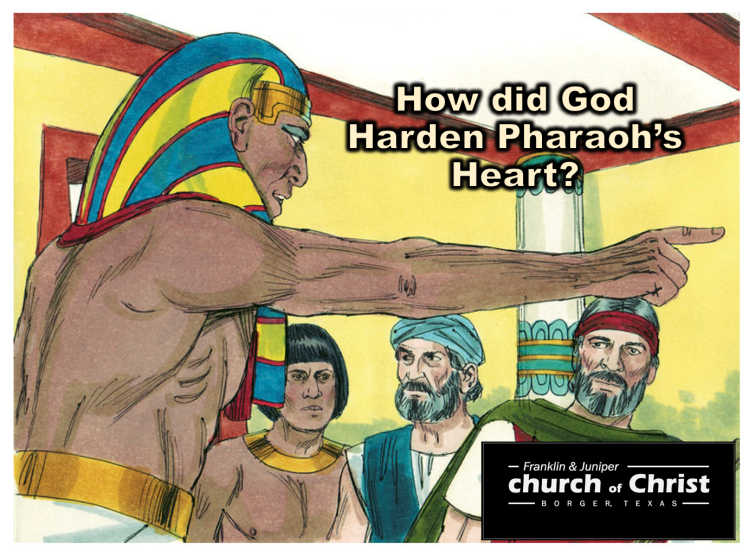
God Hardened Pharaoh’s Heart For the Scripture says to Pharaoh, “For this very purpose I have raised you up, that I may show My power in you, and that My name may be declared in all the earth.” (Rom 9:17)
This objection sounds like this; Calvinists might say that Pharaoh’s hardening is evidence of predestination separate from free will:
“God hardened Pharaoh’s heart to display His sovereign power, showing that human will is subject to His eternal decree.”
“Pharaoh’s hardening proves that God chooses whom to have mercy on and whom to harden, independent of human action.”
“God raised Pharaoh up to be a vessel of wrath, predestined to resist Him, to magnify divine glory.”
“Pharaoh had no free will to resist God’s hardening, as his rebellion was ordained to serve God’s redemptive plan.”
At the end of the day, this error makes God out to be a monster, and that He is a respecter of persons. “Then Peter opened his mouth, and said, Of a truth I perceive that God is no respecter of persons.” (Acts 9:34)
How can we answer this objection? We Harden Our Own Hearts The Bible repeatedly warns against hardening our hearts, emphasizing that this is a choice we make by disregarding God’s word. Hebrews 3:15 urges, “To day if ye will hear his voice, harden not your hearts, as in the provocation.” Similarly, Hebrews 4:7 echoes, “To day, after so long a time; as it is said, To day if ye will hear his voice, harden not your hearts.” These verses, rooted in Psalm 95:7–8, recall Israel’s rebellion in the wilderness, where they hardened their hearts by refusing to trust God. Proverbs 28:14 warns, “He that hardeneth his heart shall fall into mischief,” while Zechariah 7:12 describes those who “made their hearts as an adamant stone, lest they should hear the law.” When we ignore God, we actively choose to harden our hearts, shutting out God’s truth. The responsibility lies with us, not with God overriding our will.
God Allows Rebellion to Accomplish His Purpose God permitted Pharaoh to exalt himself in pride, using his defiance to demonstrate His power. Exodus 7:3–5 declares, “I will harden Pharaoh’s heart, and multiply my signs… that the Egyptians may know that I am the Lord.” Similarly, Exodus 10:1–2 explains that God hardened Pharaoh’s heart “that ye may tell in the hearing of thy son… what I have wrought in Egypt.” Exodus 14:4 adds, “I will harden Pharaoh’s heart, and he will pursue them, and I will get glory over Pharaoh.” This purpose is echoed in Romans 9:17: “For the scripture saith unto Pharaoh, Even for this same purpose have I raised thee up, that I might shew my power in thee.” Like Judas, chosen yet betraying Jesus (John 6:70–71: “Have not I chosen you twelve, and one of you is a devil?”), Pharaoh’s rebellion serves God’s plan without excusing his guilt. God allows human pride to run its course, turning it to His glory.
Rebellion Is to Harden Our Own Heart Pharaoh’s story vividly illustrates this truth. In Exodus 5:2, he defiantly declares, “Who is the Lord, that I should obey his voice and let Israel go? I do not know the Lord.” This rejection of God’s authority marks the beginning of his heart’s hardening. The Bible shows Pharaoh repeatedly choosing to disregard God’s word through Moses. In Exodus 7:13, after Aaron’s staff becomes a serpent, “Pharaoh’s heart was hardened, and he did not listen to them.” Again, in Exodus 8:15, after the plague of frogs, “he hardened his heart and would not listen to them.” These passages highlight Pharaoh’s active role in hardening his heart by failing to regard God’s signs and commands.
Yet, God’s sovereignty is also at work. Exodus 4:21 states, “I will harden his heart, so that he will not let the people go,” and Exodus 9:12 confirms, “The Lord hardened the heart of Pharaoh.” Does this mean God forced Pharaoh to sin? No. The text consistently shows Pharaoh’s rebellion preceding God’s hardening, as in Exodus 9:27, where Pharaoh admits, “I have sinned this time: the Lord is righteous, and I and my people are in the wrong.” God does not cause Pharaoh’s sin but uses his rebellion to fulfill divine purposes, as Exodus 10:1 explains: “I have hardened his heart… that I may show these signs of mine among them.” Pharaoh remains accountable for his choices, while God sovereignly works through them.
“The Devil Made Me Do It”? Some might claim, like the old saying, “The devil made me do it,” to shift blame for their sin. But Scripture places responsibility squarely on us. Pharaoh’s pride in Exodus 5:2 mirrors the rebellion of Israel in Judges 17:6 and 21:25: “Every man did that which was right in his own eyes.” This self-rule leads to a hardened heart. James 1:14–15 clarifies, “Every man is tempted, when he is drawn away of his own lust… when lust hath conceived, it bringeth forth sin.” Our deceitful hearts (Jeremiah 17:9: “The heart is deceitful above all things”) and evil thoughts (Mark 7:21–22: “From within, out of the heart of men, proceed evil thoughts… pride”) drive rebellion, not God or the devil. Like Pharaoh, we harden our hearts when we prioritize our own desires over God’s truth.
We are to Soften Our Hearts by God’s word. The hardening of Pharaoh’s heart teaches us a profound lesson: We harden our hearts by disregarding God’s word, but God uses even our rebellion to fulfill His purposes. The Bible warns us to choose differently. Hebrews 3:15 pleads, “To day if ye will hear his voice, harden not your hearts.” Unlike Pharaoh, who persisted in pride, we must repent and seek a soft heart, as David prayed in Psalm 51:10: “Create in me a clean heart, O God.” Have you ignored God’s voice through Scripture? Choose to obey, for the responsibility to heed the Gospel call is ours.
In my walk with Christ, I’m learning to aspire to excellence through godliness and holiness, though I often feel unworthy of such a high calling. 1 Timothy 6:11 urges me to pursue godliness, a life of devotion to God, while Hebrews 12:14 calls me to “pursue… holiness, without which no one will see the Lord.” These virtues connect to the righteousness and faith in 1 Timothy 6:11 and 2 Timothy 2:22, and they echo the call to seek “things above” in Colossians 3:1-2. I’m far from perfect, but I long to reflect God’s character more each day.
This pursuit is crucial because it draws me closer to God Himself. Godliness means living with reverence, seeking His will in every decision, but I often get distracted by worldly concerns. Holiness, too, challenges me to stand apart from sin and selfishness, as Hebrews 12:14 warns that without it, I won’t see God. This sobers me, reminding me that my efforts matter, not to earn salvation but to honor the One who saved me. These virtues shape my heart, teaching me to love what God loves and hate what He hates, aligning with the righteousness of both Timothy passages.
Aspiring to godliness and holiness is a humbling journey. I need the support of other saint, as 2 Timothy 2:22 suggests, pursuing these virtues “with those who call on the Lord.” Through prayer, Scripture, and accountability, I’m slowly growing, learning to forgive quickly, speak truthfully, and serve humbly. Each step feels like a battle, but it’s worth it to become more like Christ. As a saint, I seek this treasure of excellence, trusting God to refine me into His image, one faltering step at a time.