
the mystery of all religious error

Brothers and sisters, let me take you on a journey through the ages, a journey marked by error! We’re going to examine some of the grandest missteps in the Good Book, and I pray you’ll learn and love the Lord all the more by the time we’re done. Now, let’s start in the Garden of Eden.

GARDEN: And when the woman saw that the tree was good for food… Genesis 3:6
Eve, sweet Eve, saw that forbidden fruit and thought it looked mighty tasty. You know what they say, “Forbidden fruit is the sweetest.” But oh, how wrong she was! That bite led to the fall of man. When you think you know better than God, you’re just about to trip over your own pride. Brothers and sisters, remember this: the snake in the grass often has the best sales pitch, but his product never delivers what it promises!

CAIN: And Cain was very wroth, and his countenance fell. Genesis 4:5
Then we have Cain. Cain got madder than a hornet because God liked Abel’s offering better. His face was longer than a wet week! Instead of asking, “Lord, how can I do better?” he chose murder. Remember, when jealousy gets your goat, it’s just a short walk to the sin pasture. God’s ways aren’t always our ways, but they are always right.

PHARAOH: Who is the LORD, that I should obey his voice to let Israel go? I know not the LORD, neither will I let Israel go. Exodus 5:2
Pharaoh—now there was a man who thought he was all that and a bag of chips. He thought he could stand toe-to-toe with the Almighty. “Who is the Lord?” he scoffed. Let me tell you, when you hear someone ask that, you better stand. Pharaoh found out the hard way with ten plagues and a parted sea. Friends, when God says, “Let my people go,” you better step aside!

The more we know of God, the more we will obey Him. Conversely, the less we know of God, the less we will obey Him. Jesus himself pointed out the mystery of man’s error: “Ye do err, not knowing the scriptures, nor the power of God” (Matthew 22:29). This is a profound truth, my friends.

Sadducees and the Resurrection Errors
The Sadducees were trying to stump Jesus with riddles. They concocted a story about a woman who married seven brothers, each one dying in turn. “Whose wife will she be in the resurrection?” they asked, thinking they’d outsmarted Him. Jesus set them straight, reminding them that God’s word and His power transcends their earthly imaginations. Folks are still tying themselves in knots over theological riddles instead of trusting God’s word.

READING REQUIREMENTS in the OT law
In ancient Israel, God commanded His people to write His laws on stones and read them aloud. Deuteronomy 6:6-9 and 31:10-13 remind us that these words should be in our hearts, taught diligently to our children, spoken of at home and on the road. Yet Israel neglected this command.

We are also to read the word in the New Covenant, (John 20:30-31; Eph 3:3-4; 2Tim 3:15-17).

OT EXAMPLES of ERROR.
In the periods of Judges and Kings, they fell into cycles of forgetting, repenting, and deliverance. Not once do we read of the Israelites gathering to hear the law read, except under Jehoshaphat (2 Chronicles 17:7-9). When the word is neglected, the people perish!

David’s mishandling of the Ark of the Covenant, resulting in Uzzah’s death (1 Chronicles 13:5, 15:11-15), serves as a stern reminder of the importance of knowing and obeying God’s instructions. The failure to follow God’s law led to Israel’s captivity (Isaiah 5:13, Hosea 4:6).

REJECTING JESUS, Then and Now
Even in Jesus’ time, ignorance led to His rejection. The rulers didn’t recognize Him as the Lord of glory (1 Corinthians 2:6-8). Today, many still cling to errors—whether it’s misunderstanding salvation (Acts 15), mixing law and grace (Colossians 2:10), or holding onto traditions that contradict Scripture. From infant baptism to unnecessary church hierarchies, people err because they do not know the Scriptures nor the power of God.

So, do you value your soul? Jesus asked, “For what is a man profited, if he shall gain the whole world, and lose his own soul?” (Matthew 16:26). If we value our souls, we must study God’s word reverently, with fear, love, and care, and apply it daily.

Let’s avoid the errors of the past by immersing ourselves in God’s holy word. Read it, teach it, live it! And remember, when in doubt, God’s way is always the best way! Amen!

Agape, Spencer

you’re invited to one of our services at the Franklin and Juniper st church of Christ.

Do MORALS Matter? Not according to the WORLD.

For the time past of our life may suffice us to have wrought the will of the Gentiles, when we walked in lasciviousness, lusts, excess of wine, revellings, banquetings, and abominable idolatries: Wherein they think it strange that ye run not with them to the same excess of riot, speaking evil of you.” (1Peter 4:3,4).

This passage highlights the contrast between the behaviors of Christians and those of the secular world.

It describes a past life indulged in excesses and immoral activities such as lust, drunkenness, revelry, and idolatry.

Upon turning to a Christian way of life, believers abstain from these practices, leading to a stark difference in conduct.

This transformation often confounds non-believers, who find it strange that Christians no longer join in their excessive and riotous behaviors. As a result, Christians might face criticism or slander for their newfound restraint and moral discipline.

In our secular society, there is a growing trend to sideline morality, with the world often asserting that ethical standards are subjective and unimportant. The Bible warns against this destructive philosophy.

The idea that wrong is relative is exemplified by the biblical account of Pharaoh’s defiance in Exodus 5:2: “And Pharaoh said, Who is the LORD, that I should obey his voice to let Israel go? I know not the LORD, neither will I let Israel go.” Pharaoh’s stance reflects a broader modern sentiment that moral obligations are negotiable based on personal belief systems or the lack thereof. This relativism undermines the concept of an absolute moral authority.

The pursuit of personal gain often overrides moral considerations. In Luke 12:13-21, Jesus tells the parable of the rich fool, who hoards wealth without regard for others or his spiritual well-being. This story highlights how the quest for material success can eclipse ethical responsibilities, leading individuals to prioritize self-interest over faithfulness to God.

Doing what is “right in one’s own eyes” epitomizes the relativistic approach to morality. Judges 21:25 states, “In those days there was no king in Israel: every man did that which was right in his own eyes.” This verse illustrates the chaos and moral decay that arise when subjective judgments replace universal ethical standards.

Contemporary society often masks moral deviations under the guise of love. This rationalization can be seen in the acceptance of various forms of relationships, such as living together, polyamory, and other more controversial issues. By framing these practices as expressions of love, societal norms shift, challenging biblical moral frameworks.

The belief that death is the end and therefore morality is inconsequential is a profound reflection of nihilistic thought. If life has no ultimate purpose beyond physical existence, ethical considerations may seem futile. This outlook fosters a disregard for moral behavior, as the finality of death negates the perceived need for a moral compass.

The world’s dismissal of morality poses significant contrast to sound ethical standards. This is why we must be on guard against such flawed reasoning.

Agape,

Spencer

The Problem of SUGAR

Howdy, brothers and sisters! Today, I want to talk to you about a little thing called “SUGAR.” Now, I know what you’re thinking – sugar is sweet and delightful, a treat for the taste buds. But what if I told you that sugar can be a grave and serious danger to our health?

Sugar is Sneaky

Sugar has a sneaky way of creeping into almost everything we eat. Even when we’re not expecting it, there it is, hidden in plain sight. eating and drinking too many added sugars, which can contribute to health problems such as weight gain and obesity, type 2 diabetes, and heart disease.

We must always be on guard, and watchful, to recognize and resist its sneaky influences.

Sugar is Ubiquitous

Sugar is everywhere. It’s in our breakfast cereals, our sauces, and even our bread. We find it all around us in our daily lives – at work, in our homes, and even in our health food! Sugar often sneaks up on us when we’re not looking. It can be found in the most unexpected places, subtly influencing our health and wellbeing. It’s an omnipresent problem that we must be constantly alert.

Sugar is Gradual

The effects of consuming too much sugar aren’t immediate. It’s a gradual process where we might not notice the damage until it’s too late – the extra pounds, the sluggishness, or the health issues. This gradual erosion, small compromises, and seemingly insignificant choices can lead us far from our intended path over time. We must be diligent and committed, recognizing that small steps lead to poor health and tooth decay.

Sugar is Addictive

Sugar can be highly addictive. The more we consume, the more our bodies crave it. It creates a cycle that’s hard to break. This little treat is harmful to our bodies and we love killing ourselves with it. Some studies have suggested that sugar is as addictive as Cocaine. People often enjoy the dopamine release that sugar brings. But due to the addictive nature of sugar, it’s difficult to quit.

Recognizing this addictive nature is the first step in breaking free from its hold.

Sugar is Ruinous

Over time, excessive sugar can ruin our health, leading to diabetes, heart disease, and other serious conditions. It affects our relationships, our personal well-being, and our ability to interact with others, in particular, our children and grandchildren.

The ultimate ruin comes when we let these challenges dominate our lives, but there’s hope through changing habits, eating real food, and regular activity.

The Sweet Deception of Sin.

Friends, you’ve probably guessed by now that SUGAR is a metaphor for sin. Just as sugar sneaks into our diet, sin sneaks into our lives. It’s ubiquitous, gradual, addictive, and ultimately ruinous. But here’s the good news: we have a Savior who offers us freedom from this cycle.

By recognizing and addressing these issues head-on, we can live a life that truly honors God. Let’s be vigilant, stay rooted in scripture, and support one another in our walk of faith.

Sin is Sneaky

Remember what Jesus said in Matthew 26:41: “Watch and pray so that you will not fall into temptation. The spirit is willing, but the flesh is weak.” We must always be on guard, watchful and prayerful, to recognize and resist these sneaky influences.

Sin is Ubiquitous

In 1Peter 5:8, we are warned, “Be alert and of sober mind. Your enemy the devil prowls around like a roaring lion looking for someone to devour.” Just like sugar is found in the most unexpected places, so are the snares that can lead us astray.

Sin is Gradual

James 1:14-15 explains this well: “But each person is tempted when they are dragged away by their own evil desire and enticed. Then, after desire has conceived, it gives birth to sin; and sin, when it is full-grown, gives birth to death.” We must stay diligent and committed, recognizing that small, faithful steps lead to a righteous life, just as small missteps can lead to spiritual decay.

Sin is Addictive

In Hebrews 11:24-26 we see the powerful pull of sin. “By faith Moses, when he was come to years, refused to be called the son of Pharaoh’s daughter; Choosing rather to suffer affliction with the people of God, than to enjoy the pleasures of sin for a season; Esteeming the reproach of Christ greater riches than the treasures in Egypt: for he had respect unto the recompence of the reward.” Recognizing this addictive nature and having a desire to be with Christ is the first step in breaking free from its hold.

Sin is Ruinous

Romans 6:23 warns us, “For the wages of sin is death, but the gift of God is eternal life in Christ Jesus our Lord.” None are immune, all fall short. The ultimate ruin comes when we let these challenges dominate our lives, but there’s hope and redemption through Christ.

If we say that we have no sin, we deceive ourselves, and the truth is not in us. If we confess our sins, he is faithful and just to forgive us our sins, and to cleanse us from all unrighteousness. If we say that we have not sinned, we make him a liar, and his word is not in us. My little children, these things write I unto you, that ye sin not. And if any man sin, we have an advocate with the Father, Jesus Christ the righteous: And he is the propitiation for our sins: and not for ours only, but also for the sins of the whole world. And hereby we do know that we know him, if we keep his commandments.” (1John 1:8-2:3).

Stay sweet in the spirit, but mindful of the pitfalls, dear ones!

Agape,

spencer is an evangelist for the church of Christ on Franklin and Juniper in Borger Texas. If you’re in the Borger area, stop in a see us at one of our regular services.

Seeking Jesus in Mark 5

In Mark chapter 5, we read about several encounters of those seeing Jesus. Amidst the miracles and interactions, these folks stand out, each exhibiting varying degrees of fear or awe towards Jesus. Let’s look at a few of their stories and see if their fear was justified, or why they ought to have no fear.

The Legion: The first in Mark 5, is a man possessed by a legion of demons. This legion, fearing Jesus, pleads not to be tormented. Their fear stems from the recognition of Jesus’ authority over the spiritual realm. They understand His power to cast them out and disrupt their malevolent activities. Their fear is justified, for Jesus indeed removes them from the man, demonstrating His supremacy over darkness.

The Citizens: Following the exorcism of the legion, the citizens of the region witness the transformation of the possessed man. Instead of rejoicing at this miraculous deliverance, they are gripped by fear and beg Jesus to leave their region. Their fear is rooted in the disruption caused by His power. They show no concern for the one who has been restored from his torments. Their fear is misplaced by priorities that lead them to reject Jesus, despite this miraculous deed.

The Exorcised Man: The man formerly possessed by is now clothed and in his right mind, sitting at Jesus’ feet. He has no fear of Jesus, but rather a desire to go with Him wherever He goes. He is instead told to “go home and tell,” where he boldly proclaims all that Jesus had done for him; and they marveled.  

Jairus: a synagogue leader, approaches Jesus in desperation, pleading for his daughter’s healing. Despite his high status in society, Jairus humbles himself before Jesus, acknowledging His power to heal. His fear is one of urgency and desperation, fueled by the impending death of his beloved daughter. Jairus’ faith outweighs his fear as he trusts in Jesus’ ability to perform the impossible. Unlike the denizens of the region who rejected Jesus, Jairus pleads with Him to come to his house.

The Woman with the Issue of Blood: Amidst the crowd pressing around Jesus, a woman suffering from a twelve-year hemorrhage reaches out in faith, believing that merely touching His garment would bring healing. Her fear is one of vulnerability and shame, as she has endured societal separation due to her condition. However, her faith overcomes her fear, and Jesus commends her for her courage and belief, declaring her healed.

In reflecting on these characters from Mark chapter 5, it becomes evident that fear can manifest in various ways when confronted with the divine presence of Jesus Christ. Some respond with reverence and faith, while others react with skepticism and rejection. Ultimately, those who approached Jesus with humility and trust found freedom, and healing, while those who allowed fear to hinder their faith miss out on the abundant blessings He offers.

Agape,

Spencer

This is part 6 of a series called Preaching through Mark.

Just a Christian

The word “CHRISTIAN” is used only three times in the bible, and they tell us volumes about what it means to be one.

In a world filled with denominations, doctrines, and religious labels, the concept of simply being just “Christians” can be both refreshing and thought-provoking. This idea challenges individuals to strip away the layers of man-made traditions and sectarian divisions, focusing solely on the teachings of Jesus Christ and the early church. Embracing the identity of being just “Christian” emphasizes a return to the core principles of faith, love, and unity found in the New Testament.

It encourages believers to seek a shared commitment to following Christ without the barriers created by denominational affiliations.

Through this lens, being just “Christians” emphasizes a simple yet profound approach to live out the teachings of Jesus in a world that often complicates true faith.

And when he had found him, he brought him unto Antioch. And it came to pass, that a whole year they assembled themselves with the church, and taught much people. And the disciples were called Christians first in Antioch” (Acts 11:26).

When we are baptized into Christ through faith we are added to the church (Acts 2:38-47). A disciple in the Lord’s church is an adherent of the doctrines of Christ. In this passage we learn that a CHRISTIAN is synonymous with being a disciple who had been added to the church by God when they obeyed the gospel. Many who claim to be Christian are neither adherent to the doctrine of Christ, and have not been added to the church not having obeyed the Gospel.

Then Agrippa said unto Paul, Almost thou persuadest me to be a Christian” (Acts 26:28).

In this passage, Agrippa demonstrates his understanding that the name CHRISTIAN involves doing something to become one. Here, “CHRISTIAN” is used interchangeably with what Paul taught and what he had done. Agrippa was being taught about Christ. What did Paul teach and what had he done? He was a Christian because he had been baptized into Christ (Acts 22:16), and he was a disciple (adherent to the doctrine) of Christ. “Whereupon, O king Agrippa, I was not disobedient unto the heavenly vision” (Act 26:19).

Yet if any man suffer as a Christian, let him not be ashamed; but let him glorify God on this behalf. For the time is come that judgment must begin at the house of God: and if it first begin at us, what shall the end be of them that obey not the gospel of God?” (1Peter 4:16,17).

CHRISTIAN can be used interchangeably with “HOUSE of GOD.” A Christian is a member of the house of God. It can also be noted that Christian stands in contrast to “them that obey not the gospel.” As adherents to the teaching of Christ, and obedience to the gospel, we are not ashamed to bear the name “CHRISTIAN.”

There was no ‘church of your choice’ in New Testament times. Division was condemned (1Cor 1:10-13). When individuals obeyed the gospel of God by believing in Jesus, repenting of their sins, confessing their faith in Jesus and being baptized to wash away their sins, they were ADDED TO THE CHURCH by the Lord and were known by Him as His true disciples, (Acts 2:38,47). They were CHRISTIANS.

Agape,

Spencer

Here’s a link to another article about being a CHRISTIAN.

You’re invited to visit one of our assembly times or bible studies to see for yourself what we do and say.

What is a DEVO book really?

What’s a DEVO book? DEVO is short for “DEVOTIONAL.”

A devotional book is a text, often religious in nature, designed to inspire and guide individuals in their spiritual practices. These books typically contain daily readings, reflections, prayers, or meditations aimed at fostering a deeper connection with one’s faith or spiritual beliefs. They can cover a wide range of topics, from personal growth and introspection to theological teachings and biblical passages.

While devotional books can be valuable tools for spiritual growth and contemplation, they can also potentially lead individuals into a false sense of godliness or spirituality for several reasons:

One. Verse. Every. Day.

What’s wrong with reading a DEVO?

DEVO’s

Surface-Level Engagement: Some devotional books offer quick, easily digestible readings that may encourage a superficial understanding of faith or spirituality. Readers may mistake this cursory engagement for genuine spiritual depth.

Acts 20:27 KJV. For I have not shunned to declare unto you all the counsel of God.

Emotional Appeal: Devotional books often appeal to readers’ emotions, offering comforting words or inspiring stories. While emotional resonance can be a powerful aspect of spiritual experience, it can also lead individuals to prioritize feelings over critical thinking or authentic spiritual growth.

Romans 10:2 KJV. For I bear them record that they have a zeal of God, but not according to knowledge.

2 Timothy 2:15 KJV. Study to shew thyself approved unto God, a workman that needeth not to be ashamed, rightly dividing the word of truth.

Lack of Covenant context: Many devotional books are written from a particular Old Covenant, potentially limiting readers’ exposure to the New Testament covenant. This lack of diversity can reinforce existing biases and prevent individuals from engaging with more accurate and applicable viewpoints.

Hebrews 8:13 In that he saith, A new covenant, he hath made the first old. Now that which decayeth and waxeth old is ready to vanish away.

For example, do we need to do animal sacrifices? Nope! Look at this verse. Are we to continue to make animal sacrifices now that Christ has sacricfied Himself?

Psalm 66:15 KJV. I will offer unto thee burnt sacrifices of fatlings, with the incense of rams; I will offer bullocks with goats. Selah.

Hebrews 10:11 And every priest standeth daily ministering and offering oftentimes the same sacrifices, which can never take away sins:

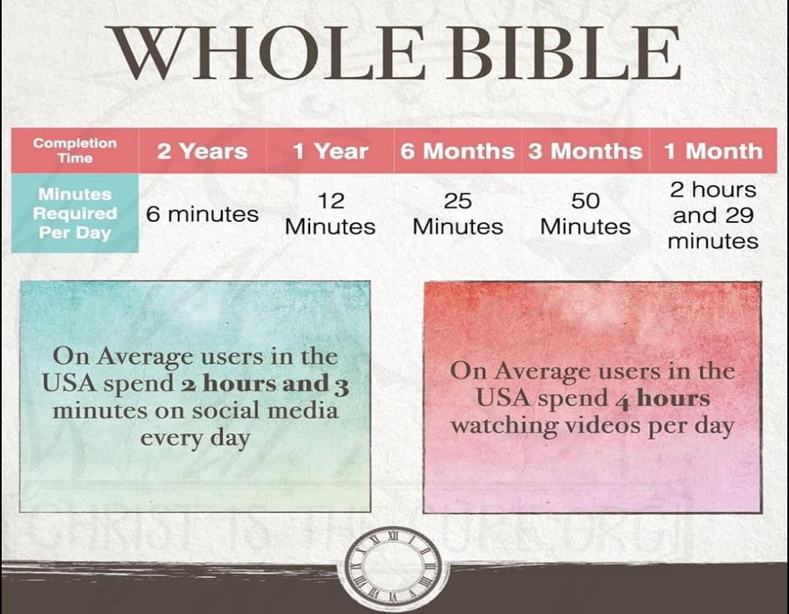
There are 31,102 verses in the Bible. At that pace of One. Verse. Every. Day. It would take 85 years to read through the Bible.

I don’t have that kind of time left.

Agape,

Spencer

Here is a link to printable bookmarks to help you read through the bible in an organized fashion.

Daily Bible Bite; Prayer

Psalm 54

This is David’s prayer when the Ziphites revealed to king Saul his location (1Sam 26).

As a matter of fact, many of the Psalms of David are his personal written prayers.

This got me thinking about how helpful it might be to us if we made a habit of writing out our prayers.

David’s Psalms are examples of

Praise.

Requests for forgiveness.

Asking God to fight for him.

Yearning to worship God.

Prayer is a spiritual blessing for the Saints.

Let us use this privilege without neglect.

1 Thessalonians 5:17 “PRAY without ceasing.”

Messages of Hope: Insights into the Minor Prophets

In the Old Testament, a collection of writings from twelve individuals collectively forms what is known as the “Minor Prophets.”

These books might be brief, but their messages are profoundly significant, providing lessons, that resonate deeply with the human experience.

As stated in Romans 15:4, “For whatsoever things were written aforetime were written for our learning, that we through patience and comfort of the scriptures might have hope.”

The minor prophets might occupy a small section in the Bible, but their teachings echo through centuries, resonating with timeless truths about justice, repentance, and hope. Through a study of these texts, believers today can deepen their understanding of God’s character and His desires for humanity, leading lives that look to Him for how to live.

The minor prophets consistently call for moral integrity. Amos vehemently condemns the exploitation of the poor and the perversion of justice under the Law of Moses, while Micah famously declares, “He has shown you, O mortal, what is good. And what does the LORD require of you? To act justly and to love mercy and to walk humbly with your God” (Micah 6:8). This push towards Moral Integrity and Justice is as relevant today as it was then, reminding us that God requires a morally upright people under the covenant of Christ (2Pet 1:5-11).

The minor prophets powerfully illustrate the immutability of God’s word—His unchanging truth and unwavering promises. Figures like Hosea and Malachi declared God’s steadfast love and justice amidst Israel’s unfaithfulness, underscoring His consistent character and eternal decrees. In the New Testament, this theme resonates in Matthew 24:35, where Jesus affirms, “Heaven and earth will pass away, but my words will never pass away.”

A significant portion of the prophetic messages involves warnings about impending judgments due to the people’s unfaithfulness and idolatry. Prophets like Hosea and Zephaniah offer vivid descriptions of the consequences that await if the nation does not turn back to God. Yet, even within the stark warnings, there is always a call to repentance—a plea for turning away from wrong and returning to God. This pattern underscores a profound truth about God’s character: His justice is tempered with mercy, and His corrections are aimed at restoration, not destruction. “The Lord is not slack concerning his promise, as some men count slackness; but is longsuffering to us-ward, not willing that any should perish, but that all should come to repentance” (2Peter 3:9).

Despite the frequent messages of doom, the minor prophets are also vehicles of incredible hope. They foretell the coming of a Messiah, and the establishment of a kingdom characterized by peace and mercy. For example, Zechariah speaks of a future King who will rule in righteousness and bring peace to the nations (Zechariah 9:9-10). These prophecies provide evidence that Jesus is the Christ, the Son of the Living God, and that the church He built has always been in the plan of God.

The minor prophets, like Micah and Zechariah, emphasize the righteousness and holiness of God, calling for justice and moral purity among His people. They highlight that God detests sin because it is contrary to His holy nature. In the New Testament, this theme is echoed in 1Peter 1:15-16, where believers are exhorted to be holy in all their conduct because God is holy.

Agape,

Spencer

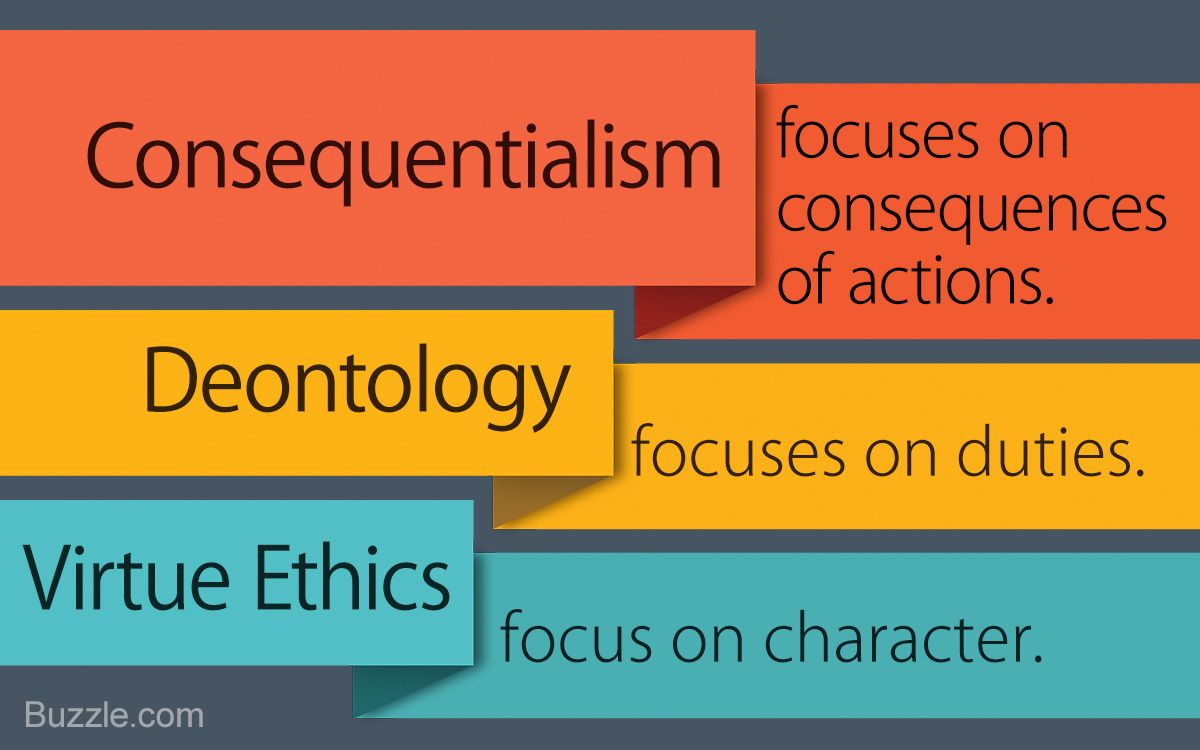
The Dilemma of Situation Ethics: Does Context Override Sin?

In the annals of ethical debates, one recurring question persists: Does the situation in which an action occurs negate its moral implications? This quandary, often debated through the lens of religious texts, confronts individuals with profound moral choices. In examining this issue, we turn to the biblical narrative and explore various instances where situation ethics clash with divine standards.

Consider the tragic fate of Uzzah, recounted in 2 Samuel 6:6-7. When the oxen shook the Ark of God, Uzzah instinctively reached out to steady it, resulting in his untimely death. David’s subsequent realization underscores the importance of adhering to divine commands, (1Chron 15:2).

Despite Uzzah’s noble intention to prevent the Ark from falling, his actions were deemed irreconcilable with God’s decree that only Levites should handle the holy chest. Here, the severity of the situation did not absolve Uzzah of his transgression.

Integrity with God’s word emerges as a central theme in assessing ethical conduct. Matthew 22:37-39 underscores the importance of genuine intentions rooted in love for God and others. However, the case of misguided zeal, exemplified by Saul of Tarsus before his conversion to Christ, serves as a cautionary tale. Despite his fervent dedication to what he perceived as righteous, Saul’s actions contradicted God’s will, as evidenced in Acts 22:3-4 and Acts 26:9. This distinction between sincerity and righteousness highlights the inadequacy of integrity alone in determining moral correctness.

The danger of zeal divorced from truth is clarified in Romans 10:1-2, where Paul laments the misplaced fervor of his fellow Jews. Their zeal, though commendable, lacked the necessary foundation of divine knowledge, rendering it futile. This warning resonates in contemporary contexts where churches compromise doctrinal integrity to appeal to broader audiences, as seen in the emphasis on entertainment over spiritual truth.

Scriptural admonitions against deviating from doctrinal purity underscore the gravity of adhering to divine truth. 1Timothy 1:3 and 2John 1:10 caution against the acceptance of alternative teachings, emphasizing the exclusivity of divine doctrine. The solemn declaration in Galatians 1:8, 9 reinforces the unequivocal nature of the gospel, rejecting any deviation from its foundational truths. “But though we, or an angel from heaven, preach any other gospel unto you than that which we have preached unto you, let him be accursed. As we said before, so say I now again, If any man preach any other gospel unto you than that ye have received, let him be accursed.”

The problem of situation ethics poses a formidable challenge to individuals grappling with moral decisions. The biblical narrative offers valuable insights into the intersection of context and morality, emphasizing the enduring relevance of divine standards. While circumstances may vary, the timeless principles articulated in Scripture serve as unwavering guides, reminding believers that situational complexities do not negate the eternal truths of righteousness and integrity. We are to navigate the intricacies of ethical dilemmas with steadfast adherence to divine precepts, knowing that no situation can justify a departure from the immutable standards of God.

Agape,

Spencer

This article is part 4 of a series titled, God’s Moral Law. click here for part one.

You’re invited to attend one of our services at the church of Christ on Franklin and Juniper in Borger Texas.

Mark 4, the Parable of the SOILS

Listen! Behold, a sower went out to sow. And it happened, as he sowed, that some seed fell by the wayside; and the birds of the air came and devoured it. Some fell on stony ground, where it did not have much earth; and immediately it sprang up because it had no depth of earth. But when the sun was up it was scorched, and because it had no root it withered away. And some seed fell among thorns; and the thorns grew up and choked it, and it yielded no crop. But other seed fell on good ground and yielded a crop that sprang up, increased and produced: some thirtyfold, some sixty, and some a hundred.” (Mark 4:3-8; cf. 14-20).

The Parable of the Sower, found in the synoptic Gospels, paints a vivid picture of the different kinds of soil representing the human heart’s receptivity to the Word of God.

God reveals His will to mankind, but it is up to us to seek it out. This parable teaches us to be aware of our own hearts as we hear the word of God, and not to try to assess another’s heart.

We’ll explore the four types of soil, examining their characteristics and drawing parallels to our lives.

Hard Surface Hearts – falling to Satan’s Schemes.

The first type of soil represents hearts where Satan keeps the seed from germinating. In these hearts, God’s word merely rests on the surface, vulnerable to Satan’s subtle deceptions. James 1:13-15 reminds us that we cannot blame the devil for our sins; we are responsible. These hearts easily fall prey to deception. Satan used deception to bring in the first rebellion, and deception continues today from false teachers, (cf. 2Cor 11:4, 13-15). The Word fails to penetrate and make an impression, lying loosely on the surface until Satan snatches it away. The danger lies in a heart that remains hard and unyielding, drawn away from the truth of God’s word toward the belief of lies (2Thess 2:10-12).

Oppressed Heart – Yielding to the pressure of persecution.

The second soil type signifies hearts that are easily overcome by persecution. Oppression may come in various forms, but the key is to remain steadfast. Matthew 10:28 encourages believers not to fear those who can harm the body but cannot touch the soul. Acts 4:29 and 5:29 exemplify the courage to stand firm under pressure. Paul emphasizes in 2Timothy 3:12 that persecution is inevitable for those who desire to live a godly life. Jesus emphasizes the need to remain faithful amid adversity, Himself being the reason why, (Jno. 15:18).

Inattentive Heart – Succumbing to the cares of the world.

The third soil type represents hearts choked by worldly interests. Inattentiveness to spiritual matters results from the distractions of obligations outside the church. Matthew 6:25-34 from the sermon on the mount is a stark warning about losing sight of the Kingdom of God in pursuit of our physical needs.

Lasting & Focused Heart – Lucrative and Fruitful.

The fourth soil represents hearts that bear lasting and loving fruit. These hearts are lucrative and profitable, echoing the parable of the talents in Matthew 25:15-30. This urges believers to continue in God’s word for lasting discipleship (John 8:31; 15:1-8). Titus 3:8 and 2Timothy 3:16 underscore the profitability of living according to God’s word. The key to fruitful soil lies in continuous and consistent effort – sowing, working, weeding, waiting, watching, praying, and reaping (cf. Gal 6:7,8).

Agape,

Spencer

This is part 4 of a series “Preaching through Mark.” Click here for the complete series.